


It’s tax time and leading internet security brand Norton is warning Australians to stay alert after new research showed we’re losing more than $1500 on average to scammers.
Scammers increase their activities at this time of year with the goal of stealing your personal information and your money.
Norton’s study revealed one in three (30 per cent) Australians have already been targeted by a scam including fake invoices (30 per cent) and phishing (29 per cent) among the most common.
At this time of year, with individuals and businesses are preparing their tax returns, Norton says scammers will be increasing their activities.
Because of the sheer volume of personal information being exchanged it makes this the perfect time for cyber criminals to launch their scams.


“Scammers know Australians are already on edge during tax time and are often expecting official communications, whether it’s from the ATO, a tax agent, or a service provider. That’s what makes it so easy to get caught off guard,” says Dean Williams, Senior Systems Engineer at Norton.
“Phishing and invoice scams thrive during tax season as scammers know Australians are juggling financial admin and more likely to click quickly.
“With AI making scam messages increasingly convincing and these tactics surging, it’s never been more important to pause and verify before you click.”
Here are the three major tax time scams and Norton’s tips on how to stay safe:
- Fake ATO Invoices and Phishing Emails
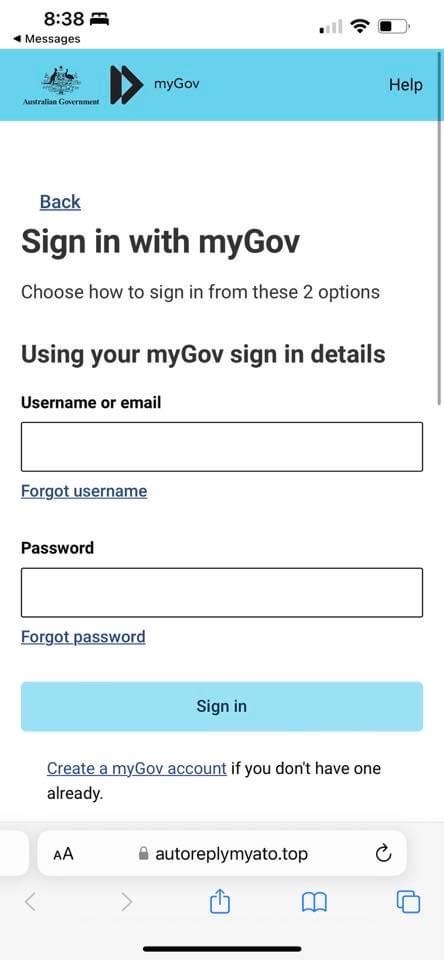
Cybercriminals are sending out emails or SMS messages which look just like ATO correspondence with payment requests for fake tax debts or asking users to download files or click through to phishing websites.
How to stay safe:
– Never click on links in unsolicited messages. Visit the official ATO website directly to verify any claim.
– Look for telltale signs like poor grammar, urgent language, or unfamiliar sender addresses.
– Consider using tools like Norton Genie, a free AI-powered scam detector that helps identify suspicious emails and messages.
- Be cautious of ATO impersonation scams
Cybercriminals often try to disguise themselves as ATO representatives to trick victims into handing over their bank details, tax file numbers, or other personal information via SMS, email, or social media. And the scammers are also resorting to social media with the ATO issuing a warning about scammers impersonating its staff on Twitter, Facebook, TikTok, and other platforms. These fake accounts target users who publicly comment on ATO posts, sending direct messages that appear helpful, but are designed to steal sensitive information.
How to avoid this scam:
– Watch out for urgent threats like arrest, immediate payment demands, or TFN suspension, the ATO doesn’t use these tactics.
– Delete messages from new or unverified social media accounts with few followers. The ATO’s only official pages are on Facebook, X (Twitter), and LinkedIn, all with blue verification ticks.
– Don’t click links or share personal info in unexpected emails or texts.
– If you’re unsure whether a message is real, contact the ATO directly using details from their official website or past letters.
- Tax-related Identity Theft: Protect Your Tax File Number
Cybercriminals are always trying to access your personal information and at tax time that means things like your Tax File Number (TFN). With this they can impersonate you and fraudulently lodge tax returns or claim refunds from the ATO. This can lead to significant financial and identity risks, as the criminals may continue to misuse your stolen data beyond the initial scam.
How to avoid this scam:
– Keep your Tax File Number safe by shredding any documents with personal details before you throw them away. Protect your online accounts, like myGov, with strong, unique passwords and turn on two-factor authentication for extra security.
– If you think your TFN or identity might have been compromised, don’t wait, report it straight away to the ATO.
– Consider using trusted cybersecurity software like Norton 360 to help safeguard your devices and personal information from theft and fraud attempts.
