


- RATING
The Bambu Lab H2C has taken 3D printing to another level and will astonish you with the results. Whether you are printing for your own enjoyment, as a professional or creating objects that can be used around the home – the H2C can easily become an indispensable tool for many households.
I have a new hobby – it’s 3D printing. Ever since I got the new Bambu Lab H2C – a powerhouse 3D printer that boasts the latest technology – we’ve entered a whole new world and we’re loving it.
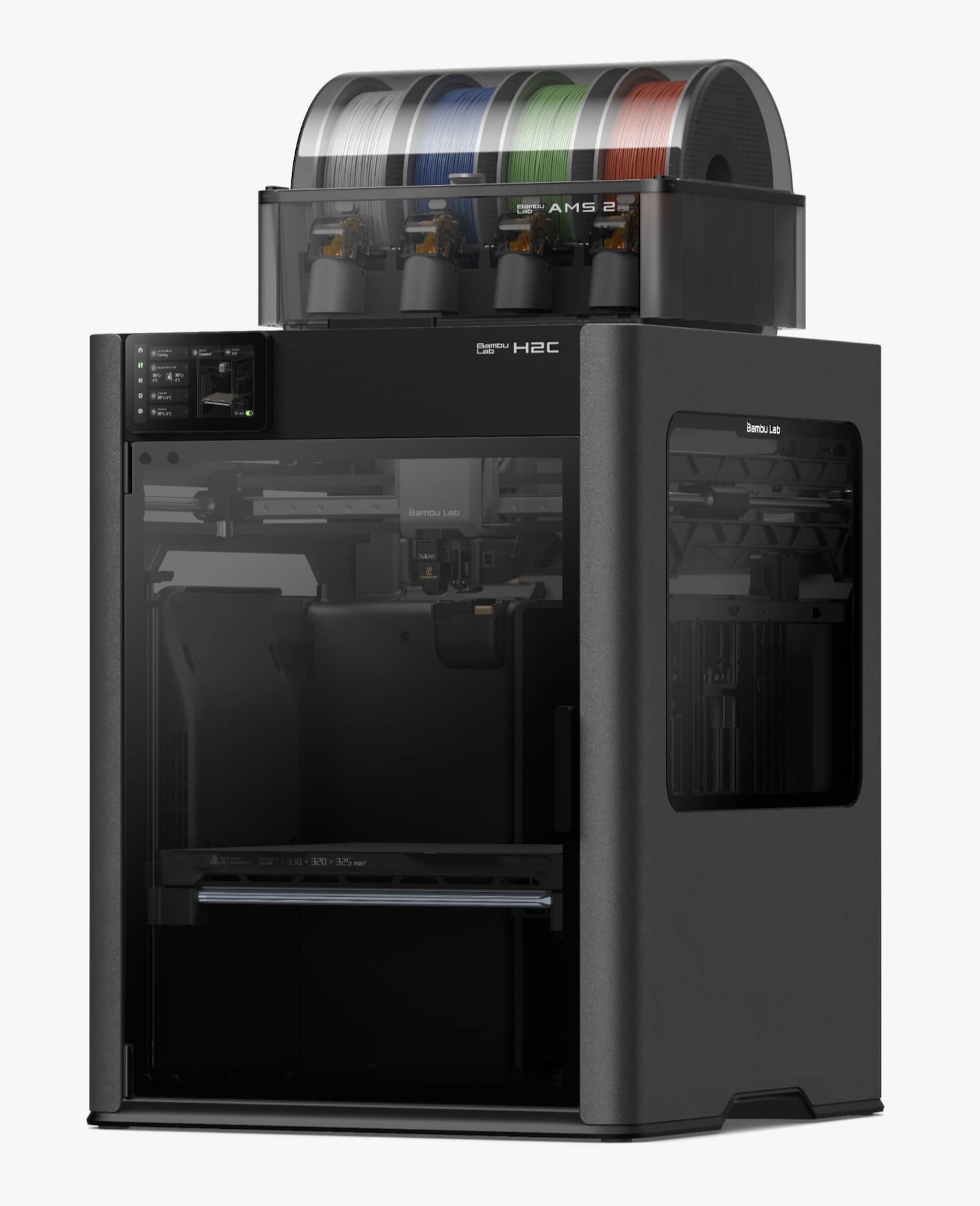
The printer is not small – it’s slightly larger than a bar fridge – and is fully enclosed with a glass door.
And the quality and speed is remarkable.
We had our first 3D printer almost 10 years ago and that seemed amazing at the time.
But the new Bambu Lab H2C makes those older printers look like they came out of the stone age.
One thing we really like about the H2C is that, despite it brimming with the latest technology to create stunningly detailed, accurate and colourful prints, it is still super easy to use.
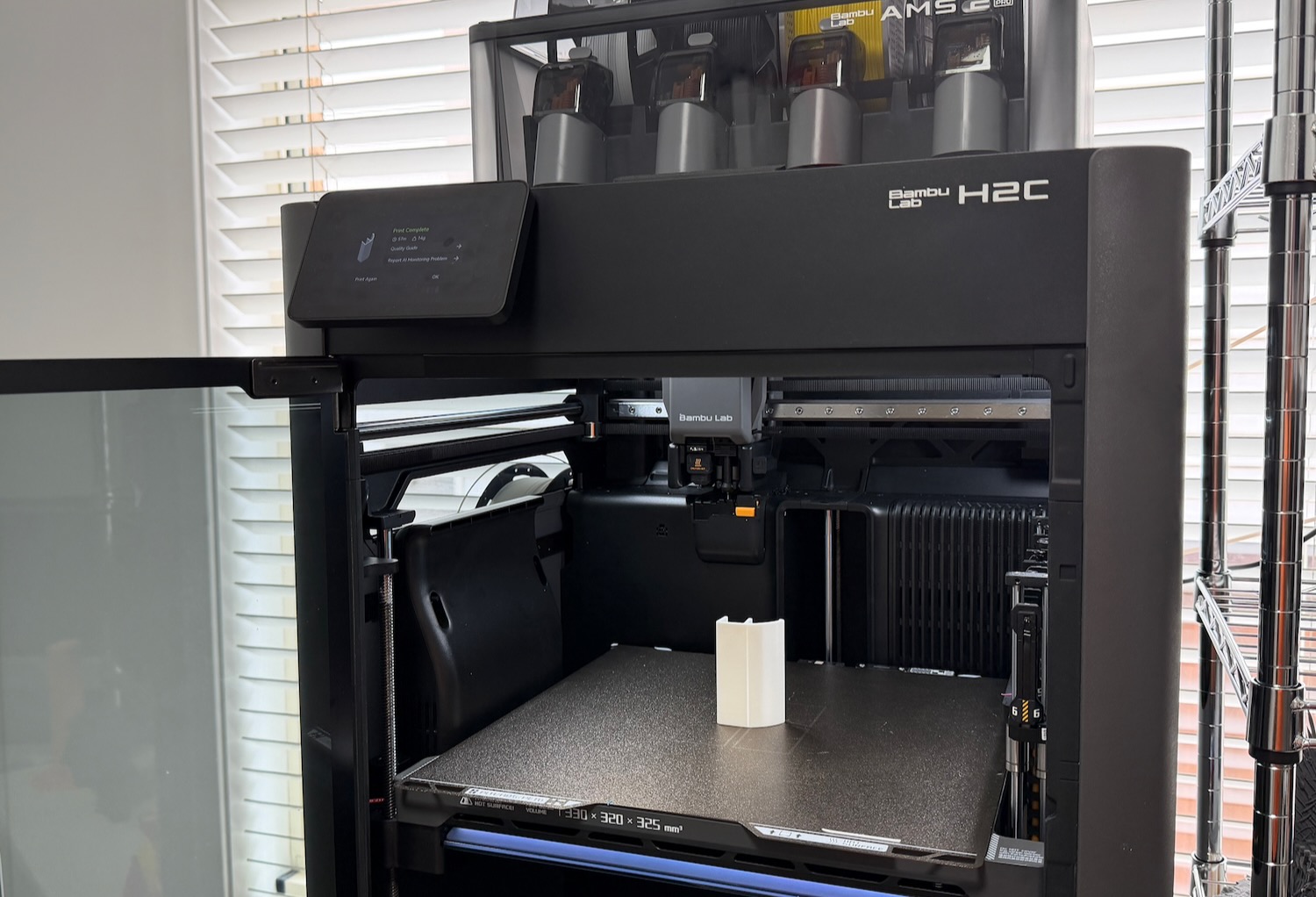
So don’t think you need any training wheels if you want to get into 3D printing at this level. And by this level we mean cost.
The H2C is one of the best 3D printers you can buy. You just need $3,699 to buy it.
But price tag aside – what you can produce with the H2C is nothing short of remarkable and boy, have we put it through its paces.
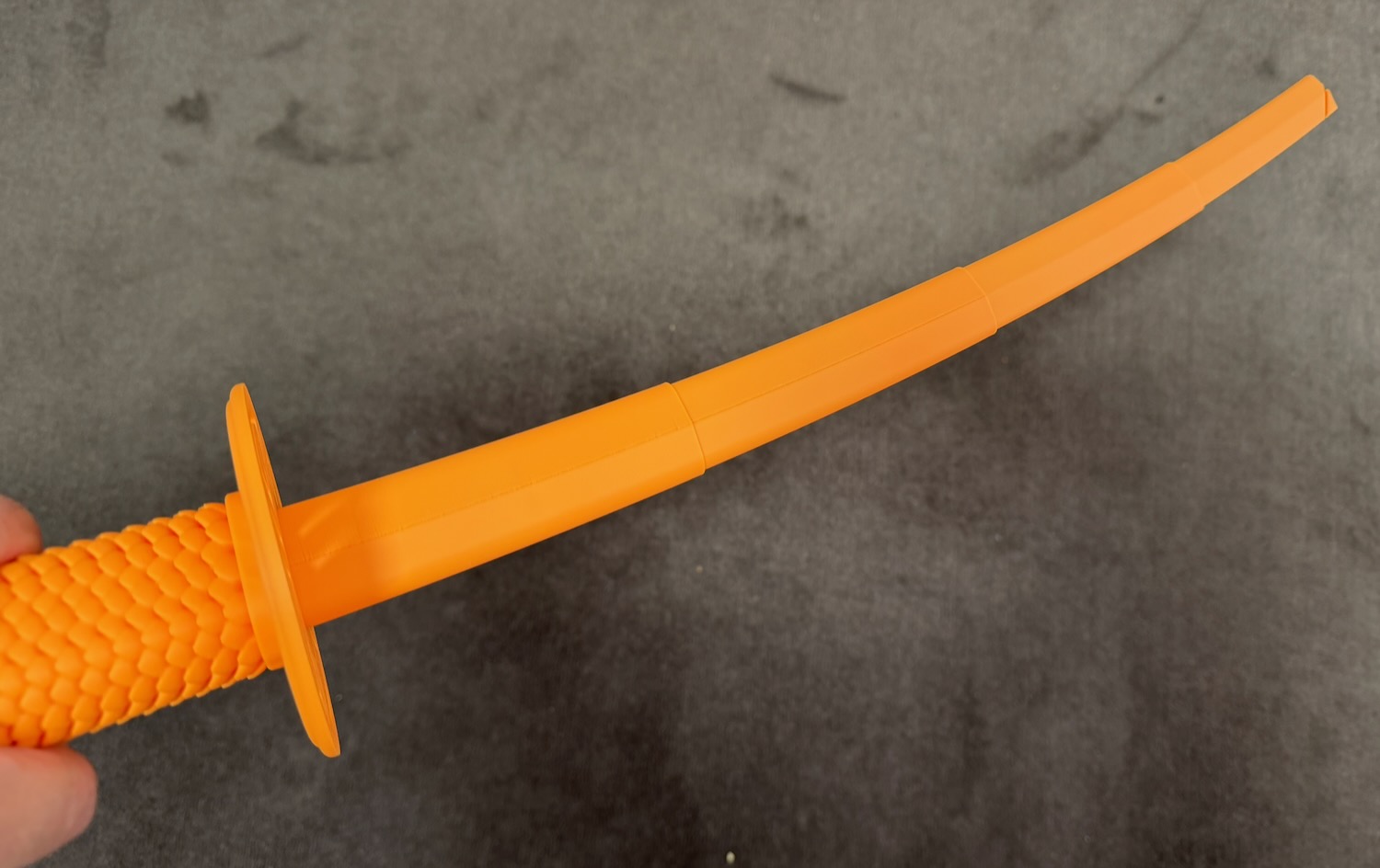
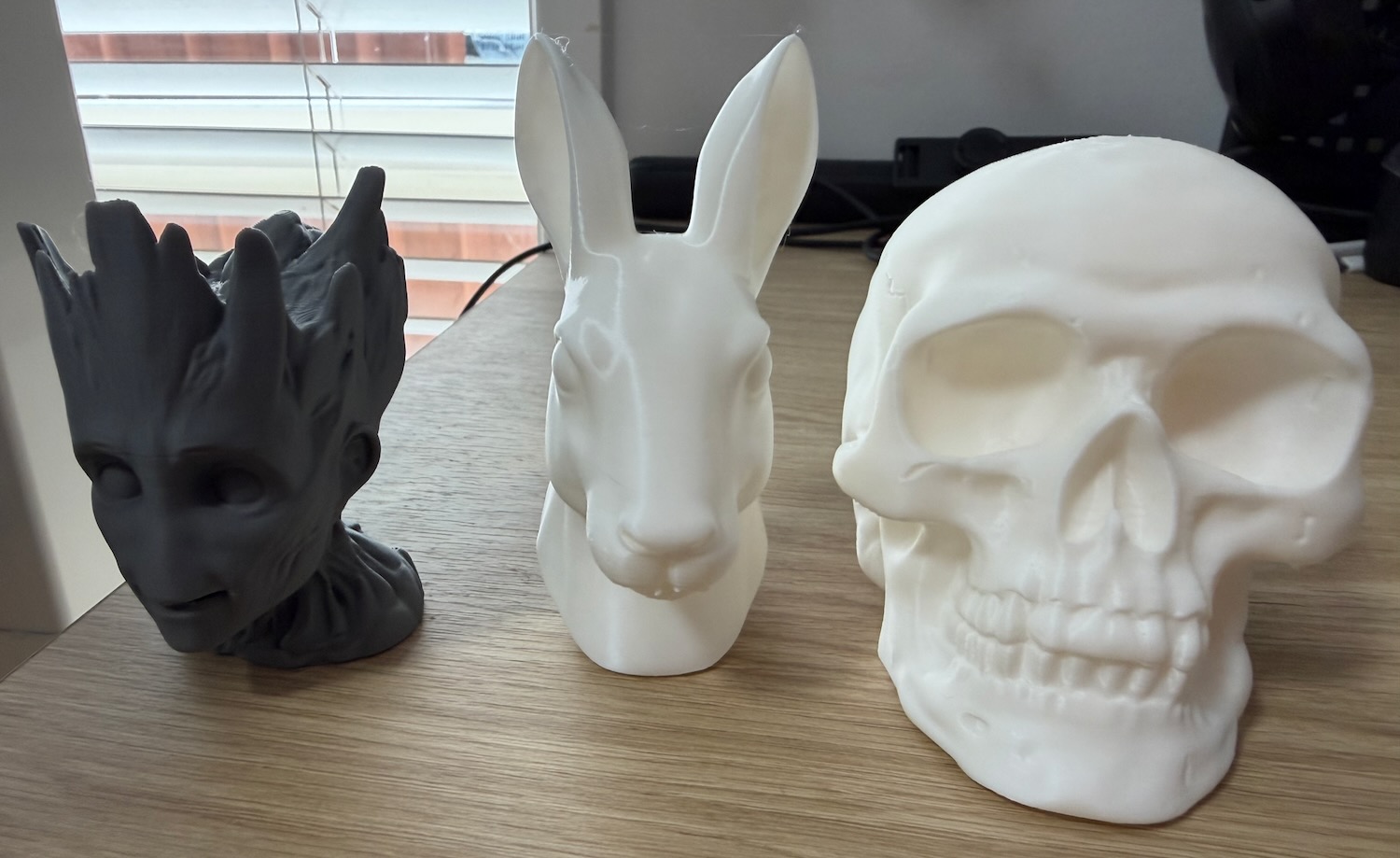
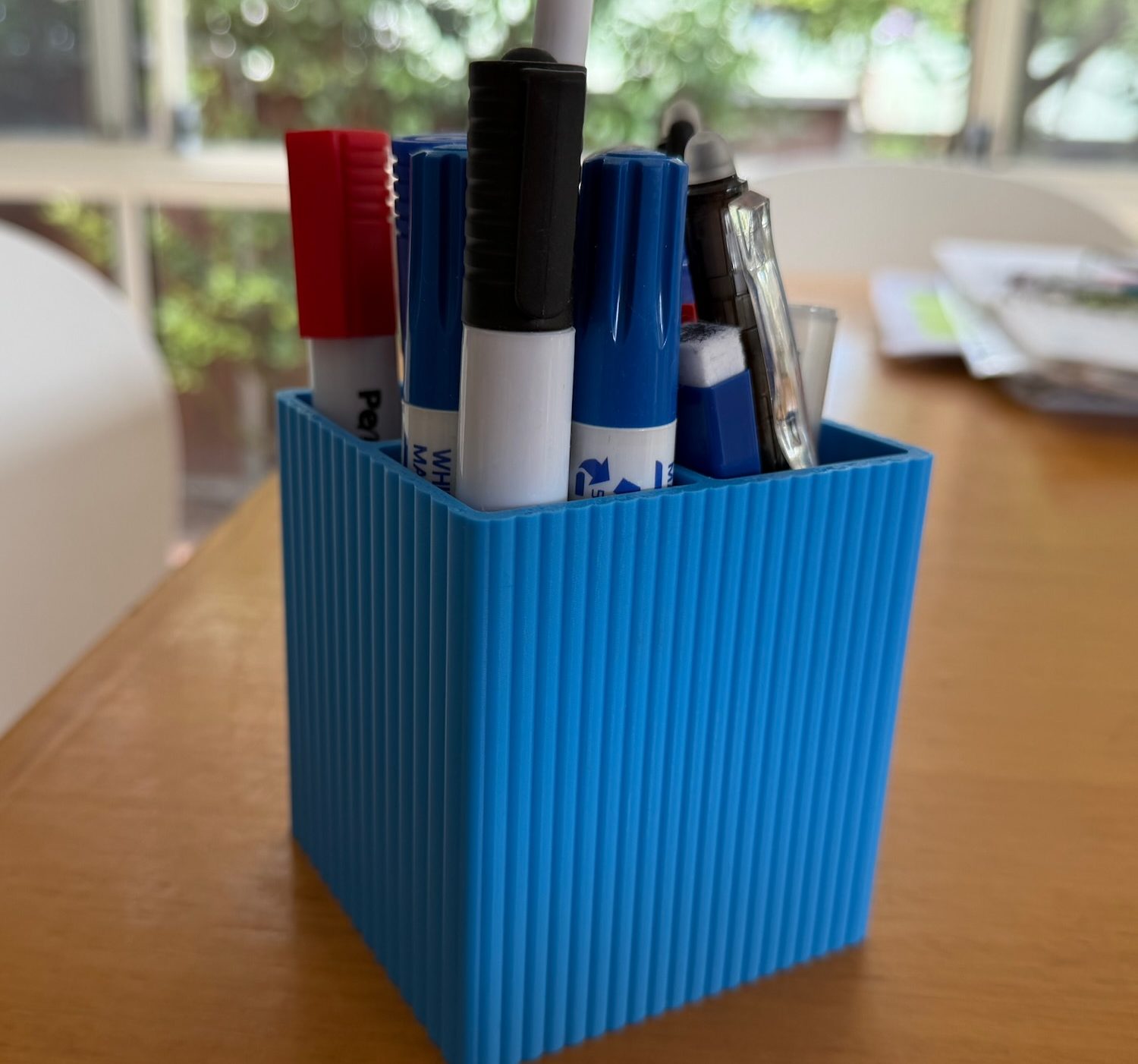
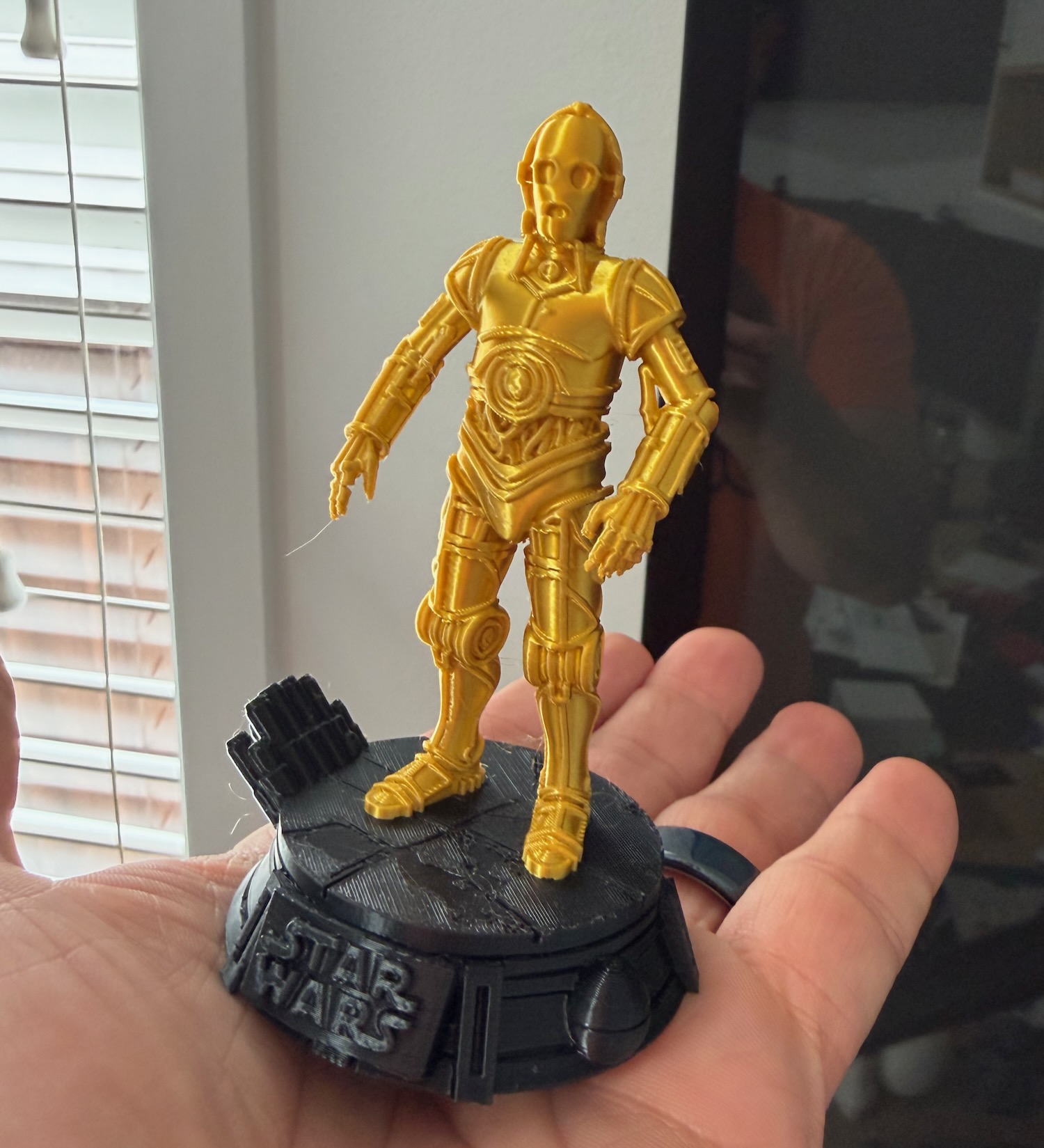
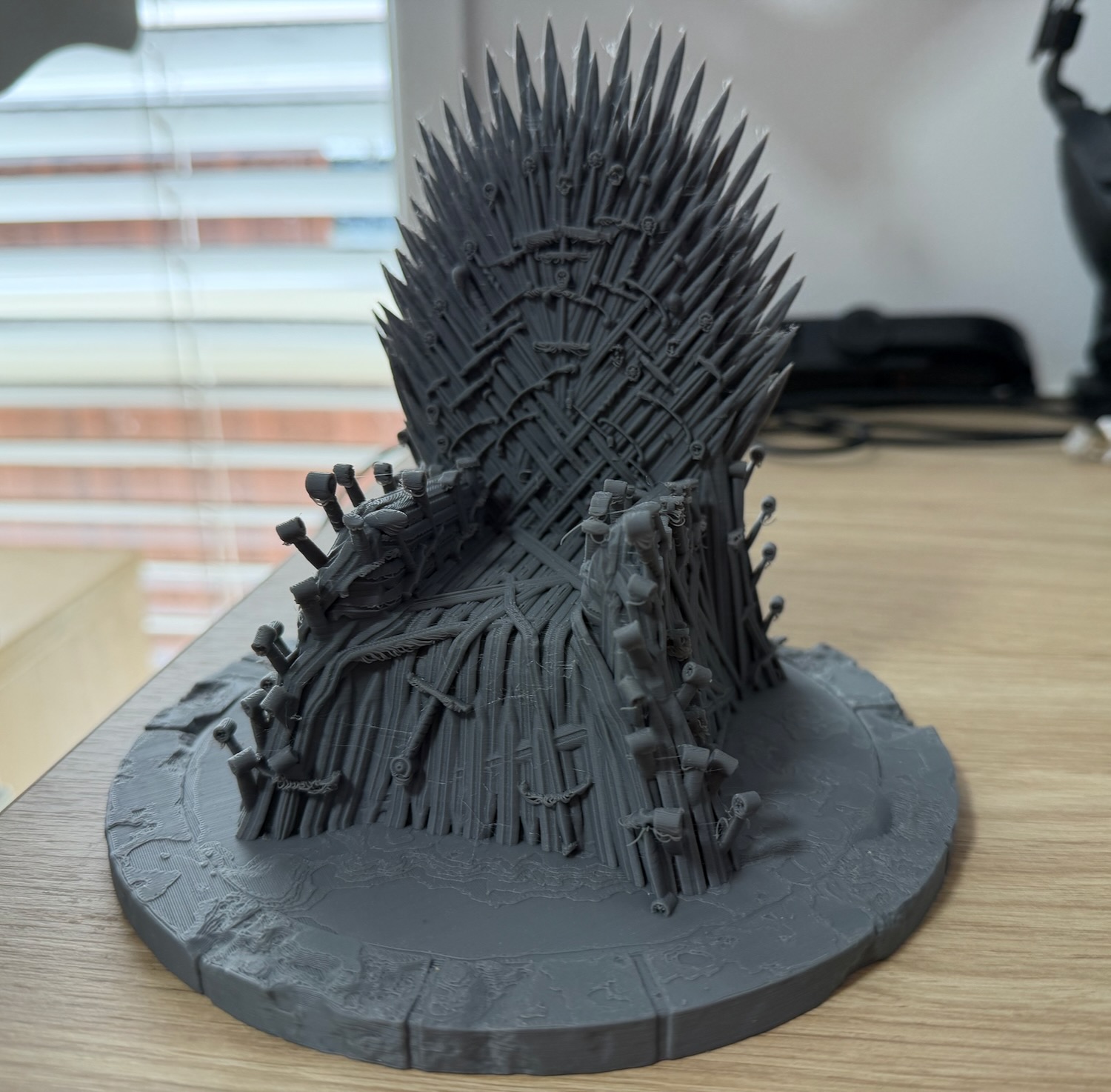
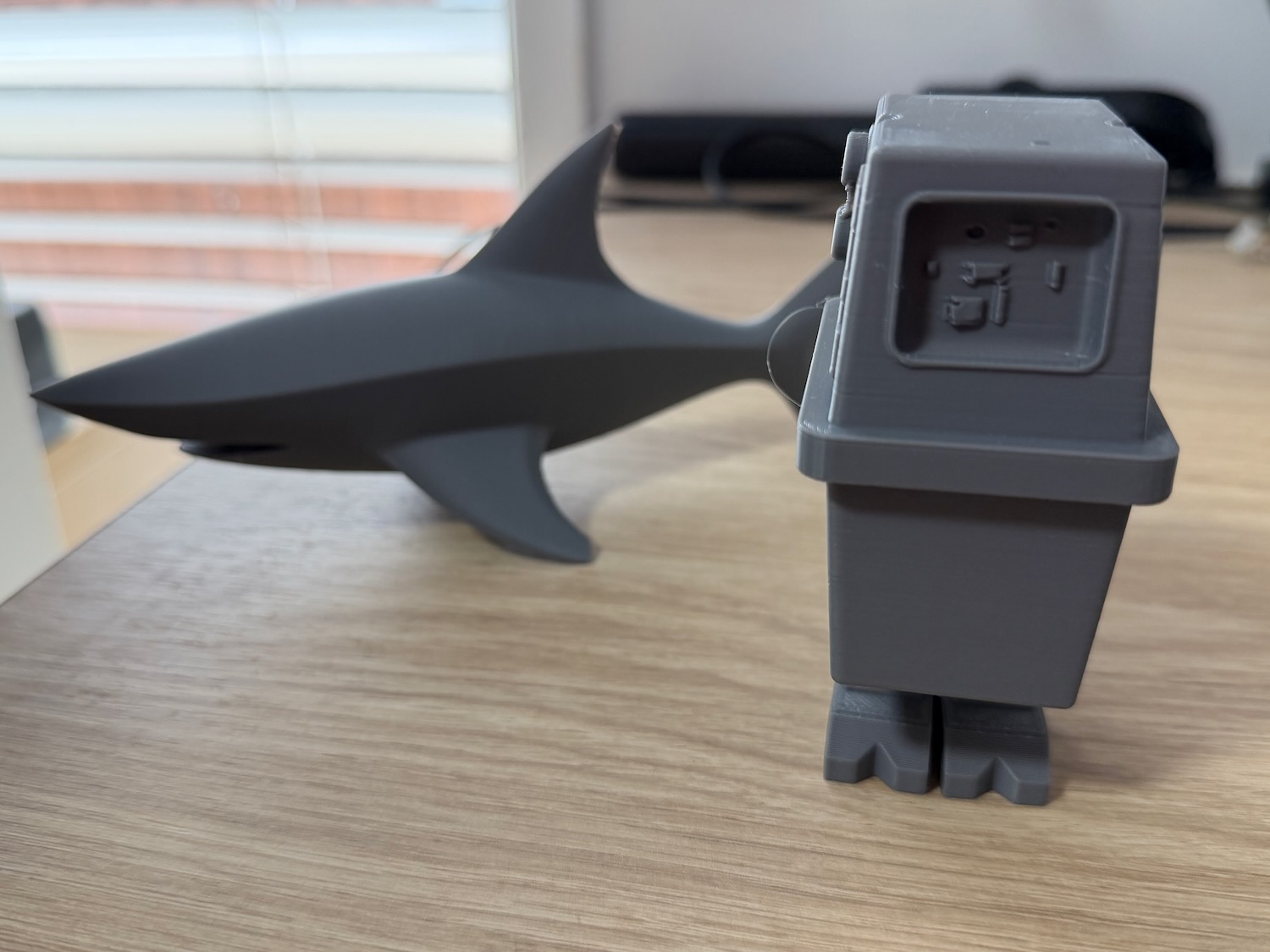
We’ve printed everything from kitchen utensils, pen and pencil holders, cupboard handles, fidget toys, Star Wars figures, logos, dinosaurs skulls, human skull, the Iron Throne from Game of Thrones, a shark – and even myself. More on that later.
To achieve a 3D print the H2C takes plastic filament that’s available on rolls and in various colours and qualities and puts them through a hotend which melts the plastic and layers it in lines as small as 0.2mm.
There are six swapable hotends that that be interchanged for various jobs and requirements.
And the printer is also smart to create supports so the print can extend further than the base. These supports are then easily removeable so all your left with is the pristine print.
What the H2C also offers is the ability to have up to seven colours on your print so you can really create some remarkable objects and figures.
This ability was only a dream a few short years ago when you could only print in one colour and then have to paint it.
Not anymore – it now comes out of the printer already in the colours you want.
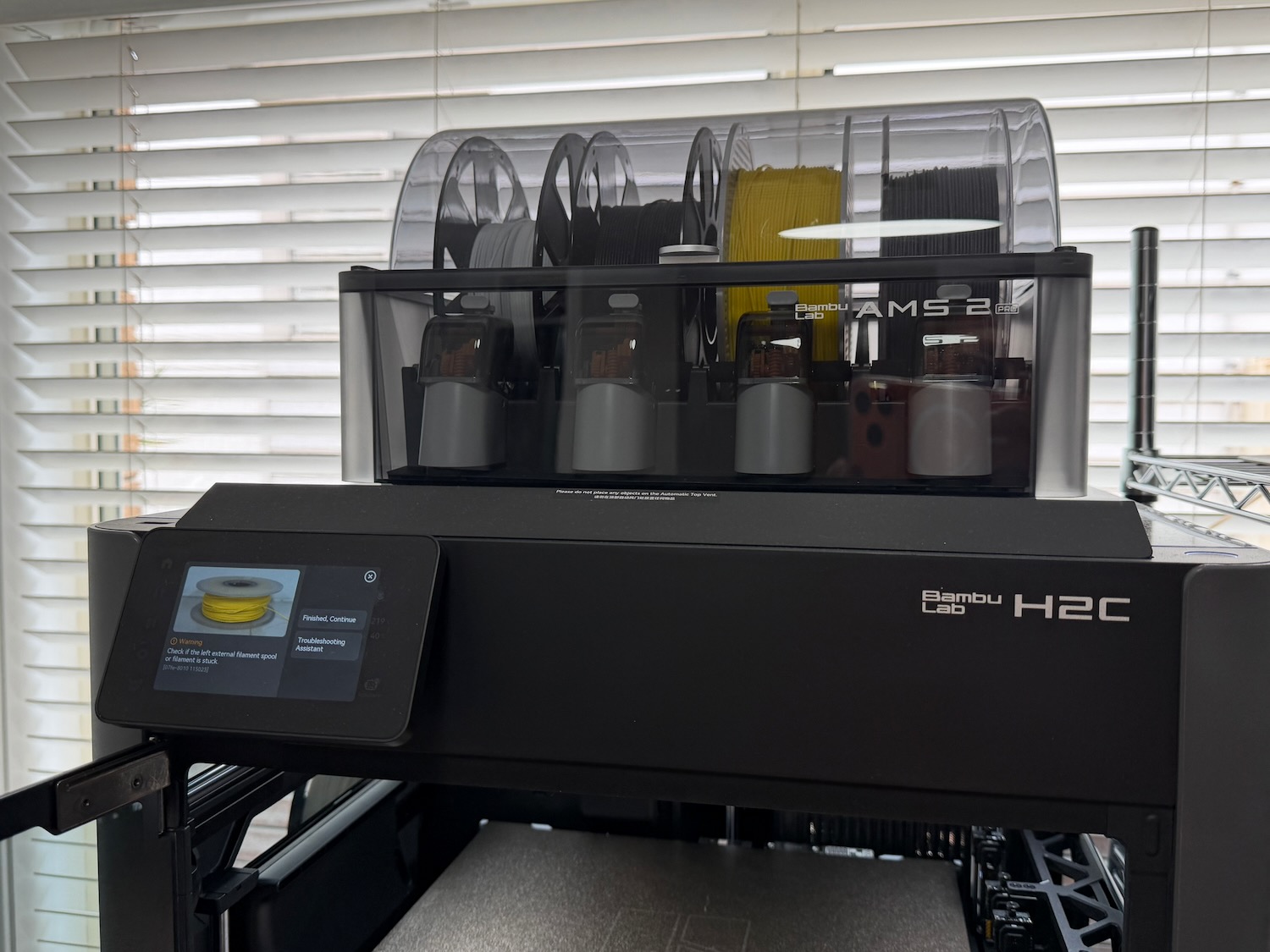
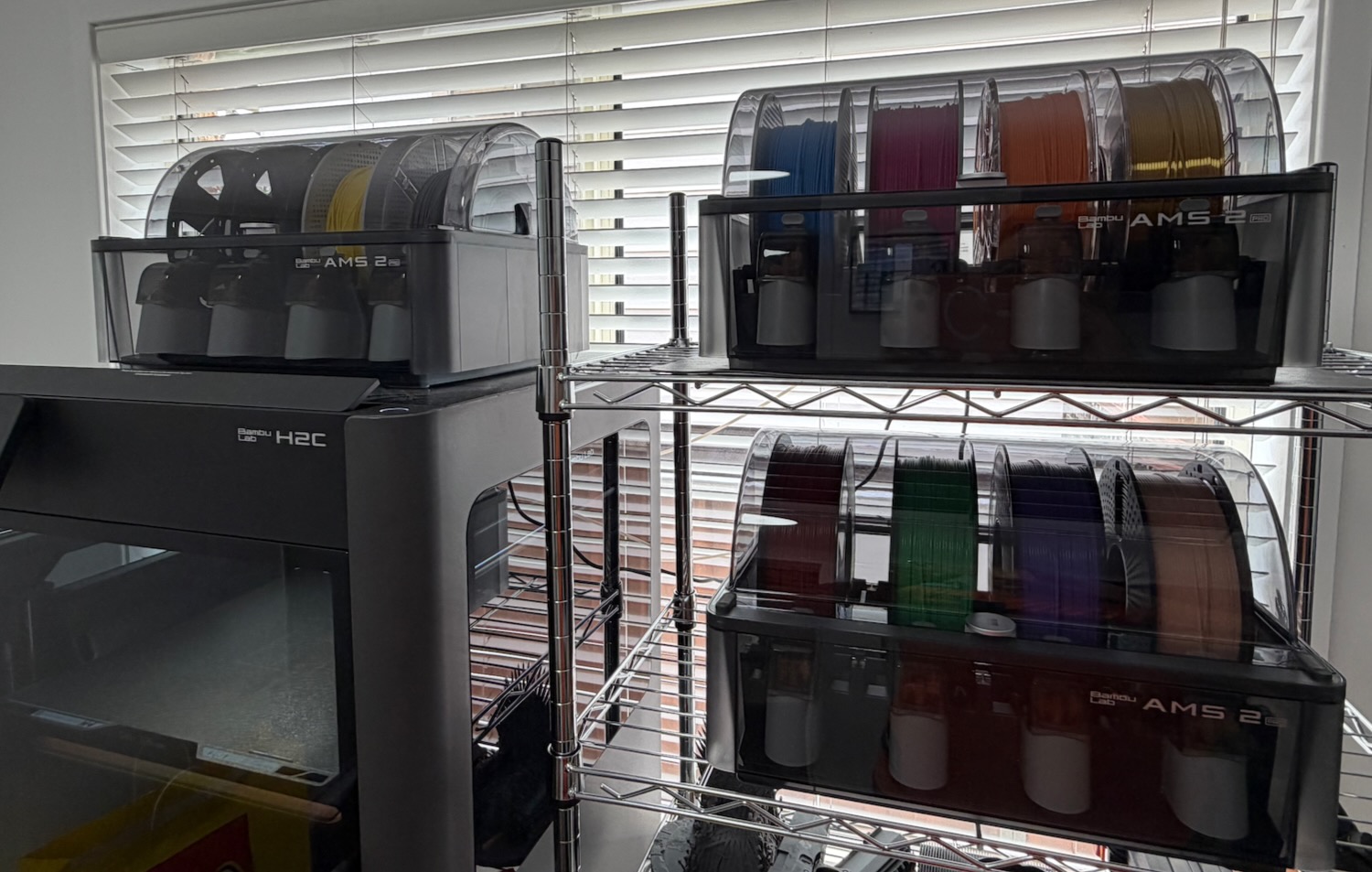
That ability comes from the external AMS 2 Pro which sits on top of or beside the printer and can hold up to four rolls of filament each.
The printer came with one AMS 2 Pro but we’ve since added two others in a daisy chain so we have 12 colours in there and a 13th available on the external spool.
You can max out the H2C to be able to have 24 roles of filament at your fingertips.
The general type of filament is PLA but there a lots of other classes and qualities of filament available to suit your project.
You may need something that’s flexible or stronger or that glows in the dark – you can achieve all that with the right type of filament.
Now where do we get the ideas and objects to print?
The Bambu Labs app Bambu Handy includes not only full control of the printer and a way to monitor the print remotely through the onboard camera, but also offers access to a huge online community called MakerWorld where prints of every description can be accessed and sent to the printer to turn into a three dimensional object.
We’re not quite at the stage where we’re designing our own 3D objects and printing them but I aim to learn more and increase my skills.
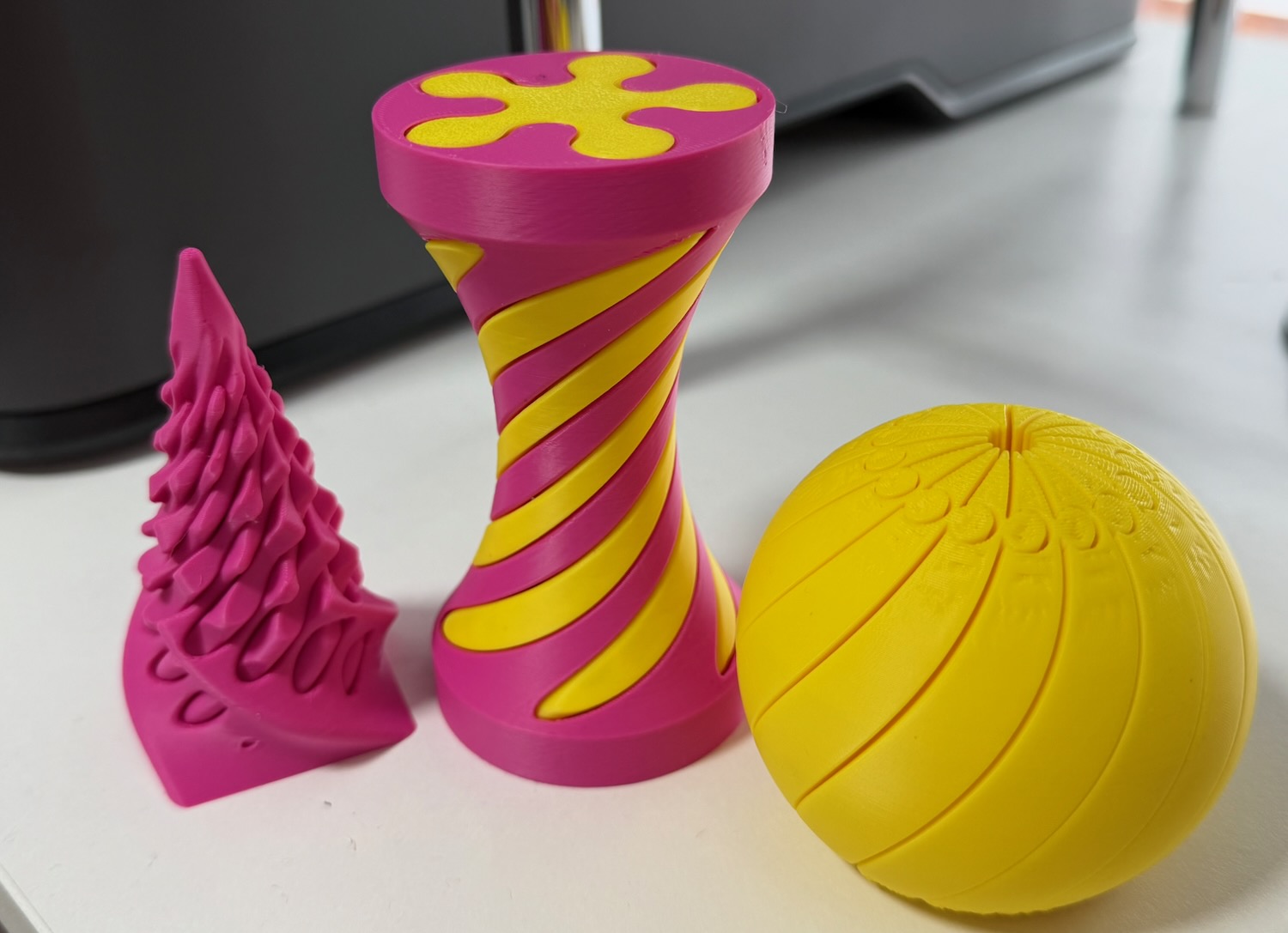
We’ve produced fidget toys and balls which showcase the precision of the prints the machine can produce.
These parts all have to move closely and accurately and they all do just that.
And the finish is smooth and slick like you just bought it off a shelf in store.
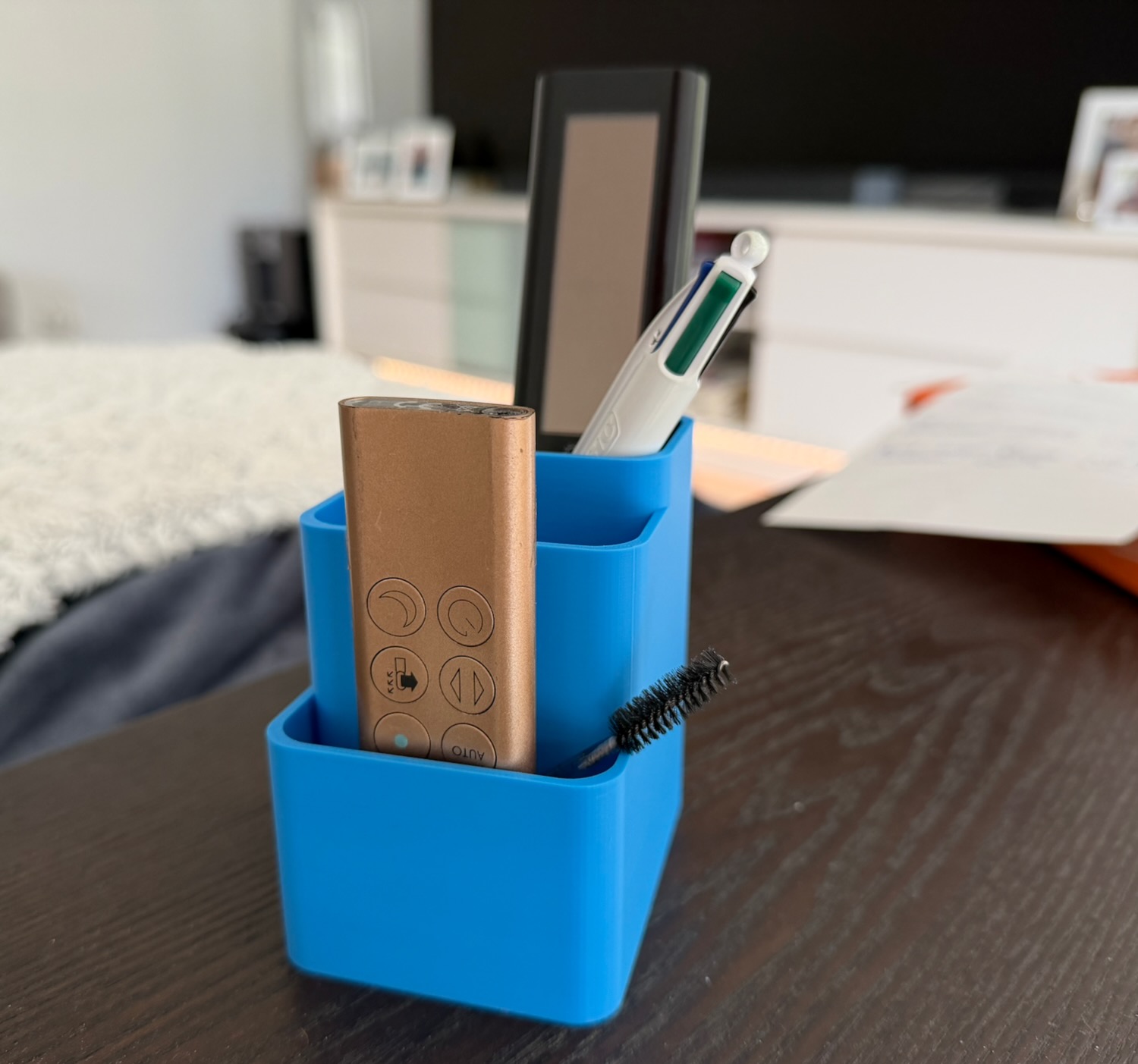
I’ve printed a remote control holder to make it easier to access the remotes and store our glasses.
I also made a pen holder and a pencil box with a slide on lid.
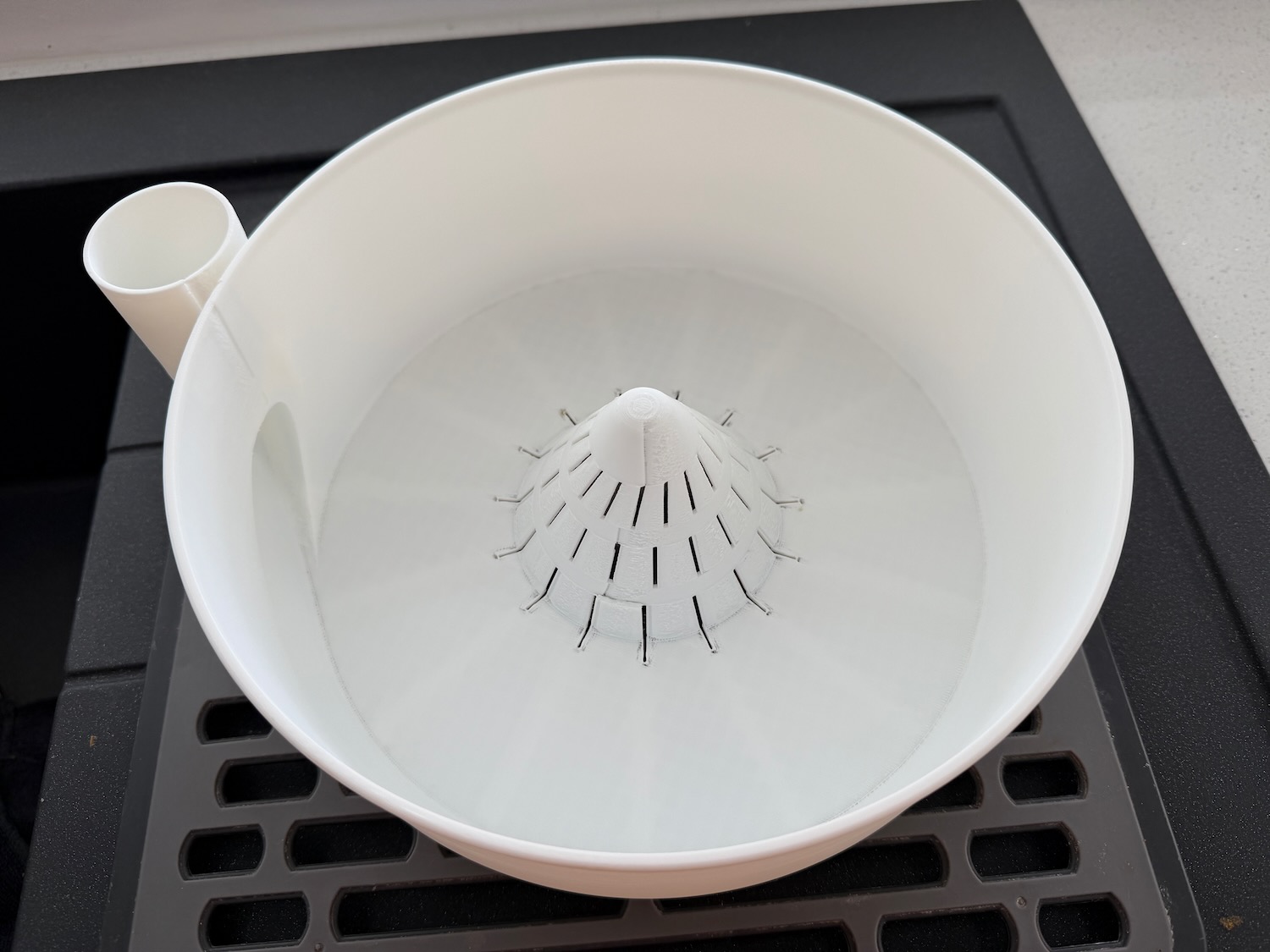
My wife loves blueberries and strawberries so I printed her a colander that takes water in from the tap and creates a swirl inside to wash them thoroughly.
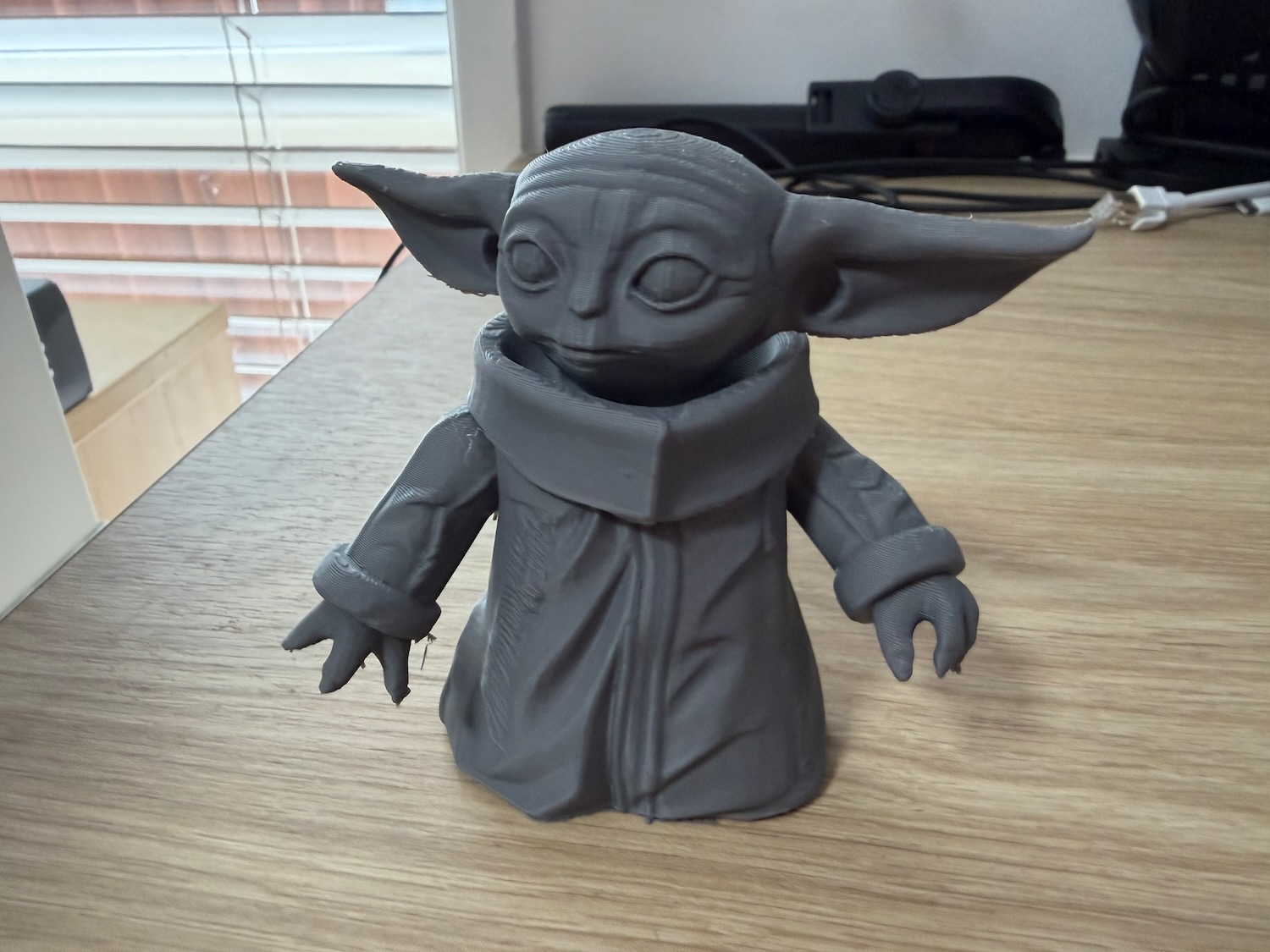
Apart from the practical things we could print and use around the house there were also a few figures and decorative objects that are available through the Bambu Handy app.
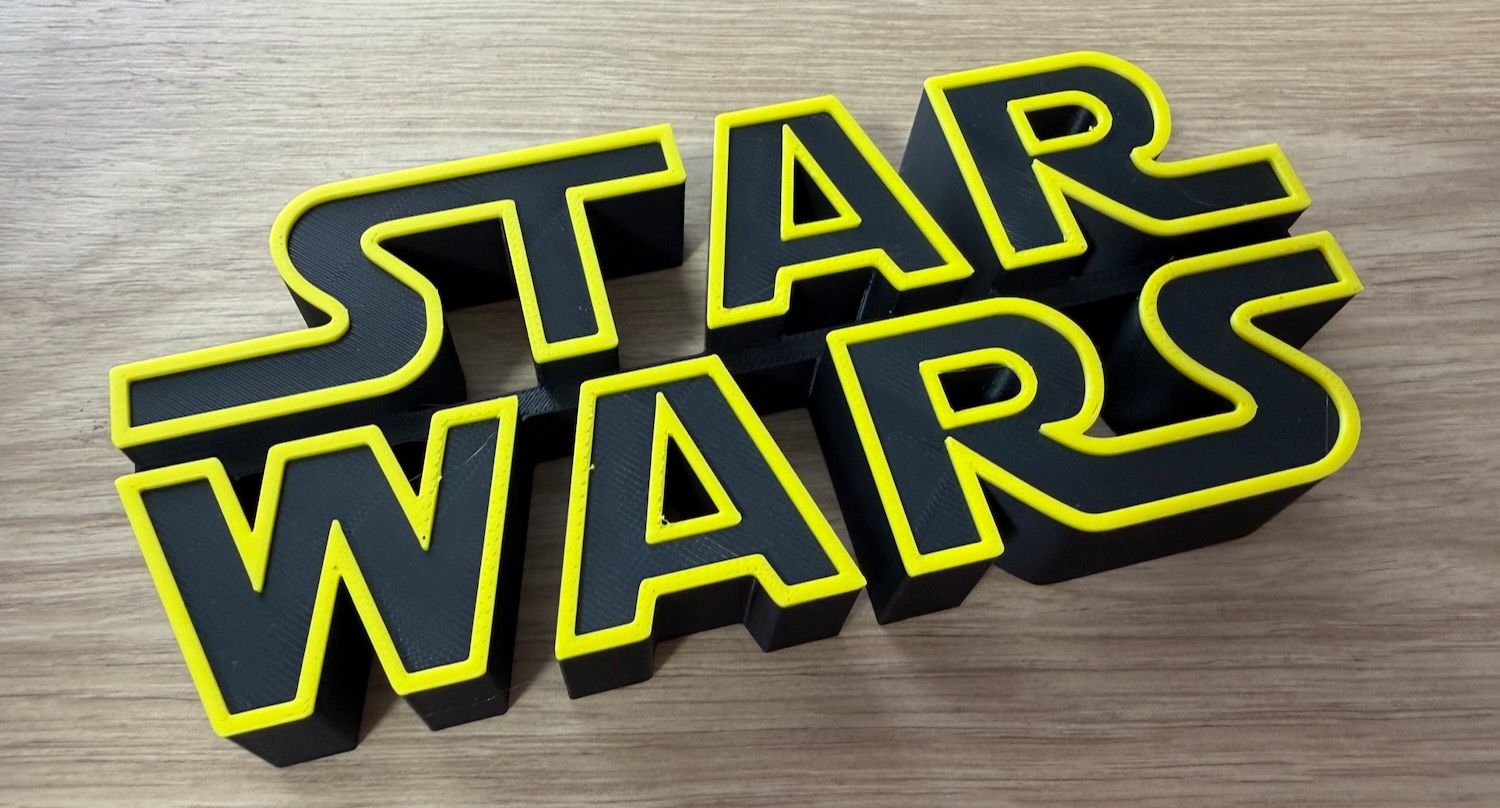
We love Star Wars so you better believe we printed a 3D Darth Vader wall tile, a Yoda bust, a Grogu figure and C3PO.
My next task is to print some ships. These are a little larger and require several plates. A plate is the printable area of the printer.
In the case of the H2C, that space is a generous 330mm x 320mm x 325mm – that’s among the biggest printing areas you can find on average.
So those larger objects are cleverly designed in separate pieces before we put them all together at the end of the line.
Some prints can take a few minutes and the larger prints a few hours – our longest print for the detailed Darth Vader relief tile was 25 hours.
But on average for objects big enough to fit in your hand its between two and six hours depending on the size, shape and colours.
Remember earlier I said I printed myself. Well, let me explain.
I came across a statue print in the Bambu Handy app and all it required was for you to upload a photograph and it would turn it into a print for you.

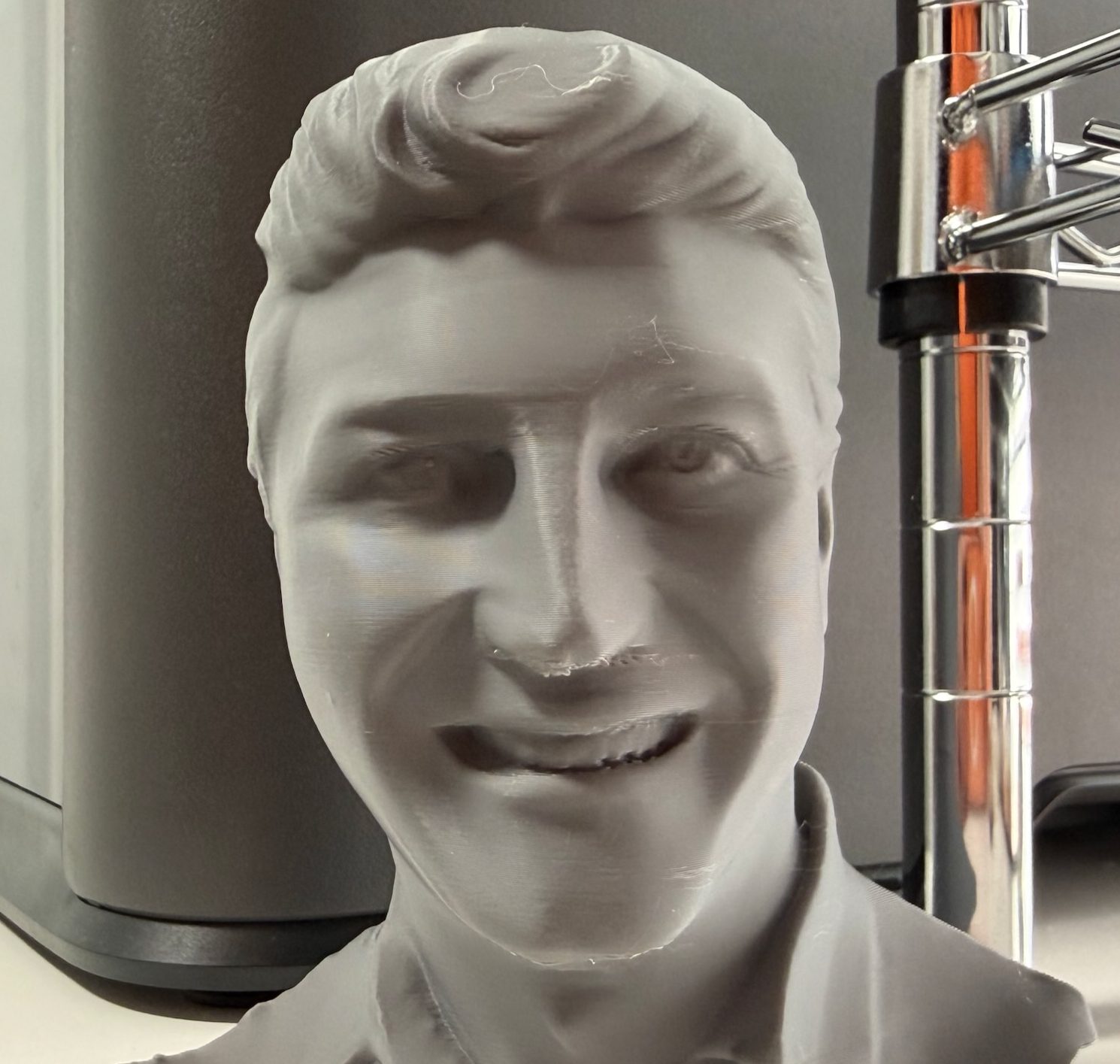
You can judge for yourself the accuracy – I have placed the image I used the final print side by side. I think it did a pretty good job.
The H2C printer is of such high quality it can produce professional grade prints.
If you’re a designer or an engineer you can print out prototypes and other objects you’ve designed so you can literally get a feel for them and hold them in your hand.
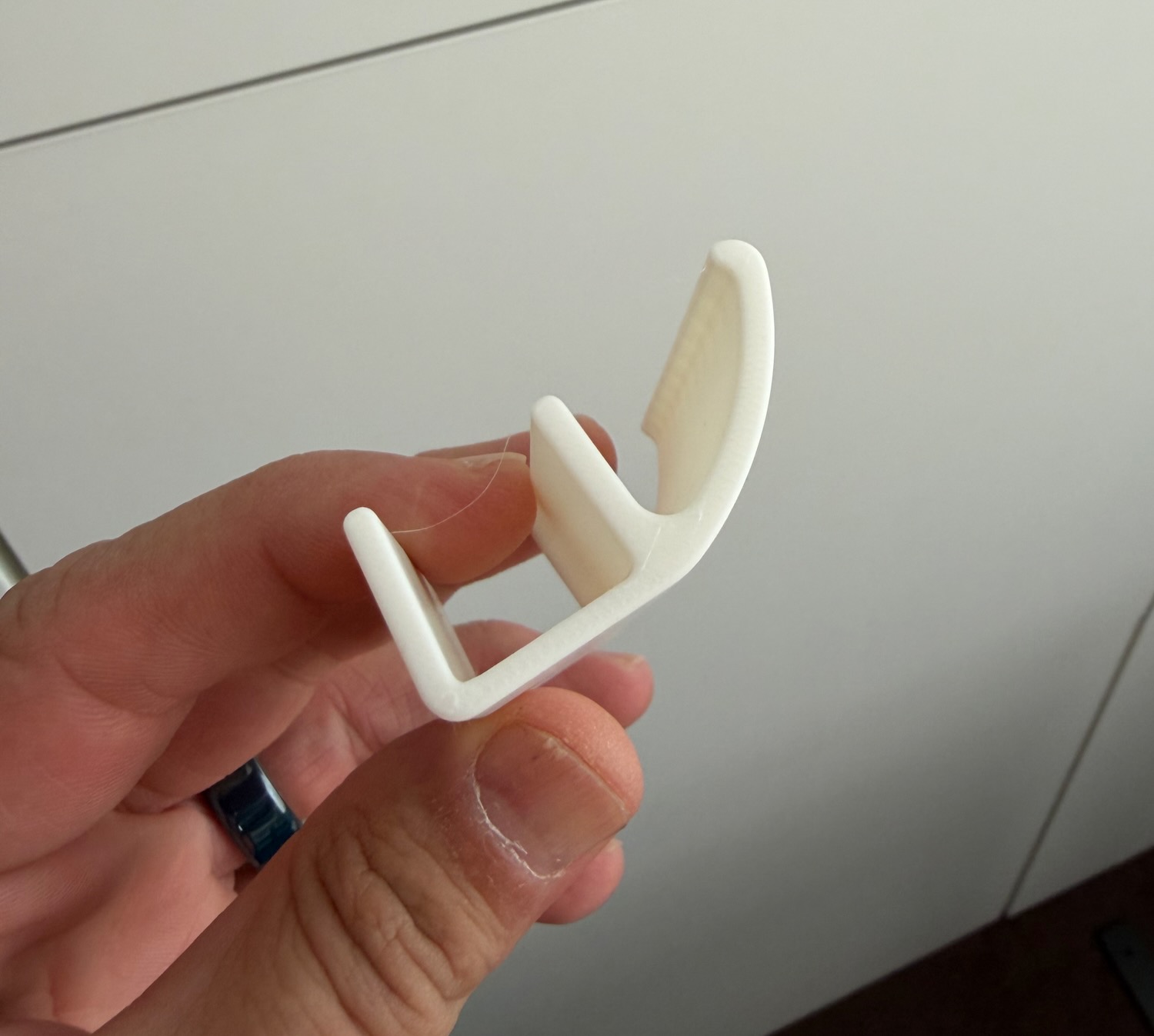
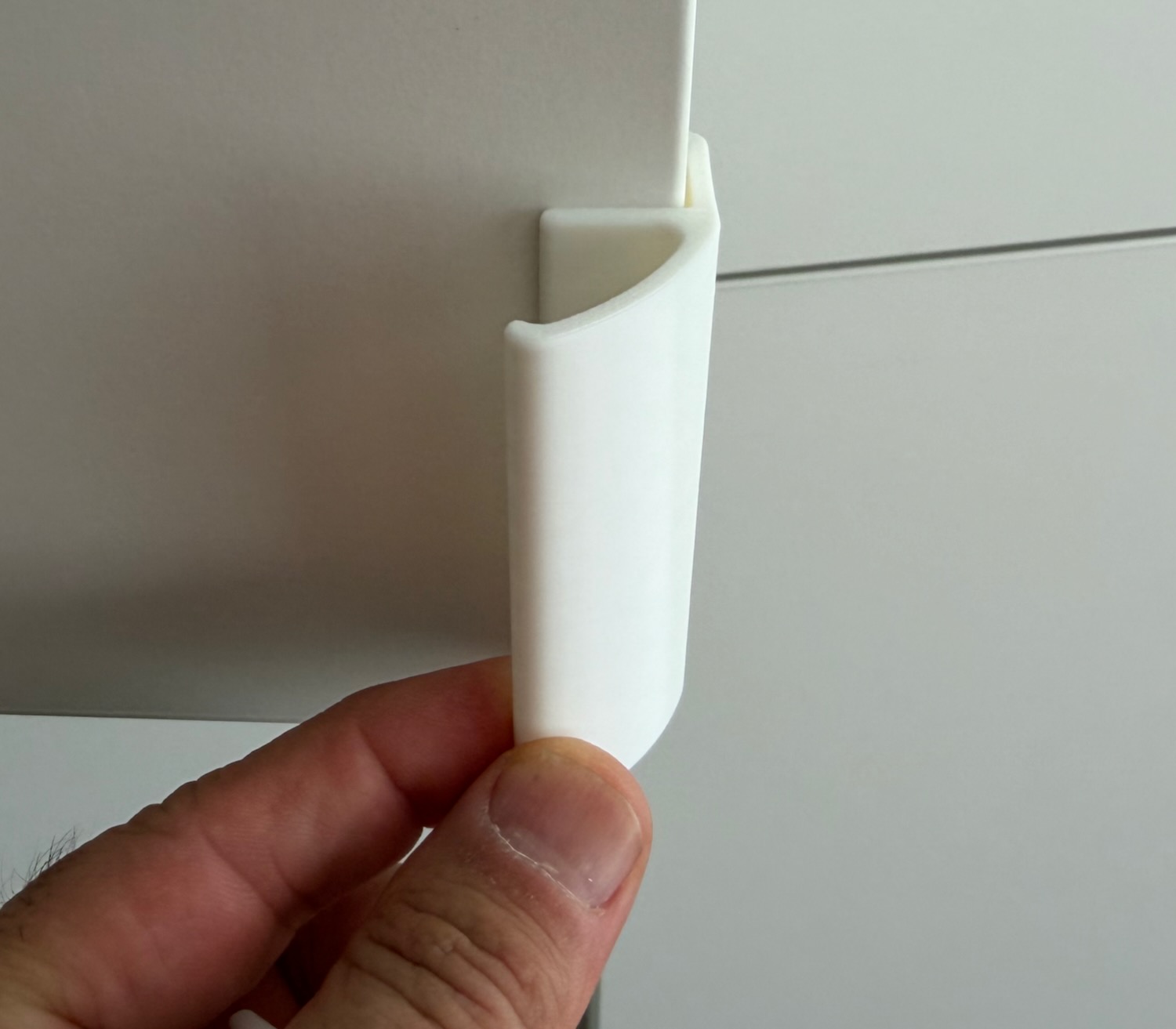
Other entrepreneurial users might decide to come up with their own 3D objects, tools and trinkets and sell them online.
It has been a pleasant and easy experience with the H2C but there were times we needed support to remove clogged filament.
When there is an error there is a notification on the printer’s display and on the app along with a QR code that takes you to the specific page on the Bambu Lab support page to troubleshoot step by step.
Our issues were only minor and, once we understood a little more about what’s connected to what and how the filament can make its way into the printer, we haven’t looked back.
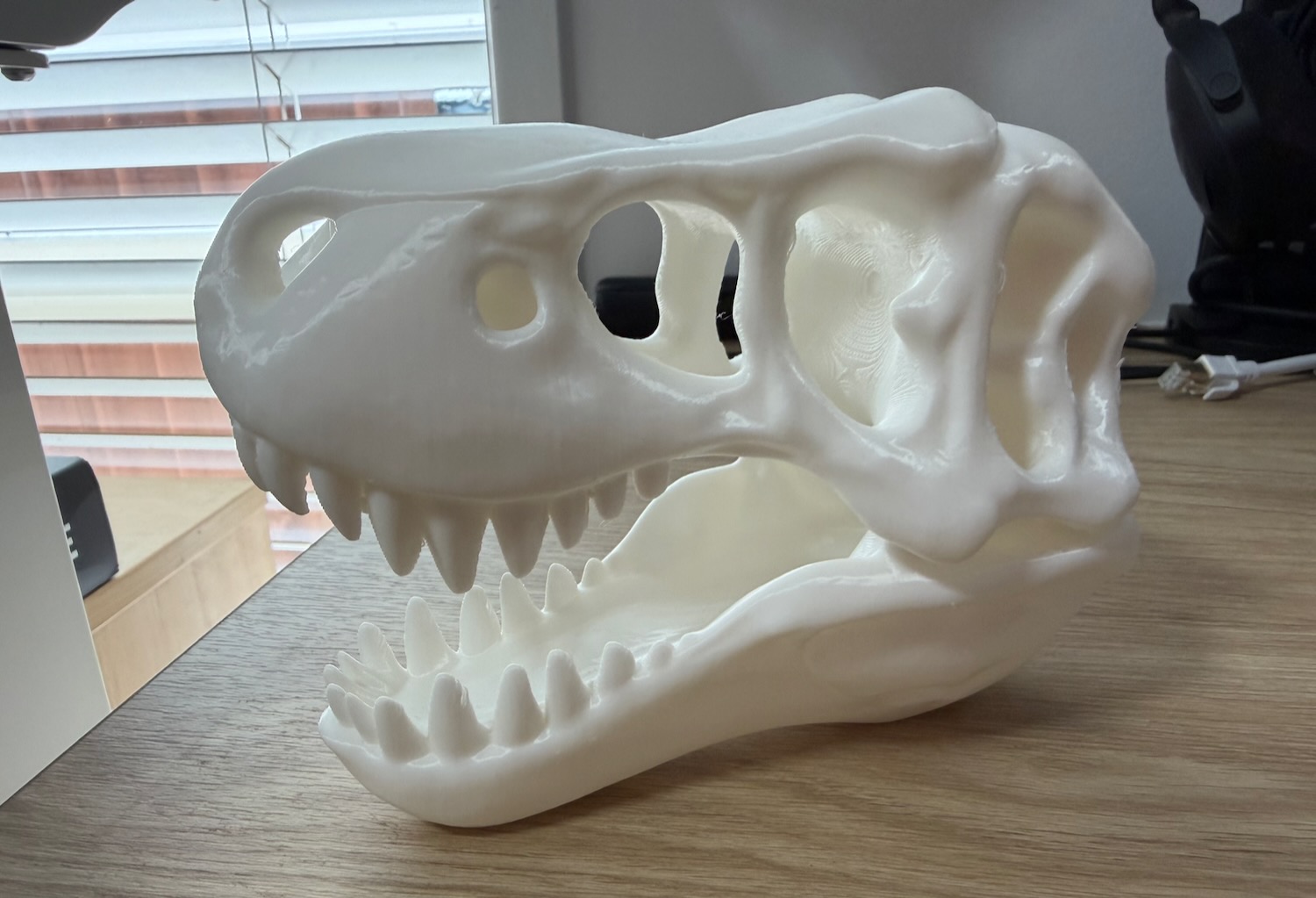
There were some prints that we had abandon because it either lost grip on the plate or developed a spaghetti problem – the latter is when the print goes off the rails and just produces stringy plastic.
But this was a rarity.
The H2C is a beast – it worked day in and day out. In fact, I felt like I had to be printing something every day to make the best use of it.
If we were not using it every day we were missing out.
A favourite feature of the H2C is the ability to capture timelapse videos of your prints as you can see in our video.
It’s an excellent way of keeping track of your prints and appreciating the process.
There’s a USB port where you can attach a thumb drive or portable SSD and capture the footage.
But one annoying thing was having to reformat the drive every time we reconnected it – and when we did reformat it, it said the drive still needed formatting.
Another thing you need to realise is that a 3D printer is a bit like a pet – you sometimes have to clean up after it.
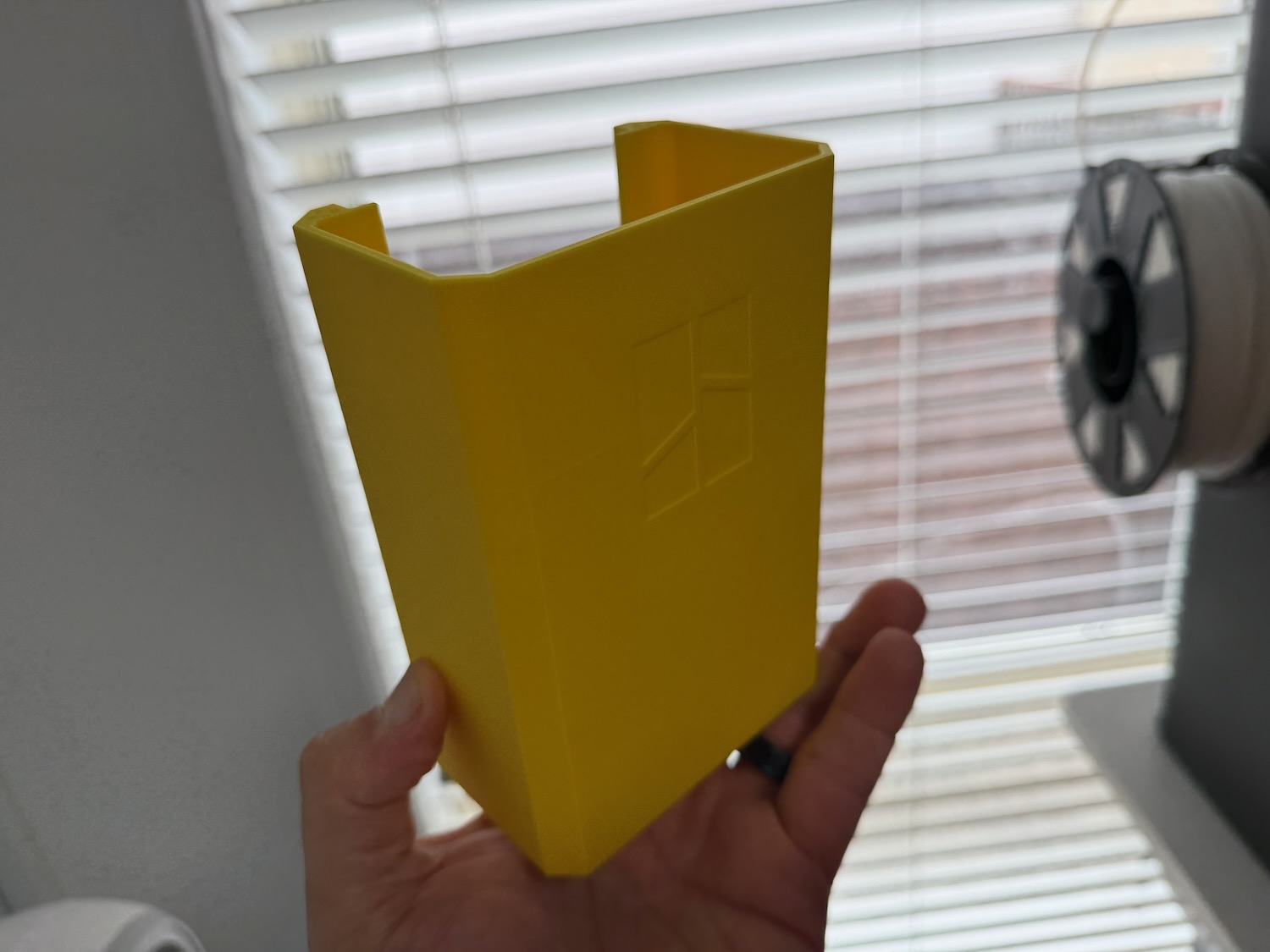
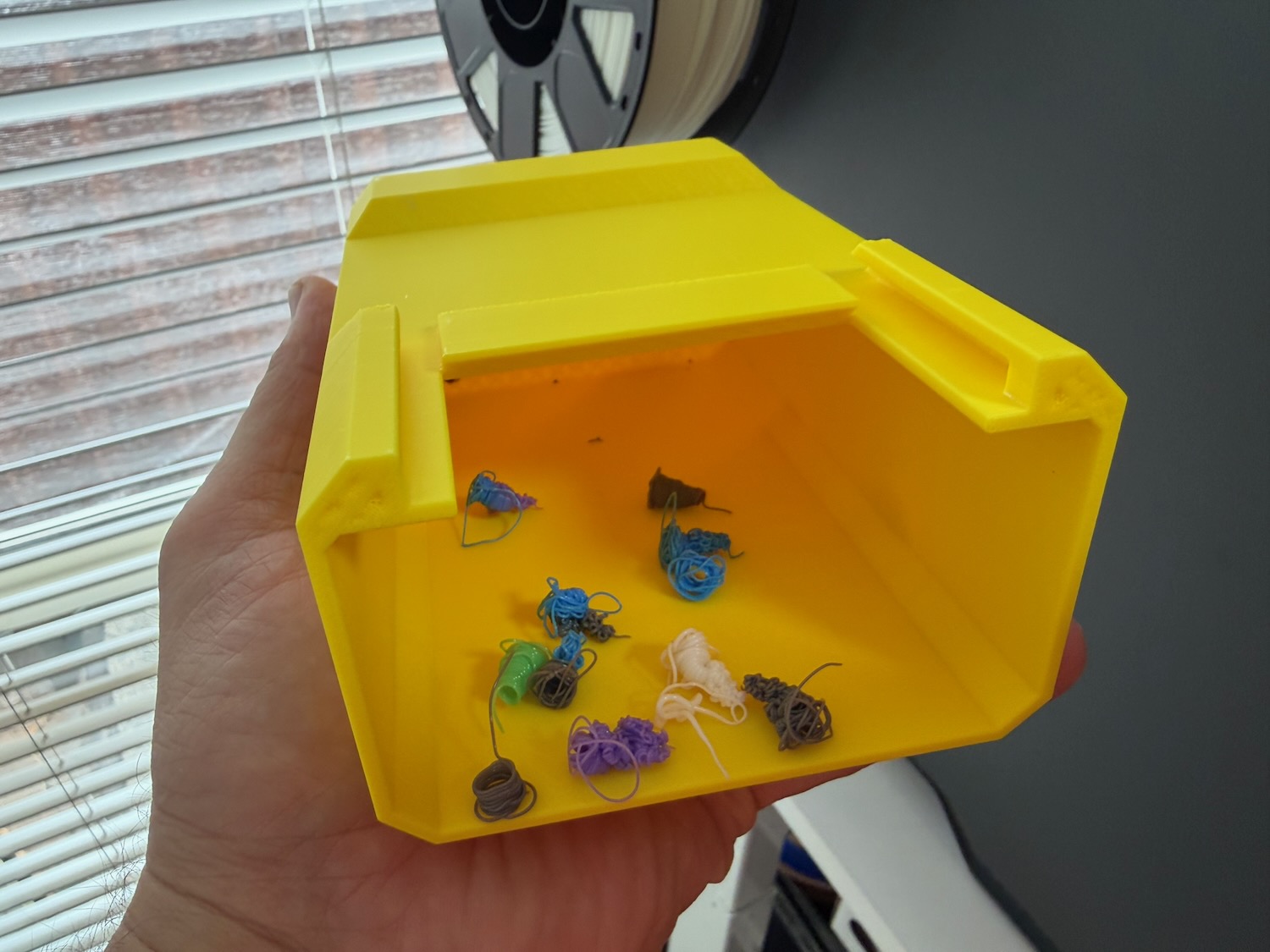
There is a chute at the back of the printer – widely known among owners as the poop chute – where the printer send its excess filament which are usually wound tight in small clumps.
Naturally we used the H2C to 3D print a box that sits at the rear panel and collects this waste.
For us, using the H2C has become a daily exercise to see what I can print for my own entertainment and to use around the house.
My latest print is a set of handles for an IKEA cupboard I bought recently.
Sure I could have bought those handles but I take far more pride in being able to create them myself and save a little money in the process.
The Bambu Lab H2C is available now and is priced at $3,699.
VERDICT
The Bambu Lab H2C has taken 3D printing to another level and will astonish you with the results. Whether you are printing for your own enjoyment, as a professional or creating objects that can be used around the home – the H2C can easily become an indispensable tool for many households.
