


We just saw the future of 3D virtual communication that felt so lifelike and real it was like the other person was in the room. It’s called Google Beam and HP Dimension is going to make it accessible to businesses around the world.
Something that was only seen in science fiction films and TV shows is now a reality and we saw it during the HP Imagine event in New York.
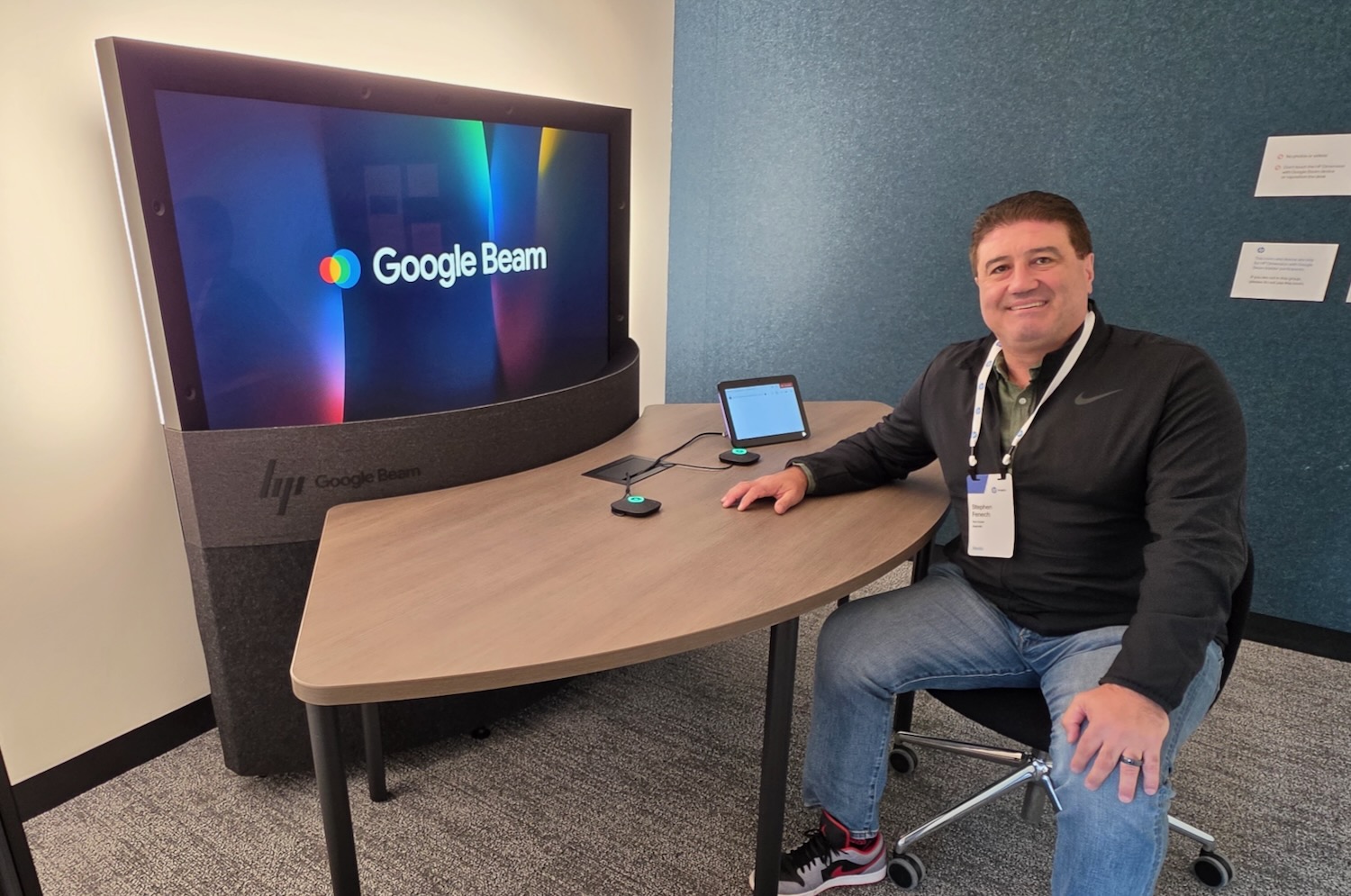
HP has started working with Google as an executive launch partner to help bring the breakout technology to market.
Tech Guide experienced a Google Beam call – and it was nothing short of incredible.
We were talking to a woman who was in Austin, Texas while we were in New York City and it felt like we were in the same room.
And the call was in 3D but there was no need to wear glasses for the person to be clearly viewable.
And the quality was maintained even if they moved around within the frame.
This lifelike-meeting technology can be used in several ways, including business meetings and presentations.
The user can put a presentation in the top left or right corner and still be seen in clearly in 3D.
This will also mean the potential for higher conversion rates after business meetings and presentations compared to traditional video conferencing.
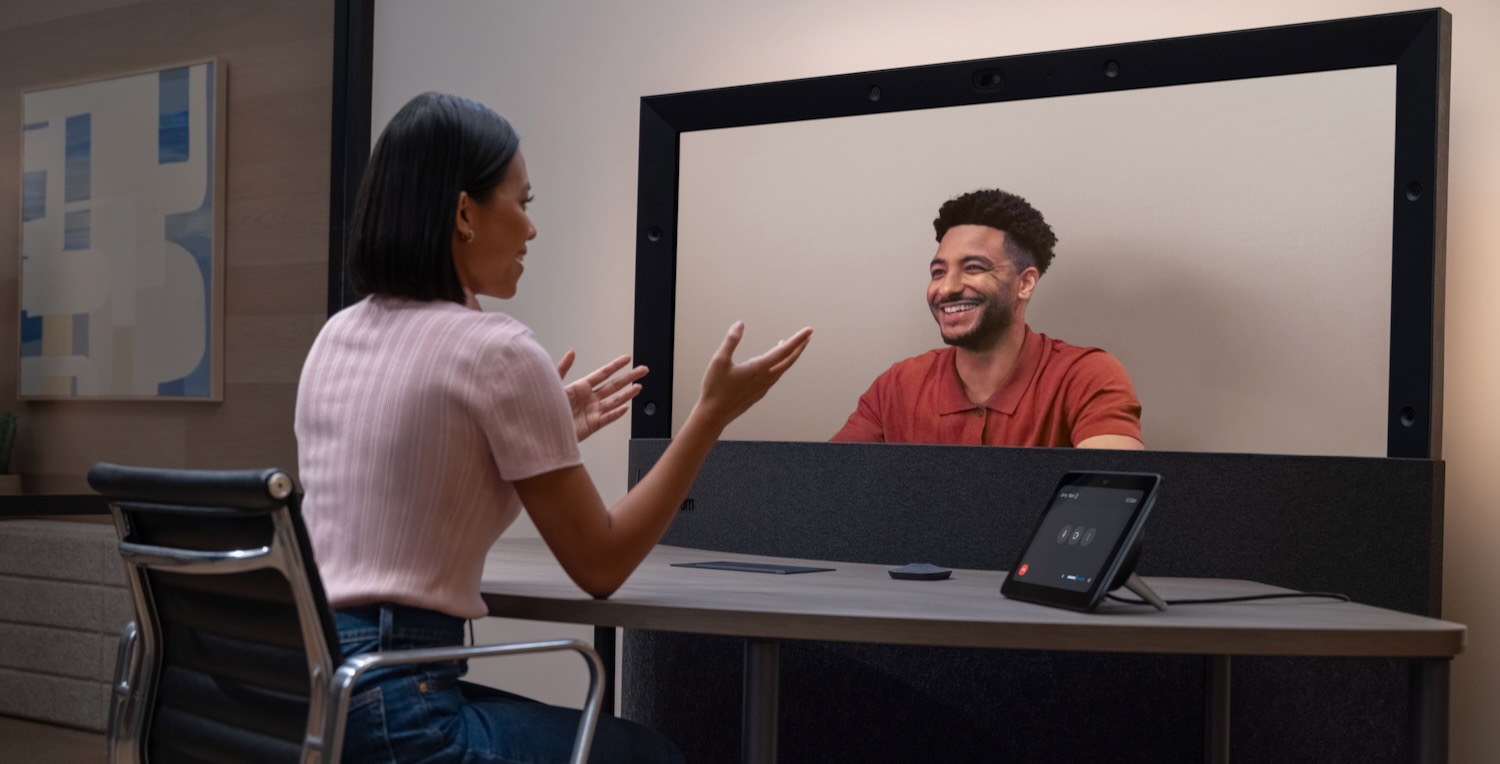
The potential for this technology is huge and use cases that spring to mind include telehealth appointments, job interviews, business meetings and conferences.
So why would this device be made? HP says it is to transform those calls and meetings into a more intimate, natural, and more personal experience.
Studies have shown that there is a 39 per cent increase in non-verbal communications displayed during meetings.
Google Meet can offer quantifiable improvements in the effectiveness of the meetings.
Because it is like meeting in person, there is, according to studies, a 14 per cent improvement in focus of the meeting partners and a 28 per cent enhancement in the recall of the meeting contents and decisions.
During our call, which lasted for about five minutes, we were able to look the other person in the eye and see them as if they were seated opposite us in the same room.
And with the 3D so lifelike we quickly forgot we were talking to a screen.
So how does it work?
To make a 3D call like this both parties need to be using the Google Beam technology which uses specialised cameras and sensors along with AI and 3D rendering algorithms to simulate that in-person experience.
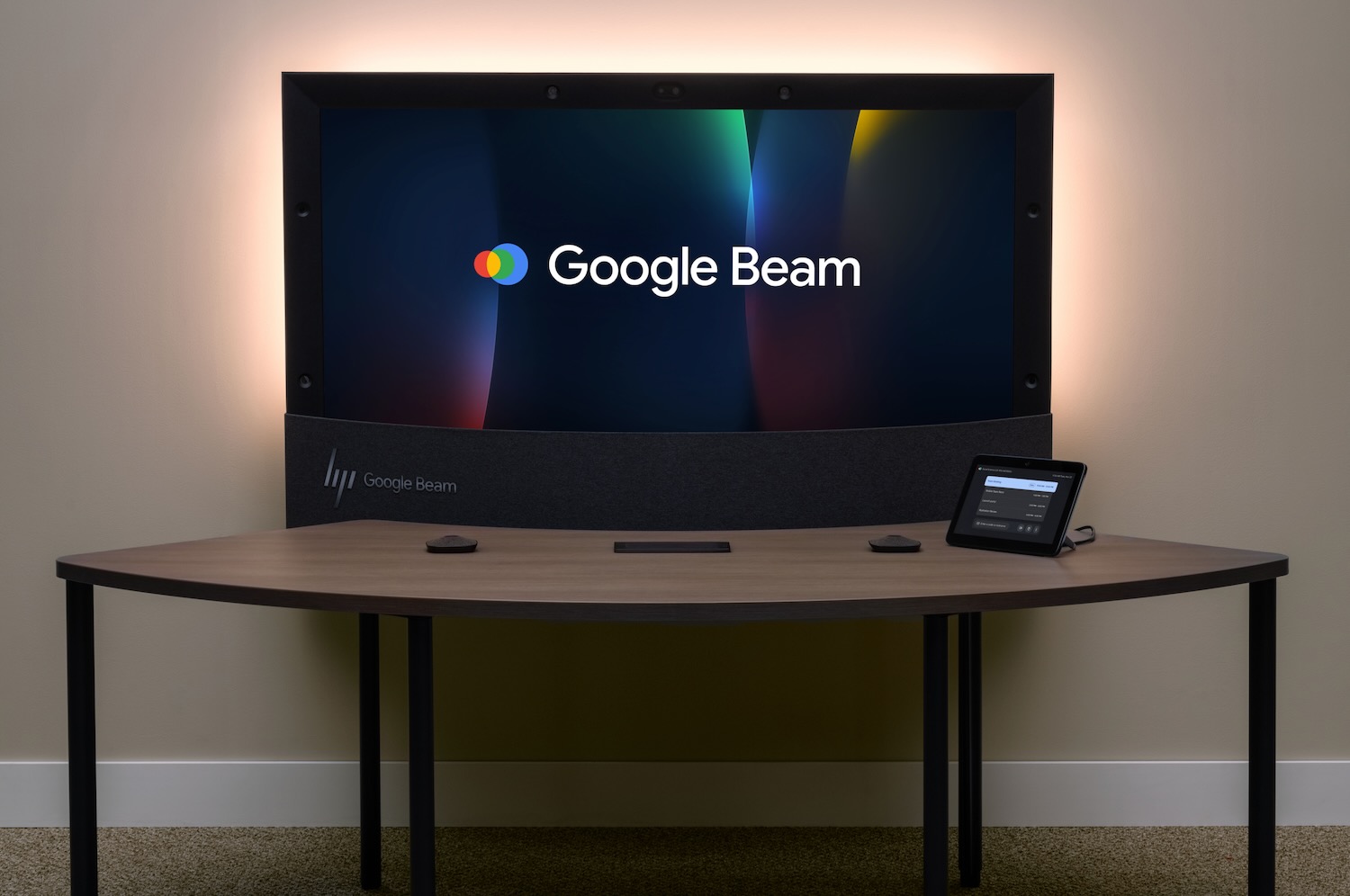
Google Beam uses machine learning to create real-time depth maps that preserve a person’s features and gestures.
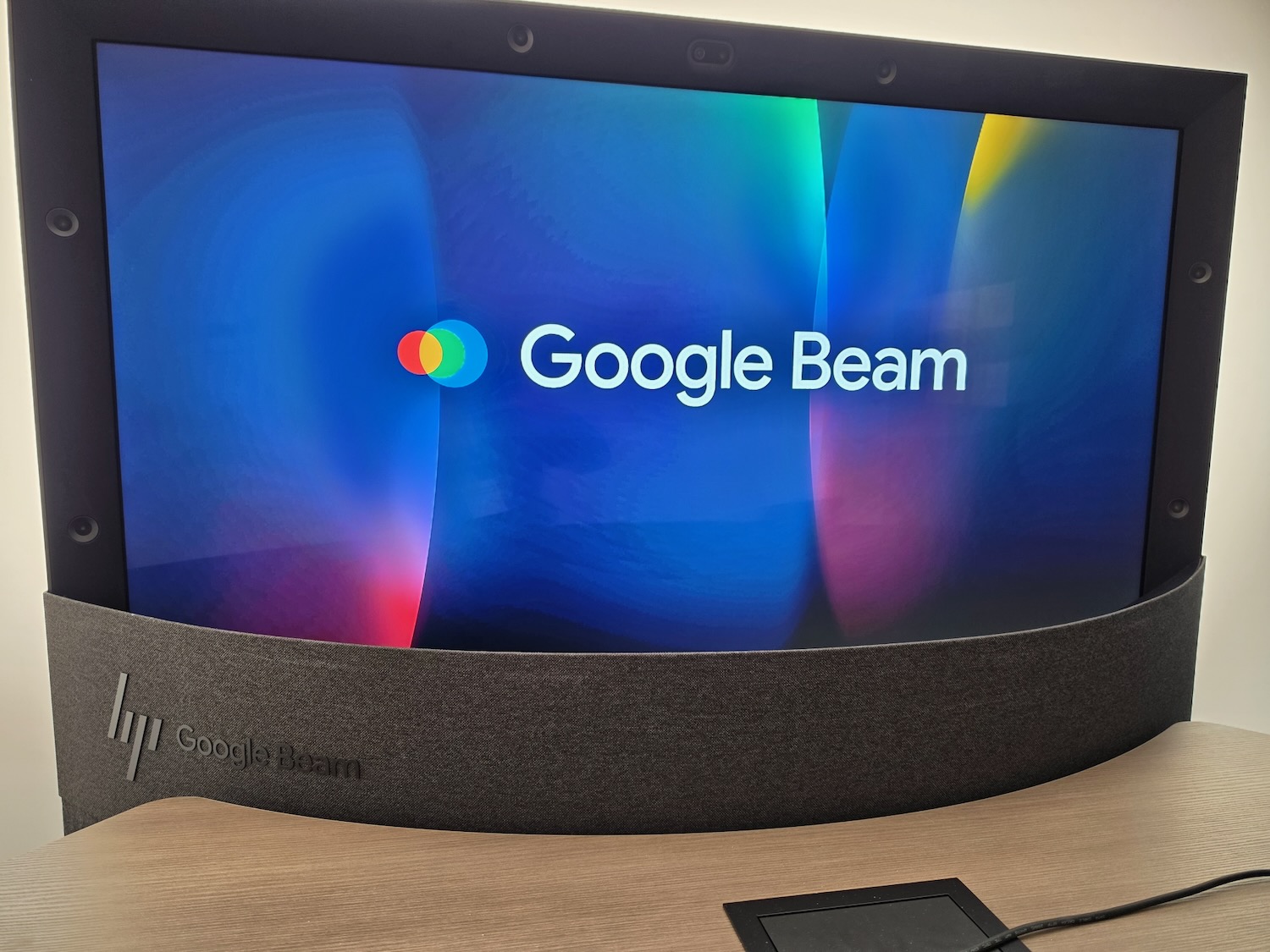
HP Dimension is responsible for the cameras (there are seven of them) that go around the entire 65-inch 8K light field display of the Google Beam.
This means the other person is life-size and seem like they are sitting opposite you at a table so you’re able to maintain real eye contact and read any other subtle facial expressions and gestures.
And not only could we see each other quite clearly, but we could also hear each other in high quality as well.
This is thanks to the spatial audio communication technology, which includes four high-definition speakers and twelve beam-forming microphones.
So if the person you’re talking to moves around the table, you can actually hear the direction of their voice changing. And the same goes for you if you also move from your position.
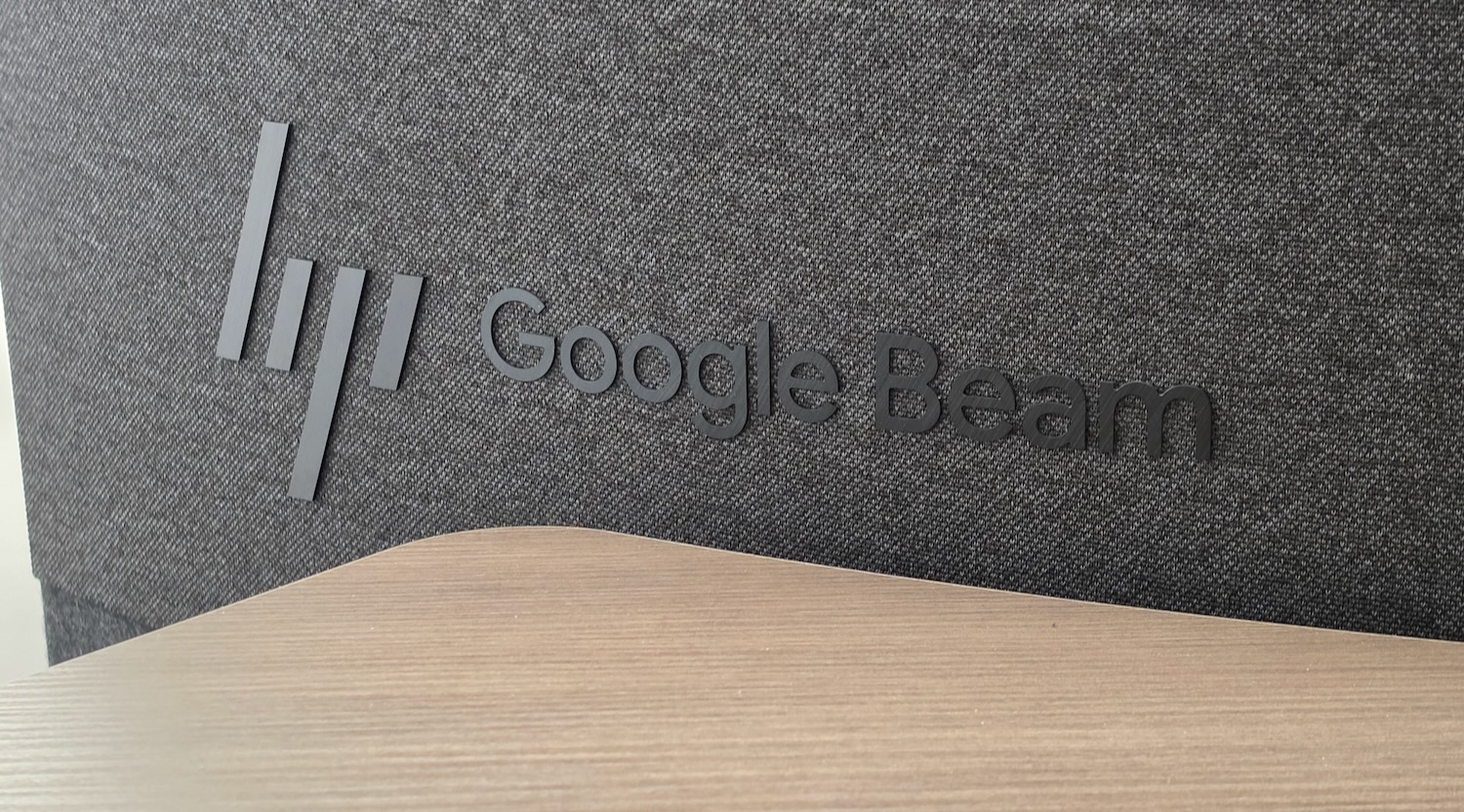
We wanted to take a photo and a video of the experience but were warned by HP, who were hosting the session, that it would not show up or do the experience any justice.
But take our word for it, the experience was truly remarkable.
Google Beam is still very much in the beta phase and will be rolling out in the coming months and years across businesses around the world.
It requires investment in the Google Beam technology at both ends of the conversation and can work in compact spaces from 2.7 m square metres to 4.6 square metres.
It also requires a white wall or a neutral backdrop behind the device and controlled lighting.
Google Beam cannot be used in direct sunlight as it will affect the visibility of the image.
It also requires a high-speed internet connection with a minimum upload and download speed of 100 Mbps.
With Google Beam it would create life-like meetings you won’t want to miss.
* Stephen Fenech travelled to New York as a guest of HP
