



According to UNCTAD, ICT products represented 8.27% of Australia’s total imports in 2024. That figure has remained relatively stable for years, showing how heavily Australian businesses continue to depend on imported technology hardware.
For many technology importers, supply chain planning used to be straightforward. Bulk shipments moved by sea, urgent deliveries moved by air, and cost savings usually took priority over speed.
That approach has changed.
In the tech sector, delays now carry far greater consequences than they once did. Missing a deployment deadline, running out of stock, or waiting weeks for replacement hardware can affect customer relationships, revenue, and operational performance far more than an increase in freight costs.
As a result, more technology businesses are reviewing how air freight fits into their wider logistics strategy, not as a last-minute emergency solution, but as a regular part of supply chain planning.
Speed Matters More in the Technology Sector
Unlike some industries where delayed stock can simply wait in storage, technology supply chains often operate against strict timelines.
Businesses importing hardware into Australia are commonly dealing with:
- Scheduled infrastructure rollouts
- Client implementation deadlines
- Time-sensitive product launches
- Ongoing fulfilment commitments
- Critical replacement equipment for existing systems
In these situations, waiting several weeks for sea freight can create wider operational issues. Delayed hardware can hold up projects, affect customer service levels, or leave businesses unable to complete contracted work on time.
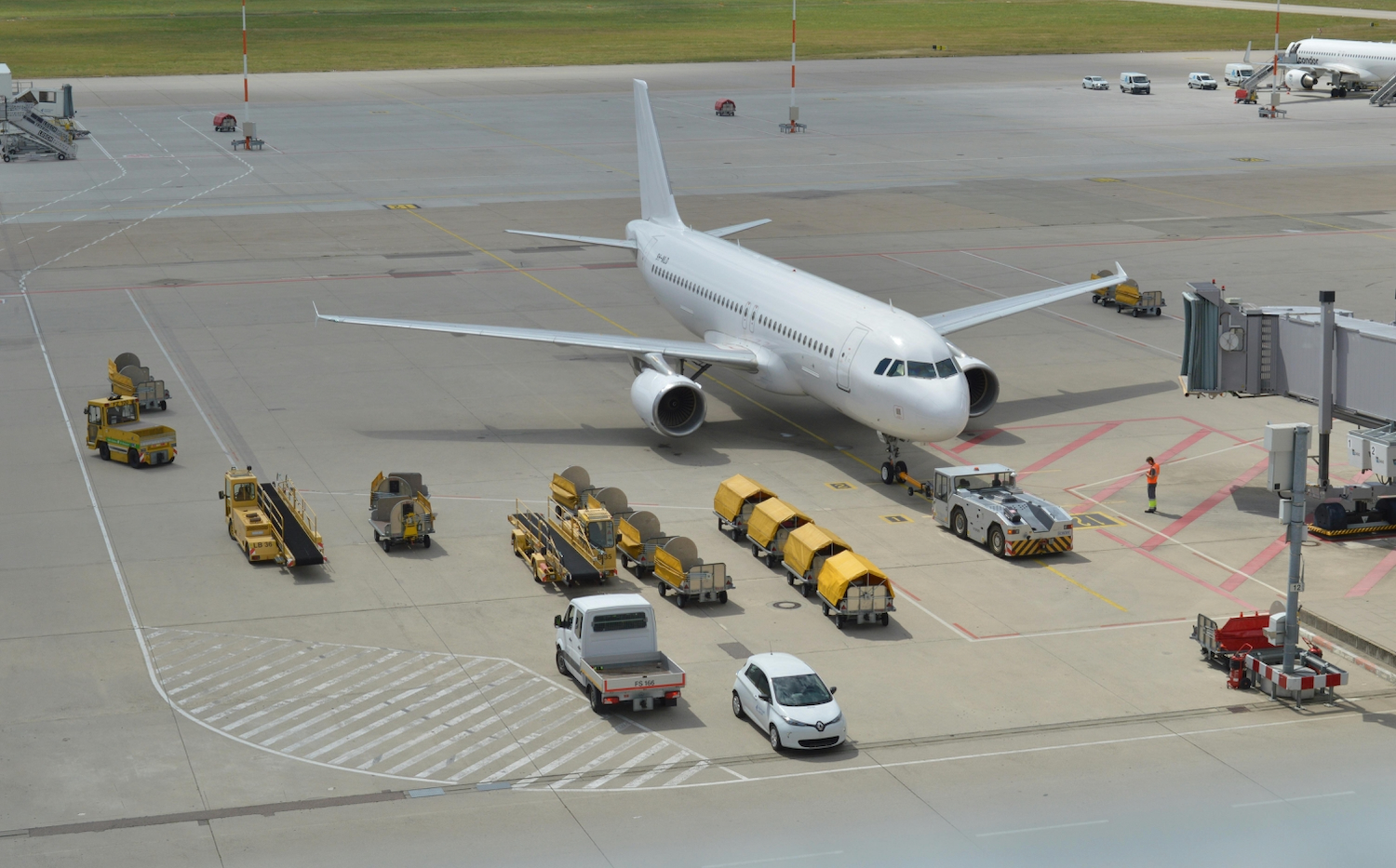
Air freight to Australia offers a practical way to reduce those risks by shortening transit times significantly. Shipments from major manufacturing hubs across Asia can often arrive within days rather than weeks, helping procurement and operations teams maintain tighter control over delivery schedules.
Shipments from major manufacturing hubs across Asia can often arrive in Australia within days rather than weeks, helping procurement and operations teams maintain tighter control over delivery schedules.
Why Smaller Shipments Often Benefit Most
Many technology businesses are not importing full container loads every week. Instead, they move smaller shipments containing high-value products such as:
- Servers and networking equipment
- Electronic components
- Specialist hardware
- Replacement parts
- Evaluation and testing units
For these consignments, consolidated air freight can be a particularly cost-effective option.
Rather than chartering dedicated aircraft space, shipments are grouped together with cargo from other businesses on commercial or cargo flights. This allows importers to access faster transit without paying for unused capacity.
For electronics, there is another advantage as well. Shorter transit routes and reduced handling can help lower the risk of damage or loss compared with long international sea freight journeys involving multiple ports and transfers.
Delays at Customs Can Create Major Problems
Fast transport alone does not guarantee fast delivery.
Technology products often require accurate customs documentation, and mistakes can quickly lead to clearance delays. Incorrect commodity codes, incomplete paperwork, or valuation issues may result in shipments being held while problems are resolved.
For businesses relying on urgent hardware deliveries, even short delays can disrupt project schedules or affect customer commitments.
This is why many importers prefer working with freight forwarders that can coordinate both freight movement and customs support together. Identifying documentation issues before goods leave the origin country helps reduce unnecessary delays after arrival.
Air Freight Is Becoming Part of Long-Term Planning
There was a time when many businesses viewed air freight purely as a recovery tool for supply chain problems. That mindset is gradually shifting.
Technology importers are increasingly using air freight more strategically by:
- Splitting urgent and non-urgent shipments
- Using sea freight for bulk stock replenishment
- Moving priority hardware separately by air
- Keeping faster delivery options available during peak demand periods
This creates more flexibility within the supply chain and helps reduce the impact of unexpected disruption.
Rather than relying entirely on one transport method, businesses are building logistics models that balance cost, speed, and operational risk more effectively.
What Businesses Should Look for in a Freight Partner
For technology importers, reliability is usually more important than simply finding the lowest shipping price.
A freight forwarder should be able to provide:
- Consistent Transit Performance: Predictable delivery schedules help businesses plan deployments and inventory more effectively.
- Customs Knowledge: Accurate import documentation is essential for avoiding delays with electronic goods.
- Clear Communication: When issues arise, businesses need quick updates and practical solutions rather than vague timelines.
- Flexible Shipping Options: A combination of air freight and sea freight services allows businesses to adapt as priorities change.
- Customs Support: Technology shipments require accurate paperwork and import declarations. Working with a freight forwarder that can also help with customs processes reduces the risk of delays, missing documents, or clearance problems at the border.
A More Competitive Supply Chain
Australia’s distance from major manufacturing markets means international shipping will always involve lead time challenges. However, businesses that build flexibility into their logistics strategy are often in a much stronger position to manage those challenges effectively.
For technology importers, air freight is increasingly becoming less about emergencies and more about maintaining reliable operations, protecting customer commitments, and staying competitive in a fast-moving market.
Businesses that review their freight strategy before problems arise are usually far better prepared when supply chain pressure increases.
