

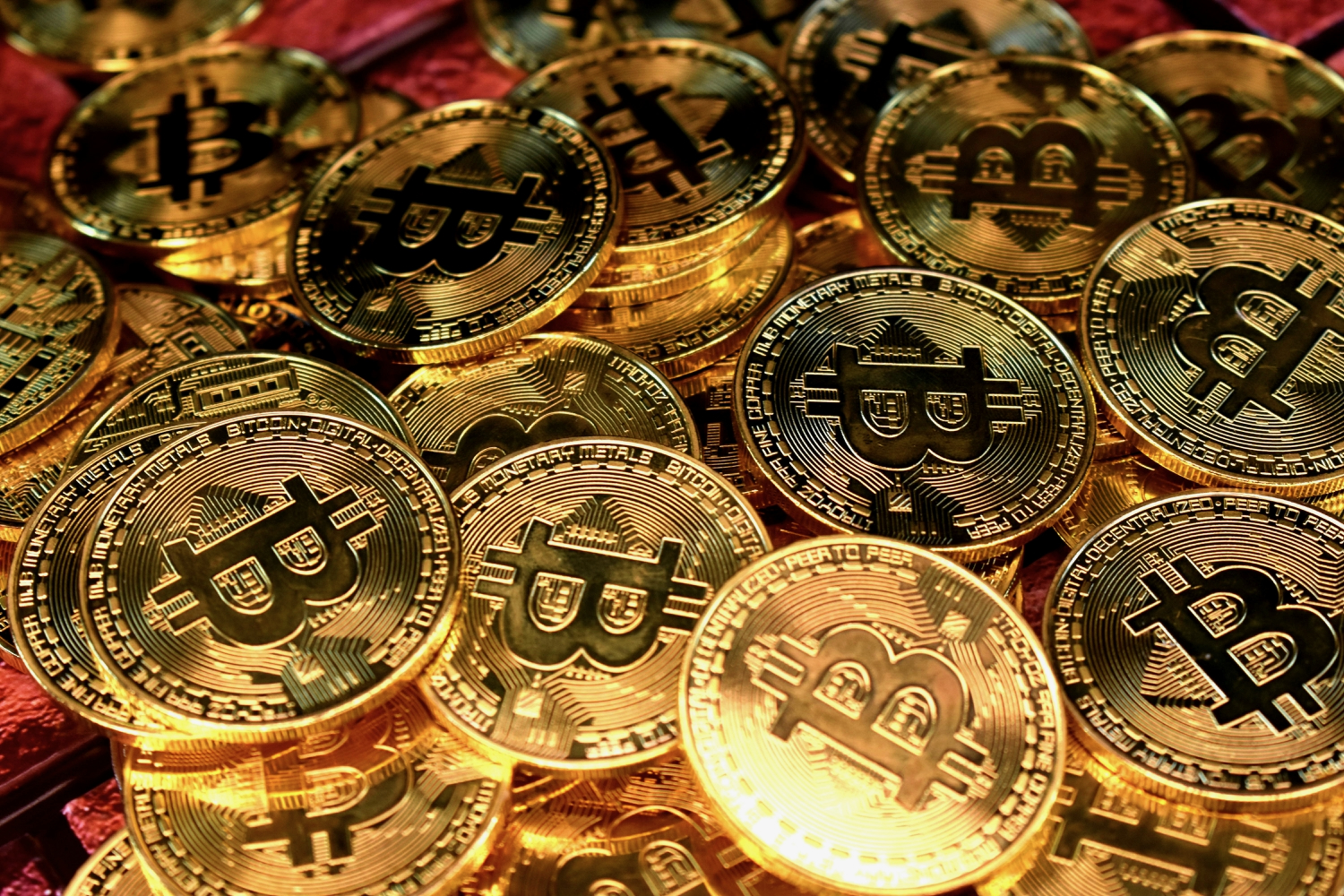


Cryptocurrencies are many things. For some, they are the perfect store of value. Others see them as ideal due to the anonymity they provide and their inherently decentralized nature. Some are more skeptical, believing that they are still too volatile and unstable to be expected to drive wealth over the long term.
However, even those who believe that cryptocurrencies should be treated responsibly are often investors themselves, only the type that isn’t willing to take on too much risk. Having a robust strategy is a must for everyone who is part of this industry, and you need to learn how to buy p2p Bitcoin in a way that is beneficial for you and allows you to accumulate gains.
Only using reliable and trustworthy exchanges such as Binance is imperative as well, and you must keep up with the latest news in order to have a sound idea of what you need to do next. Since the environment is entirely decentralized, it can be impacted by many different external factors. However, there’s a point of contention that continues to be discussed in the crypto world: that of the carbon footprint associated with the coins, particularly their mining. Bitcoin, the king of crypto with the largest market cap, is the main culprit, but it seems now that things are beginning to change.
Consumption rates
Bitcoin is the only major cryptocurrency that still utilizes proof-of-work mining as part of its operations. This decentralized system verifies the accuracy of all transactions taking place on the blockchain, with the algorithm and network participants ensuring that all transactions remain secure and accurate. There’s no need for a centralized authority in this sense, but the system is known for its considerable consumption of resources, being a power guzzler in a sense. According to recent analysis, BTC mining amounted to 175 TWh in 2025, the equivalent use of countries such as Poland or Argentina, countries that are home to 38 and 47 million people, respectively.
This is the rough equivalent of about 0.5% of the global electricity consumption. The United States is currently the global leader in BTC mining, with a hash rate of nearly 40% following China’s 2021 ban on crypto mining. Mining profitability varies depending on the specifics of each location, ranging from around $1,300 in Iran to well over $300,000 in Ireland. Electricity makes up to 80% of the operational costs and is a fundamental part of profitability in almost 50 countries worldwide.
The environmental impact of mining is a whopping 98.10 million tons of CO2 every year, with 2,772 gigalitres of water consumed (the equivalent of Switzerland’s usage), while the amount of electronic waste produced from obsolete hardware is close to 21 kilotons.
The challenges
The massive electricity consumption associated with Bitcoin is related to its fundamental design. The proof-of-work mechanism requires about ten minutes for the completion of complex cryptographic puzzles in order to create new coins and settle transactions. Billions of calculations have to be completed every second as part of this race, and the first miner to solve them receives the newly minted coins as part of their reward. Bitcoin mining is, in a sense, sort of like a massive lottery, where miners have to use their computational power in order to make trillions of guesses every second.
The BTC protocol adjusts difficulty every 2.016 blocks, which takes roughly two weeks in order to maintain the 10-minute block time. As more miners continue to join the ranks and equipment upgrades continue to pick up speed, the difficulty continues to increase. Mining has evolved from the standard computer processors and requires modern ASIC miners that perform quintillions of calculations every second but consume about 7,000 watts at all times. The use of so much energy is also the way in which the Bitcoin network secures itself. Attacking the network would be highly economically unfeasible for most as a result.
Switch to clean energy
Renewable power sources are becoming increasingly necessary as a result of the effects of climate change. Many industries are incorporating them, and cryptocurrencies are no exception. The Bitcoin mining sector is accelerating its deployment of renewable energy, looking to replace fossil fuels across all areas and cut methane emissions. More than 56% of the network is currently powered by sustainable energy, and the percentage is set to increase in the upcoming year as more green projects are starting to go online.
The change began in 2021, when only 34% of the power was generated from sustainable sources. Apart from its environmental benefits, experts believe the shift could help the industry grow and thrive. Major bottlenecks are removed, a noteworthy change as green adoption is slowed by them. Eliminating these issues can shorten renewable payback periods from eight years to less than four, making investing in clean energy more attractive.
Mining operations will be much more flexible in terms of demand as grids are stabilized with different renewable sources, allowing operators to have the confidence to add even more solutions backed by solar and wind power. Globally, about 50% of all energy produced goes into heating. Most of it is, unfortunately, still based on fossil fuels. The waste heat resulting from mining could be a much-needed alternative in this case.
For instance, mining company MARA became known for its ability to provide heating to 80,000 residents in Finland. That’s around 2% of the population of the entire country. Several companies have begun integrating BTC-powered home heaters as a result, as well as numerous industrial applications. Solar-powered Bitcoin mining is also delivering greenhouse-free heating to some parts of the Netherlands.
To sum up, while the beginnings of cryptocurrencies were definitely not the most eco-friendly, many things have changed and continue to change. If you’re an investor and want to continue buying crypto without worrying that you’re damaging the environment, do your research before you get started and find the best solutions for you. Living more sustainably takes patience and knowledge, and you must be ready to put in the work. And while it can seem unbelievable to some, the change can definitely start with your trading portfolio.
