


Samsung has provided a sneak peek into the flexible display technology which will be included in the next generation of Galaxy foldable smartphones that will be unveiled next week at the Galaxy Unpacked event in London.
Samsung has unveiled its new Flex Titanium technology – the result more than seven generations of foldable innovation and expert engineering.
It features a redesigned display structure which takes advantage of structural and material improvements for a more refined viewing experience while increasing the strength and reducing crease visibility.
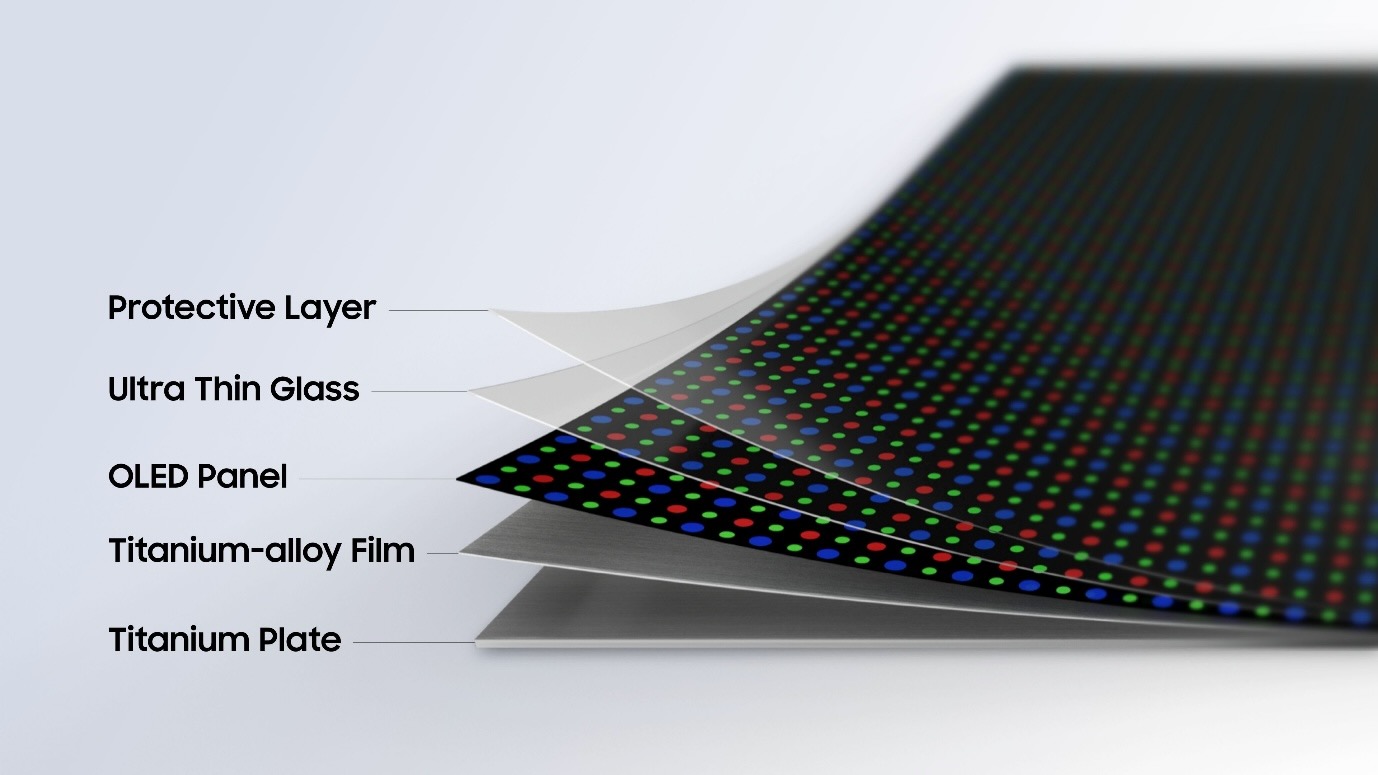
The new Flex Titanium technology brings together two titanium base components – a titanium alloy film and a titanium plate – that work together to balance slimness, strength, and flexibility within the structure of the foldable display.
“Samsung’s strength in the foldable category comes from connecting user needs with our technologies that deliver tangible benefits in everyday life,” said Sunghoon Moon, EVP and Senior Executive, Mobile R&D Office – H/W, Samsung Electronics.
“For the next generation of Galaxy foldables, Samsung is building on years of expertise to bring display innovations into devices that enhance user experiences, anchored by exceptional viewing experiences.”
Samsung has led mobile display innovation and offering it to customers at scale through their mobile devices.
It took that to another level in 2007 when it introduced AMOLED displays, before evolving into flexible form factors.
Samsung has led the foldable category after seven generations of Galaxy foldables by listening to customer feedback and gaining a deeper understanding of what users expect from their devices.

These requests included a larger more immersive viewing experience with a crease that was less visible while still maintaining the strength of the product and its portability.
Samsung has gone back to the drawing board to rethink how foldable displays are constructed and brought together their expertise in technology, materials, and mechanical engineering to produce the latest milestone in the folding display evolution: the Flex Titanium technology.
Samsung had to rethink the structural design and come up with a material strong enough to withstand the environment while being still flexible enough for repeated folds and thin enough to fit within the device’s structure.
And titanium was the answer.
Known for its strength and resilience, titanium has been used in the most demanding ways, including satellite antennas and the wheels on the Mars rover.
This strength makes titanium a reliable material but this stiffness did present some issues when applied to the thin and flexible structure of a foldable display.

The titanium alloy film supports the display from within and sits below the OLED panel.
Below this is the robust titanium plate which supports the display module and creates tighter bonds within the display by eliminating air gaps between the module and the adhesive on the plate.
And by integrating high-resolution architecture and these next-generation materials, the new display offers an even more vivid resolution and colour reproduction while reducing power consumption.
“By introducing sophisticated micro-patterned holes to the folding section of the titanium plate, we have successfully secured flexibility with robust durability,” said Kyung-Jin Yoo, EVP and Head of Mobile Display Product Development Team, Samsung Display.
“Combining high-resolution display architecture with new materials that helps maximise power efficiency, we will further strengthen the competitiveness of next-generation Galaxy foldable devices.”
The new Flex Titanium technology will be part of Samsung’s new generation of Galaxy Foldable devices that will be unveiled at the Galaxy Unpacked event in London next week.
