

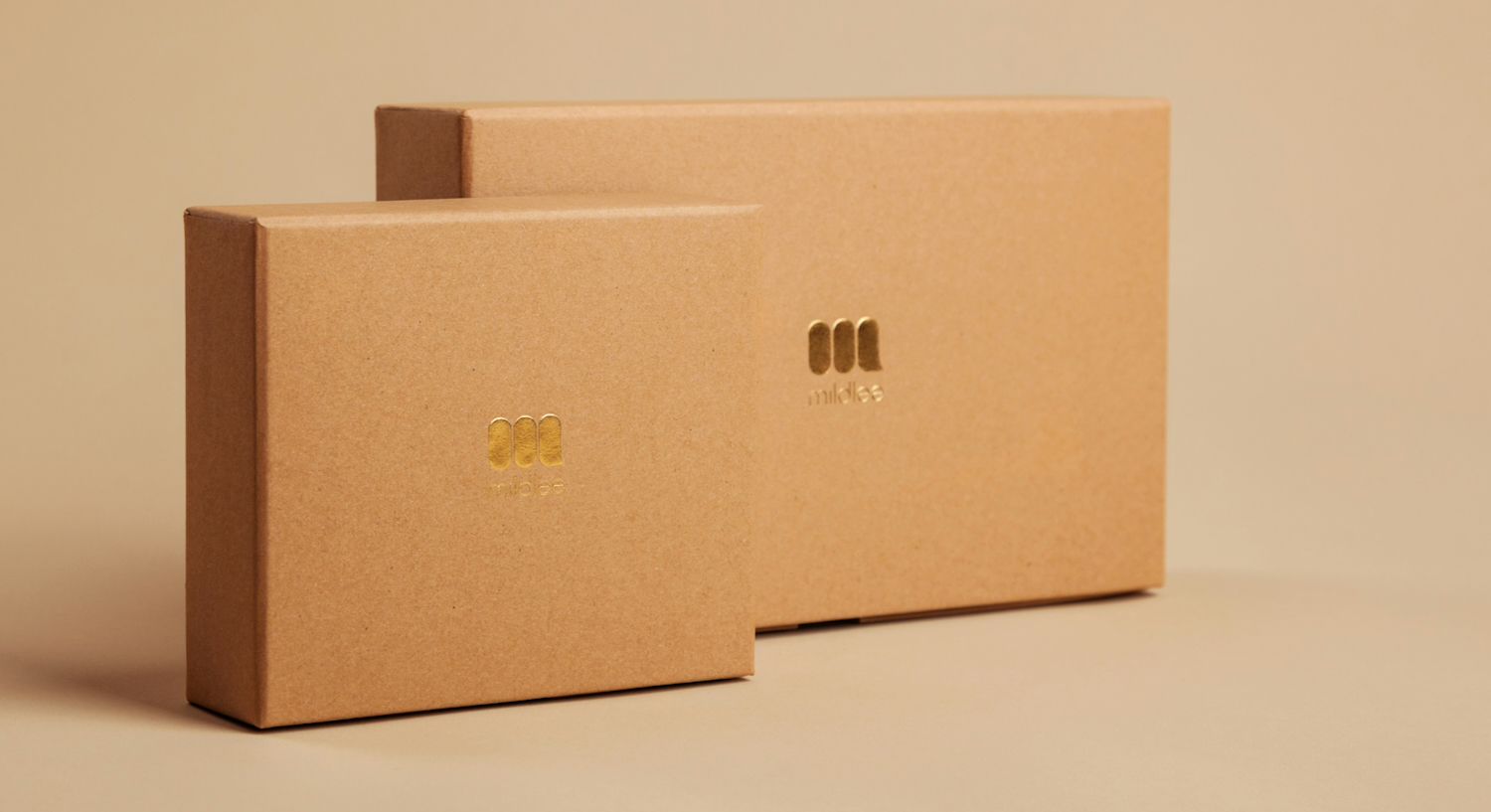


Unboxing videos used to be a niche corner of YouTube, reserved for gadget reviewers pulling the latest phone or drone out of its packaging on camera.
These days, that same attention to detail has spread well beyond tech reviewers. Small businesses, online retailers and service providers around the world are realising that the moment a customer opens a parcel, a folder or a business card wallet says just as much about a brand as the product inside it.
This shift is not just about looking good on camera. It is about consistency, trust and the small physical touches that digital marketing simply cannot replicate. For businesses that have spent years building a slick website and a polished social media presence, print is often the last piece of the puzzle – and one that is easy to underestimate.
From Screens to Shelves: Why Physical Branding Still Matters in a Digital World
It is tempting to assume that everything important now happens on a screen. Orders are placed online, invoices arrive by email and most communication with customers happens through apps or social media. Yet the physical products people receive, the cards they are handed at a trade show and the brochures left on a counter still carry weight.
A study of consumer behaviour will tell you that people trust what they can touch. A flimsy, poorly printed brochure suggests a business that has not invested in its own presentation, regardless of how good the product actually is. On the other hand, a well-designed piece of print signals that a business pays attention to detail everywhere, not just where customers can see it online.
This is where the connection between tech culture and print becomes clearer. Just as a gadget reviewer notices the fit and finish of a box before they even switch a device on, customers form an impression of a business before they have used the product or service. That first physical impression often comes down to the quality of a custom printing company’s work, whether that is a mailer box, a swing tag or a simple compliment slip tucked inside a parcel.
The Unboxing Effect: What Tech and Retail Brands Already Know
Tech companies have understood the power of packaging for years. Anyone who has opened a new phone or set of headphones knows the layers of thought that go into how the box opens, where the cables sit and how the manual is presented. It is not accidental. It is designed to build anticipation and reinforce the price point of the product.
Smaller businesses do not need the budget of a multinational electronics brand to apply the same thinking. A retailer selling handmade skincare, a subscription box service or a local cafe running a loyalty scheme can all benefit from the same principles: consistency in colour and typography, quality stock that feels substantial in the hand, and small details that make a customer feel like they have received something considered rather than rushed.
This is also where custom stickers, wrap-around bands and branded tissue paper come into play. None of these elements need to be expensive, but they do need to be planned as part of the overall packaging experience rather than added as an afterthought. A parcel that looks cohesive from the outer box through to the smallest sticker tells a customer that the business cares about the whole journey, not just the sale.
First Impressions on Paper: Business Cards in a Networking World
While packaging shapes how customers experience a product at home, business cards still do the heavy lifting in person. Despite predictions that digital contact sharing would make them obsolete, business cards remain one of the most widely exchanged pieces of print in business generally, particularly at trade shows, conferences and client meetings.
The reason is simple. A business card is a tangible reminder that sits in a wallet or on a desk long after a conversation has ended. Digital contacts get buried in a phone within minutes, but a well-designed card with a matte finish, subtle foil detail or unusual stock can prompt someone to pick it up again weeks later.
For businesses that operate in tech-adjacent industries, such as app developers, IT consultants or e-commerce operators, this matters more than it might seem. Clients in these industries are often assessing whether a business is genuinely professional and detail-oriented before committing to a contract. Investing in custom business card printing services is a small cost that pays off disproportionately in the impressions it leaves behind, particularly when paired with consistent branding across other materials.
Beyond the Box: Brochures and Supporting Print Materials
Packaging and business cards handle the first and most personal touch points, but they rarely tell the whole story on their own. Brochures, presentation folders and information sheets still play an important supporting role, especially for businesses that need to explain a service, a range of products or a more complex offering than a single item in a box.
A brochure left with a customer after a consultation, or included in a welcome pack alongside a product, gives people something to refer back to when they are ready to make a decision. This is particularly useful for service-based businesses, where the value of what is being offered is not always obvious from a quick glance at a website.
Good brochure design follows the same principles already covered: consistent use of colour and fonts, clear structure and stock that feels appropriate for the brand. A premium skincare brand and a budget hardware supplier will use very different paper weights and finishes, and that difference is intentional. Businesses researching custom brochure printing services should think about how the finished piece will be used, whether that is handed out at an event, mailed with an order or displayed in-store, since this affects the best format, fold and stock choice.
Choosing a Print Partner That Understands Small Business Needs
None of this is particularly complicated once it is broken down, but pulling it together consistently across multiple products can be time-consuming for a small business owner already juggling stock, marketing and customer service. This is usually the point where working with a dedicated print partner becomes worthwhile rather than optional.
A good partner does more than simply produce what is asked for. They flag when a stock choice will not hold ink well, suggest a more cost-effective finish for a large print run, or point out that a design element will not survive the trimming process. This kind of practical knowledge is difficult to replace with a generic online design tool, particularly for businesses that are printing packaging, cards and brochures for the first time.
Australian custom printing company The Print Company is one example of this approach in practice, working with small and growing businesses across a wide range of products, from stickers and presentation folders through to business cards and brochures, with instant online quoting that suits businesses still working out their exact requirements. Because pricing and specifications are available upfront through their online printing services, businesses can test different stock and finish combinations without committing to a large order before they know what actually works for their brand.
Bringing It All Together: A Simple Print Checklist for Growing Brands
For a small business trying to work out where to start, it helps to think about print in layers rather than as a single decision. The packaging a customer opens first, the card handed over at a meeting, and the brochure left behind after a conversation should all feel like they belong to the same brand, even if they are ordered at different times and for different purposes.
A practical starting point looks something like this. Settle on a small, consistent colour palette and typography before ordering anything, since this will guide every other decision. Choose one or two finishes, such as matte lamination or a particular stock weight, and apply them across as many print products as possible rather than mixing finishes product by product. Order samples where possible before committing to a large print run, particularly for packaging that will be handled and photographed by customers. Finally, review pricing and turnaround times across a few products at once, since ordering business cards, brochures and packaging together often works out more efficient than treating each as a separate project.
None of these steps require a large marketing budget. They require a willingness to treat print as part of the overall customer experience, in the same way a tech brand treats the unboxing of a new device as part of the product itself.
Final Thoughts
The line between digital and physical branding continues to blur, and print is not becoming less relevant – it is simply being held to a higher standard. Customers who are used to polished apps and slick packaging from major brands expect the same level of care from smaller businesses everywhere, even if the budget and scale are very different.
Getting this right does not require reinventing a brand from scratch. It requires paying attention to the physical touch points that already exist, from the box a product arrives in to the card left behind after a meeting, and making sure they all tell the same story. For businesses ready to take that next step, a good custom printing partner can make the process far less daunting than it first appears.
