

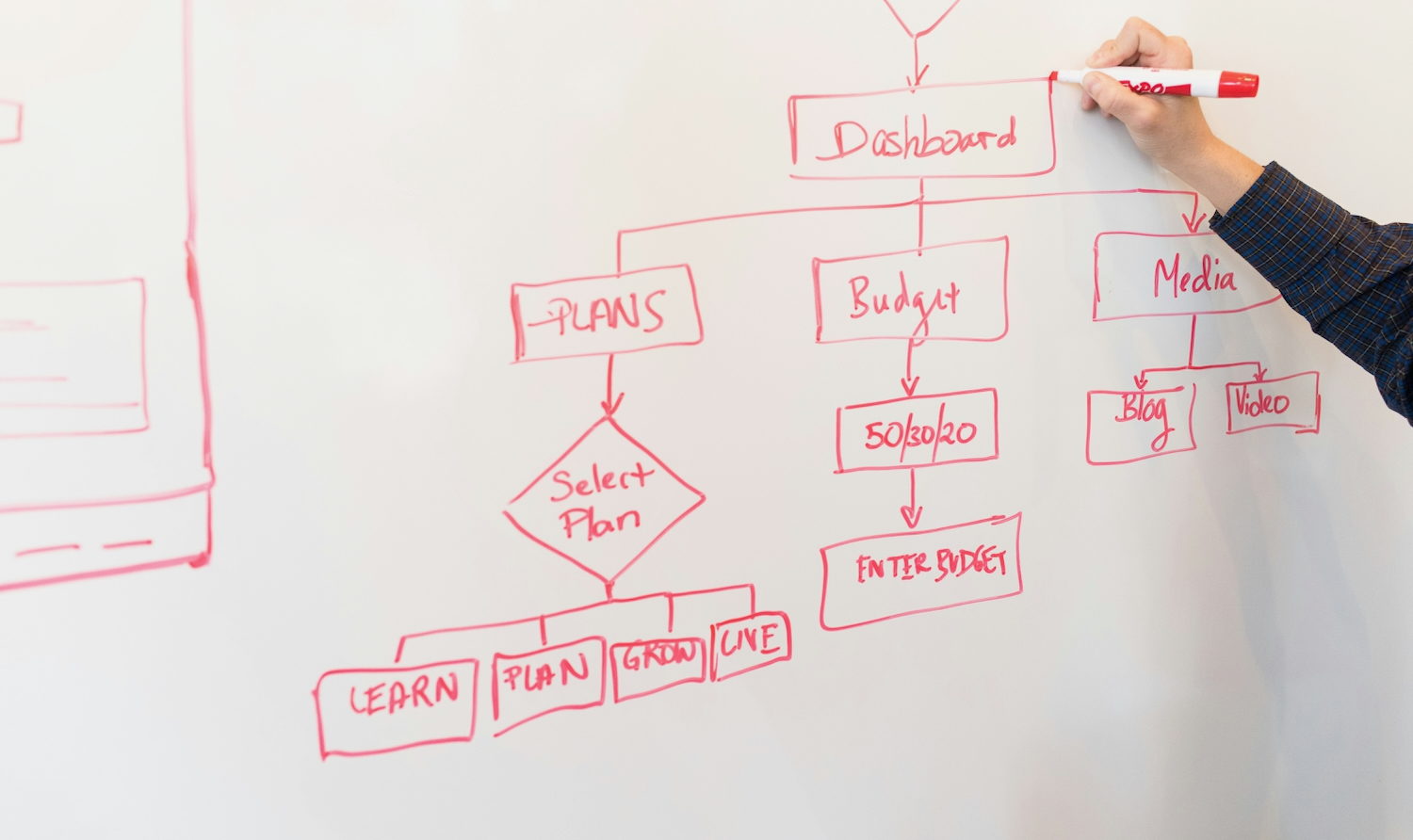


Clay workflow automation lets Australian B2B startups run a signal-based outbound system, detecting trigger events, verifying contact data, and routing ready-to-use records to their CRM, without hiring additional SDRs. This article explains how it works, why it matters in the Australian market, and the three setup mistakes that undermine it.
Many early-stage Australian startups are operating with lean go-to-market teams, often a founder doing sales alongside one or two generalist hires and cannot justify the cost of building a dedicated SDR function.
But they still need a pipeline.
That gap, between the outbound motion a startup needs and the team it can actually afford, is exactly the problem Clay was built to close. And the founders who have figured this out are quietly building a significant outbound advantage over the ones still doing it manually.
What Clay Actually Does
Clay is not a CRM. It is not an email tool. It is the part of your outbound stack that does all the work nobody wants to do manually.
It connects to your data sources, finds and verifies contact information, applies your targeting rules, and decides automatically whether someone is worth reaching out to right now. When a relevant event is captured by an integrated data source: a job posting tool, a funding database, or a professional network feed, Clay processes that signal, applies your workflow logic, pulls together everything your team needs to know, checks that the information is still accurate, and sends a ready-to-use record straight to your CRM or outreach tool.
In practical terms, it replaces the hours an SDR would otherwise spend on:
- Building prospect lists from scratch
- Checking whether contact details are still current
- Researching whether a company has a reason to hear from you right now
- Copying information between tools
That work does not require sales talent. It requires time. Clay handles it automatically so your team can focus on the conversations that actually need a human.
Why This Matters More for Australian Startups Than Anywhere Else
Outbound is harder in Australia than in larger markets. Not because Australians are harder to sell to, but because the market is smaller, the networks are tighter, and the cost of getting it wrong is higher.
Australia’s B2B market comprises roughly 2.5 million actively trading businesses, according to the Australian Bureau of Statistics. For context, the US has more than 6 million employer businesses and a total addressable market roughly ten times larger by GDP. In a market this concentrated, the stakes of every outreach decision are disproportionately high.
When you send irrelevant outreach to someone in a tight-knit Australian industry, you do not just get ignored. You get remembered for the wrong reason. Decision-makers in sectors like professional services, SaaS, construction technology, and financial services often know each other. A poorly timed or generic message can close doors before you have had a chance to open them.
Research consistently shows that business buyers increasingly expect outreach to be relevant and timely rather than generic, a bar that volume-based approaches rarely clear.. In a market as concentrated as Australia, generic outreach is not just ineffective, it is noticed.
This is why volume-based outreach underperforms in Australia. Buying a list of 5,000 contacts and blasting them with the same message is not a strategy. It is a fast way to burn through your addressable market.
Clay workflow automation (https://intelligentresourcing.co/clay-workflow-expert/) changes that equation. Instead of reaching out to everyone and hoping someone is ready, you reach out to the right people at the right moment because the system is watching for the signals that tell you when that moment has arrived.
What a Basic Clay Workflow Looks Like
Here is a simple example of how a Clay workflow runs for an Australian B2B startup.
Step 1: A trigger event is captured by an integrated data source and passed to Clay. A target company posts a job for a role that signals growth. They announce a new funding round. A senior person joins in a relevant position. These events indicate something is changing, and that your outreach might land at exactly the right moment.
Step 2: The company is checked against your criteria. Clay applies your rules automatically. Right industry? Right size? Right location? If yes, it moves forward. If not, it is filtered out without anyone having to review it manually.
Step 3: Contact details are found and verified. Clay runs a waterfall enrichment, querying multiple data providers in sequence, such as Apollo, Hunter, or Clearbit, and stopping when it finds a verified result. Each provider charges per lookup, so this step carries a real cost that should be factored into your outbound budget. The result is a verified, current contact record rather than a name from a list compiled six months ago.
Step 4: Everything goes to your CRM and outreach tool. The record arrives with full context, why this person is being contacted, what the trigger was, what the company looks like right now. Your salesperson or outreach sequence picks it up from there.
This entire process runs continuously in the background. No spreadsheets. No manual research. No copy-pasting between tabs.
What Startups Get Wrong When They Start with Clay
Clay is powerful, but only if it is set up correctly. These are the three mistakes founders make most often.
Treating it like a list scraper. Clay is not designed to pull large static contact lists. The platform is built around enrichment logic and signal detection, not bulk export. Clay’s value is not in volume. It is in precision. Using it like a database export produces the same low-quality output as a bought list and misses the core mechanic entirely: “The power isn’t in the size of the list, it’s in the precision of the signal.” Using it like a database export misses the point entirely and produces the same low-quality output as a bought list.
Skipping data verification. The enrichment step is only useful if the data is checked at the point of outreach. A contact that was accurate three months ago may have changed roles since. Building verification into the workflow before the message goes out is what keeps your sender reputation intact.
Building the workflow before defining the ICP. Automation amplifies your targeting, which means if your Ideal Customer Profile is vague, the system will just reach the wrong people faster. Get specific about exactly who you are trying to reach before you build anything.
The Compounding Advantage
Clay is not a shortcut. It is infrastructure.
As you refine your ICP, tighten your trigger criteria, and cut signals that aren’t converting, the system becomes progressively more precise. The compounding effect is real but it is driven by the decisions you make, not the platform itself.
At Intelligent Resourcing, we argue that “The teams that win in tight markets aren’t the ones sending the most emails. They’re the ones who know exactly who to contact, why, and when.”
In a market as concentrated as Australia, that compounding advantage is significant. The founders building it now are the ones who will find it easiest to generate pipeline in 12 months.
If you are at the stage of figuring out what a Clay-based outbound system could look like for your startup, Intelligent Resourcing builds and manages these workflows for B2B companies across Australia. Our Clay Solutions is a practical starting point.
About the Author
Ronan Leonard is the Founder of Intelligent Resourcing and a Certified Innovation Officer with over 20 years of experience building and running businesses. He designs GTM workflows that eliminate the gap between strategy and execution, with deep expertise in Clay automation, signal-based lead generation, and AI-first outreach systems. Connect with him on LinkedIn or visit https://intelligentresourcing.co/ to know more about his work.
