

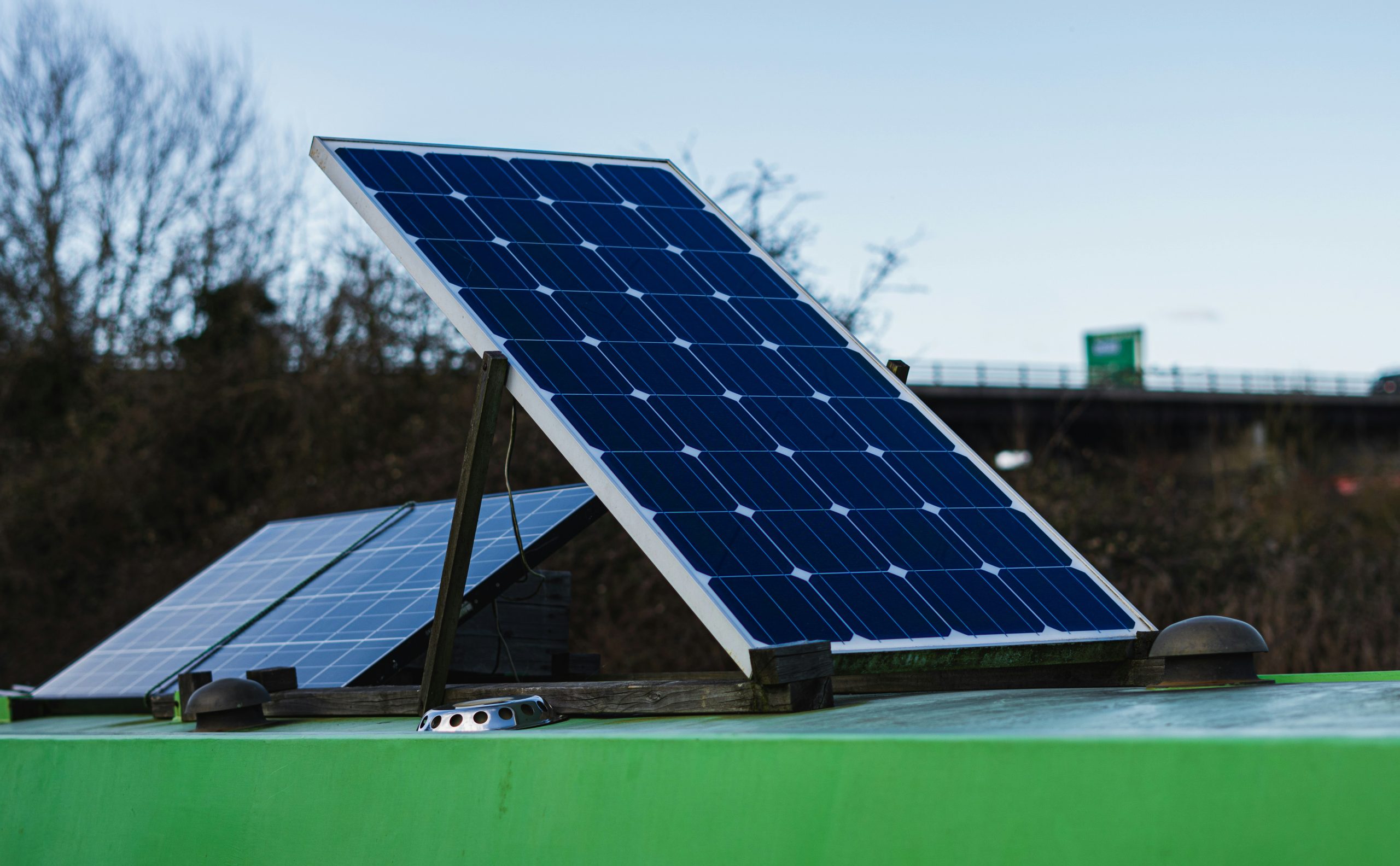


The great Australian dream has fundamentally evolved. We no longer just want a quarter-acre block with a Hills Hoist in the backyard; we want a smart, sustainable, off-grid sanctuary.
Over the last five years, Australia has seen an unprecedented boom in residential solar uptake, rapidly followed by the mass adoption of home battery storage systems like the Tesla Powerwall, LG Chem, and Sonnen. For many tech-savvy homeowners, the ultimate goal is total energy independence — generating your own power during the day and running your home entirely off stored battery power at night.
During autumn and spring, this off-grid dream is relatively easy to achieve. However, when the harsh reality of winter sets in, many smart-home owners are discovering a frustrating flaw in their expensive setup. They turn on their reverse-cycle heating at 6:00 PM, and by 9:00 PM, their high-capacity solar battery is completely flat, forcing the home back onto the expensive, peak-rate residential grid.
If your home battery is draining faster than a smartphone with the screen brightness turned all the way up, your energy generation isn’t the problem — your consumption is. And the biggest culprit in your house is an inefficient heating system.
The Heavy Lifting of Heat Generation
To understand why your battery is dying, you have to understand how reverse-cycle systems actually work. Unlike a traditional electric column radiator that uses raw electrical resistance to create heat (which is terribly inefficient), a reverse-cycle air conditioner uses a mechanical compressor to extract ambient heat from the outside air, amplify it, and pump it inside.
When operating perfectly, this thermal exchange is incredibly efficient. A modern inverter system can produce three to four kilowatts of heat for every one kilowatt of electrical energy it consumes.
However, when an air conditioner is faulty, old, or poorly maintained, that efficiency plummets. The compressor has to work twice as hard to achieve the desired indoor temperature, drawing massive spikes of current. Because heating a home requires sustained energy over several hours, this continuous high-amp draw will devour the stored capacity of a standard 13.5kWh home battery in a matter of hours.
The Inverter vs. Non-Inverter Divide
If your home is relying on an older, non-inverter air conditioner, it is fundamentally incompatible with an off-grid solar battery setup.
Older systems operate on a simple, brutal “stop/start” mechanism. They blast at 100% power until the room reaches the target temperature, then shut off completely. When the room cools down, they aggressively restart at 100% power. This constant on/off cycling creates massive electrical power surges that stress home batteries and rapidly deplete their charge.
Modern inverter systems, conversely, are designed specifically for the smart grid. Once an inverter reaches the target temperature, it gently throttles the compressor down, maintaining a steady, low-power hum. This “trickle” consumption is easily handled by a solar battery, allowing you to run the heating all evening on a minimal power draw.
When Smart Tech Needs Mechanical Repair
Sometimes, the issue isn’t the age of the system, but its mechanical health. You might have a top-of-the-line, Wi-Fi-enabled smart air conditioner that is still mysteriously draining your battery.
When an air conditioner loses refrigerant gas due to a micro-leak, the system physically cannot reach its target temperature. The onboard computer senses this failure and forces the compressor to run at maximum capacity endlessly, desperately trying to warm the room. From the user’s perspective, the heater is blowing lukewarm air, but the home’s smart meter shows it consuming huge amounts of electricity.
In this scenario, throwing more solar panels on the roof is a waste of money. Instead, if your reverse-cycle heater is drawing too much power, professional air conditioning repairs in Sydney’s western suburbs can restore its efficiency and stop the battery drain. A qualified technician can locate the leak, re-pressurise the refrigerant, and restore the system’s thermal exchange efficiency, instantly dropping its power consumption back to normal levels.
Optimising Your Smart Home Heating Strategy
Beyond mechanical repairs, getting your heating and your solar battery to play nicely together requires a bit of smart home strategy. Here are the best ways to optimise your winter setup:
1. The Pre-Heating Strategy
Most people wait until the sun goes down and the house gets freezing cold before turning the heater on. This forces the system to work its hardest exactly when your solar panels stop producing power, immediately taxing the battery.
Instead, use your system’s smart app to turn the heating on at 3:00 PM while the sun is still hitting your roof panels. “Pre-heat” the thermal mass of your home (the walls, floors, and furniture) using direct, free solar power. When the sun sets, the house is already warm, and the heater only needs to use a tiny amount of battery power to maintain the temperature into the night.
2. Clean the Air Filters
It sounds aggressively simple, but a blocked return-air filter physically restricts airflow. This forces the indoor fan motor to work overtime and prevents the conditioned air from circulating into the room. Vacuuming your filters every four weeks can reduce your system’s overall energy consumption by up to 15%.
3. Lower the Target Temperature
Every degree you increase the thermostat adds roughly 10% to the system’s running cost. If you set your heater to 26°C on a cold winter night, your battery simply doesn’t stand a chance. Aim for a comfortable, sustainable “Goldilocks Zone” of 21°C or 22°C, and use blankets and thick socks for the rest.
Summary: Balancing the Grid
We are living in an incredible era of residential technology, but the basic laws of physics still apply. A smart battery is only as effective as the appliances it is required to power.
Before you assume your solar setup is undersized or your battery is failing, look closely at your climate control. Maintaining, repairing, and optimising your reverse-cycle heating system is the most cost-effective way to protect your off-grid aspirations, ensuring your home stays warm long after the sun has set.
