

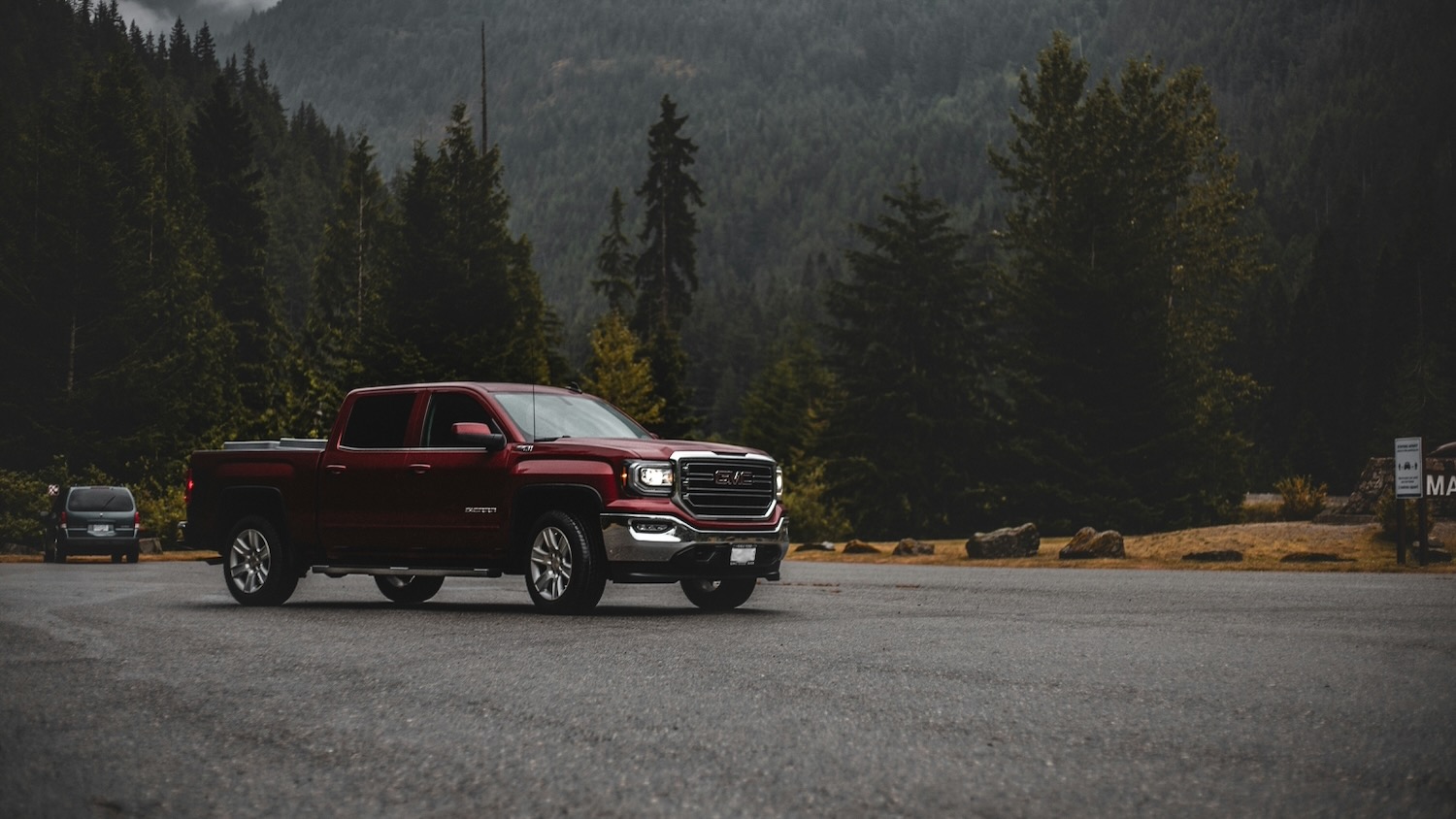


You’ve probably noticed how many big American trucks and heavily kitted 4x4s are now on Australian roads. RAMs, Silverados, F-150s, and Tundras share driveways with lifted HiLuxes, LandCruisers, and Rangers across the country.
The look and capability of these vehicles are part of the appeal, but the practical reality of living with a vehicle that sits well above standard ride height brings its own daily challenges. Getting in and out, securing gear in the tub, and keeping the rig usable as a daily driver rather than only a weekend toy are all problems that owners deal with constantly. A new wave of automated, sensor-driven accessories is quietly solving these everyday usability issues, and the shift is changing what’s realistic to own and run as your main vehicle.
The everyday challenges of running a lifted rig
The practical realities of a lifted truck or 4×4 hit you fairly quickly once the build is finished. Climbing into a cab that now sits well above standard height becomes a small workout every time you take a trip. Older passengers, kids, or anyone with mobility limitations can find daily access genuinely difficult, and the novelty of climbing in wears off pretty fast for everyone else. Factory side steps either don’t suit the new ride height or get ripped off on the first serious trail run, leaving you back at square one.
Tubs and beds bring their own set of problems. Standard vinyl tonneau covers offer almost no real security and limited weather protection. Bulky hard lids deliver security but kill the versatility that made the tub useful in the first place. The aesthetic and capability gains of a lift kit and oversized tyres can come at the cost of daily convenience, and that gap between off-road capability and everyday usability is exactly where the aftermarket is increasingly stepping in with tech-led solutions designed specifically for vehicles modified to this level.
How automation is changing the side step game
The shift from fixed running boards to electronically actuated steps is one of the more visible changes in the lifted vehicle accessory space. Modern automated steps deploy the moment a door opens, dropping to a comfortable height that makes entry and exit easy regardless of how high the cab sits. The second the door closes, the step retracts and tucks flush against the chassis, restoring the high-clearance look and avoiding the snags that fixed running boards catch on rocks, ruts, and mud.
The engineering behind these systems matters more than the marketing photos suggest. Sensor-driven obstruction detection stops the step from retracting if it detects a foot, a stray rock, or anything else in the way, preventing both injury and motor damage. Integrated LED downlights illuminate the step and the ground below as the unit deploys, which makes a meaningful difference in dark carparks or on bush tracks at night. Weatherproof ratings handle the dust, water, salt, and temperature extremes that come with Australian conditions, including coastal driving and high-country touring.
Purpose-built units in this category, like ORI electric steps, are engineered with the kind of details that distinguish them from cheaper generic imports. Higher load ratings per side, three mounting brackets rather than two for structural stability under load, and military-grade coatings that resist corrosion in harsh environments are the kinds of specifications worth checking before committing to any unit in this category.
Smart cargo security and weather protection
The parallel shift is happening in tub and bed accessories. Vinyl tonneau covers that can be slashed with a pocket knife and bulky hard lids that severely limit cargo flexibility are being replaced by electronically operated roller shutters that combine security, weather protection, and convenience in a single unit. The shutters open and close with a wireless remote, removing the daily friction of wrestling with covers or unlocking hard lids whenever you need access.
Heavy-duty aluminium slat construction, tightly overlapping and powder-coated for durability, gives these systems serious resistance to tampering. Integrated weather sealing and drainage keep rain, dust, and harsh sunlight out of the tub, which matters more in Australia than the marketing photos usually suggest. Compact canister design at the bulkhead leaves maximum usable space in the tub when the shutter is rolled back, so you don’t lose cargo capacity to the mechanism itself. Built-in LED lighting illuminates the tub when accessing gear in the dark, removing the torch-fumbling routine that comes with traditional covers. Side accessory tracks compatible with sports bars and crossbars let you mount rooftop tents, bikes, or extra gear above the tub without compromising the shutter system. The result is a cargo solution that delivers on security, weather resistance, and daily usability simultaneously.
Why this matters beyond the trail
The shift toward automated accessories has a broader impact on who can actually live with one of these vehicles day to day. Many lifted rigs aren’t just weekend off-road toys anymore. They’re daily drivers, family vehicles, school-run vehicles, work site vehicles, and tow vehicles for boats and caravans. Owners are using them for everything, which means the daily friction of getting in and out, securing cargo, and dealing with weather has to actually work.
The tech-led accessory category has made a meaningful difference here. A lifted truck or 4×4 with smart steps and an electronic roller shutter is genuinely workable for a school run, a trip to the shops, a worksite arrival, or a weekend away with the family. The reduction in everyday hassle is significant, and it’s quietly broadening who can comfortably live with these vehicles. Spouses, older parents, and kids find the rig accessible rather than intimidating, which changes how often it gets used and by whom. That practical shift is part of why this category of vehicle has become so much more common on Australian roads.
What to look for when shopping for tech-led accessories
A few practical considerations are worth working through before committing to any of these systems. Load ratings and weight capacity should match your actual use, including whether the step needs to support multiple passengers, cargo loading, or wet weather grip. IP ratings for dust and water resistance matter more in Australian conditions than in markets these products are often originally designed for, particularly for owners doing coastal driving, bush touring, or worksite work in dusty environments.
Mounting bracket configuration and count directly affect structural stability under load. A two-bracket system can flex noticeably under weight, while a three-bracket setup feels rock-solid. Coating type and corrosion resistance are worth checking specifically, especially for owners near salt air or in industrial environments. Warranty terms and local support availability matter because electronic components occasionally need service, and dealing with overseas warranty processes is rarely a good experience. Vehicle-specific fitment, designed for your exact make, model, and year, produces better integration than generic universal units. The cheapest option in this category is rarely the best long-term value once you factor in durability, fitment quality, and the realities of Australian operating conditions.
- Lifted trucks and 4x4s create daily usability challenges that the aftermarket is increasingly solving with sensor-driven, electronically actuated accessories
- Automated side steps deliver comfortable entry, weatherproof durability, and integrated lighting without the trail snag problems of fixed running boards
- Electronic roller shutters combine security, weather protection, and convenience in a single tub solution that retains cargo flexibility
- Load ratings, IP ratings, mounting configuration, coating quality, and vehicle-specific fitment are the practical specifications to verify before committing
