

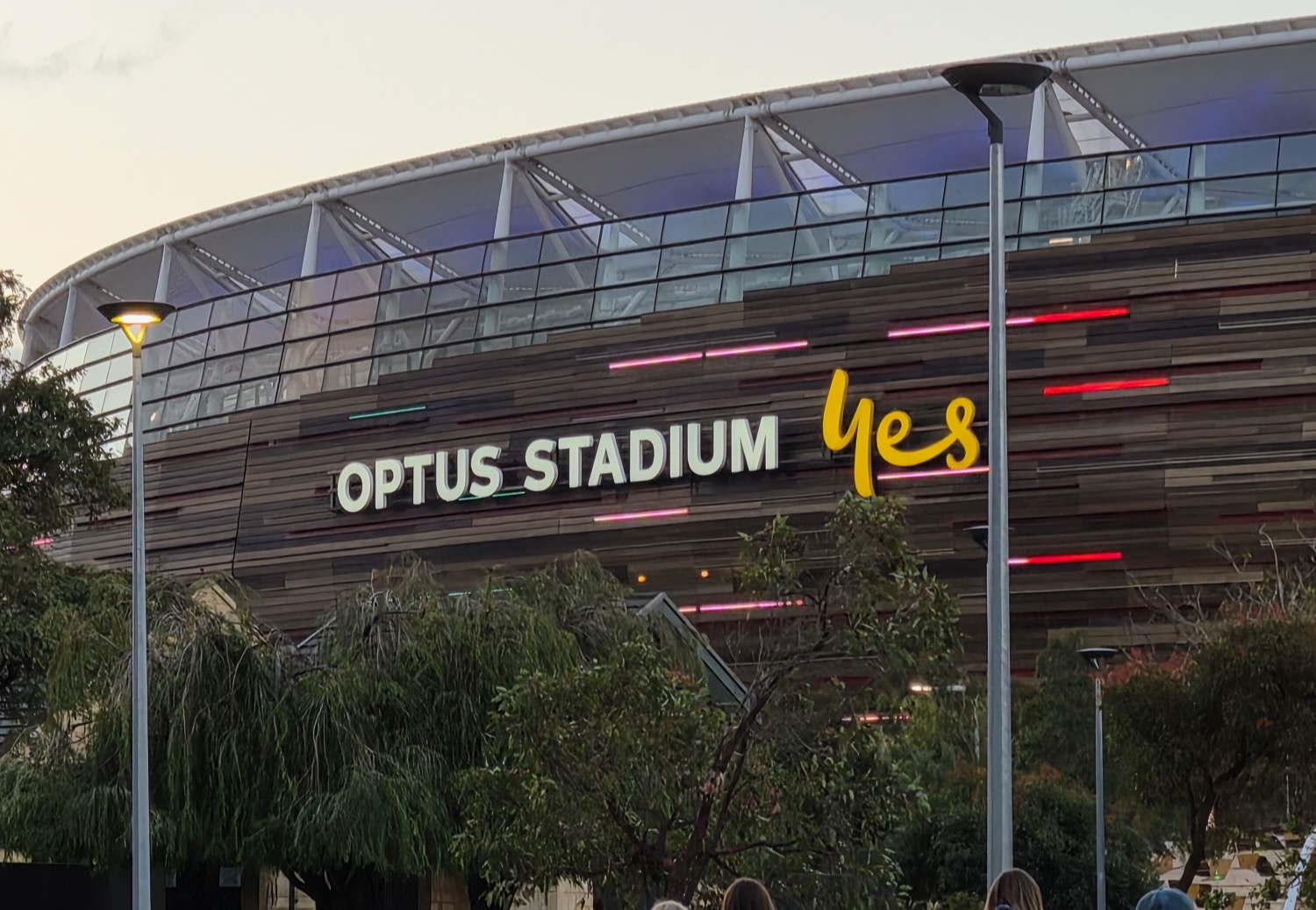


Next time you’re at a sporting event think about all the things you do with your phone – making and receiving calls, sharing content on social media and even paying for food and drinks.
That used to be a tough task when there was 60,000 other people in the stadium all crowding the network at the same time.
But at Optus Stadium in Perth that is no longer an issue.
We took a tour of Optus Stadium in Perth to look at the state of the art technology Optus is employing to keep everyone connected whether they are a fan in the stands, the media covering the event or a vendor selling food and beverages.
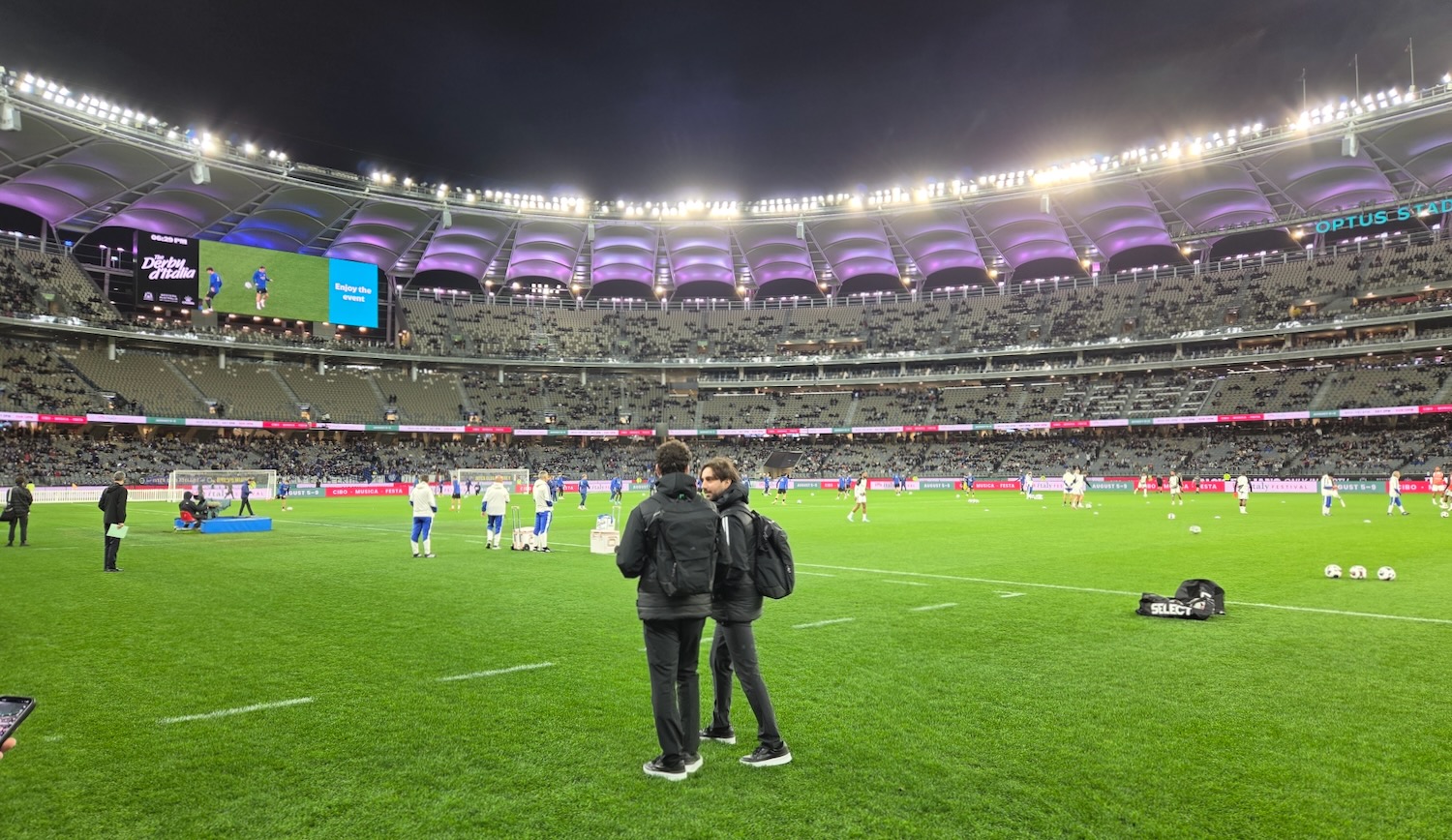
Nearly everyone who attends a sporting event or a concert has a smartphone and most use their device to share the experience or make calls or both.
At Optus Stadium, which was built in 2019, Optus has divided the stadium into 28 dedicated coverage zones to better serve users across both 4G and 5G.
There is an array of specialists antennas with the signal beamed in to cover the respective sections.
There is also an advanced In-Building Dedicated Antenna System (IBS) which also provides high-speed coverage for general seating, deep within the stands, corporate boxes and conference rooms, restaurants and back of house operational areas.
And it’s not just for sporting events.
Optus Stadium holds a variety of different sporting events – AFL, soccer, rugby league, rugby and cricket but has also been an attractive venue for concerts as well.
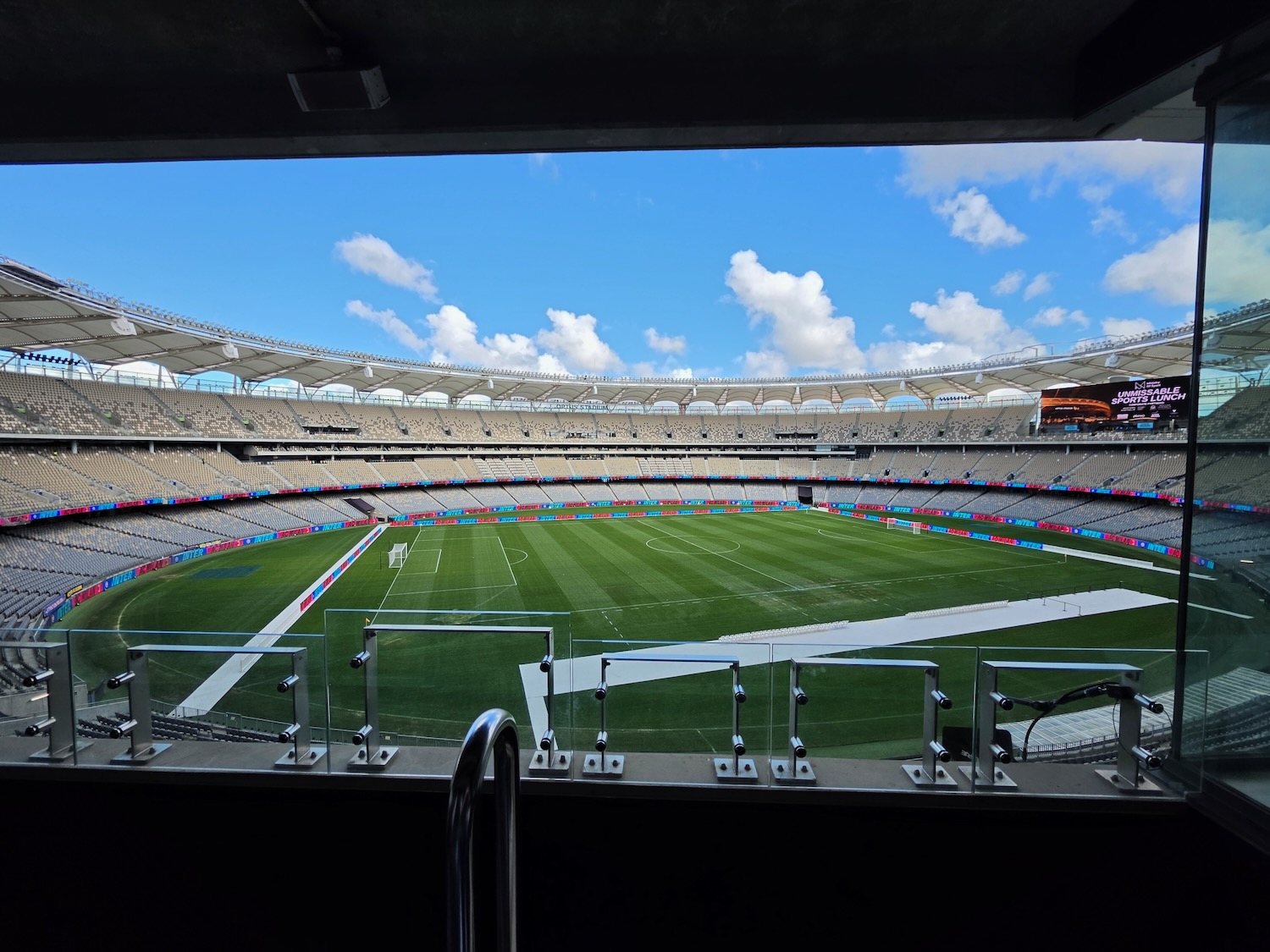
The Optus network architecture can be optimised to deliver uniform optimal coverage directly on to the field when the stadium is configured for concert crowds and other main stage events.
But the secret sauce to keeping a signal strong when everyone inside the stadium is online involves more than just Optus antennas and towers surrounding the stadium.
There is a network of fibre optic cables connecting them all together.
Inside the stadium, the Optus optical fibre transport provides future capacity and upgraded reliability during high-demand events.
Optus monitors the performance of the network live on site during sporting events and concerts to balance traffic and optimise the experience for the customer even during peak demands.
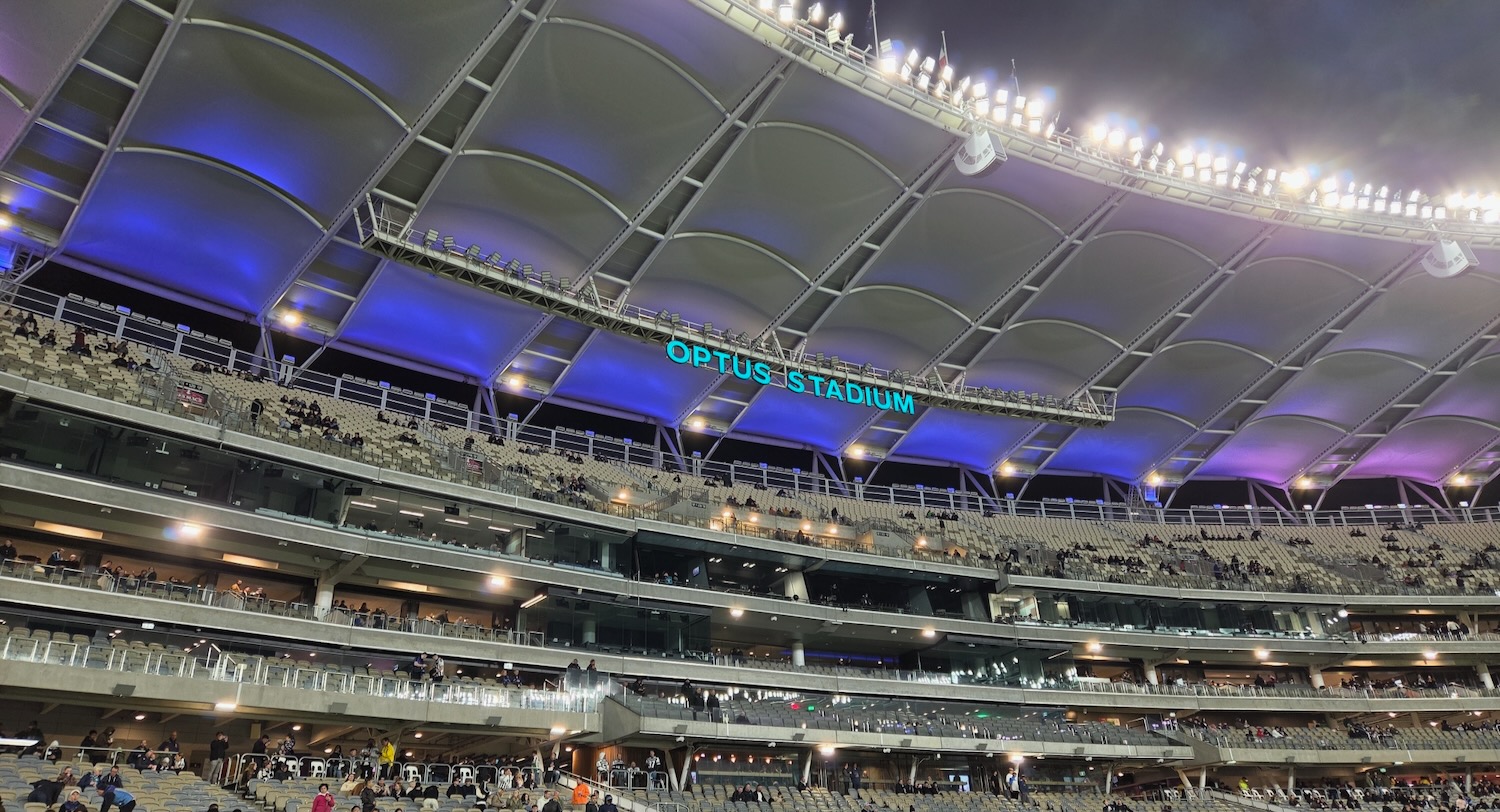
Another remarkable feature at Optus Stadium is network slicing, which can create a designated lane within the network to meet the specific needs for different services or user groups.
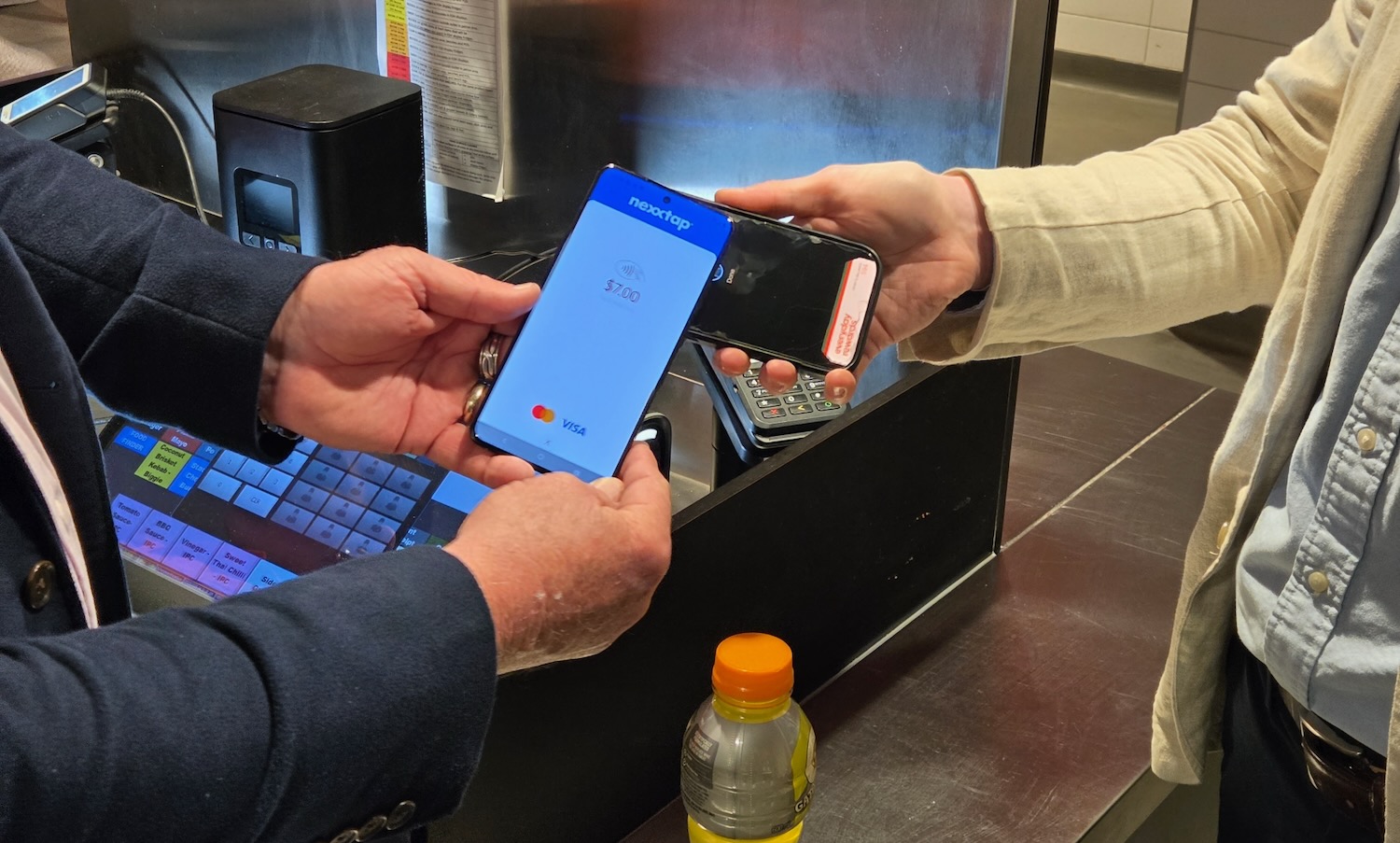
For example a network slice might be dedicated to the food and beverage vendors to allow fast and seamless payment transactions.
At a recent V8 Supercar event Optus deployed network slicing to allow the teams to be easily able to communicate with their drivers and stream multiple data points.
At last week’s AC Milan v Inter match at Optus Stadium there were more than 52,000 fans in attendance.
During the match fans consumed 2.4 TB of mobile data, which is the equivalent of sharing more than 625,000 photos or streaming about half a million songs.
The peak traffic moment was at half time when one in five fans were online and sharing content at the same time.
During the match 15 per cent of the crowd were engaged continuously on social media, posting and sharing content.
Optus says the fans became mini broadcasters with mobile uploads more than double those recorded during a comparable AFL match.
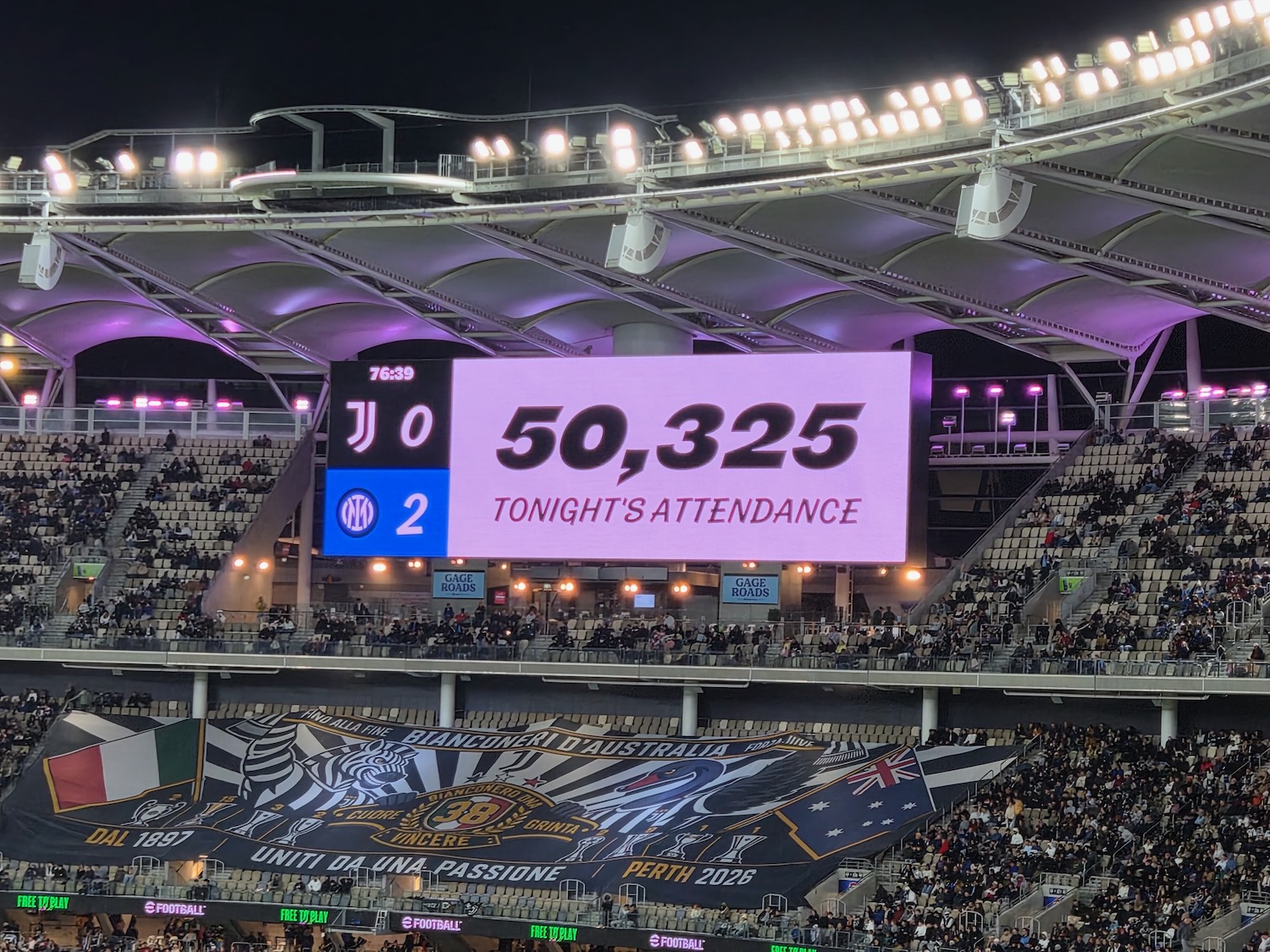
In total overall data usage was 30 per cent higher than the West Coast Eagles v Western Bulldogs match at Optus Stadium in July even though the crowd numbers were the same.
And the most used social media platform on the night was Instagram, followed by Snapchat, Facebook, and TikTok.
Fans also took the time to make 10,960 voice calls during the event, more than double the volume recorded at recent AFL games.
* Stephen Fenech travelled to Perth as a guest of Optus
