

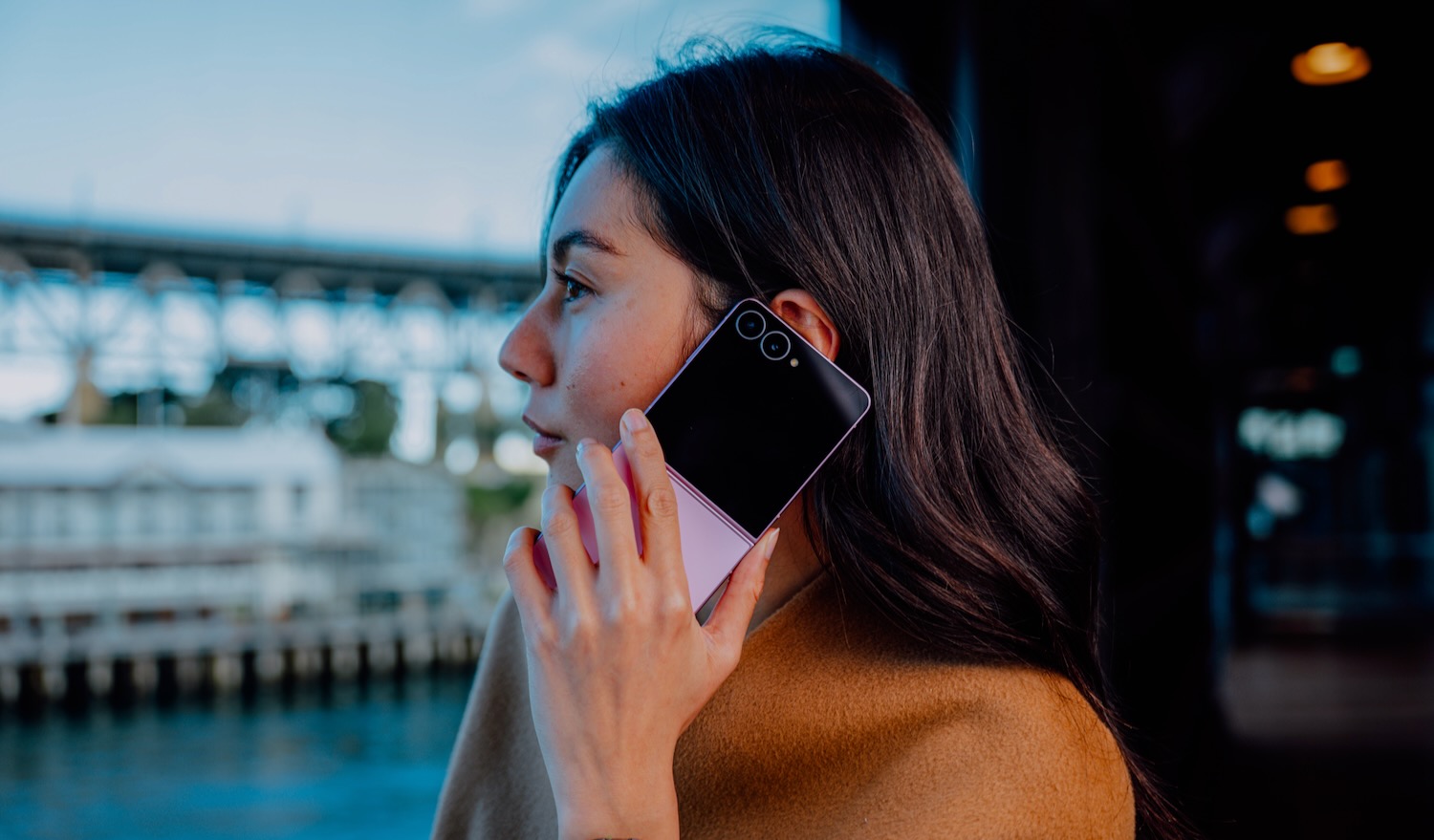


New research by Samsung shows calls and texts are no longer the primary use of smartphones for almost a quarter of Australians aged 18 to 24.
For 22 per cent of young Australians between 18 and 24, calls and texts – the first features enabled when mobile phones became a popular consumer product – is now not the top priority.
For everyone else, calls and texts as the main use of their device have fallen from 67 per cent in 2019 to 53 per cent in 2026.
This is a significant shift in how Australians use mobile phone technology.
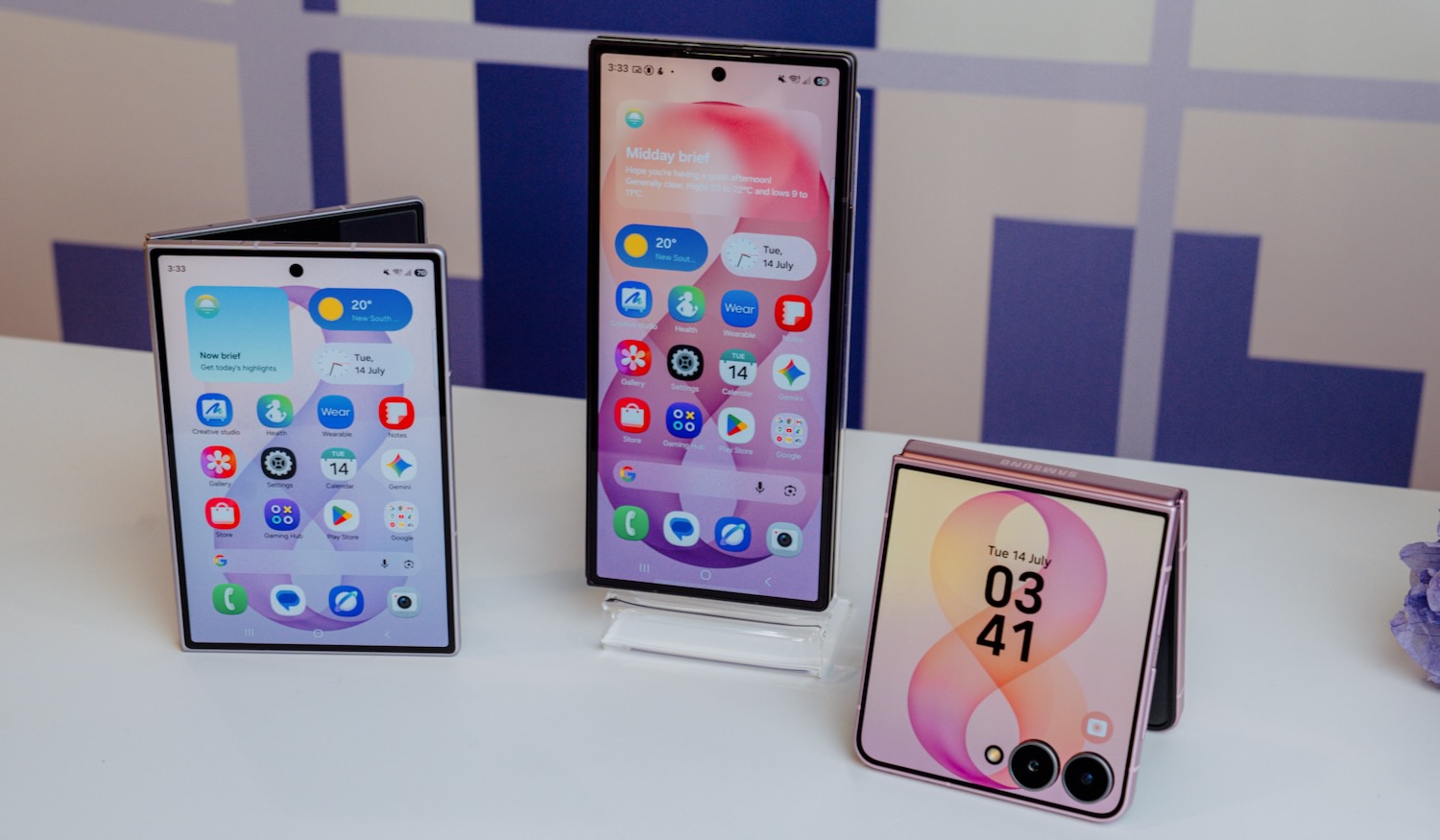
The study shows smartphones are increasingly becoming more work-centric but also designed for entertainment, creativity, and everyday life.
As a result Australians are demanding more from their mobile devices than ever before.
The change in behaviour in the past seven years has coincided with the period when Samsung released its first foldable phone.
In fact, foldable phones have emerged as the new all-in-one solution for productivity, creativity, and entertainment.
Apple has also just entered the foldable market with the release of the iPhone Duo.
It will certainly bring a lot more attention to the category and attract more customers to adopt the new form factor.
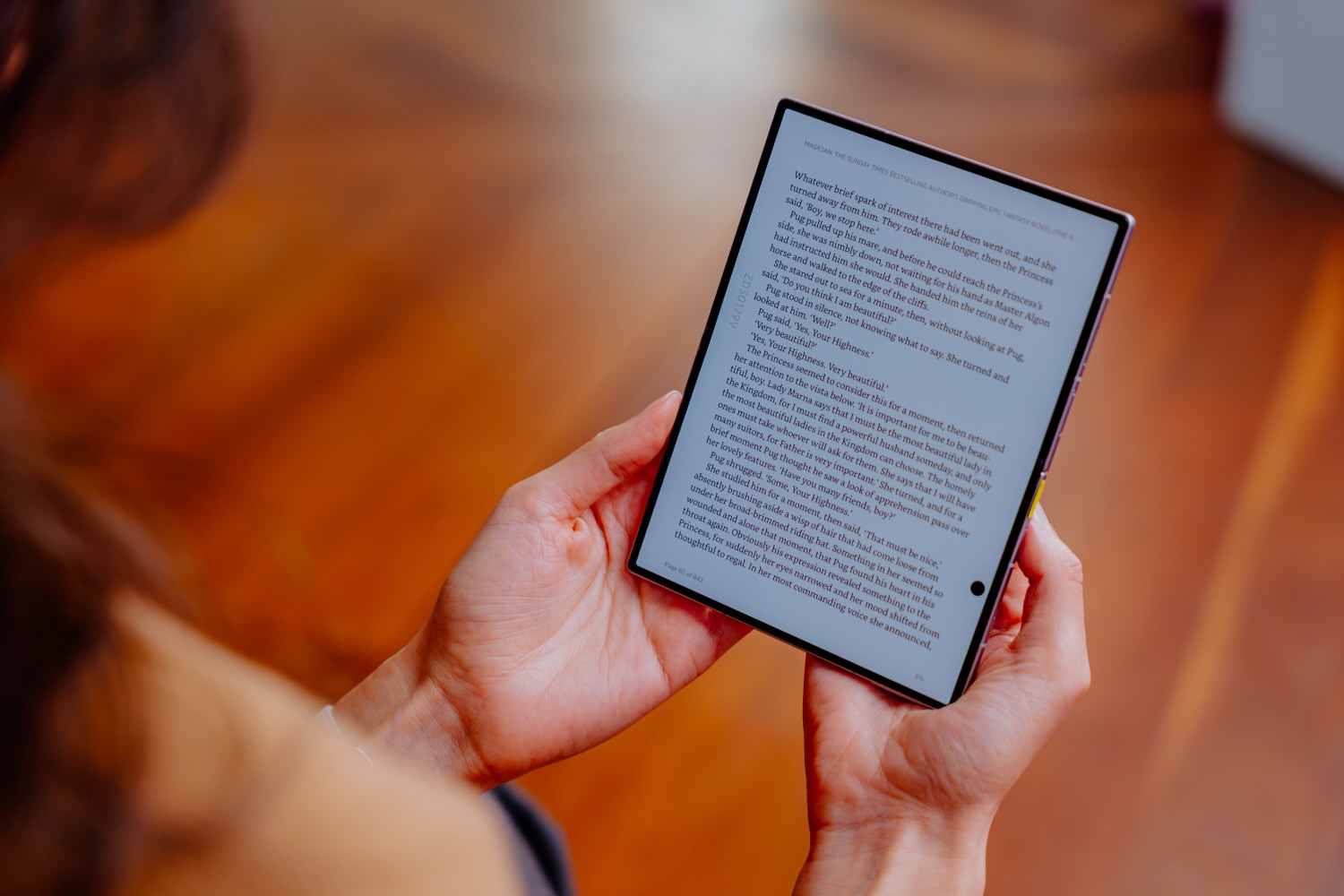
Social media recorded the biggest increase as a primary smartphone usage, rising from 17 per cent in 2019 to 24 per cent in 2026.
Meanwhile smartphone use for work purposes increased by more than 50 per cent in the same period.
“In just seven years, Australians have shifted from using smartphones primarily to call and text to relying on them as all-in-one tools for work, payments, navigation, social connection and AI-powered assistance,” says Gary Mortimer, Queensland University of Technology, Professor of Marketing and Consumer Behaviour.
“The smartphone has evolved from a communication device into a digital life hub.”
The research also showed 60 per cent of Australians say smartphone productivity is more important today than it was in 2019, while 63 per cent see the improvement in smartphone photography as a key feature.
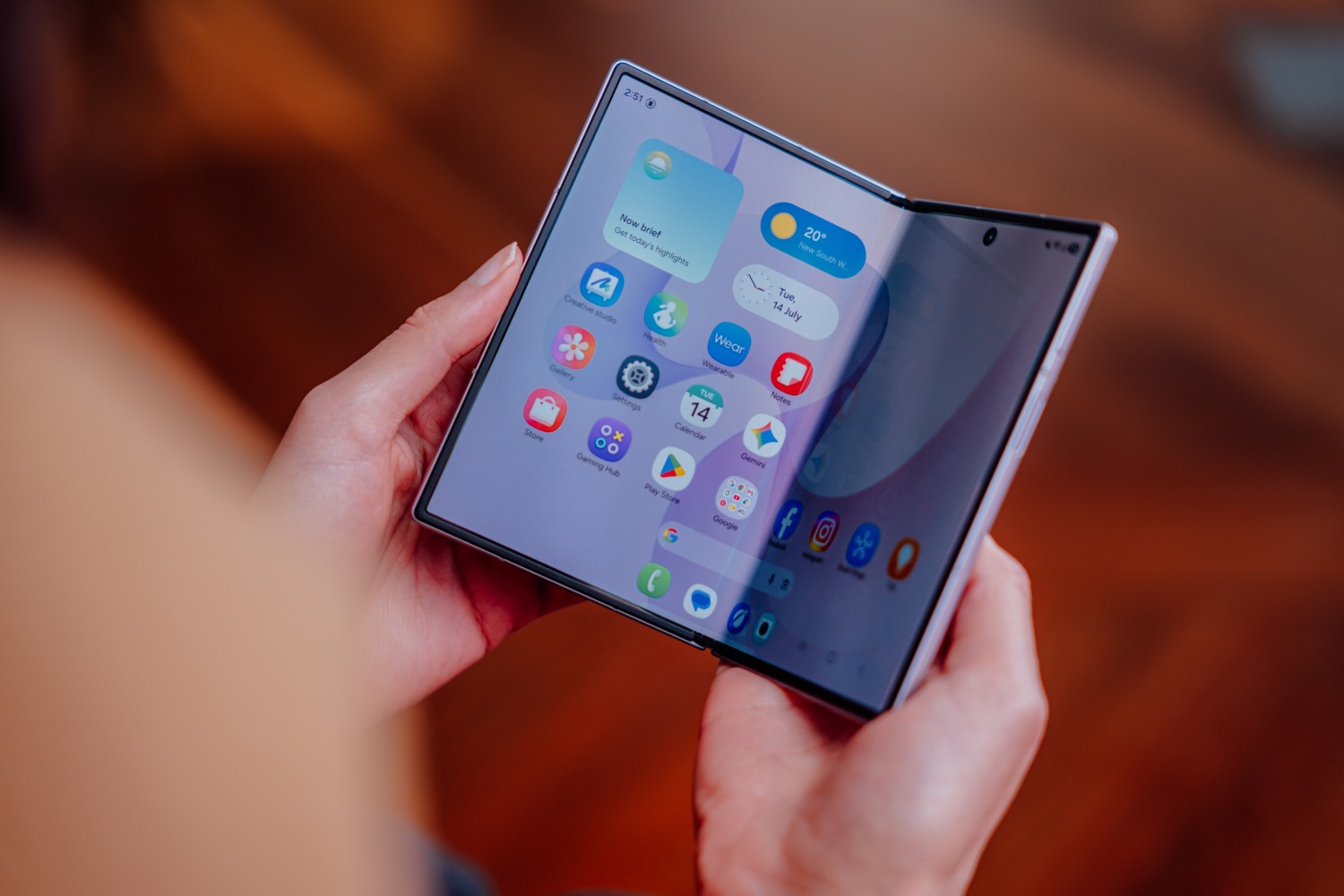
Another 40 per cent say they their smartphone replacing their wallet, keys, and ID is also an important smartphone innovation that they didn’t know they needed seven years ago.
The findings also play into the growing appeal of a foldable smartphone.
Earlier this year Samsung introduced the Galaxy Z Fold8 – a passport-shaped foldable smartphone which has been a huge success around the world.
It was also joined by the Galaxy Z Fold8 Ultra and the Galaxy Z Flip8 which expanded Samsung’s portfolio to support different customers and different lifestyles to suit their productivity, multitasking, creativity and entertainment needs.
