

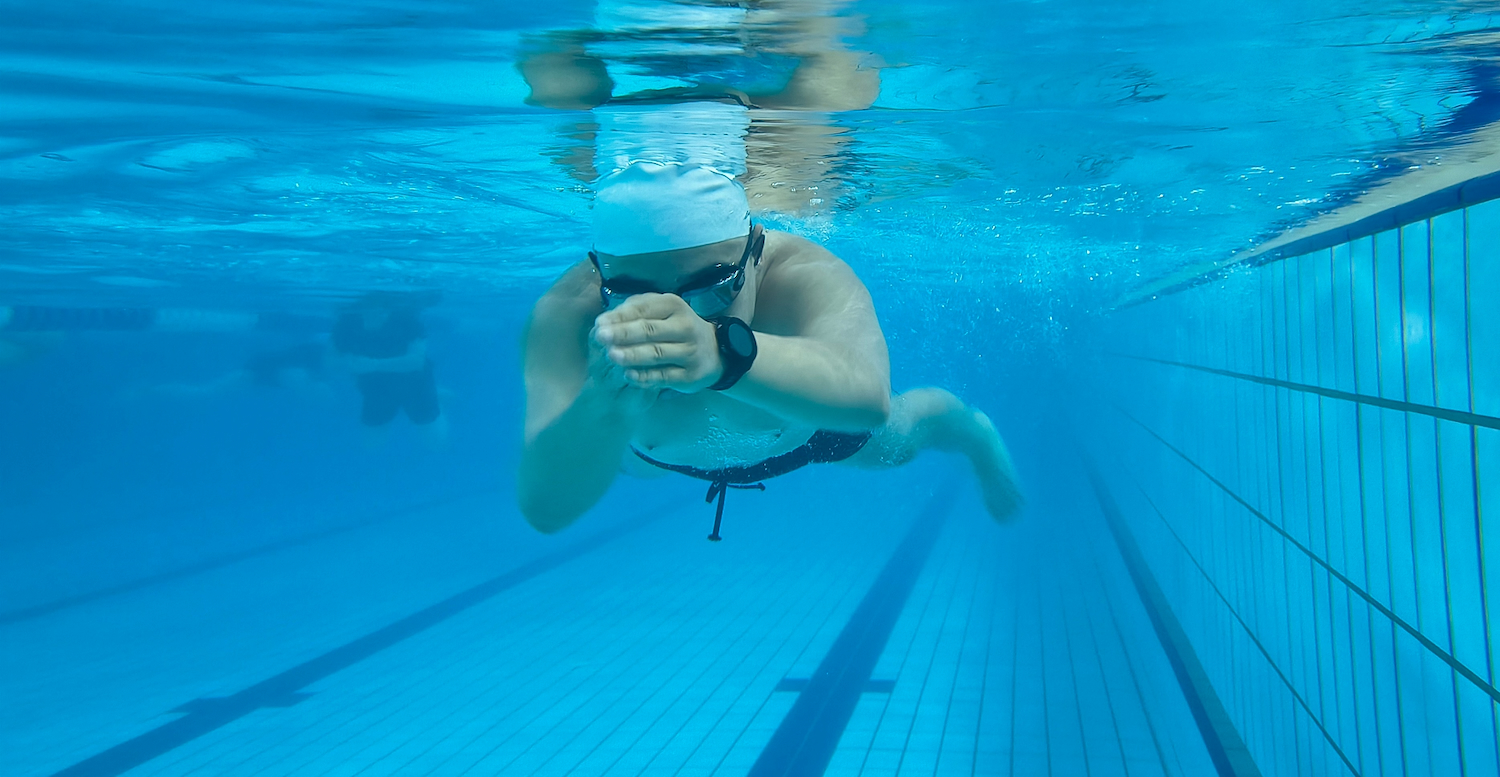


A backyard swimming pool can become a more versatile home fitness space with the right equipment. For Australian homeowners who want to swim regularly but lack the room for a full-length lap pool, a portable swim machine offers another way to build swimming into their daily routine.
Unlike traditional swimming, which relies on pool length, a counter-current swimming system produces a continuous flow of water for swimmers to move against. This makes it possible to practise strokes, work on endurance and maintain a steady workout in a comparatively compact pool.
Portable models take the concept further by reducing the need for permanent installation. However, the best option depends on how often you swim, the level of resistance you need and how much flexibility you want from your pool equipment.
What Makes a Good Portable Swim Machine?
Not all swim machines create the same swimming experience. Before comparing models, it is worth looking beyond headline water-flow figures and considering several practical factors.
Current strength and adjustability: A useful system should provide a range of settings for warm-ups, technique practice and more demanding sessions. The current’s direction, width and consistency also influence how natural it feels to swim against.
Portability and setup: Battery-powered equipment that mounts at the pool edge can suit homeowners who want to avoid permanent construction. The mounting arrangement still needs to be compatible with the pool’s edge and surrounding clearance.
Battery runtime: Maximum runtime matters most to swimmers planning longer sessions or frequent workouts. Actual endurance depends on the model, current setting and operating conditions.
Pool compatibility: Check the minimum pool dimensions, operating depth, mounting requirements and distance available for swimming. A portable design does not automatically mean every pool is suitable.
Three Portable Swim Machine Options for Different Needs
The iGarden Swim Jet X Series offers three models with different output levels and advertised runtimes. Rather than treating one configuration as the best choice for everyone, buyers can compare the range against their expected use.
1. Best for Beginners and Occasional Swimming: iGarden Swim Jet X Air
The iGarden Swim Jet X Air is the entry model in the range and is suited to lighter recreational use, introductory swim-current training and shorter sessions.
It has a rated output of 400 W and a stated maximum water flow of approximately 180 m³/h. Its swimming pace range extends to 0.9 m/s at the manufacturer’s specified measurement position, while maximum battery runtime is listed at up to 2.5 hours.
For homeowners who want to add a current to an existing pool without immediately committing to the highest-output model, this configuration offers a starting point. It can also suit households where recreational swimming is a bigger priority than extended training sessions.
2. Best for Regular Fitness Sessions: iGarden Swim Jet X 5
The iGarden Swim Jet X 5 sits between the entry model and the top configuration. With a rated output of 700 W, it delivers a stated maximum flow of 200 m³/h and a swimming pace range of up to 1.0 m/s at the specified measurement position.
Its advertised maximum runtime is up to five hours, depending on operating conditions and settings.
This makes the X5 worth considering for homeowners who expect to use their pool for regular exercise and want a balance between output and battery endurance. It provides another step up for swimmers who want more flexibility in their training without automatically choosing the most powerful model.
3. Best for Longer Sessions and Higher Output: iGarden Swim Jet X PRO 10
The iGarden Swim Jet X PRO 10 is the top-output option in the series. Its rated output is 1,000 W, with a stated maximum water flow of 250 m³/h and a swimming pace range of up to 1.2 m/s at the specified measurement position.
Maximum battery runtime is advertised at up to 10 hours, although actual use varies with the operating settings.
For frequent swimmers and households that expect to use the equipment throughout the day, the larger battery capacity and higher output may make this configuration the more suitable choice. The stronger available current also gives users more scope to select a setting that matches their ability and exercise goals.
These figures come from the manufacturer’s published specifications rather than an independent comparative test. Maximum outlet flow speed should not be confused with the swimming pace a person can sustain.
Why Portable Swim Technology Suits Existing Pools
Permanent counter-current systems can be appropriate for new pool builds or major renovations, but they may require more planning when added to an established backyard pool.
The iGarden Swim Jet X Series portable swim machine takes a different approach. It uses a pool-edge mounting design and a rechargeable battery system, avoiding the need for conventional permanent poolside wiring or major pool renovation when the installation requirements are met.
The range also incorporates AI Inverter technology and app-based control. These features are designed to give users greater flexibility over how they operate the equipment, whether they are practising strokes, completing a fitness session or using the pool recreationally.
Compatibility still needs to be checked before purchase. Pool-edge construction, dimensions, water depth and available clearance can affect whether the unit can be used correctly.
How to Choose the Right Model for Your Pool
The most expensive or powerful model is not necessarily the best fit for every household. Consider your intended use before comparing specifications.
| Buying priority | What to look for |
| Occasional swimming | A manageable output level and sufficient runtime for shorter sessions |
| Regular fitness | Adjustable current, suitable resistance and practical battery endurance |
| Longer swimming sessions | Higher available output and a runtime suited to your routine |
| Flexible pool use | Portable mounting, straightforward storage and compatible pool dimensions |
| Convenient operation | Clear controls, suitable safety features and accessible charging arrangements |
It is also useful to distinguish water-flow volume from current velocity. A figure expressed in cubic metres per hour describes the volume of water moved over time, while velocity describes how quickly water travels. Neither figure alone tells the whole story about the resistance a swimmer will experience.
Where possible, compare specifications measured at equivalent distances from the outlet and check whether the available resistance range matches your swimming ability.
Safety and Practical Considerations
Portable swimming equipment still requires careful setup and use. Follow the manufacturer’s installation instructions, check the mounting points before each session and keep the equipment clear of people who are not using it.
Pay particular attention to the manufacturer’s waterproofing, battery-handling and automatic shut-off instructions. Children should be actively supervised around pools and operating swim equipment, and portable devices do not replace required pool barriers or other safety precautions.
Before buying, confirm the model’s pool compatibility, charging arrangements, warranty terms and service support in Australia. These practical details can be just as important as the headline performance figures.
Making Backyard Swimming Work Harder
The best portable swim machine is the one that suits the pool you already have and the way you intend to use it. Beginners and recreational swimmers may favour a lighter configuration, regular fitness enthusiasts may prefer a mid-range option, while longer sessions and stronger current requirements can justify a higher-output model.
By comparing current characteristics, battery runtime, pool compatibility and installation requirements, Australian homeowners can make a more informed decision about turning an existing backyard pool into a more flexible space for swimming and fitness.
