



Modern vehicles are packed with technology designed to keep us safe, yet human behaviour and distraction remain significant challenges on the road.
This is particularly evident during the mid-afternoon. A recent behavioural study released by insurance experts indicates that the 3pm hour is Australia’s most stressful time to drive, heavily influenced by fatigue and distraction rather than by traffic volume alone.
“How stressful is driving at 3pm?”
Source: Youi Insurance
Why the tech in your dashboard cannot do all the work
As the workday winds down and domestic responsibilities ramp up, driver attention wanes. The study found that 43% of drivers feel too mentally drained to concentrate around 3pm, and that mental slump often leads to poor decision-making. Drivers cited mobile phone use (19%) as a key factor when assessing the cause of incidents involving others. It is worth being honest about what modern safety tech can and cannot fix here. Lane-keep assist, adaptive cruise control and driver-monitoring cameras are genuinely useful, but they are built to catch a car drifting or a driver nodding off, not to fix the underlying mental fog that builds up over an afternoon of back-to-back commitments. The habits still matter more than the hardware.
The small screen doing the most damage
Phones remain the single biggest distraction most of us carry into the car, and the fix is often sitting in the settings menu already. Both iOS and Android have had driving-focused Do Not Disturb modes for years now, ones that can auto-activate based on Bluetooth connection to the car or detected motion, silence notifications, and send an automatic reply to anyone who texts while you are behind the wheel. Most drivers know the feature exists. Far fewer have actually turned it on. Setting it up once, so it switches on automatically rather than relying on remembering to tap it every trip, removes one of the easiest points of failure during the 3pm rush.
Getting Do Not Disturb actually right
Not all driving-detection modes are created equal, and it is worth understanding the difference before assuming yours is working. Motion-based detection, the more common default, can occasionally activate while you are only a passenger, or fail to trigger on a familiar short trip if your phone does not register car-specific movement patterns. Bluetooth-based activation, tied to pairing with the car’s own system, tends to be more reliable, but only once the phone has paired with the vehicle’s infotainment unit at least once. Whichever method your phone uses, it is worth testing it on a short drive and checking the relevant settings menu rather than assuming the default configuration is doing its job during the exact window it matters most.
Turning route-planning apps into a proactive tool, not a reactive one
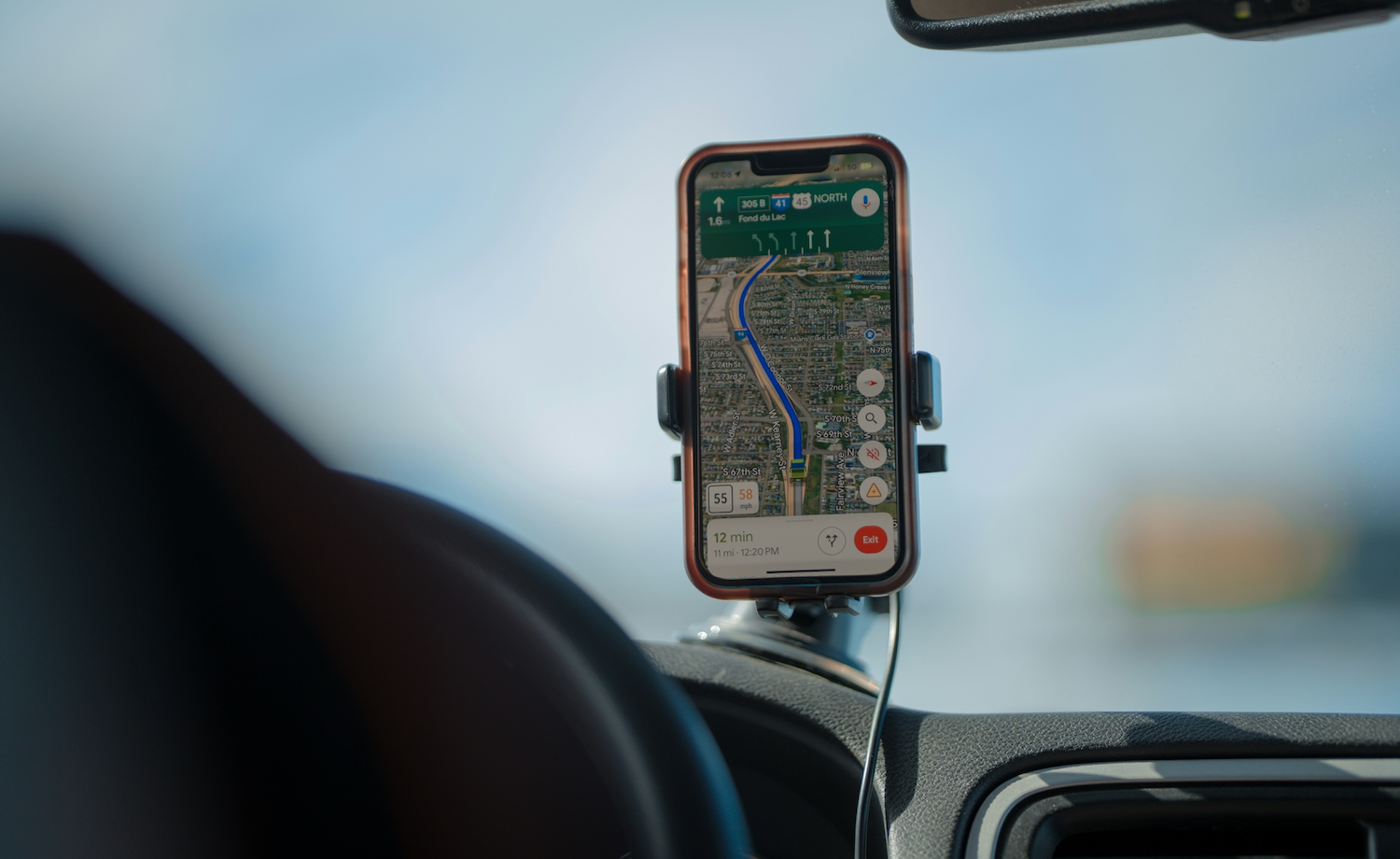
The full Project 3PM study highlights that technology and smart habits need to work hand in hand to combat this afternoon slump, and route planning is a good example of where that already happens well. Interestingly, 18% of surveyed drivers identified better route planning as a key change to reduce afternoon stress, and this is precisely what apps like Google Maps and Waze are built for, live traffic rerouting, saved favourite locations for the school and the usual afternoon stops, and ETA sharing that lets family know you are on the way without needing a phone call mid-drive. The trick is using these tools proactively, checking the route before you leave rather than reacting to a notification once you are already stuck.
In-car technology worth knowing about
Beyond the phone, there is a decent case for a few pieces of dedicated hardware. A dashcam is cheap insurance in the most literal sense, giving an objective record if a dispute ever arises from a school-zone scrape, and modern units increasingly include driver-facing fatigue alerts as standard. Wireless CarPlay and Android Auto adapters remove one of the more fiddly distractions of getting into the car, the fumble for a cable while already running late, and are a genuinely worthwhile upgrade for older vehicles that only came with wired support. Newer vehicles are also increasingly fitted with driver-monitoring cameras as standard, tracking eye movement and head position to flag fatigue or distraction directly, a feature that is becoming more common across the Australian new-car market as safety regulations tighten.
The playbook behind the plan, prepare, pause habit
None of this technology replaces the basics, and the researchers behind the study, working with road safety group Road Sense Australia, built a simple framework around exactly that: plan the trip before you are already running late, prepare the car and the route in advance, and pause for a moment before pulling out to check in with how rushed you actually feel. Road Sense Australia advocates that the safest decisions during the 3pm rush are made before the engine even starts, and the technology above is really just a way of making that preparation easier, syncing a route the night before, letting Do Not Disturb handle the phone automatically, and using a dashcam as a quiet backstop rather than a substitute for attention.
Prevention over paperwork
Coupling reliable in-car technology with comprehensive car insurance provides a necessary safety net, but prevention remains the ultimate goal. By setting devices to Do Not Disturb before driving, using route-planning apps proactively rather than reactively, and allowing a few extra minutes of travel time, motorists can navigate the mid-afternoon chaos with noticeably less friction, and with a lot less reliance on the safety systems doing the catching after the fact.
