



- RATING
Apple has hit a home run with the iPhone Duo. It showcases Apple's strength of combining stunning hardware with intuitive software provide an amazing experience that will surprise and delight customers. It will be the device responsible for turning the foldable smartphone from a niche product into a popular mainstream device.
Apple’s release of the iPhone Duo is the biggest launch in the 20 year history of the iPhone and has drawn the same level of interest that we saw with the original device back in 2007.
This is a monumental moment for the company entering the foldable smartphone category for the first time and it has done it in style.
We anticipate most of the people who purchase the iPhone Duo will be first-time foldable users and likely coming from an iPhone.
For these users there will be some onboarding issues and things they need to get used to.
Apple has adapted its software brilliantly to the new form factor.
And that’s where the company has an advantage over other companies that have already released foldable devices.
iOS 27 has been brilliantly optimised for this new foldable form factor.

Samsung is currently in its eighth generation of foldable devices has really paved the way in the category.
Samsung’s Galaxy Z Fold8 has a similar size and shape to the new iPhone Duo but it was released a few months earlier.
And the implication Samsung somehow found out the Duo’s aspect ratio and beat Apple to the punch is completely unfounded.

Samsung floated a similar design to what is now the Galaxy Z Fold8 in a video it showed during the Consumer Electronics Show back in 2013 when foldable devices were just a concept. Watch our review video to see it.
That aside, the uniqueness of the iPhone Duo is still vastly apparent.
As Apple has done so many times in the past – it has entered a brand new market and completely turned it on its head.
The iPhone Duo is case in point.
Despite eight generations of Samsung foldables and other companies like Google, Oppo, Motorola and Honor entering the foldable category, has remained a niche product.
Until now.
DESIGN
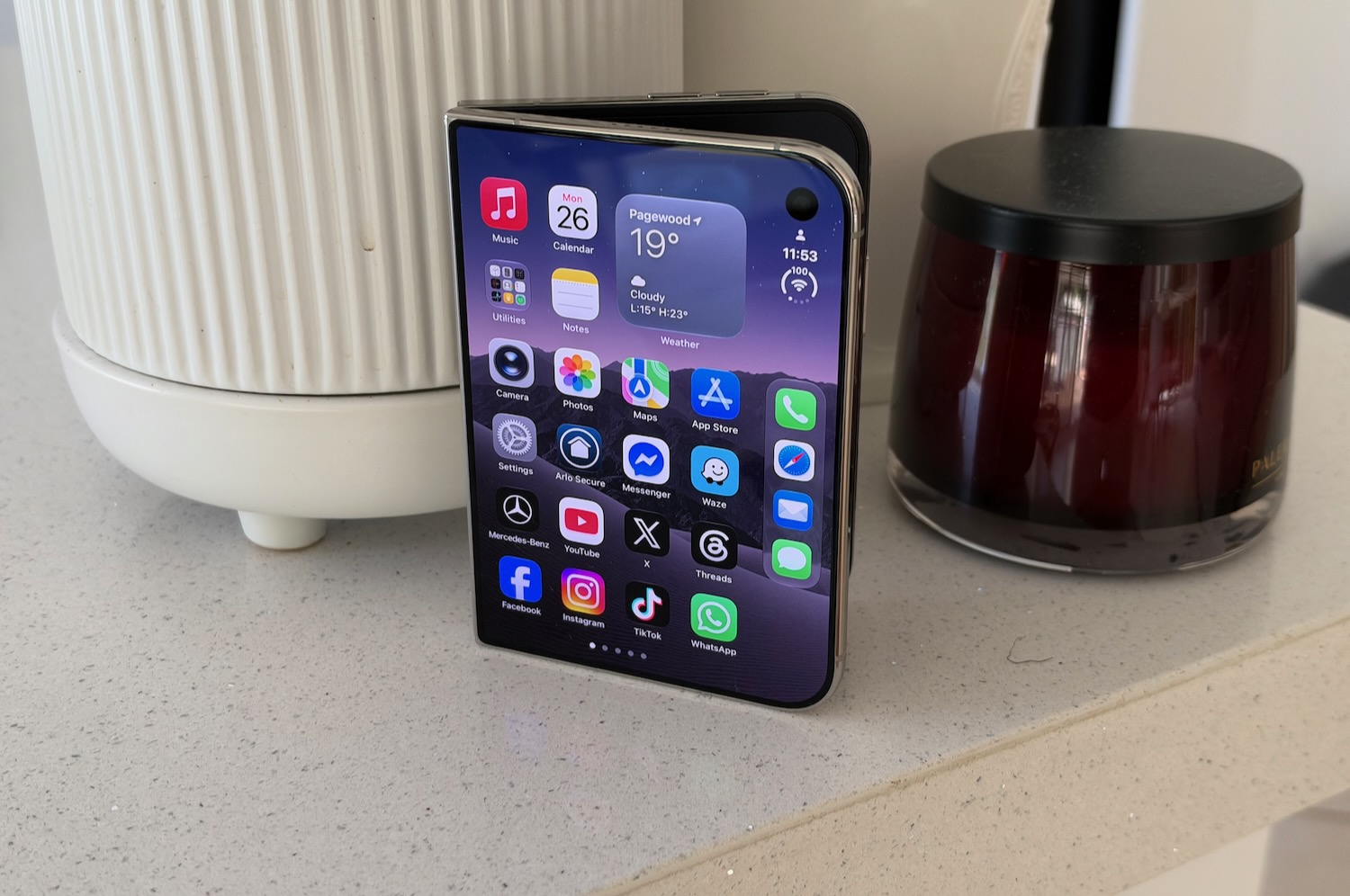
The iPhone Duo has a titanium frame and hinge cover with a 5.4-inch Super Retina XDR outer display and a 7.6-inch Super Retina XDR foldable display.
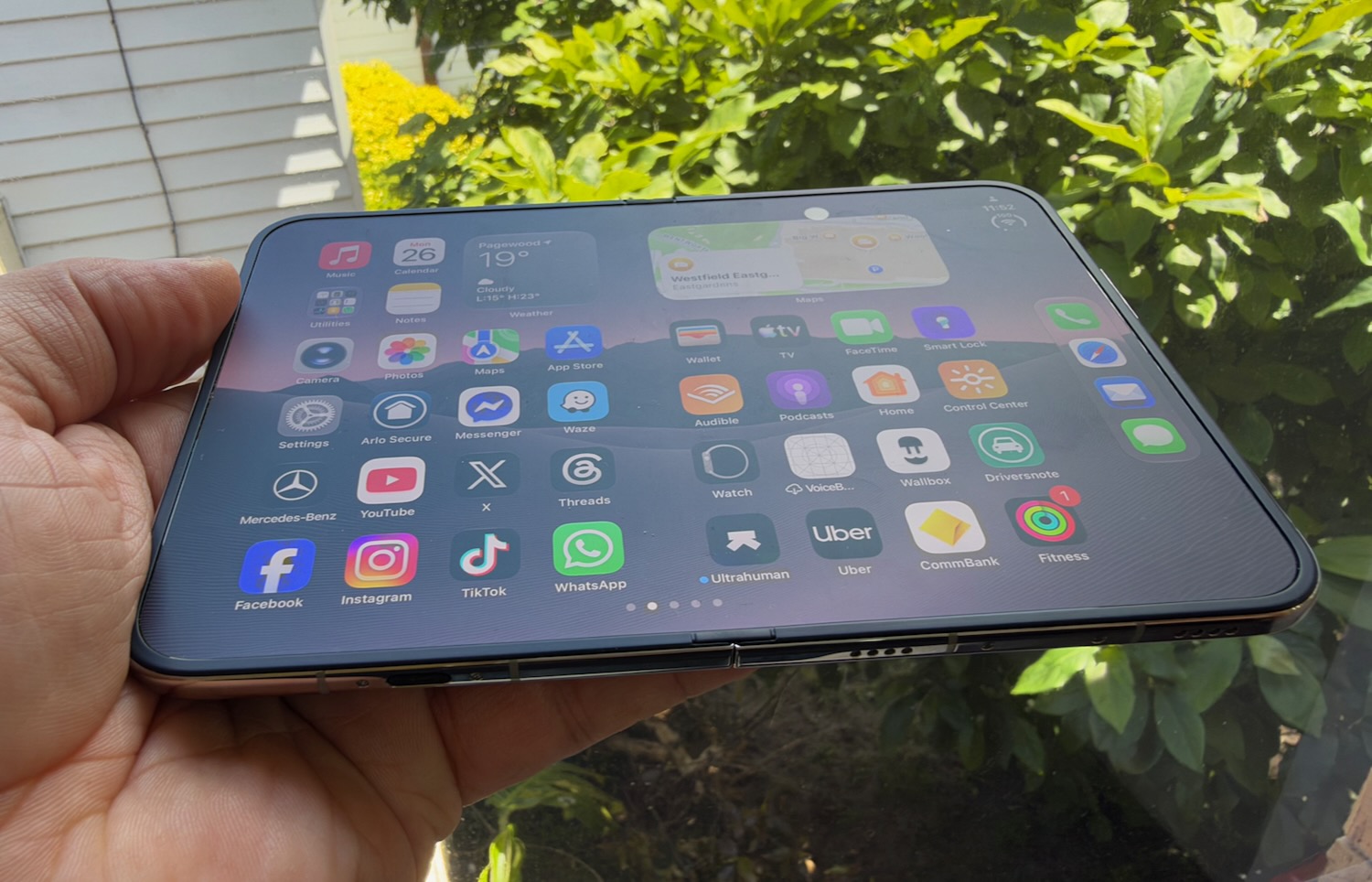
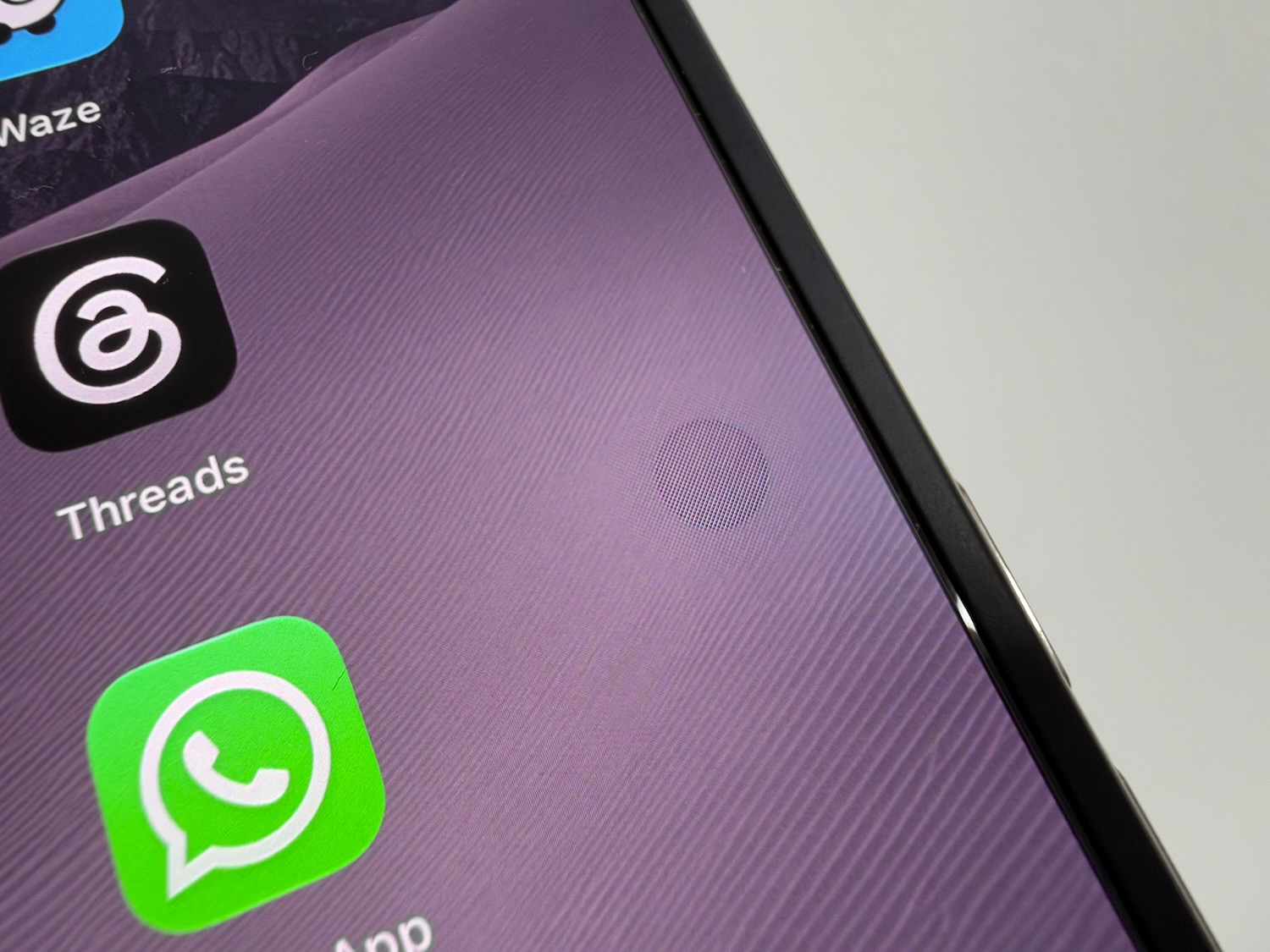
The inside display also features Apple’s nano-texture which is a masterstroke because it not only eliminates reflections but also hides the crease.
iPhone Duo is running the same A20 Pro chip as the iPhone 18 Pro series so Siri, AI, and Apple Intelligence are at your fingertips.
The first thing you’ll notice when you get it in your hand is that it’s heavy.
At 254g, the iPhone Duo is heavier than the iPhone 18 Pro Max, which is 249g.
On the right edge is the power button which also doubles as Touch ID.
Below this is the camera control button and the volume controls are on the top edge.
On the rear panel are the two 48MP Dual Fusion Cameras.

With this new configuration users will go through an onboarding period to adjust to the new layout, not only of the physical buttons but also the software.
It is still iOS 27 but things like back buttons and other layouts been updated to suit the new passport shape and the larger foldable display.
Depending on the orientation and how you hold the iPhone Duo, the location of things like the Touch ID button and the volume controls will change.
NO FACE ID
The first thing users will notice, especially those coming from a regular iPhone, is that there is no Face ID to unlock the iPhone Duo.
There is only Touch ID which is just as secure but maybe slightly slower in unlocking the device.
It’s a good idea to register several fingers for Touch ID so that you can use the closest one to unlock the device.
When you open the iPhone Duo and hold it in portrait mode, the Touch ID button will be either at the top or bottom of the device depending on how you hold it.
Having a few fingerprints registered will help you unlock the device faster.
If you own an Apple Watch you can also set it to automatically unlock as long ad they are paired.
APPS
All the apps of the iPhone Duo are in a new house and have to adapt to the different size and shape of the screens.
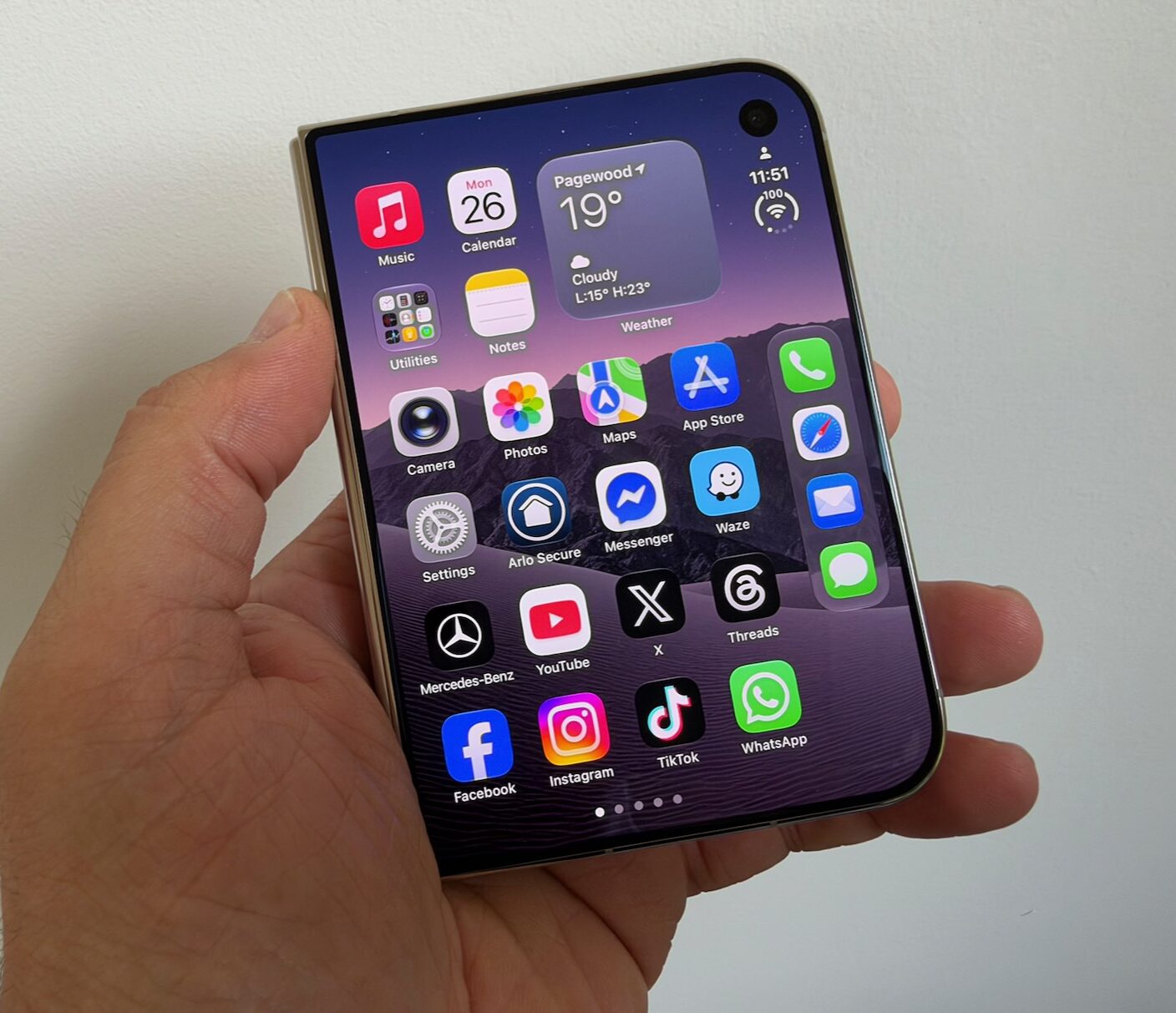
On the front screen Apple has positioned the most often used apps – Phone, Messages, Safari and Mail on the right edge to allow the app layout to go completely from top to bottom of the screen.

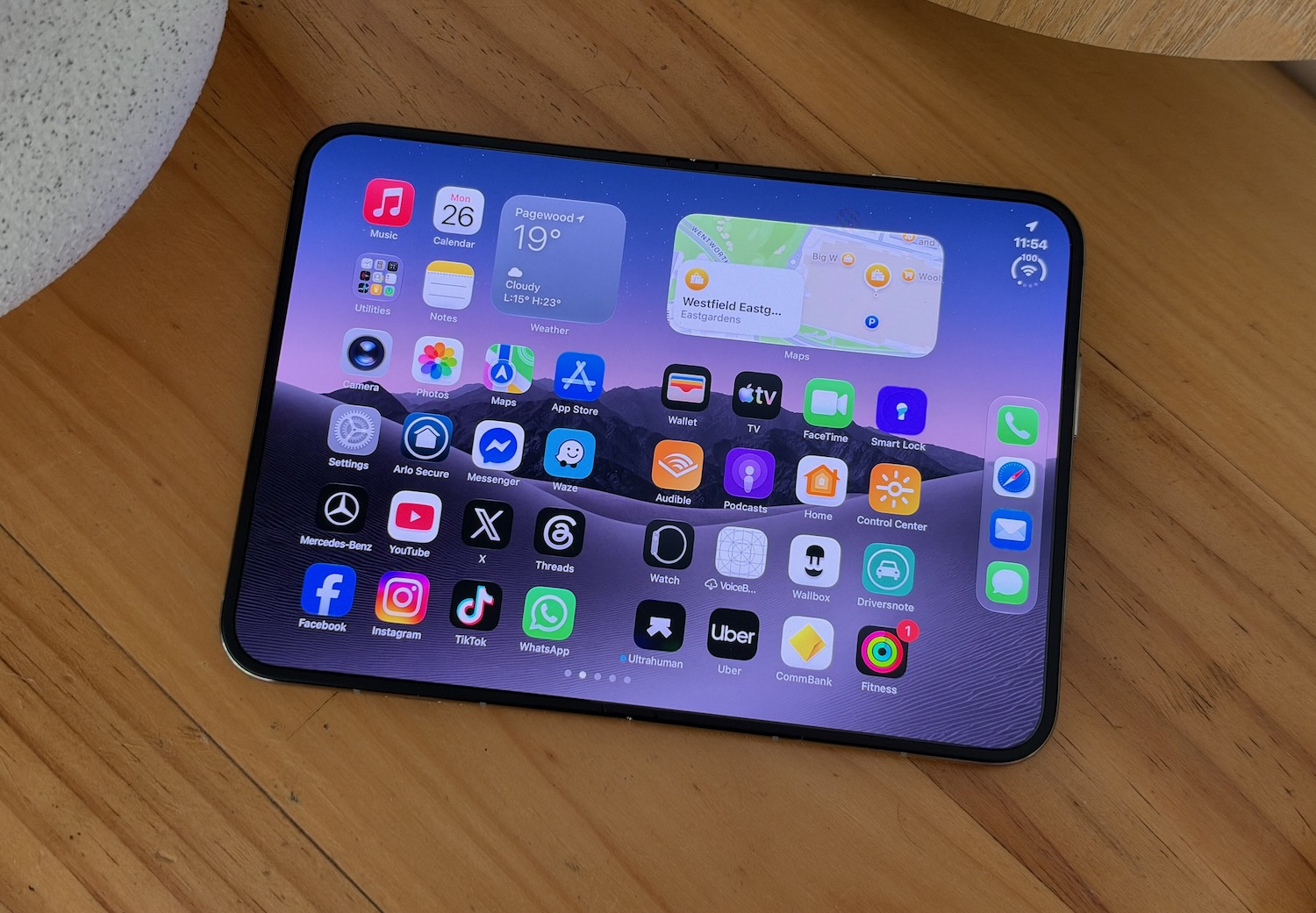
It’s the same when you open the iPhone Duo in landscape mode.
But when you switch to portrait those apps then are positioned at the bottom of the screen like a regular iPhone.
All of Apple’s apps have been adapted to the new form factor but third-party app developers are constantly sending updates.
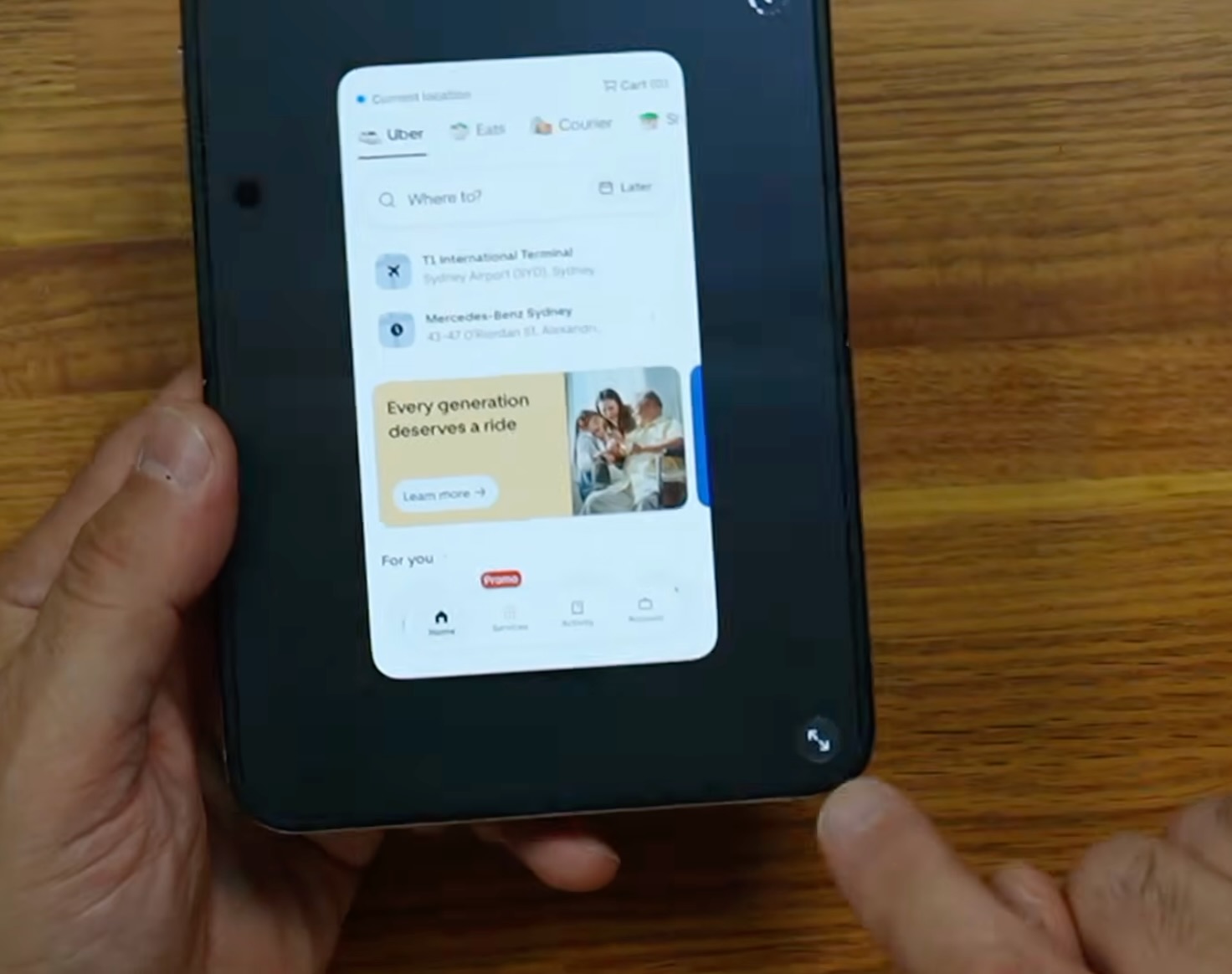
In the a few days, which we’ve had the phone there have been many app updates through the App Store so it will take time for them to catch up.
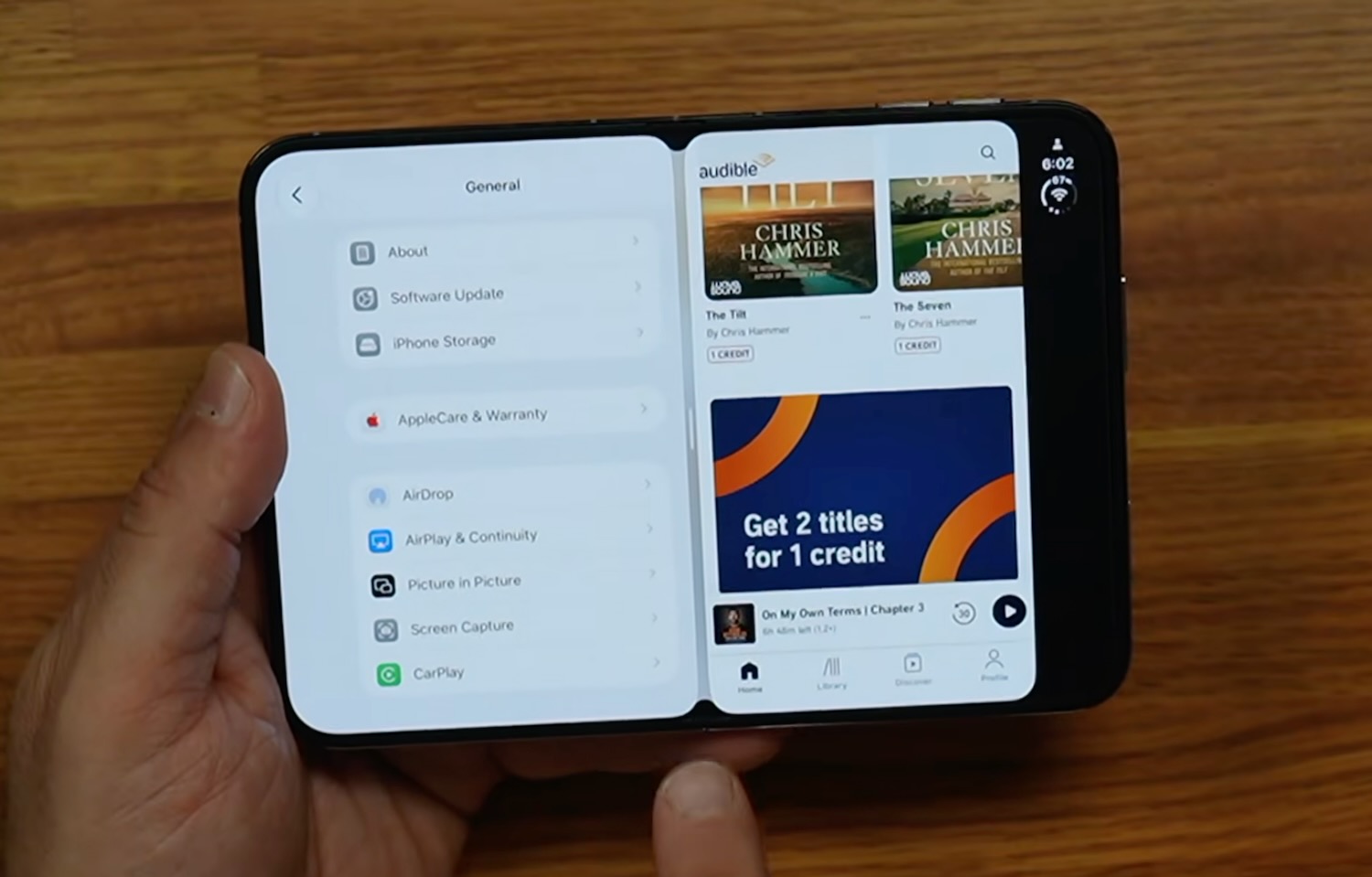
Many have already gone to the trouble of updating to iPhone Duo, including popular apps like Netflix, Facebook and Instagram but others like Uber, Audible are yet to be updated.
A lot of these apps, when viewed in the larger display, just sit in the centre of the screen and can be enlarged to fit the display.
DUO APPS
Another strength for Apple is the developer community and they’ve come up with some remarkable apps that take advantage of the dual screens and foldable form factor.
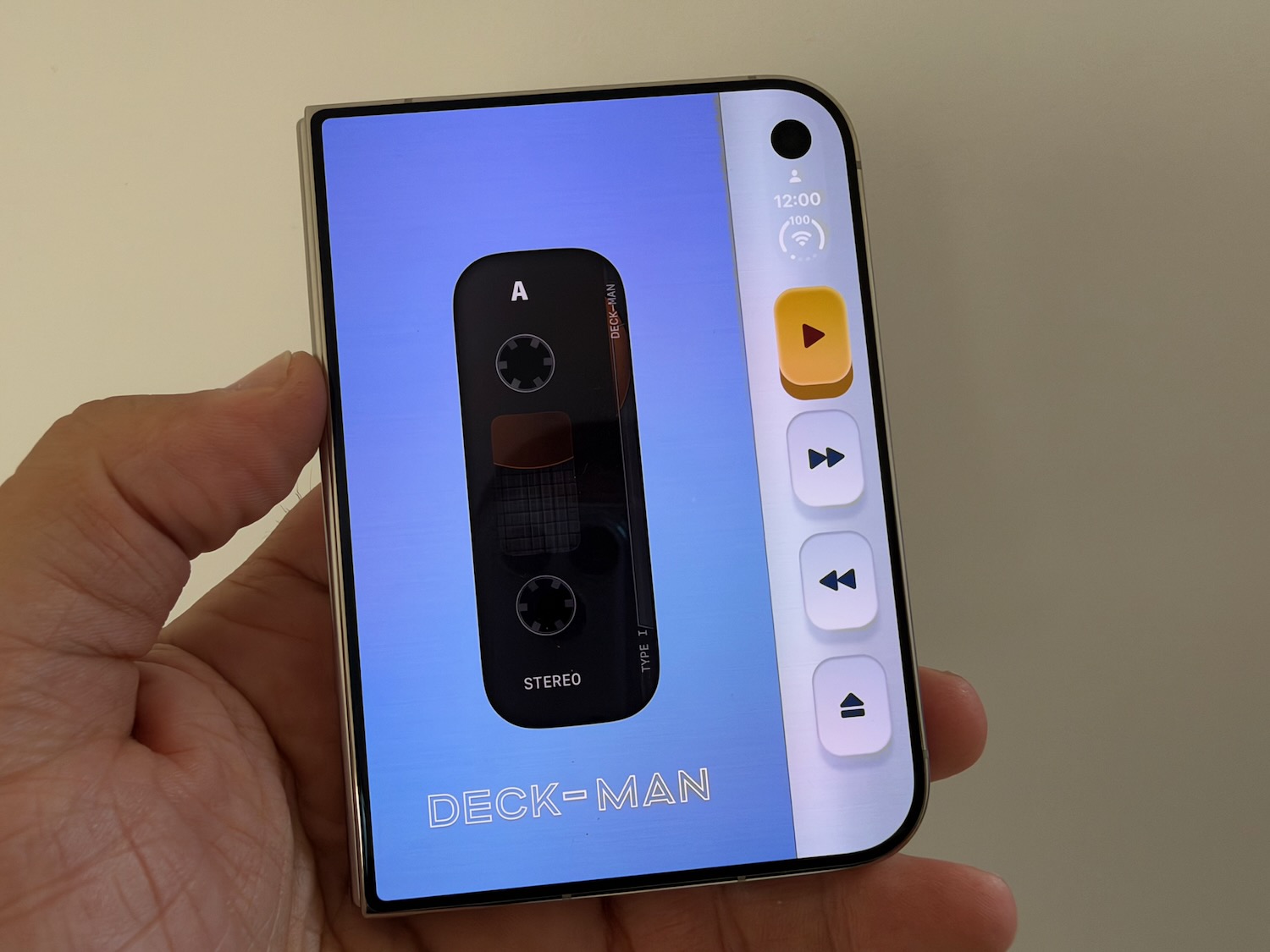
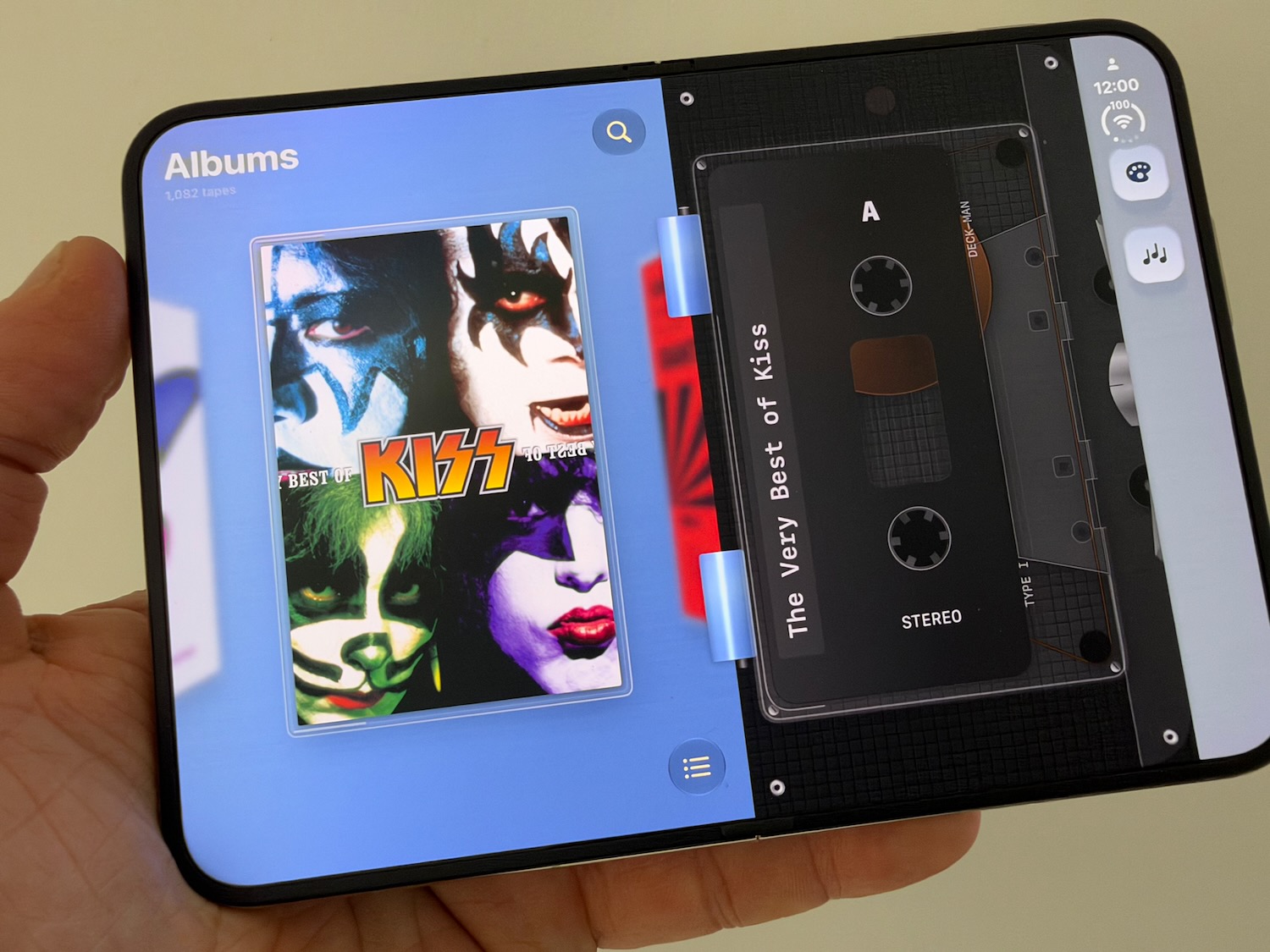
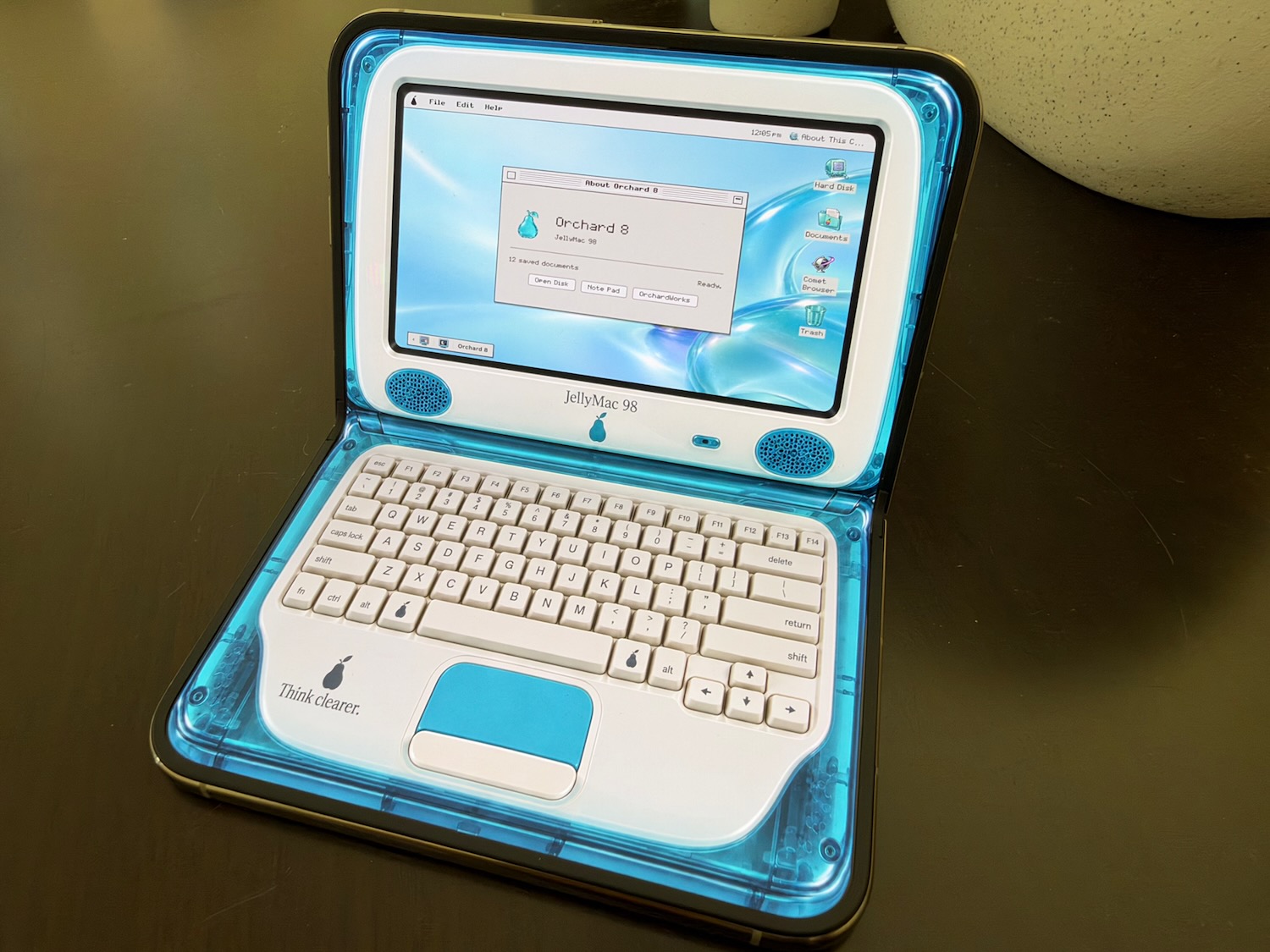
Our favourites are Tiny Computers which emulates famous old computers of the past, including the Macintosh 128K. Commodore 64, IBM PC 5150, the Amiga 500, the iMac G3, the iBook G3 clamshell and many more. And they are functional.
Another essential Duo app is Deck-man which basically turns the iPhone Duo into a portable cassette player.

You can link your Apple Music account and virtually place tapes into the player, shut the phone, and enjoy your music.
If you like using a notebook then TypeDraw is the app for you.
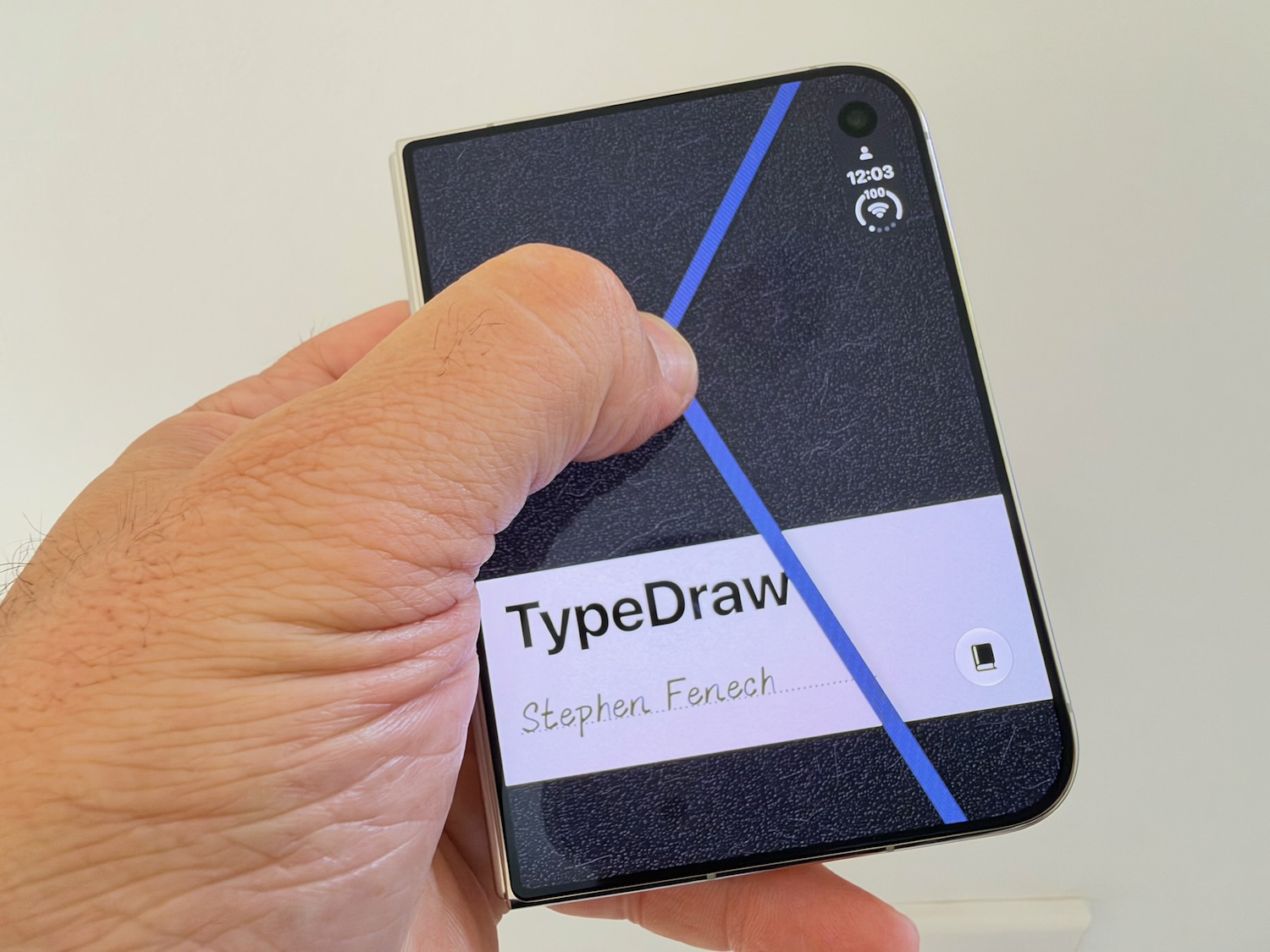
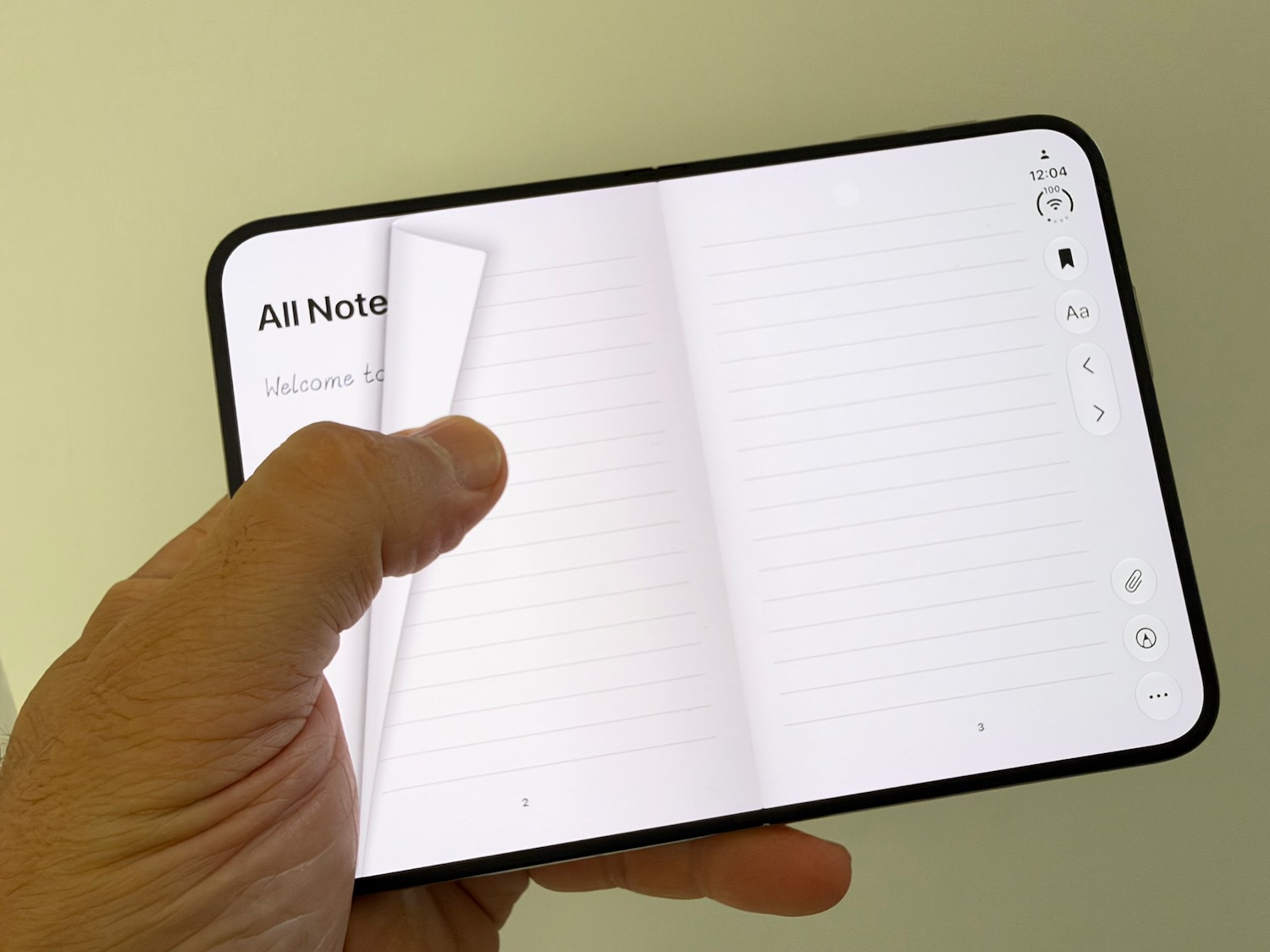
On the front screen of the iPhone Duo it looks like a regular notebook and when you open the device you’re presented with notebook pages that you can type and write and draw on.
FEATURES
There are many features you’ll discover once you start using the iPhone Duo that will certainly surprise and delight customers.
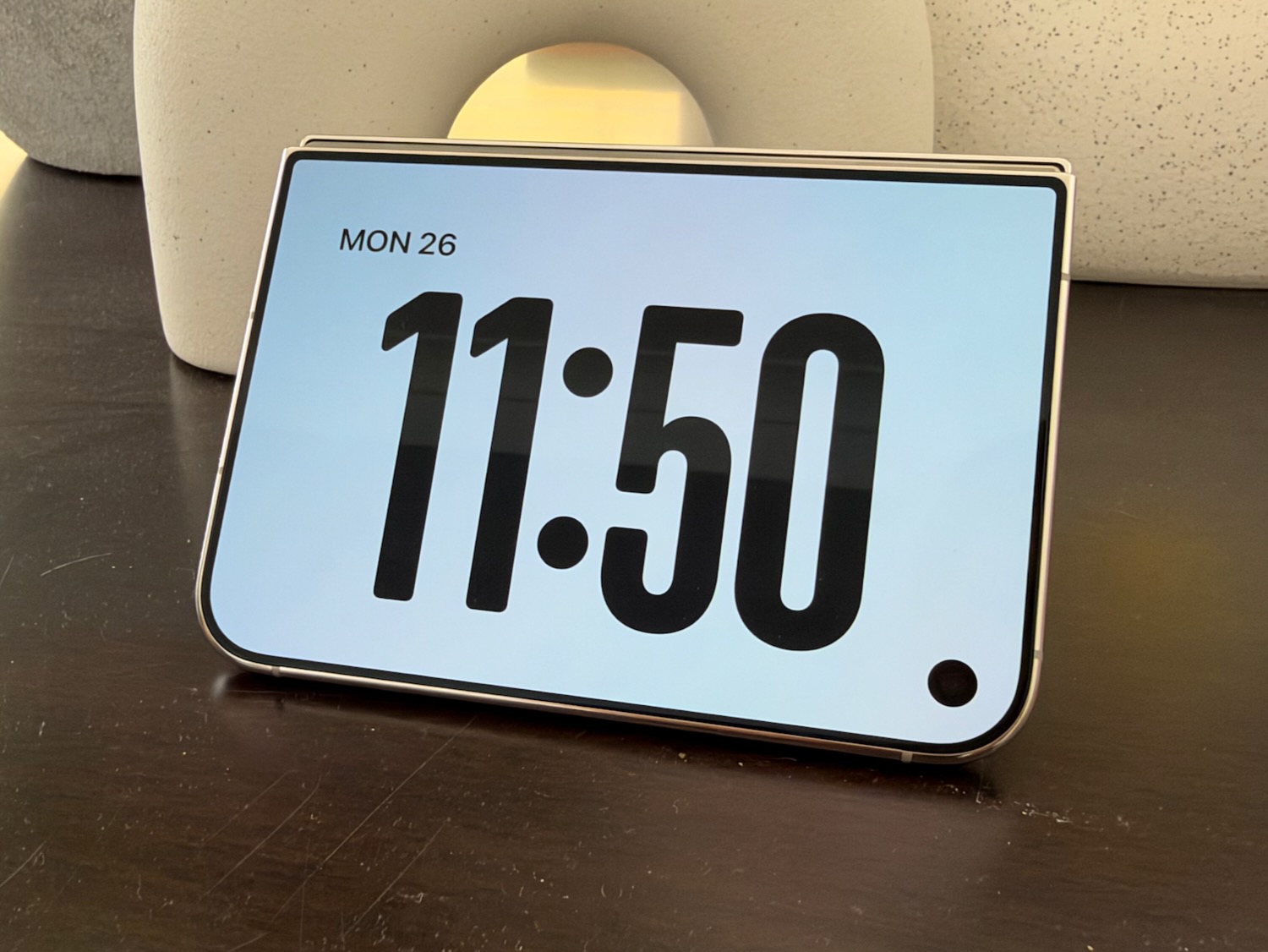
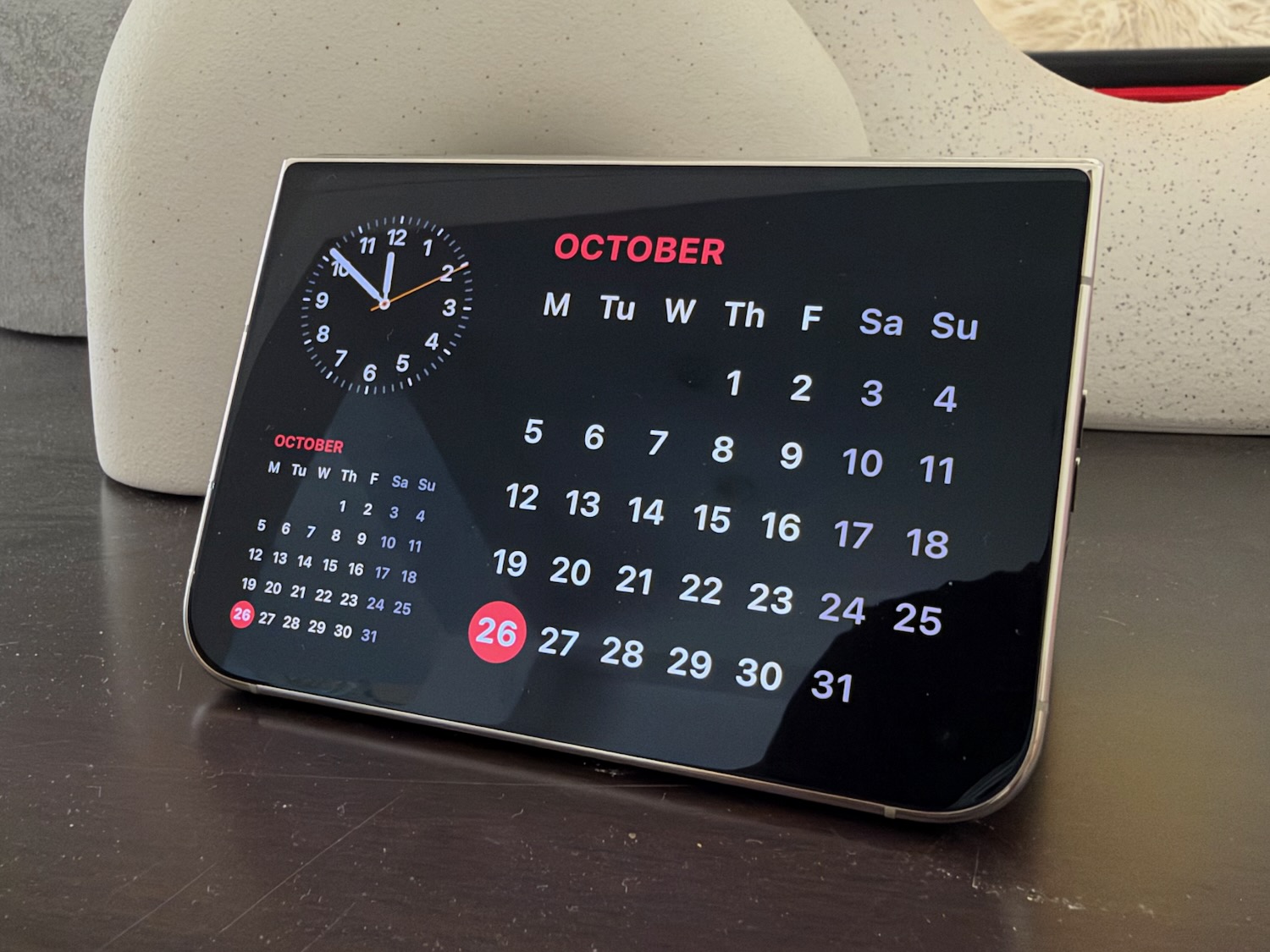
One is standby mode where the iPhone Duo is positioned like a tent and when it’s locked it will display the time, or your calendar, or many other screens of your choosing so it could sit by the bedside table or on your desk when not in use or while it’s charging.


The larger inner screen allows users to run two apps side by side and you can also save these pairs for later without having to pair them manually again.
One feature we noticed was being able to type more easier on the larger display.
Usually the keyboard goes the width of the screen, both on the front display and inside but if you partially fold the phone, you’ll see the keyboard separated into two halves so it’s easier to hold and easier to access the keys to write your message or email.
CAMERAS
iPhone Duo has two 48MP Dual Fusion cameras which offer remarkable results but are not in the same ballpark as the iPhone 18 Pro and iPhone 18 Pro Max camera systems.
The iPhone Duo can take some amazing images and shoot 4K video at up to 120fps.




But if you’re right into your photography and your iPhone is part of your workflow then the iPhone 18 Pro and iPhone 18 Pro Max are probably better options.
For everyone else the iPhone Duo camera system is still quite impressive and will deliver stunning images and videos.
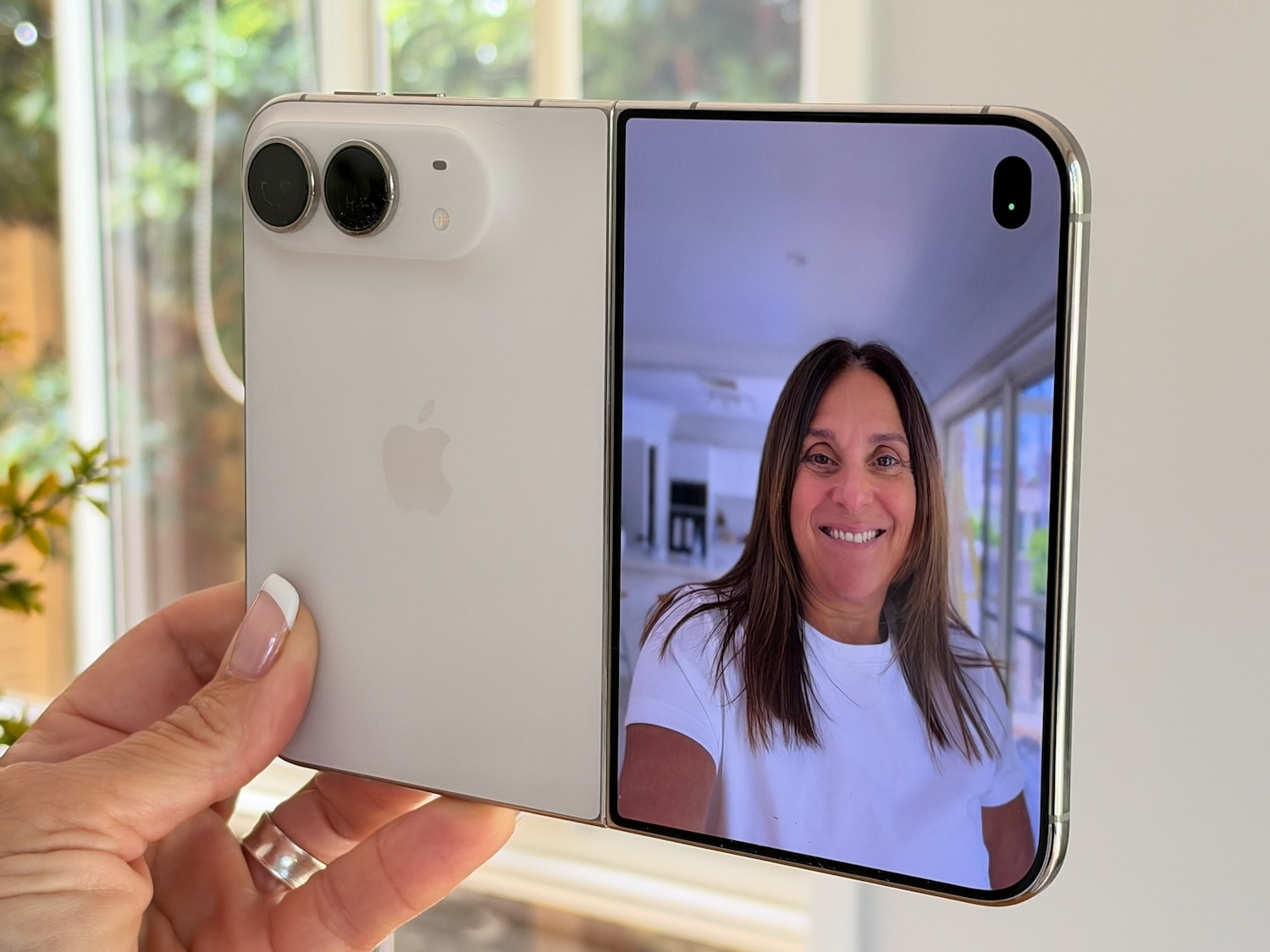
There’s a 12MP Centre Stage camera on the front screen and an under-display FaceTime camera on the main display.
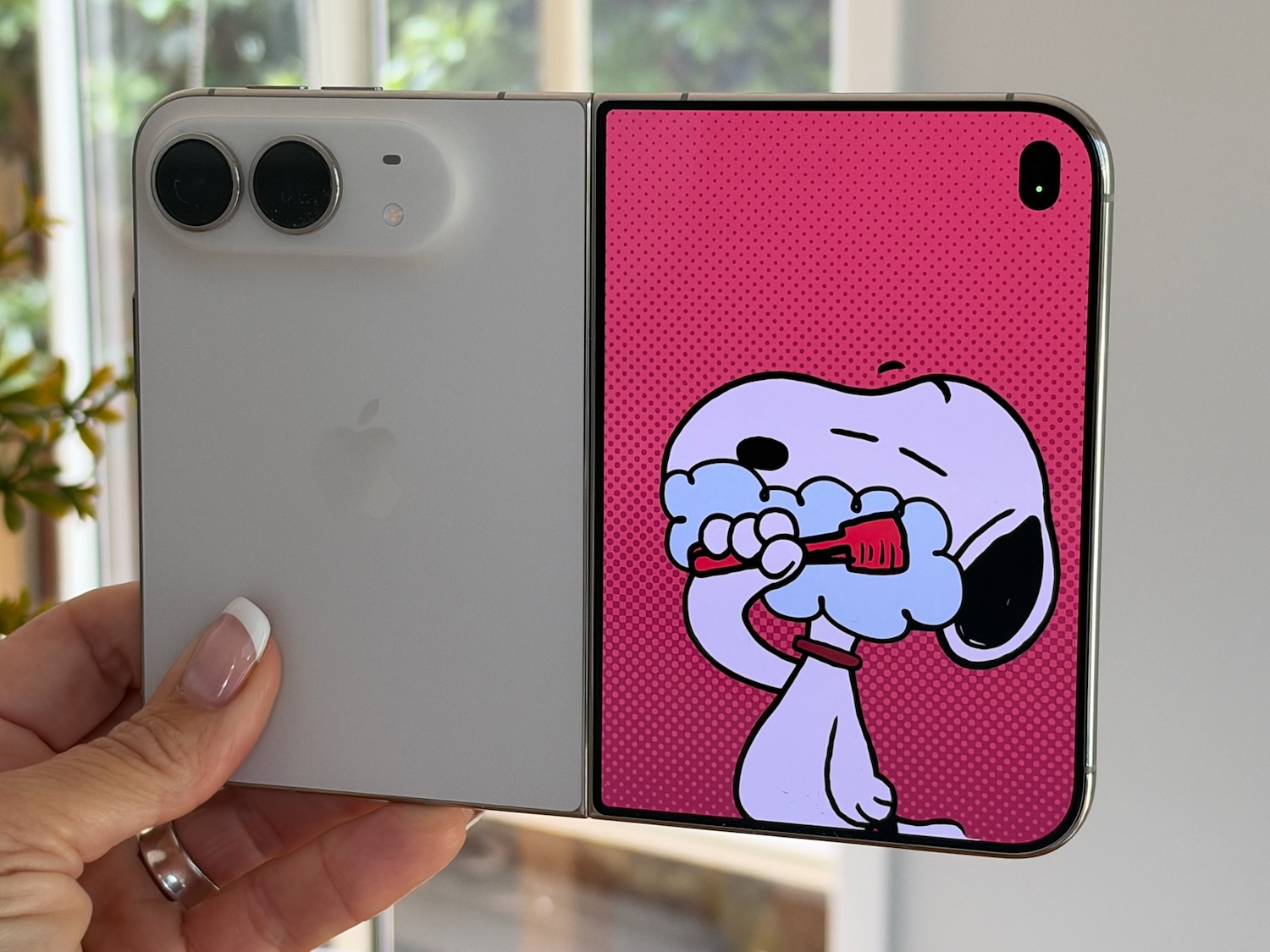
iPhone Duo also offers preview mode, which allows the person you’re photographing with the main cameras the ability to see themselves through the front display.
There’s also a kids’ version of this feature that plays a little Snoopy animation to make sure your child is amused and looking at your phone when you’re trying to take their picture.
The hinge on the iPhone Duo can be held open at nearly every angle and this also helps with your photography, especially when taking selfies or positioning the device to take a group shot.
A new feature called Smart Take can wait until you’re posed and smiling before it takes the photo.
DUAL BATTERY
The iPhone Duo has not one but two batteries that are positioned on either half of the device.
In fact if you look at the settings and check the battery health, you’ll see Battery 1 and Battery 2.
While Apple won’t officially release the capacity of the batteries, we know it’s just under 5,000 mAh.
The battery performance we found with the iPhone Duo was excellent.
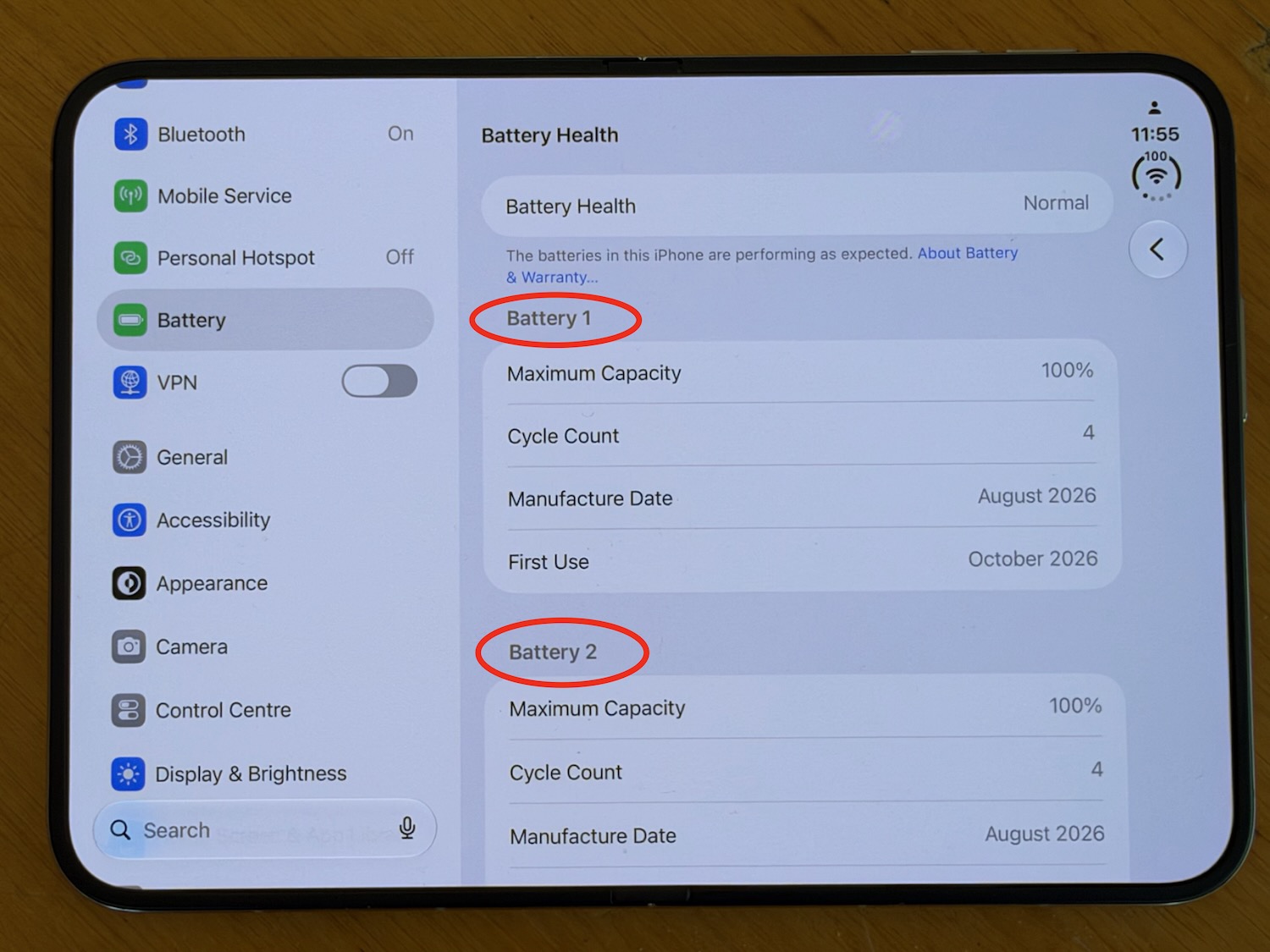
The battery powered through the day despite the fact it was powering two displays and handling our day-to-day usage and connections.
The battery will easily last a whole day and take you halfway through the next before you need to recharge.
E-SIM
The iPhone Duo does not have a physical SIM card slot so is e-SIM only, just like the iPhone Air.
But it is a very simple process to move from a physical SIM card to an e-SIM as you’re transferring your contents to the iPhone Duo.
CASE
One thing we’d recommend with the iPhone Geo is to put it in a case.
It’s a bit heavier than a regular phone and we’d hate to see what would happen if you dropped it on the ground?

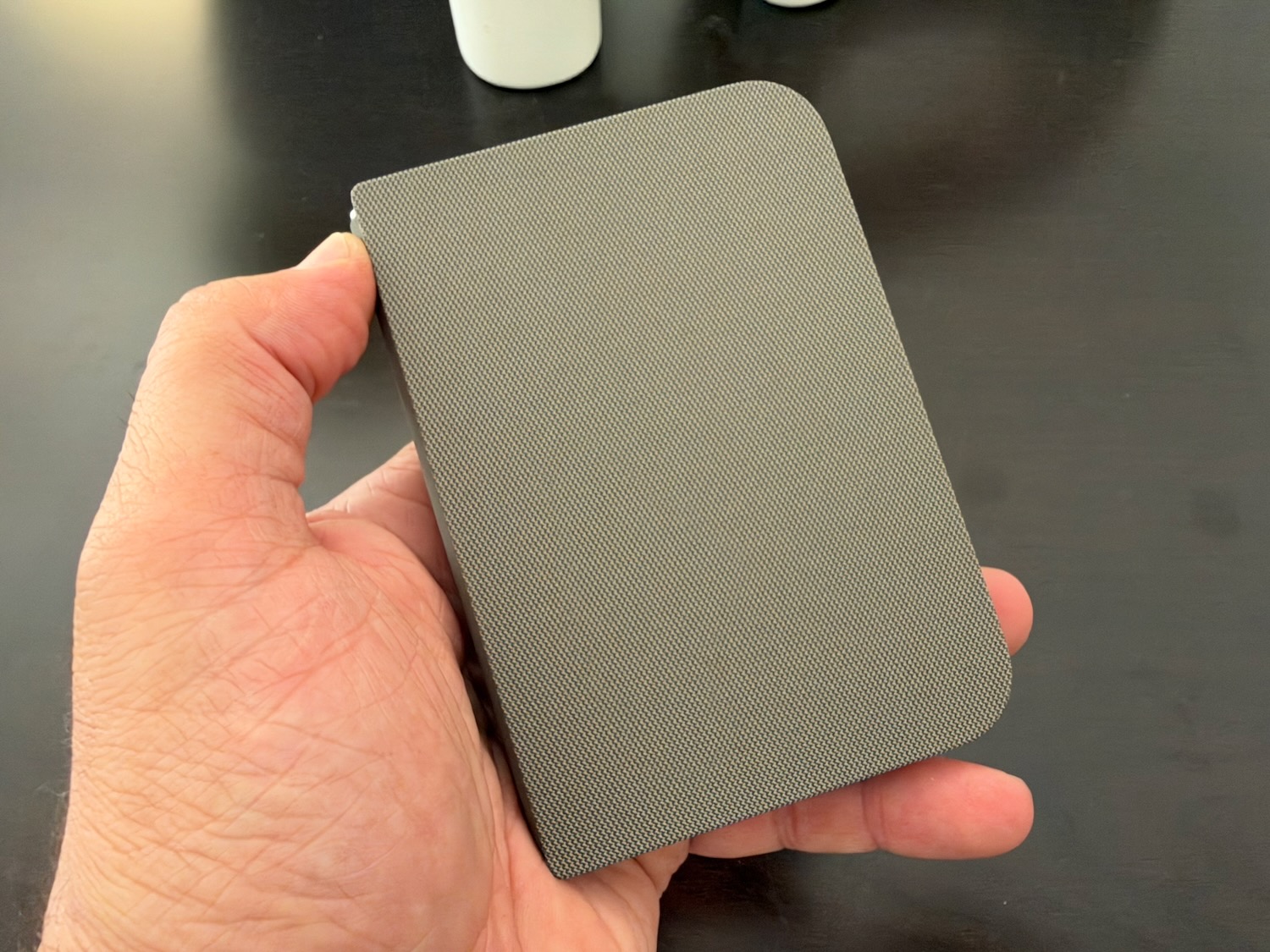
Apple offers two cases: the iPhone Duo Folio magnetic case with a kickstand and a clip-on iPhone Duo case made of polycarbonate.
But there are countless other cases available as well as screen protectors to protect your investment.
PRICE
The iPhone Duo is expensive with prices starting at $3,499 for the 256GB entry-level model. Prices then go up to $3,899 (512GB), $4,699 (1TB) and $5,899 (2GB).
Ways of offsetting the costs would be buying the iPhone Duo on a plan.

Vodafone recently started offering a 48-month plan, just in time for the iPhone Duo launch, so you could spread the payments out over 4 years.
Will also has trade-in offers so you can trade in your old iPhone to offset the cost of the iPhone Duo.
VERDICT
Apple has hit a home run with the iPhone Duo. It showcases Apple’s strength of combining stunning hardware with intuitive software provide an amazing experience that will surprise and delight customers. It will be the device responsible for turning the foldable smartphone from a niche product into a popular mainstream device.
