

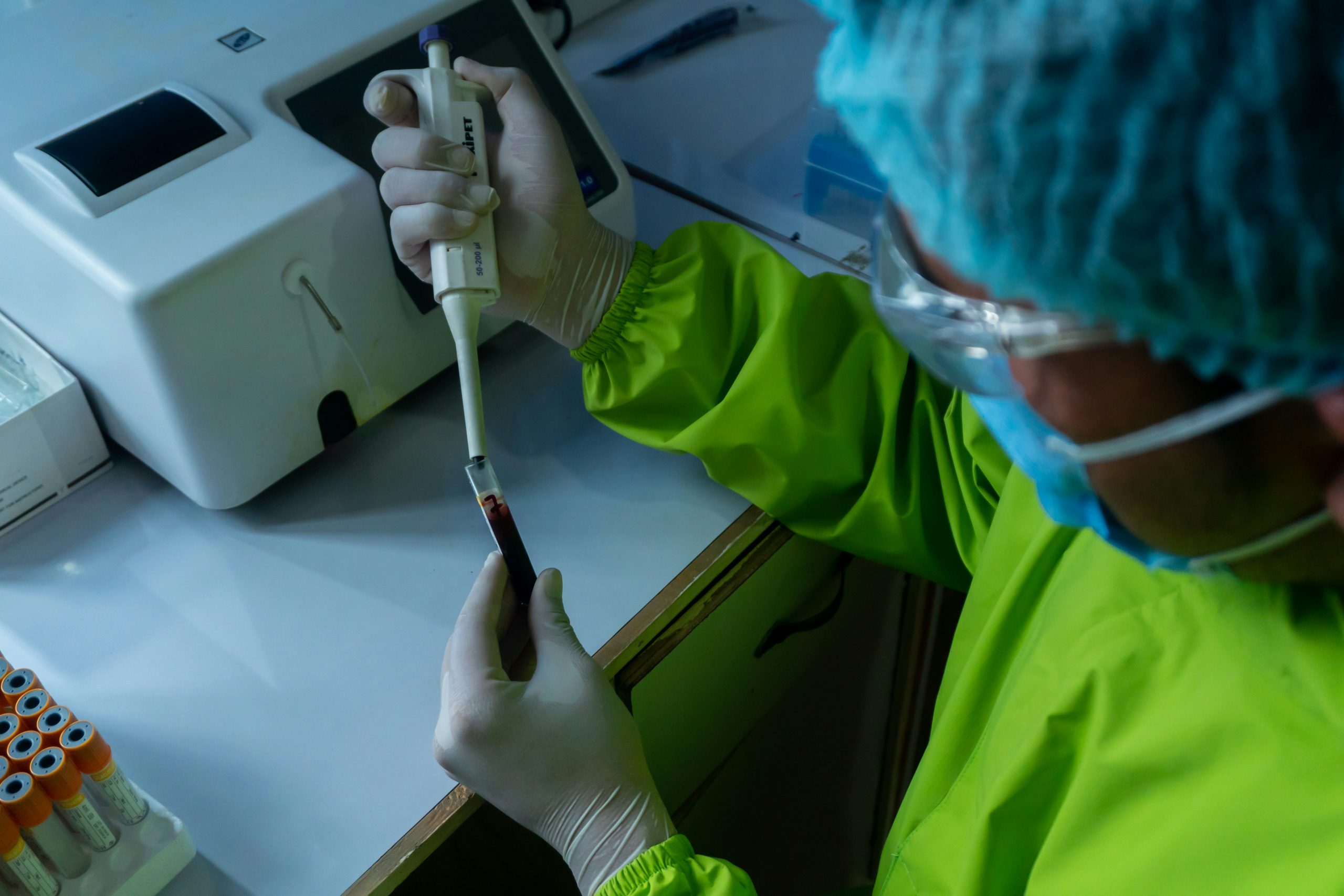


The high speed of 5G technology adaptation is transforming all spheres, and the healthcare sector is no exception. 5G is changing the way medical professionals provide real-time assistance to patients through its ultra-low latency, high-speed connections, and its massive data-handling capacity.
In Australia, 5G technology, when integrated with medical equipment, supports speed diagnostics, remote surgeries, and a better emergency response system. Let’s discuss the advancements in real-time medical aid through 5G and what these improvements imply for healthcare delivery.
The Power of 5G Technology in Medical Support
The three main advantages of 5G technology in the context of medical support are the following:
1. High-Speed Connectivity
Diagnostic Turn Around Time can be enhanced because large files like the MRI scans and high-resolution images can be sent out immediately.
2. Ultra-Low Latency
In medical cases, delay in the transfer of data may be a matter of life and death. 5G has an extremely low latency of milliseconds, which makes the transfer of data in real-time.
It also helps in ensuring smooth communication between the doctor and medical equipment in Australia, like remote monitoring devices.
3. Massive IoT Integration
5G facilitates the development of a massive infrastructure of connected devices whose mutual communication can be achieved flawlessly between wearables, implants, and medical equipments.
Real-Time Medical Applications of 5G in Australia
Remote Patient Monitoring
Using 5G, wearables and implantable sensors will be able to keep track of vital signs of patients without the need for interruptions and could relay that information to the healthcare facility in real time.
It is especially helpful in the field of chronic disease treatment as it also gives the physician the opportunity to work towards preventing a disease before an increase in severity. Hospitals have taken to using 5G to operate medical equipment in Australia to monitor seriously ill patients in the outside world.
Telemedicine and Virtual Consultations
During the COVID-19 pandemic, the use of telemedicine went to a new level, and such processes were not readily supported by 4G networks, which created latency and inadequate video quality.
5G eliminates all these concerns, and it is possible to conduct videoconferences at high resolutions with no delays. Specialist care is also unavailable in rural and remote regions of Australia, that have to travel large distances to seek real-time consultation.
AR/VR in Surgery
Low latency in 5G plays an important role in AR/VR-enhanced surgeries:
- The overlays enable surgeons to conduct complex procedures in holographic displays.
- The medical students practice in VR simulations with 5G connections and introduce fewer risks to actual operations.
- Robotic surgeries can be performed remotely by experts in the cities and operate the patients in deprived regions.
In 2023, the first attempt at robot-assisted remote surgery was carried out in Australia, indicating the viability of the practice with 5G technologies when implemented nationwide.
Emergency Response & Smart Ambulances
5G is changing care in emergencies by allowing:
- Ambulance live streaming of a patient so that ER doctors can advise paramedics online.
- Live sending of the patient’s vitals to hospitals before arrival.
- Triage systems that utilise artificial intelligence and sort out severe cases.
In Sydney and Brisbane, 5G-linked defibrillators and a portable ultrasound device are being piloted by the ambulance service, and they have had outstanding results on survival rates.
AI Diagnostics and Predictive Analytics
Radiology AI can process X-rays and MRIs in a matter of seconds and report abnormalities. The predictive analytics predict the disease breakout or patient deterioration.
5G enables the pathology robots to process laboratory samples quicker. Medical equipment in Australian hospitals, such as Powered by AI IBM Watson Health, is being used to facilitate diagnosis.
Challenges and Considerations for 5G technology
Although 5G has massive potential, there are difficulties associated with its application in healthcare:
- Infrastructure Costs: The expenditure of rolling out 5G networks involves substantial expenses, especially in rural regions. Also, upgrading medical equipment in Australia to be 5G-compatible is costly.
- Cybersecurity: The ability to send vital patient information through 5G networks means that cybersecurity tools and mechanisms should be enhanced.
- Regulatory Compliance: The 5G-enabled devices should also be compliant with the Australian medical regulations by healthcare providers.
Nonetheless, the advantages of the technology outweigh the challenges significantly, which is why 5G can be regarded as one of the foundations of healthcare in the future.
Conclusion
The use of 5G opens new opportunities in real-time medical support by providing new ways of faster, more efficient and highly connected healthcare services. In Australia, the 5G integration with medical equipments is opening the path to hospital-based surgeries, real-time diagnostics and emergency care.
With the growing networks of 5G, more innovations (even revolutionary ones) can be expected that would bring benefits to both patients and save lives. Australia is truly committed to the position of a digital healthcare pioneer by adopting this technology, which will secure improved medical results on all levels.
