

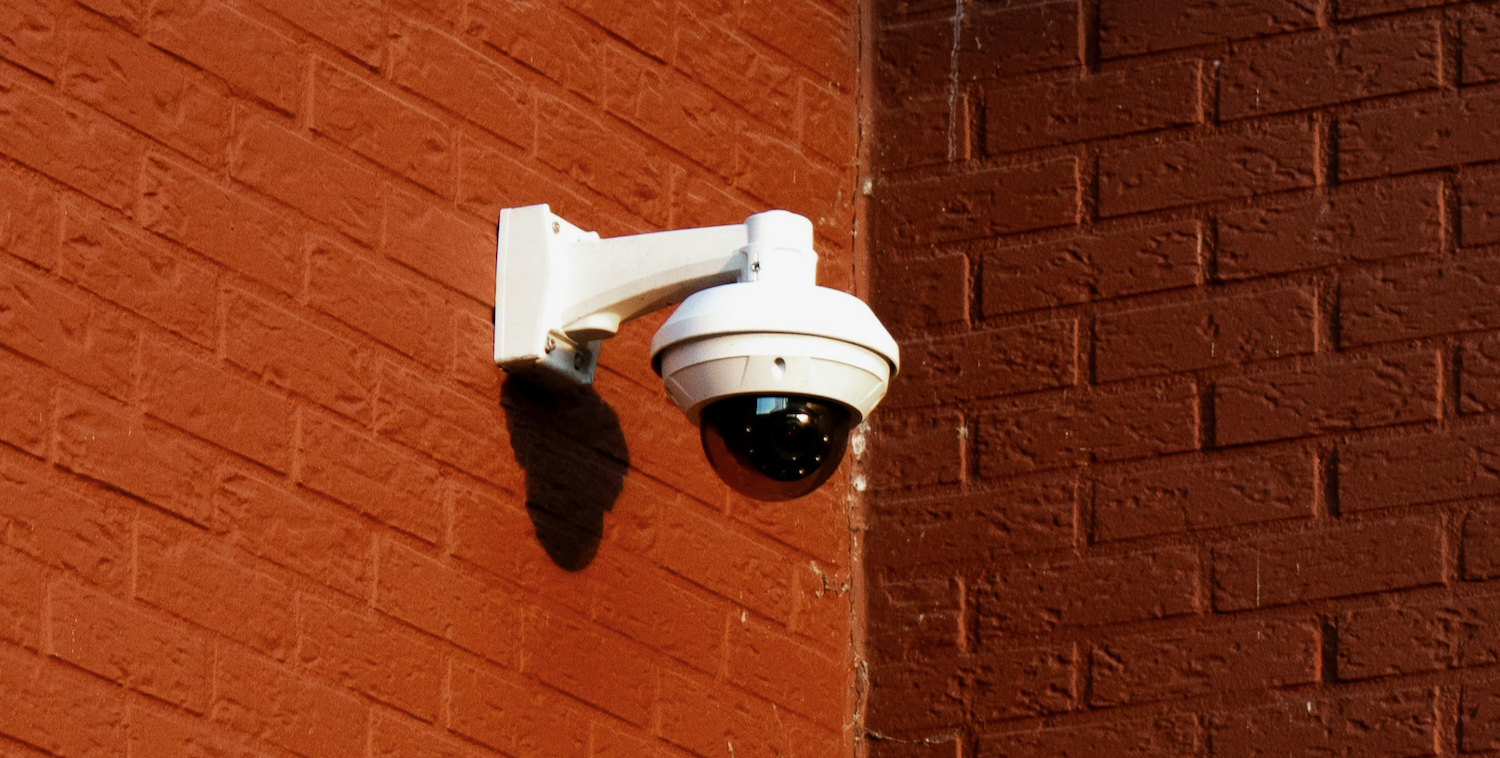


Cities like Sydney, Melbourne, and Brisbane now run surveillance networks with hundreds of thousands of cameras, and most of them are getting smarter.
What started as a straightforward upgrade to ageing CCTV infrastructure has turned into something far more consequential. These systems no longer just record. They watch, analyse, and act.
The numbers tell a clear story. Australia’s security industry is projected to surpass $6 billion by 2027, with AI-enabled surveillance accounting for a growing share of that spend. Local councils, state governments, retailers, and mining companies are all moving in the same direction, driven by a combination of falling hardware costs, cloud-based processing, and pressure to do more with tighter operational budgets.
But this isn’t only a story about technology getting cheaper and faster. It’s about what that technology is now capable of doing at scale. Behavioural analysis. Real-time anomaly detection. Automated alerts that reach security staff before an incident escalates. The gap between what a camera could do five years ago and what it can do today is substantial.
There’s also a harder conversation running alongside the investment. Australia’s Privacy Act 1988 is under review. The use of facial recognition in public spaces is contested. And questions about who owns surveillance data, how long it’s kept, and what it can be used for are landing in courtrooms, parliamentary committees, and boardrooms at the same time.
AI video surveillance in 2026 is not a niche concern for IT managers and security consultants. It’s a mainstream operational decision with consequences that stretch well beyond the camera lens.
Here are 10 reasons why it matters, and why ignoring it is no longer an option.
1. Real-Time Threat Detection Has Replaced Manual Monitoring
Human operators can watch only a handful of screens before performance drops. AI systems don’t have that ceiling. Modern surveillance platforms process thousands of camera feeds simultaneously, flagging anomalies like unattended bags, crowd surges, and unauthorised access within seconds.
In 2025, Transport for NSW reported measurable reductions in platform incidents after deploying AI-based behavioural analysis across key train stations in Sydney. The reaction time that used to take minutes now takes under 30 seconds.
2. Crime Prevention Has Become Data-Driven
Police departments in Queensland and Victoria have integrated AI surveillance data into their crime analysis models. The result: patrol resources get deployed where the data points, not where instinct guesses.
This shift from reactive to proactive policing is one of the direct operational changes AI surveillance enables. Departments are logging fewer post-incident reports and more pre-incident interventions.
3. Retail Shrinkage Is Getting Cut at Scale
Retail theft cost Australian businesses an estimated $9.8 billion in the 2022-23 financial year, according to the Australian Retail Association. By 2026, AI-powered video analytics capable of flagging concealment behaviour, tracking dwell patterns, and alerting staff in real time have become standard across major retail chains.
Woolworths, Coles, and several independent grocers have deployed systems that detect shoplifting behaviour before a transaction is skipped, not after inventory is counted.
4. Facial Recognition Has Matured and Is Being Regulated
The technology works. What is being debated: where it should be used, and who should control the data.
Australia’s Privacy Act 1988 and the work of the Office of the Australian Information Commissioner (OAIC) shape how AI surveillance systems can store and process biometric data. State-level frameworks vary, with Victoria and New South Wales taking different stances on public-space facial recognition. The regulatory environment is catching up to the technology, slowly, but it’s moving.
5. Workplace Safety Monitoring Has Found a Scalable Use Case
Mining sites, construction zones, and warehouses across Western Australia and Queensland have high injury rates and limited oversight bandwidth. AI surveillance fills the gap by monitoring for PPE compliance, detecting falls, and flagging equipment proximity violations in real time.
Companies using AI-based safety monitoring have reported double-digit reductions in recordable incidents.
However, identifying hazards is only part of the equation. Many organisations also use platforms such as Donesafe’s workplace health and safety software to streamline incident reporting, corrective actions, risk assessments and compliance management, helping ensure safety insights are properly documented and acted upon. The business case is direct: fewer injuries mean lower WorkCover premiums and fewer Safe Work Australia violations.
6. Smart Cities Are Building Surveillance Into Core Infrastructure
Globally, cities like Singapore and Dubai built AI surveillance into their infrastructure from the start. In Australia, smart city projects in Adelaide and the ACT have integrated AI cameras into traffic management, emergency response coordination, and public transport systems.
These aren’t standalone cameras anymore. They’re nodes in a network that feeds data to city operations in real time.
7. Video Evidence Has Become More Defensible in Court
AI-generated metadata including timestamps, object detection logs, and anomaly flags is increasingly being accepted as corroborating evidence in Australian legal proceedings. Courts have begun establishing standards for AI-generated video analysis, and law enforcement agencies are upgrading legacy CCTV systems to AI-capable platforms to produce evidence that holds up under scrutiny.
8. Airport and Border Security Has Changed Its Operating Model
The Australian Border Force and the Department of Home Affairs have scaled up AI surveillance tools across major international airports including Sydney Kingsford Smith, Melbourne Tullamarine, and Brisbane. These systems handle passenger flow analysis, behavioural screening, and identity verification at a throughput that human agents cannot match alone.
SmartGate technology, already familiar to Australian travellers, is the visible edge of a broader AI surveillance layer that has grown considerably since 2023.
9. Cybersecurity and Physical Security Are Converging
AI surveillance systems are now connected to broader enterprise security platforms. When a swipe card access event doesn’t match a camera feed, or when an unrecognised device appears in a restricted area at the same time an unrecognised face does, modern systems correlate both signals automatically.
This convergence of physical and cyber threat detection is one of the areas seeing the most investment from enterprise security teams in 2026, including in Australia’s finance and resources sectors.
10. The ROI Calculation Has Shifted in Its Favour
Early AI surveillance deployments were expensive and required significant integration work. That has changed. Cloud-based platforms, lower-cost edge computing hardware, and API-first architectures have brought costs down enough that mid-size businesses and local councils can now deploy at scale.
The total cost of ownership over a five-year period for an AI surveillance system is now comparable to, and in many cases lower than, maintaining an equivalent team of human monitors.
FAQs
Is AI video surveillance legal in Australia?
Yes, but the framework is layered. The Privacy Act 1988 governs how personal data including biometric information is collected and stored. The OAIC has issued guidance on facial recognition specifically. State-based workplace health and safety laws also apply in certain deployment contexts. Legal review is recommended before deployment.
Can AI surveillance systems make mistakes?
Yes. False positives — flagging innocent behaviour as a threat — remain a documented issue, particularly with older or lower-resolution camera hardware. Most enterprise platforms now include human review steps for high-stakes decisions.
What happens to the data collected by AI surveillance systems?
This depends on the vendor and the jurisdiction. Some systems process data locally and don’t retain footage beyond a set window. Others store data in the cloud indefinitely. Under Australia’s Privacy Act, organisations must be transparent about data retention practices. These policies should be reviewed before deployment.
How is AI surveillance different from traditional CCTV?
Traditional CCTV records and stores footage for post-incident review. AI surveillance analyses footage in real time, generates alerts, detects patterns, and often integrates with other security or operational systems. The difference is passive recording versus active analysis.
What industries are adopting AI surveillance fastest?
Retail, mining, construction, logistics, transport, and government are the leading sectors in Australia as of 2026. Healthcare campuses and financial institutions are scaling up as well.
Does AI surveillance work in low-light or outdoor environments?
Modern systems use infrared sensors, thermal cameras, and multi-sensor fusion to handle low-light and outdoor conditions. Australia’s climate range, from remote outback sites to dense urban centres, has driven local demand for ruggedised, weather-tolerant hardware with AI processing built in.
Final Verdict
AI video surveillance in 2026 is not a future technology. It’s present infrastructure with documented results and real regulatory stakes. The reasons to deploy it are operational and financial. The reasons to approach it carefully are legal and ethical.
Organisations that treat AI surveillance as a pure security tool without addressing data governance, staff training, and regulatory compliance are setting themselves up for liability under Australia’s Privacy Act and state-level frameworks. Those that build it into a broader operational strategy, with clear policies, auditable data handling, and defined use cases, are getting measurable returns.
The technology is not going away. The only question is whether the organisations deploying it are doing so with enough structure around it.
