


More than half of Australian children have been contacted online by strangers according to research conducted by conscientious smartphone manufacturer Human Mobile Devices (HMD).
HMD commissioned a survey of more than 12,000 children from around the world, including Australia, aged between 8-15 and the findings were alarming around online safety, cyberbullying, harmful and inappropriate content and screen time.
The study also involved parents and prompted a response from Hollywood star, talk show host and mother of two Drew Barrymore who made an appearance at the HMD event at Mobile World Congress in Barcelona where the company unveiled new devices and technologies that are better for families and have our mental health and personal safety in mind.

“Technology has taken advantage of the tired parent,” Barrymore said.
“It’s time to redefine how we live. Patience from the past meets future forward technology.
“I started this for my children, but I also truly want it for myself, and for you.”
Barrymore also teased an upcoming collaboration with HMD she is calling Project Wildflower.
The research found more than half of children had seen harmful content online with four in 10 sent sexual or violent content on their phones.
And 43 per cent of Australian children say they are regularly contacted by people they don’t know in real life but this is even higher in the UK (48 per cent) and the US (51 per cent).

And despite the fact the Australian Government has just legislated a social media ban for anyone under 16, messaging apps have been excluded so the problem will still exist.
The major issue is bullying which the research showed was being experienced by 56 per cent of children who feel belittled or insulted online.
In fact, more Australian children have been victims than children from other countries.
The research comes after HMD announced the Better Phone Project in 2024 with the ultimate goal to create devices with feedback from parents that are age appropriate and with built-in safety features.
The project uncovered some astounding information including phones leading to lack of sleep, lack of exercise and less in-person interactions.
It also revealed 11 was the average age globally when parents gave their child their first smartphone. But 54 per cent of parents said they wish they had waited longer.
With all this information and input HMD has created a number of solutions.
The first is the HMD Fusion X1 – a smartphone designed for younger users and growing minds.
It has all the features a teen would want with all the safety features that will give parents peace of mind.
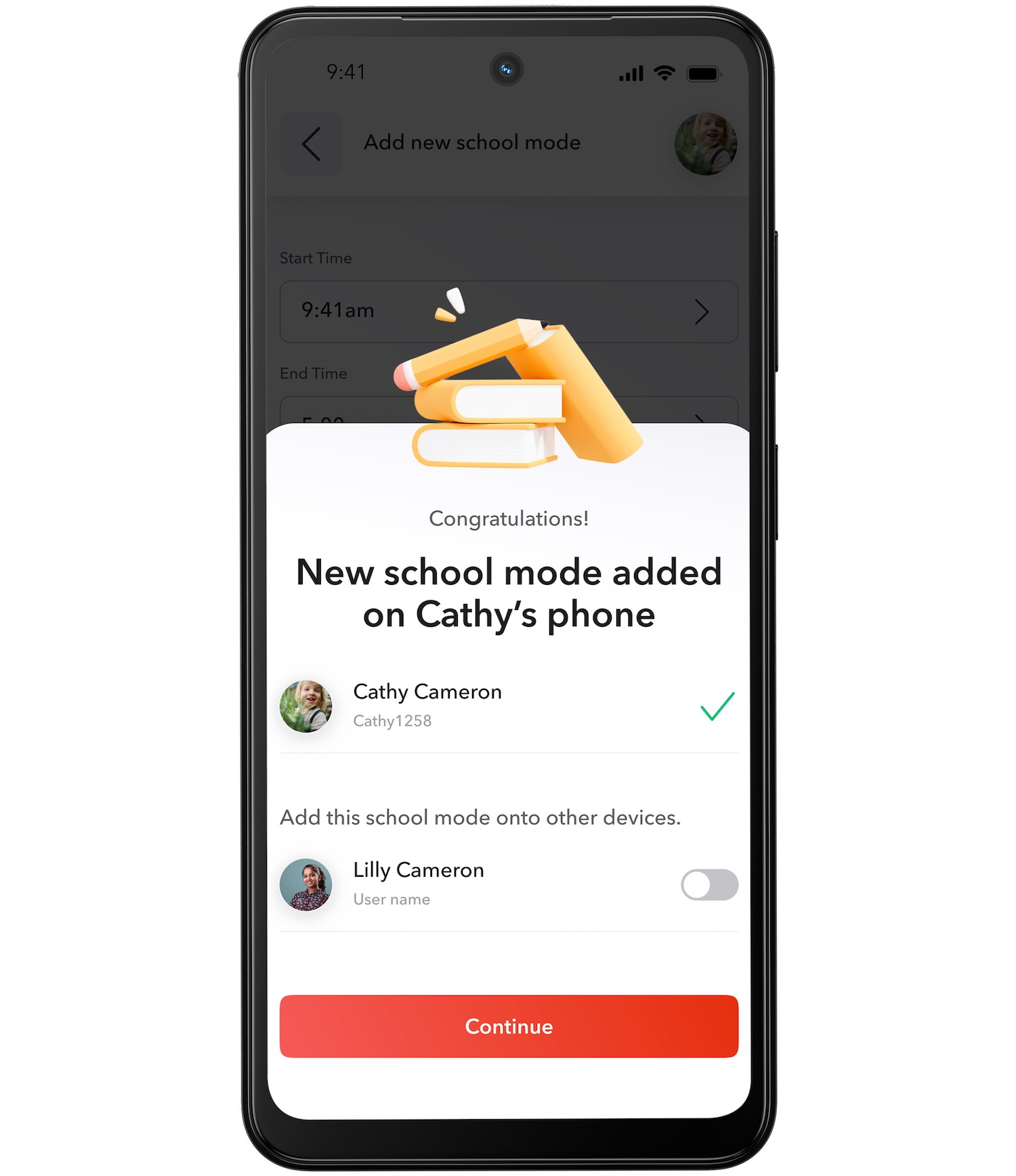
It was created in collaboration with Xplora – Norway’s leading supplier of smartwatches for children – with parental controls at the OS level that can be enabled with a subscription to ensure the entire experience is age appropriate and safe.
Parents are able to manage app access, set screen time limits and track location.
“Smartphone use has an impact on kids, parents, schools and society, it is a very complex situation, particularly if you look at the social context,” says Lars Silberbauer, CMO at HMD,
“Children are dealing with peer pressure, identity, tracking…we needed to get all of these elements right to ensure the devices we create are better solutions for kids and their parents.

“At HMD, we have been working hand-in-hand with families to create new mobile solutions – products parents can hand over to their teens knowing they have enhanced safety out of the box and phones teens will want to use.
“We set ourselves a bold challenge with The Better Phone Project and I am proud that we are making this a reality so quickly.
“The HMD X1 works as a ‘stepping stone’ mobile, allowing teens to have the space to learn about digital literacy and online safety before progressing to a smartphone.
Brenden Folitarik, GM of Australia & Oceania, said: “This data is a major wake-up call for everyone concerned about the well-being of Australian children, not just parents and government but also the technology industry, and it’s going to need to be a team effort to turn this around.
“We know Aussie parents are stressed, and our new research shows why they should be – many kids are being contacted by strangers online at an alarming rate, seeing content they should not be seeing, and are addicted to their phones.
“Human Mobile Devices is determined to do something about it and be part of the solution.”
