

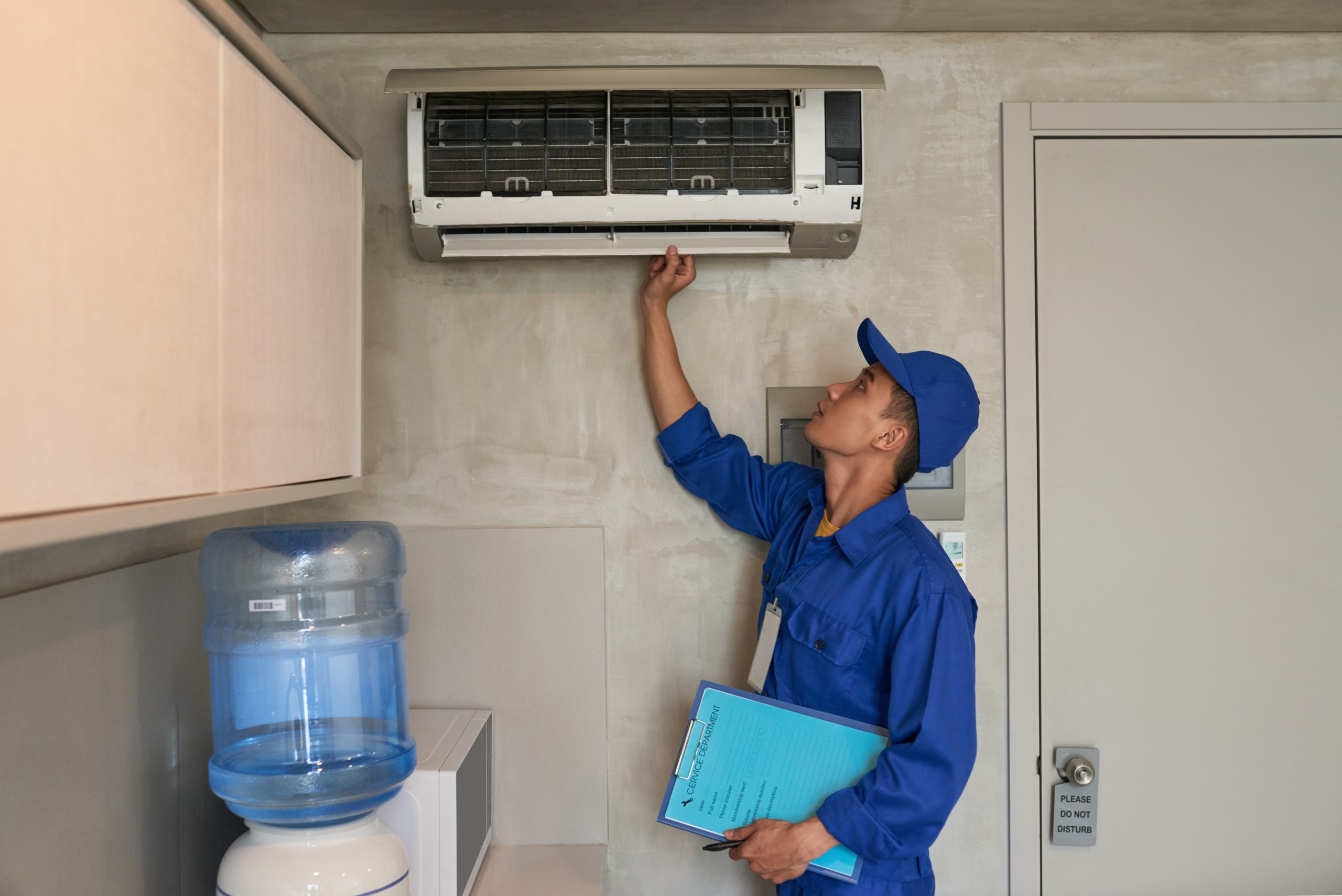


Choosing a split system air conditioner can seem simple until you start comparing options. Room size, unit placement, electrical requirements, refrigerant handling, and local noise rules all affect the final result.
This guide is for Australian homeowners and renters who want a practical overview before installation day. It covers what to decide before you buy, how professional installation works, and what helps the system run well over time. It is not a DIY tutorial. In Australia, refrigerant and electrical work must be completed by licensed professionals.
Key Takeaways
- Size the unit properly. A professional heat-load assessment is more reliable than guesswork. Under-sizing and over-sizing can both reduce comfort and efficiency.
- Placement matters. Indoor and outdoor unit locations affect airflow, noise, drainage, and long-term maintenance access.
- Installation is licensed work. Refrigerant handling requires an appropriately licensed technician in Australia, and electrical connection requires a licensed electrician.
- Energy use depends on behaviour. Sizing, thermostat settings, and usage patterns often affect running costs more than the number on the box.
- Plan maintenance from day one. Regular filter cleaning, annual servicing, and service records help protect your warranty and comfort.
How Split Systems Work
A split system has two main parts: an indoor fan coil unit mounted on a wall inside the room and an outdoor condenser unit mounted outside. Refrigerant moves between the two through insulated copper lines, transferring heat in or out depending on the mode. Most modern units are reverse-cycle, so they provide cooling in summer and heating in winter.
Inverter technology allows the compressor to adjust its speed instead of simply switching on and off. This can improve efficiency and reduce noise. When comparing models, check Australia’s Zoned Energy Rating Label. It shows star ratings across different climate zones, so you can compare performance for your region rather than relying only on a national average.
Is a Split System Right for This Space?
Split systems are best suited to heating and cooling a single room or a clearly defined zone. They are usually quieter and more efficient than portable or window units, and they do not block a window opening. If you need to condition several rooms, a multi-head split system, where one outdoor unit serves several indoor units, or a ducted system may be a better fit. Ducted systems provide whole-home comfort with hidden components, but they involve more complex installation and higher upfront costs. For one room, a split system is often the most practical and cost-effective choice.
A local assessment takes the guesswork out of that decision. If you are in the Geelong area, a team that handles split system installation in Geelong can check your room size, placement options, and electrical needs before you commit to a model.
Sizing and Efficiency, Simplified
Getting the right capacity is the most important decision. A unit that is too small will struggle to reach the set temperature. One that is too large may cycle on and off too often, which can waste energy and create uneven temperatures.
A proper heat-load calculation accounts for room dimensions, ceiling height, insulation, window size and orientation, shading, and air leakage. A reputable installer should ask about these factors before recommending a model. Rules of thumb, such as 1 kW per 10 square metres, are too broad to be reliable on their own.
When shortlisting models, compare both the capacity in kW and the star ratings on the Zoned Energy Rating Label. A higher star rating in your climate zone generally means lower running costs for the same output. Check both cooling and heating ratings, as they often differ.
Indoor Unit Placement Essentials
The indoor unit should be positioned to move air across the length of the room rather than blowing directly onto a bed, sofa, or desk. Higher mounting usually improves circulation, but the installer must follow the manufacturer’s minimum clearances to the ceiling and side walls.
Think about the condensate drain route early. The indoor unit produces water as it cools, and that moisture needs a clear path to a suitable discharge point. If gravity drainage is not possible, such as when the unit is on a low wall or in a basement, a condensate pump may be needed. Avoid placing the unit where a blocked drain could drip onto furnishings or cause staining. If refrigerant lines will be visible inside, discuss a neat line cover with your installer during the quoting stage.
Outdoor Unit Siting
The outdoor unit needs clear airflow to work efficiently. Avoid placing it in a tight alcove or behind dense screening that restricts air movement. A shaded location can help performance in summer, but the unit should not be enclosed.
Noise is another important factor. Outdoor units can be subject to local council noise rules, so confirm local requirements before choosing a position. Place the unit on a stable base or approved wall bracket, and leave enough room for a technician to service it comfortably. In coastal areas, ask about corrosion-resistant coatings. In bushfire-prone zones, consider ember risk and clearance from combustible materials. The defrost drain should discharge safely so it does not create a slip hazard on paths or driveways.
Pre-Install Checklist for Owners
Before your installer arrives, take care of a few practical steps:
- If you live in an apartment or strata complex, obtain written approval before installing equipment on common property. Renters should check with their landlord or property manager first.
- Confirm safe access to the preferred indoor and outdoor locations.
- Discuss wall penetrations and the line route during the quote visit.
- Have a licensed electrician check your switchboard capacity and confirm whether a dedicated circuit or new isolation switch is required.
- Plan where condensate will discharge.
- Clear the work area and protect nearby furnishings and flooring.
What Your Installer Will Do on the Day
Knowing the general workflow helps set expectations. A typical split system installation follows these steps:
- The installer confirms final indoor and outdoor unit positions with you.
- The indoor mounting bracket is fixed to the wall.
- A core hole is drilled through the external wall for refrigerant lines, the condensate drain, and control cabling.
- Copper refrigerant lines are run, insulated, and secured between the two units.
- The condensate drain is routed to its discharge point.
- The outdoor unit is mounted on its base or bracket.
- A licensed electrician completes the electrical connection, including the isolation switch adjacent to the outdoor unit.
- The installer evacuates, or vacuums, the line set and performs a pressure and leak test.
- Refrigerant valves are opened or the system is charged according to the manufacturer’s specifications.
- The system is test-run in both cooling and heating modes.
- If the unit has Wi-Fi connectivity, the installer may help pair it with the manufacturer’s app.
- The site is cleaned up, and you receive commissioning paperwork and warranty documents.
Many manufacturers require installation by a licensed professional, along with proof of commissioning, to maintain warranty coverage. Keep all paperwork in a safe place.
Controls, Comfort, and Running Costs
Once the system is running, a few habits can help keep bills manageable. Set the thermostat to a moderate level, around 24 to 25 °C in summer and 18 to 20 °C in winter, rather than choosing extreme settings. Use the timer or scheduling features to avoid running the unit in an empty room. Close doors and windows in the conditioned zone so the system is not fighting outdoor air.
Clean the indoor filters regularly. Clogged filters restrict airflow, which forces the unit to work harder and use more energy. Most filters slide out easily and can be rinsed under a tap. Your manual will explain how often to check them.
Maintenance and Longevity
Routine care protects both performance and warranty coverage. Check and clean filters monthly during heavy-use seasons. Book a professional service at least once a year. The technician will inspect the outdoor coil, clear debris, check the condensate drain, and test refrigerant pressures. Keep proof of each service visit.
Call a professional if you notice water leaks, unusual noises, ice forming on the outdoor unit in mild weather, or a noticeable drop in heating or cooling output. Early attention can prevent more expensive repairs.
Ducted vs Split in a Nutshell
A single split system suits retrofits, single-room applications, tighter budgets, and situations where faster installation matters. Ducted systems suit homes that need multiple rooms conditioned, prefer a hidden look with no wall-mounted units, or want centralised control from one thermostat. A site assessment by a qualified installer is the most reliable way to determine which option suits your home.
Finding a Reputable Installer
When comparing quotes, look beyond the bottom line. Ask what is included, such as the brand and model, warranty terms, scope of electrical work, commissioning, and any workmanship guarantee. Confirm that the installer holds the appropriate refrigerant handling licence and that a licensed electrician will complete the wiring. Check lead times as well, especially before summer when demand is higher.
Wrapping Up
The path to a comfortable room comes down to four steps: choose the right unit, plan placement carefully, have it professionally installed, and maintain it consistently. Arrange a site assessment early, confirm indoor and outdoor positions before installation day, and keep up with filter checks and annual servicing. That groundwork supports reliable comfort and lower running costs over time.
