

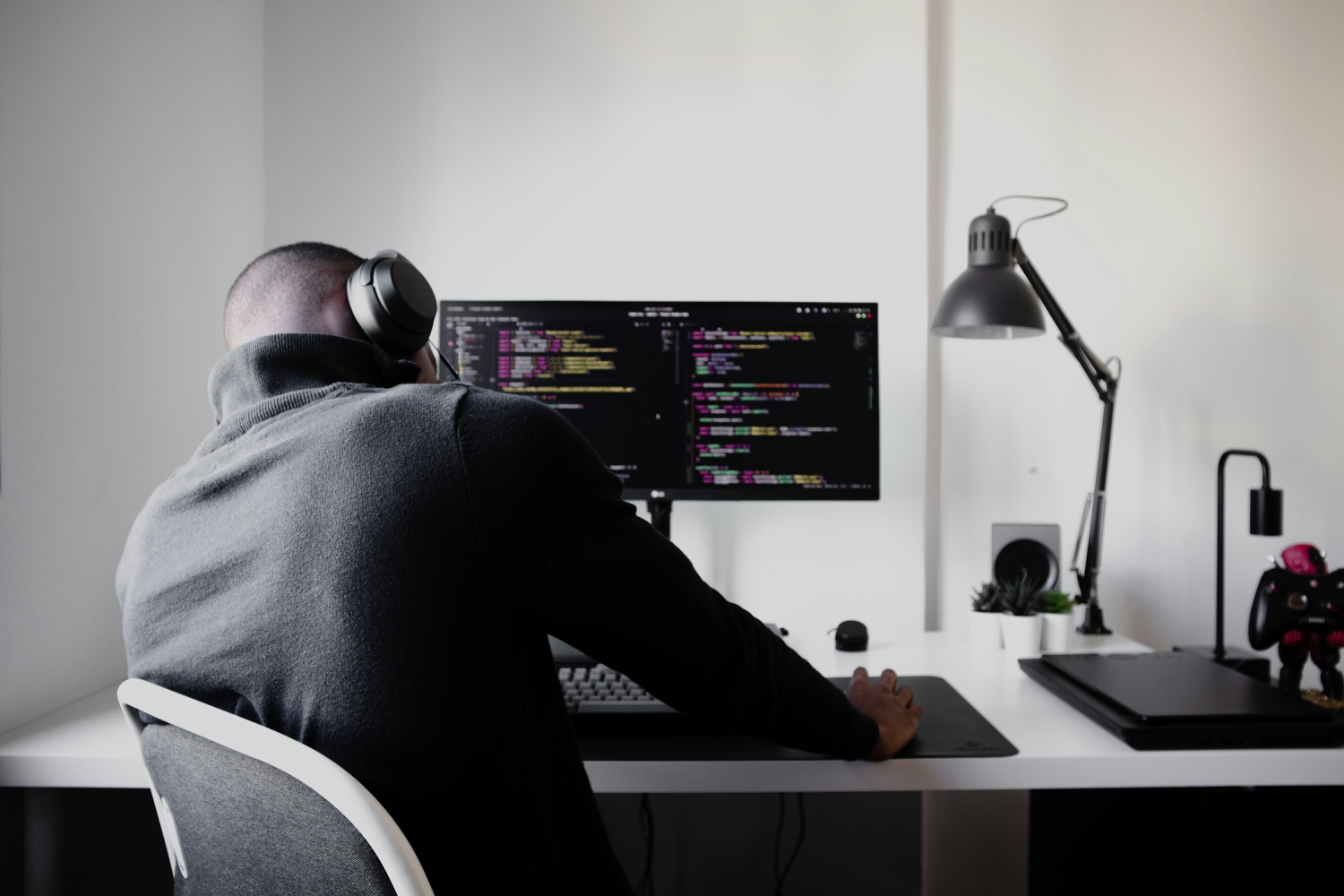


Tech work keeps software developers and system engineers attached to desk stations for 8 to 12 hours a day. Long desk sessions slowly take a toll on physical health, leading to tight joints and sluggish energy levels.
Small workplace upgrades create dramatic shifts in daily comfort and focus. Adopting smart ergonomic habits keeps your body resilient without sacrificing daily coding productivity.
Optimizing Monitor Placement for Neck Comfort
Staring down at a low screen causes severe strain on upper back muscles during long work hours. Positioning your monitor at eye level prevents neck strain and maintains optimal spinal alignment throughout long working hours. Correct height alignment stops developers from slumping forward during long coding sprints.
Keep the display about an arm’s length away to protect against severe eye fatigue. Adjusting screen brightness to match ambient room lighting keeps your vision sharp throughout the day. Simple monitor arms permit quick height adjustments across different work tasks.
Dual monitors require extra attention to prevent constant neck twisting throughout long shifts. Center the primary monitor directly in front of your main keyboard setup. Place secondary displays off to the side at identical height angles for smooth viewing.
Upgrading Desk Setup and Leg Support
Sitting in standard office chairs for extended periods restricts blood flow down to lower extremities. Many tech professionals rely on options such as compression stockings Australia to keep lower limb circulation steady throughout long workdays. Quality gear prevents fluid buildup and maintains leg comfort during marathon programming sessions.
Footrests offer targeted relief by supporting proper knee and hip alignment. Elevating your feet slightly reduces lower back pressure and keeps thighs parallel to the ground. Adjusting desk height permits your shoulders to relax completely.
Clear physical clutter from beneath your primary desk area. Ample legroom permits frequent position shifts throughout long work shifts. Freeing up leg space encourages natural stretching between coding tasks.
Selecting Supportive Chairs for Spinal Health
Quality office seating plays a foundational role in maintaining spine health over long desk shifts. Proper lumbar support maintains the natural inward curve of the lower spine. Adjustable backrests distribute body weight evenly across the entire chair base.
Adjustable armrests keep wrists level with your keyboard surface. Ergonomic seating features include:
- Seat depth controls to protect knee circulation
- Dynamic lumbar adjustments for spine support
- Pneumatic height controls for custom alignment
- Adjustable tilt tension to balance upper body support.
Proper armrest height stops shoulder tension from building up during deep work sessions.
Mesh chair backing promotes airflow to keep you cool during intense work hours. Cushioned seat pans prevent uncomfortable pressure points around hip joints. Reclining slightly backward reduces spinal disc compression during long code review sessions.
Managing Digital Eye Strain and Lighting
Screen glare forces eye muscles to work double time during dark evening shifts. Shift your workspace relative to windows to minimize harsh background reflections. Soft ambient room light reduces sharp contrast between monitors and surrounding walls.
Taking periodic breaks from monitor screens helps maintain visual comfort. Resting your eyes every 20 minutes keeps focusing muscles relaxed. Periodic blinking maintains surface hydration and protects eye comfort.
Font sizes on code editors need generous scaling for physical comfort. Enlarging code text prevents leaning forward toward high-resolution screens. Dark mode themes lower glare when coding late into the night.
Modern tech careers require proactive habits to safeguard physical health. Simple adjustments to workspace tools make daily desk routines far more comfortable.
Consistent attention to posture and movement builds lasting energy. Small daily changes preserve your physical well-being throughout long programming sessions.
