

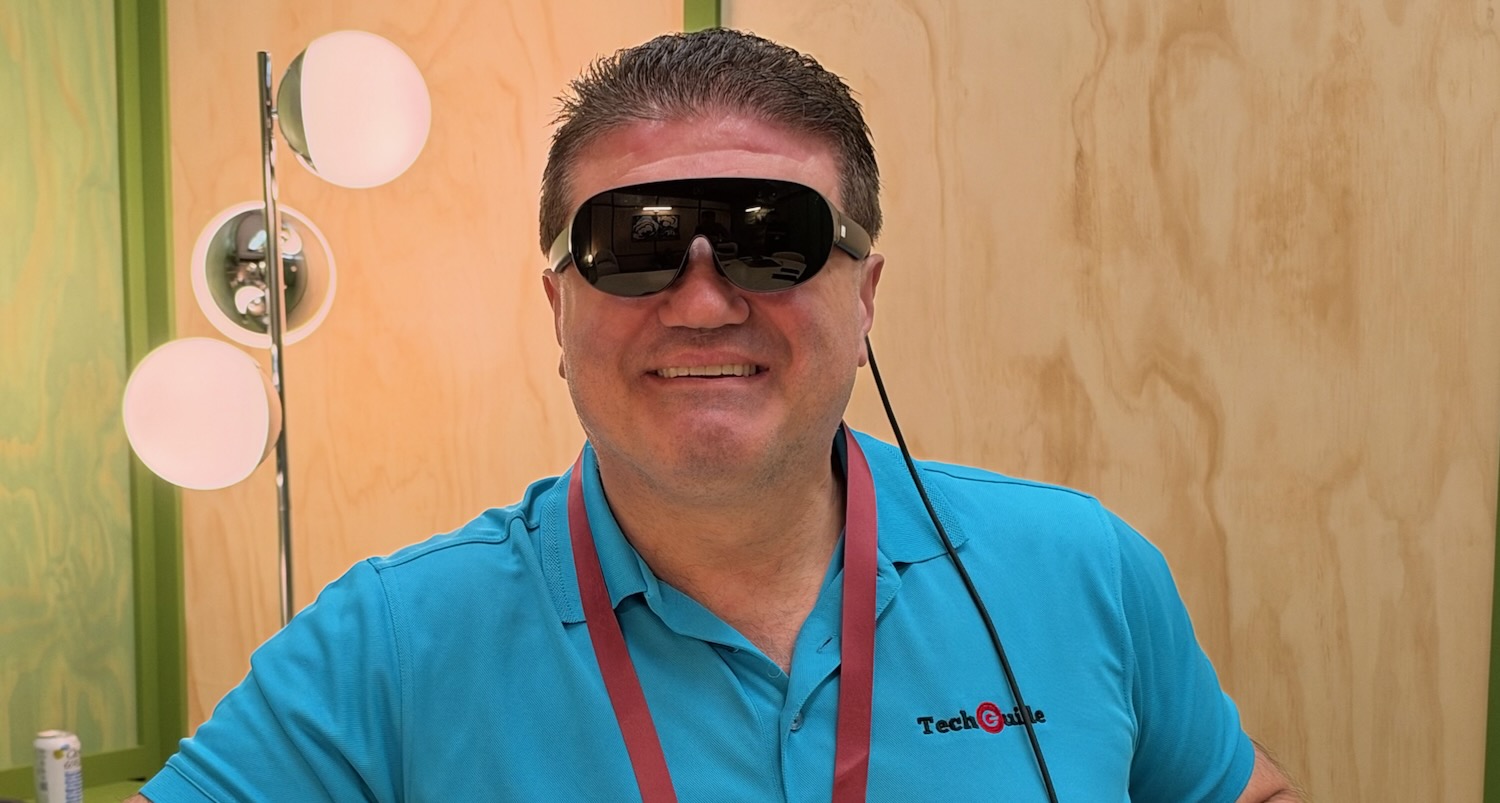


Tech Guide got the chance to go eyes-on with the new Meta VR Glasses which was announced by Mark Zuckerberg at Meta Connect 2026 at the company’s headquarters in Menlo Park.
The Meta VR Glasses go on sale in the US Spring 2027 (March or April) for $US1,299.99.
The straight conversion to Australian dollars puts it at $1,834. We’re hoping it to be priced at $1,999.
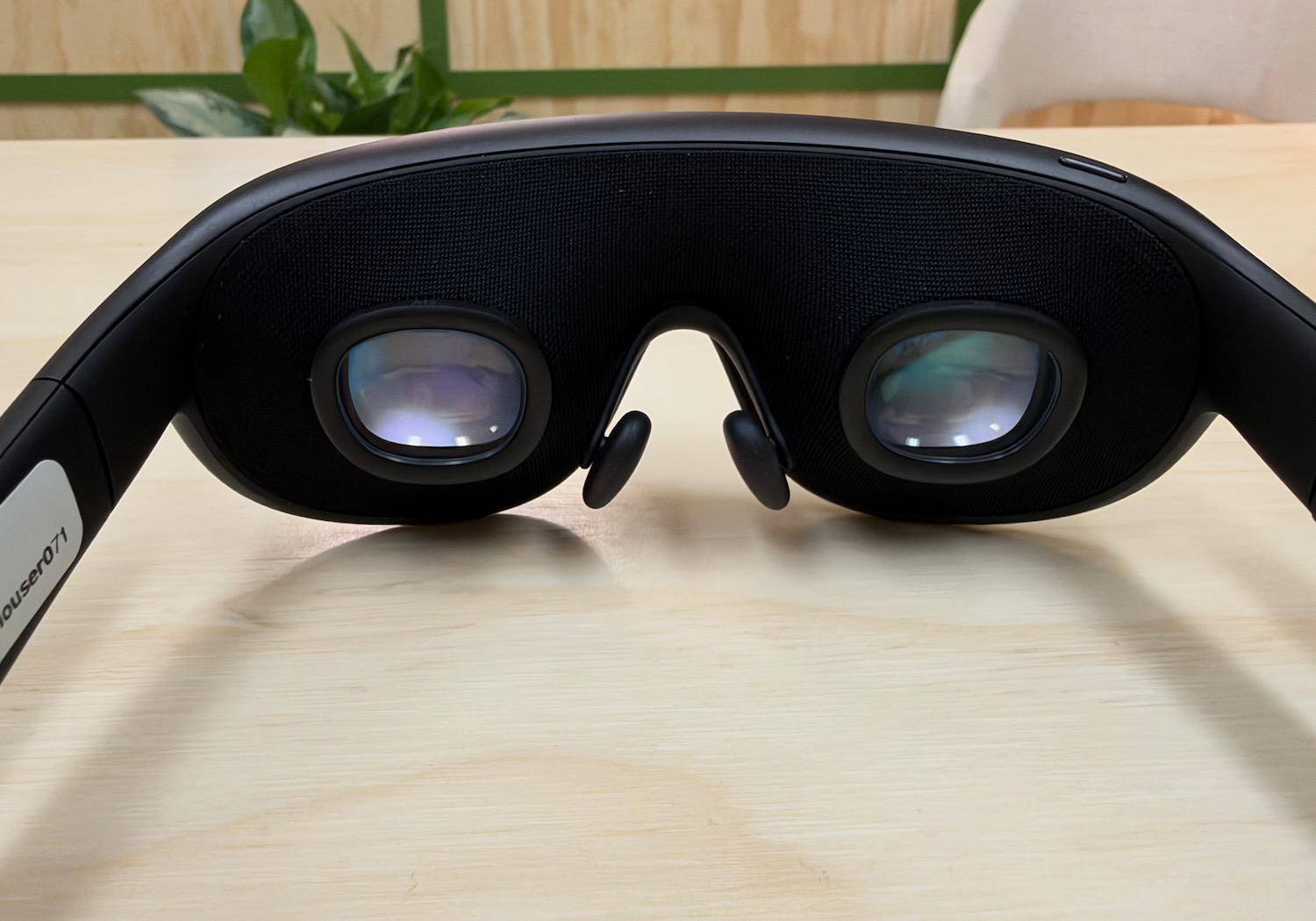
Before we tried the Meta VR Glasses our prescription glasses were scanned before corresponding magnetic lens inserts added to make the experience sharp and clear.
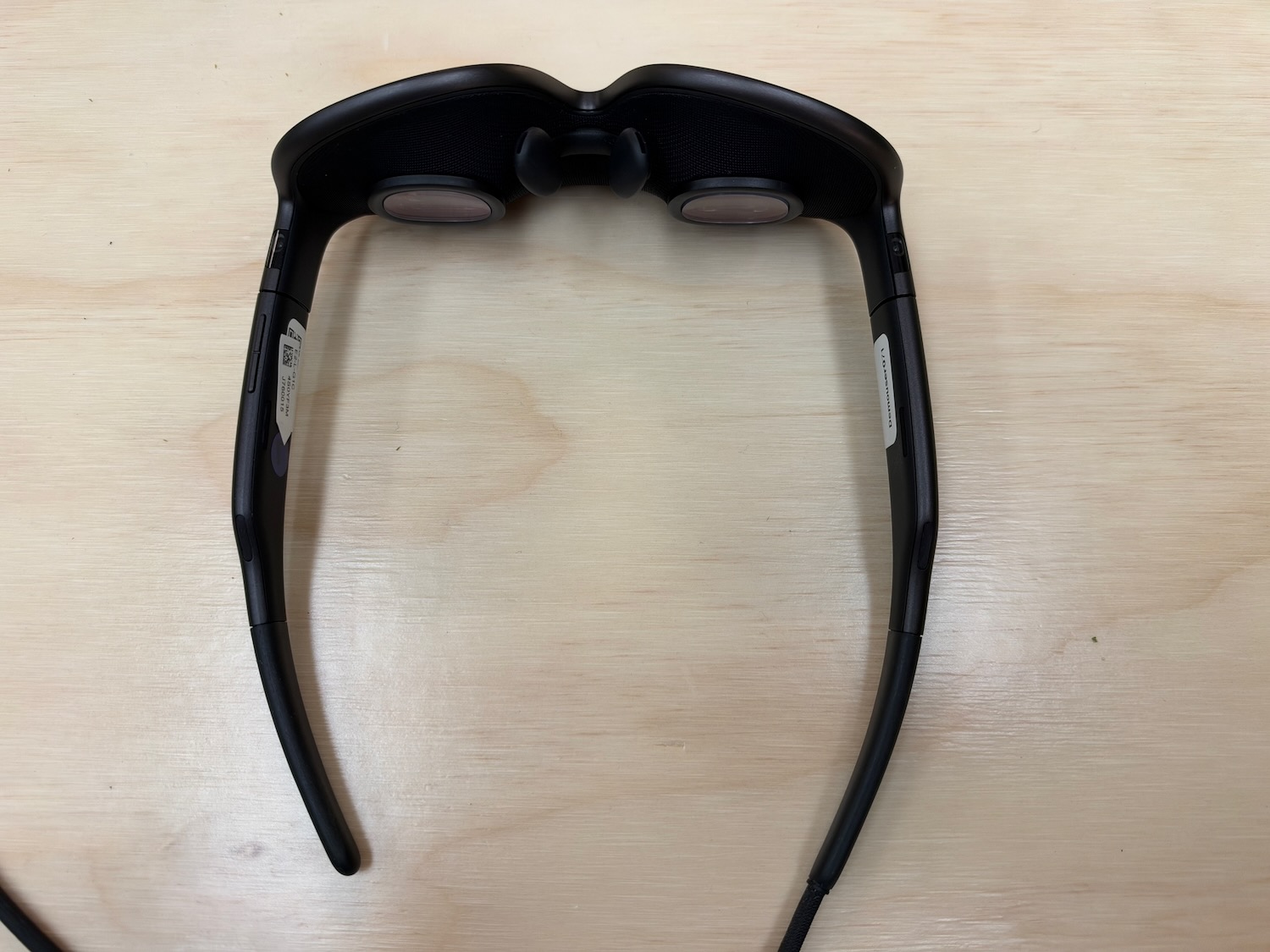
The first thing you notice is just how small and light the device is and how light it feels on your face.
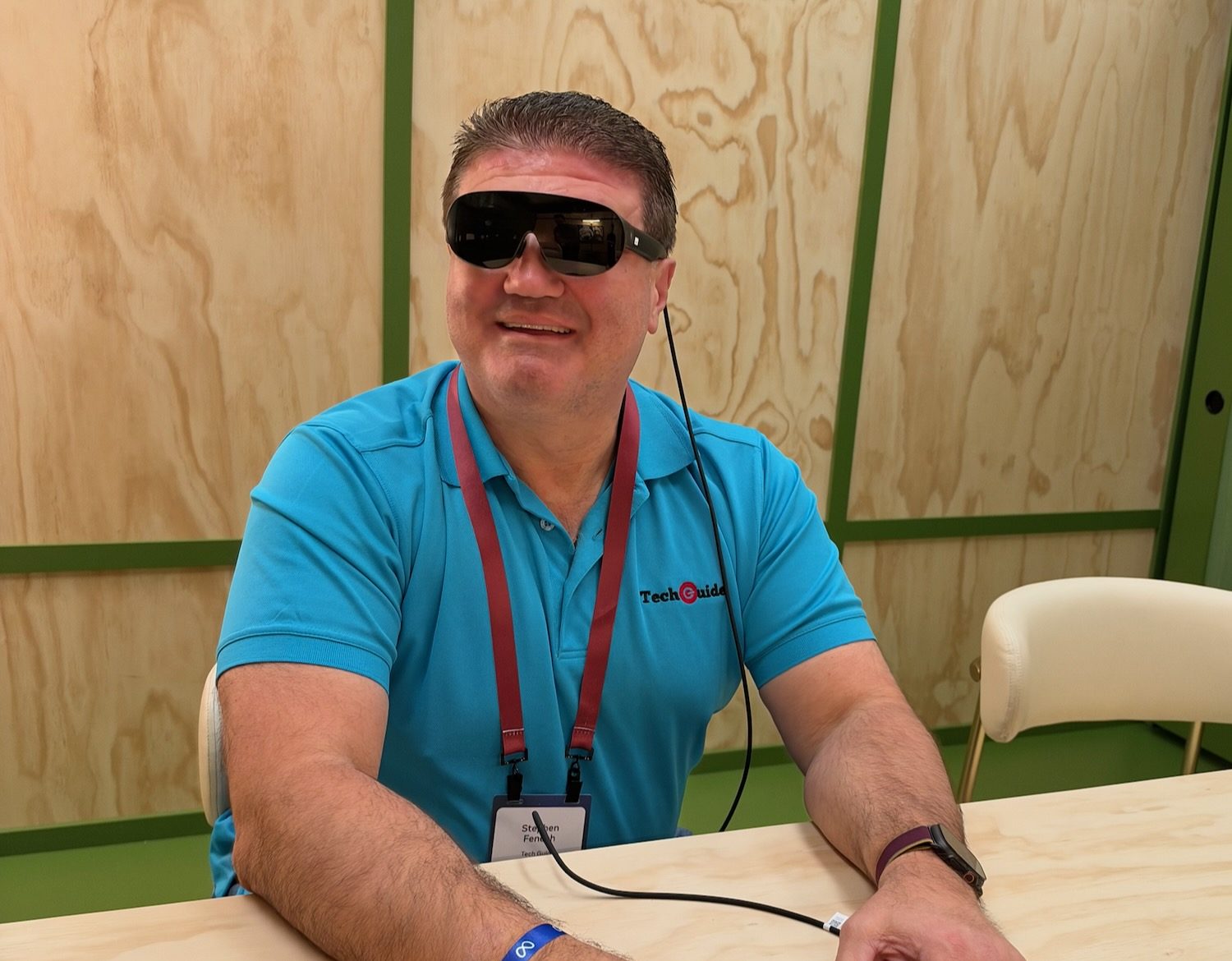
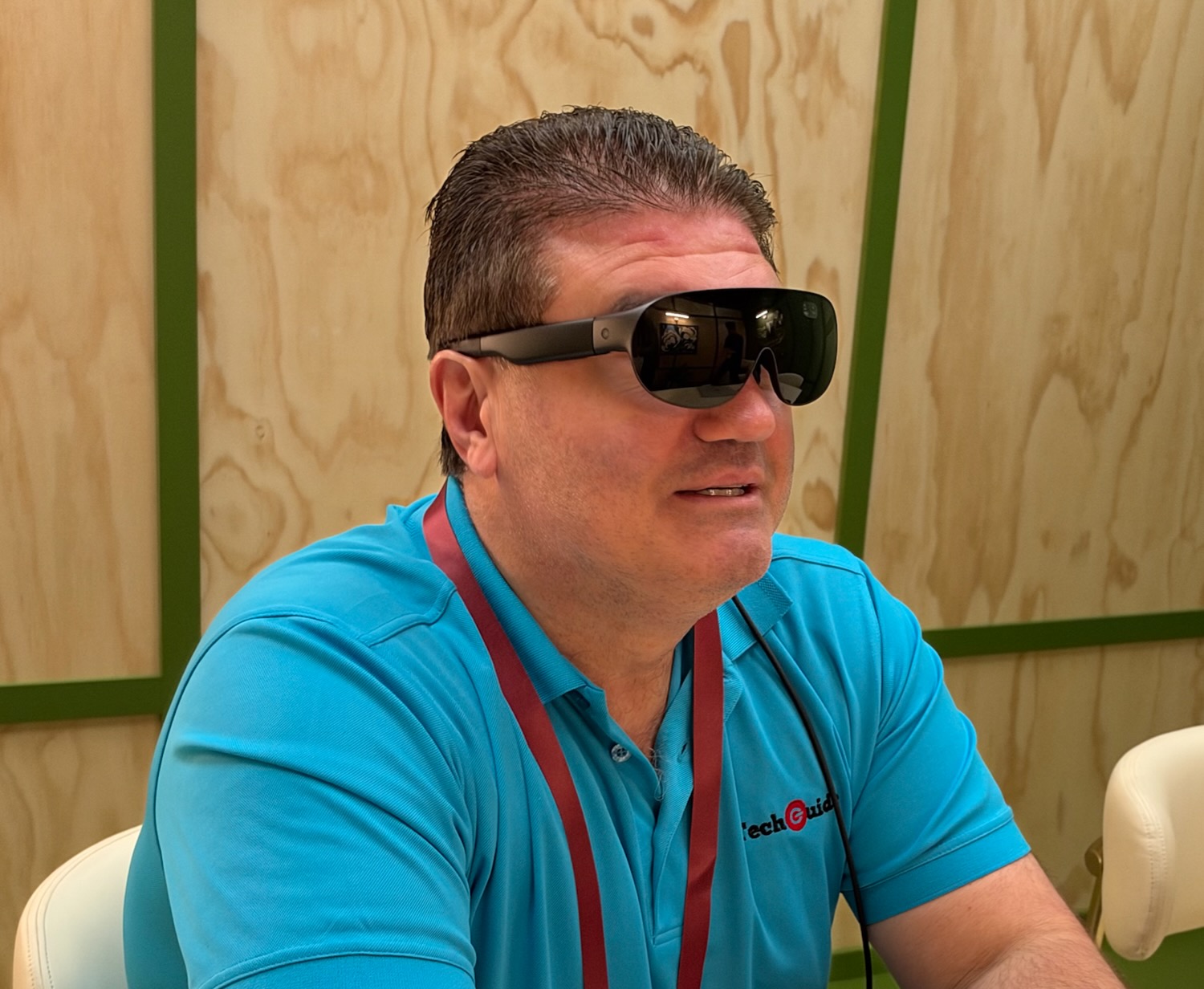
This makes it even more accessible as does the more affordable price which is less than a third of that of its nearest competitor, the Apple Vision Pro.
The Meta VR glasses have no straps and require no major adjustments.
You just put them on as easily as a pair of glasses and you’re ready to go.
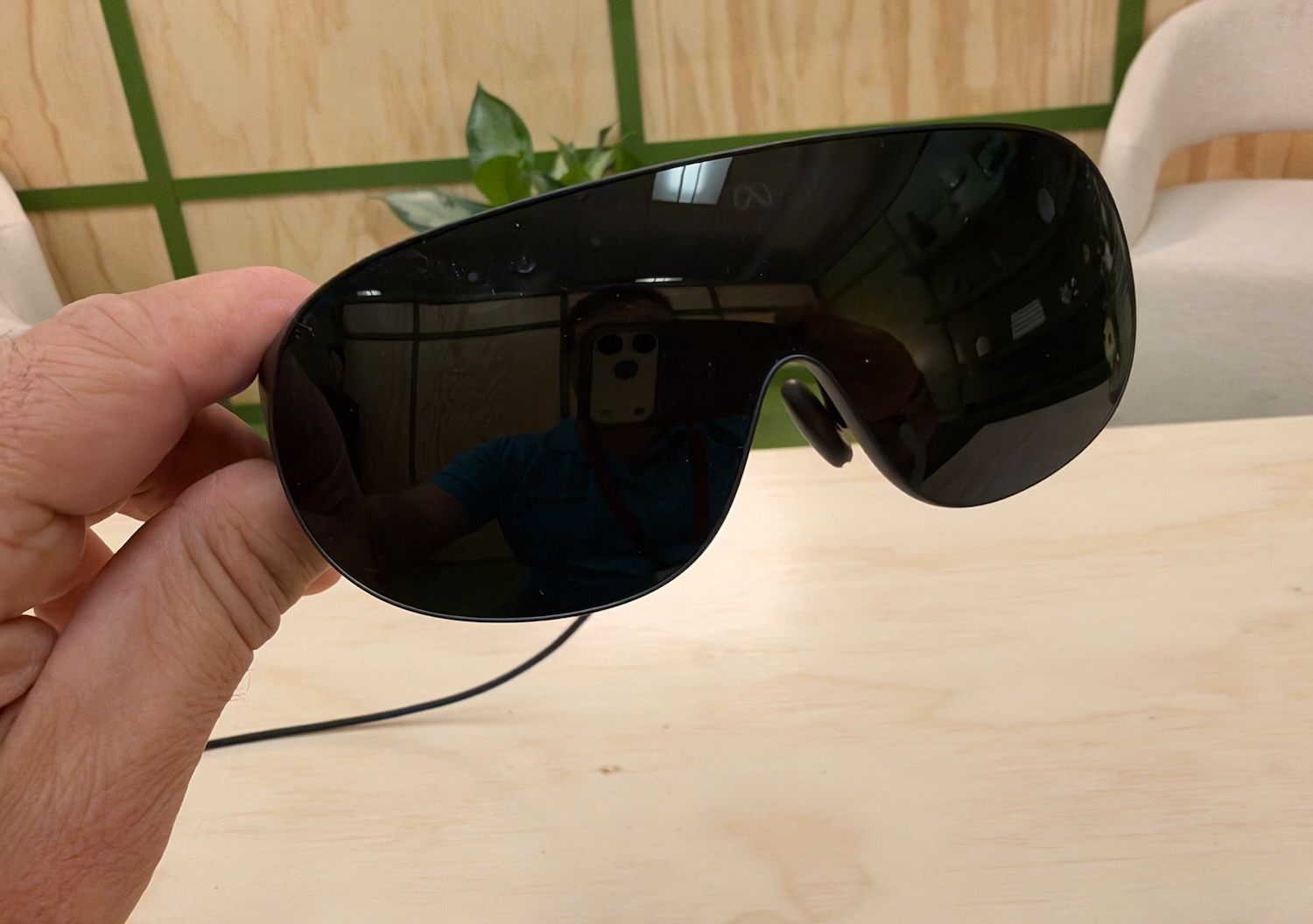
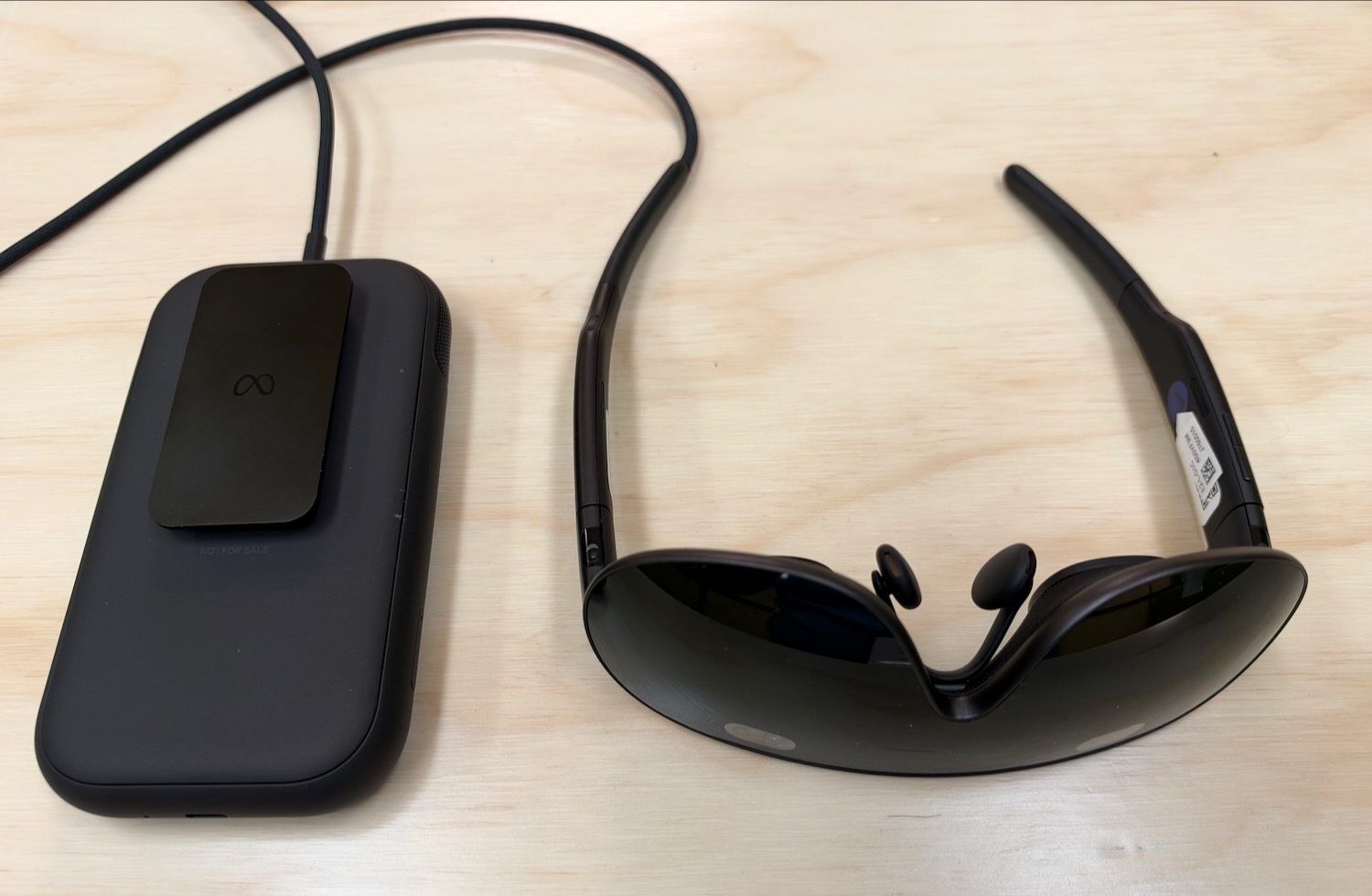
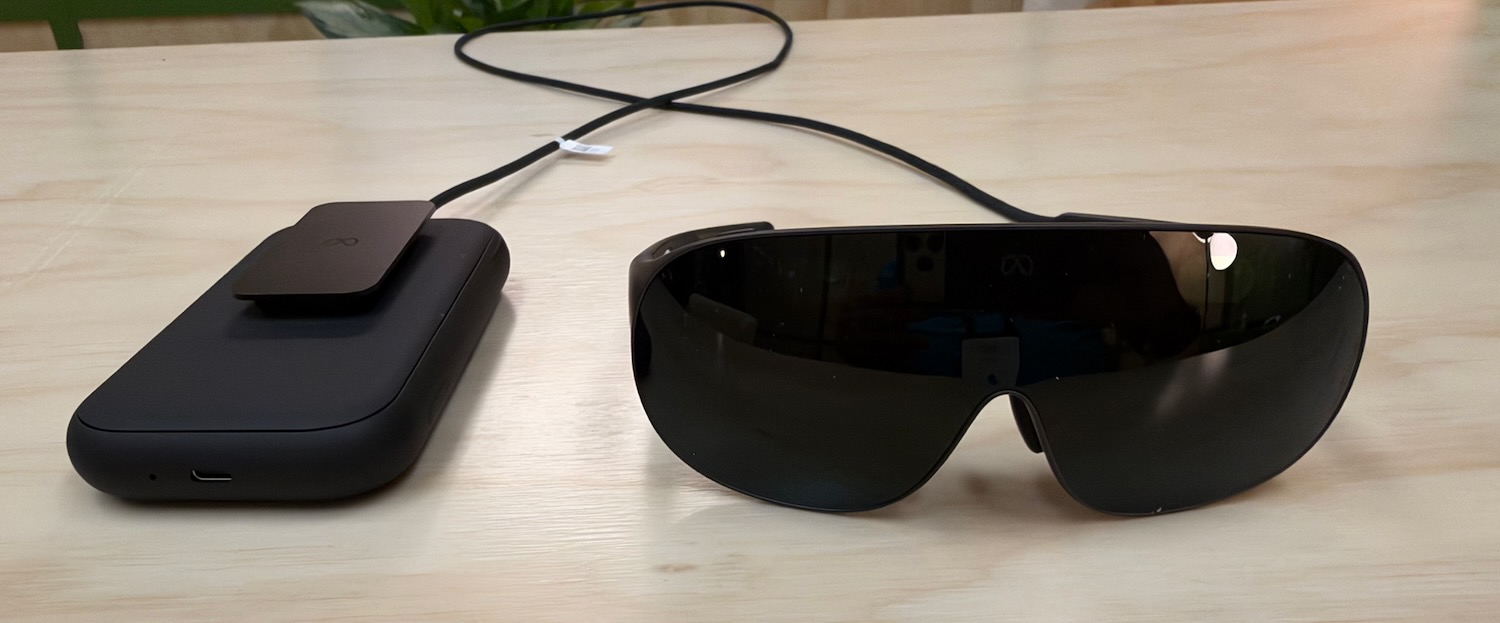
The glasses are attached with an optical cable to what Meta calls a puck which looks like a power bank and is slightly smaller than a smartphone.
The puck contains the battery, along with storage and the processor for the glasses.
Image quality was stunning as we were taken through a demo that showed us everything from 3D movies to apps, games and sports.
We also experienced ESPN Immersive Sports which put us courtside at an NBA match with a 180° view, which made us feel like we were there.
We also got a chance to experience the VR-enhanced version of an Avengers film which added detail and light and content outside of the main frame of the movie, which immersed us even further into the action.
And with the speakers built into the arms of the glasses, the audio was also loud and clear.
It was also easy to navigate the system with a simple pinch gesture of your thumb and forefinger.
And to scroll you simply make a fist and rub your thumb on your forefinger.
It was surprisingly responsive and easy to navigate the entire system.
What was impressive was the ability to create a workspace through the Meta VR Glasses.
We were able to place a virtual keyboard and trackpad on the table in front of us and type just as freely as if we were using a physical keyboard – it was incredibly responsive and accurate.

We also got a chance to play a game without a controller anywhere in sight.
The game was Beat Saber. It was a music game like Guitar Hero, where you had to hit various symbols with your left, right, or both hands as the song played over the action.
It was smooth as silk and got us up out of our chair so it also gave us a bit of exercise at the same time.
There will no doubt be the inevitable comparison with Apple’s Vision Pro because there are a few similarities including the controller-free operation.
In fact one of the gestures to select is identical to that put forward by Apple when it released the Apple Vision Pro in 2024.
Even the ability to select apps and buttons just by looking at it was also a major feature of Apple’s mixed reality product.
But one area where Meta was no doubt happy to undercut Apple was the price.
In Australia the Apple Vision Pro is priced from $6,299. If Meta VR is priced as we hoped at $1,999 it will be less than a third of the price.
The Meta VR will not be released until around March or April in 2027 and it is sure to attract customers to the platform and a whole new way of experiencing their content at a more affordable price.
* Stephen Fenech travelled to the US as a guest of Meta.
