

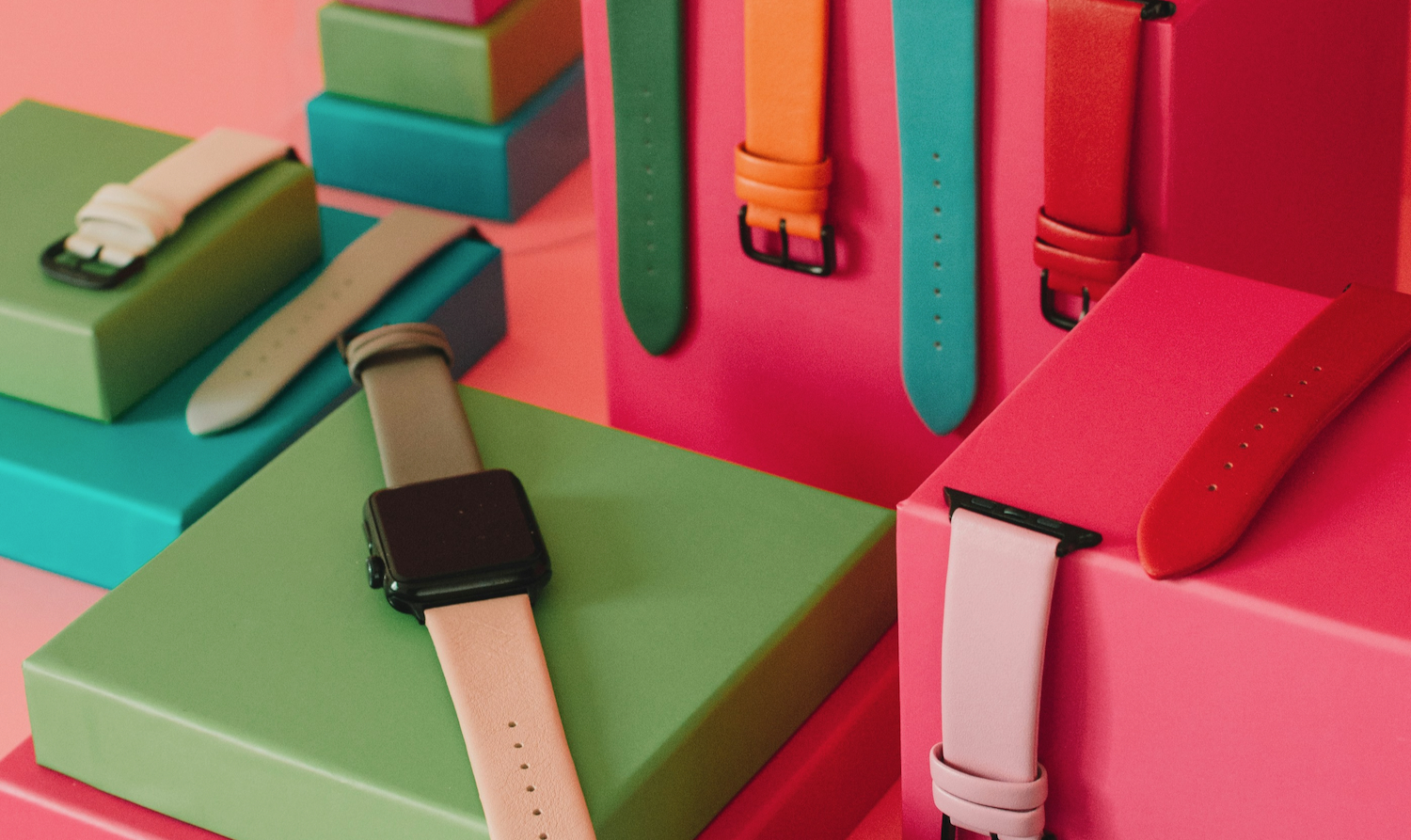


Wearable technology has changed dramatically over the past decade. What began as a convenient extension of the smartphone has evolved into one of the most personal devices people wear every day.
The Apple Watch is no longer simply a gadget for checking notifications or tracking steps. For many users, it has become part of their daily identity — a health companion, productivity tool, fitness tracker, travel assistant and style accessory all in one.
As this shift continues, accessories have become central to the smartwatch experience. Specialist retailers such as
Apple Watch bands from Lux Watch Care are responding to this demand by offering styles that help users move seamlessly between fitness, work, travel and social settings without needing multiple devices.
One of the most interesting changes in smartwatch culture has not happened inside the device itself. It has happened around it.
The Apple Watch band has become one of the most important ways users personalise wearable technology.
From morning workouts to office meetings and evening dinners, a single smartwatch can now move through every part of the day simply by changing the band. This small accessory has become a powerful bridge between technology, fashion and personal lifestyle.
Wearable Tech Has Become Personal
Technology used to feel separate from personal style. Phones stayed in pockets. Laptops stayed on desks. Headphones were functional more than expressive.
Wearables changed that.
Because a smartwatch sits directly on the wrist, it becomes part of the outfit. It is visible during conversations, meetings, workouts and social events. Unlike most other devices, it has to work both technically and aesthetically.
That is why Apple Watch bands have become so important. They allow users to adapt the same device to different parts of their life without changing the technology itself.
A silicone band may suit a gym session or outdoor run. A stainless steel bracelet may feel more appropriate in a business setting. A leather-style band can soften the look for casual wear or dinner. A woven or fabric option may offer comfort for long days of travel.
The watch face may be digital, but the band is deeply personal.
One Device, Multiple Identities
The modern consumer does not live in one mode.
A typical day might begin with exercise, move into work, shift into errands and end with dinner or a social event. Few accessories need to adapt across such different environments as quickly as a smartwatch.
This is where interchangeable bands have reshaped the way people think about wearable tech.
Instead of treating the Apple Watch as a purely athletic device or a purely digital tool, users now style it according to context. The same watch can appear sporty, professional, minimal or elevated depending on the band attached.
This flexibility is one of the reasons the Apple Watch has maintained such broad appeal. It is not locked into one visual identity.
The device remains the same. The expression changes.
The Rise of Tech Personalisation
Personalisation has become one of the biggest trends in consumer technology.
Smartphones are customised with cases, wallpapers and app layouts. Headphones come in multiple colours and finishes. Laptop sleeves and accessories reflect individual taste.
Apple Watch bands fit perfectly into this larger trend.
They are relatively simple to change, easy to collect and highly visible. For many users, owning multiple bands feels as natural as owning different shoes or belts for different occasions.
This reflects a broader shift in how people relate to technology. Consumers no longer want devices that feel generic. They want technology that fits into their lifestyle and personal aesthetic.
In this sense, the Apple Watch band is not just an accessory. It is a form of wearable customisation.
Fitness, Work and Everyday Life
One of the reasons Apple Watch bands have become so widely adopted is practicality.
Different activities place different demands on the wrist.
During workouts, users often prefer lightweight, sweat-resistant and flexible bands. During work, they may choose something more polished and understated. For travel, comfort and durability matter. For evenings, the band may need to feel more refined.
This practical versatility has helped turn Apple Watch bands into an everyday essential rather than a niche add-on.
The result is a more adaptable smartwatch experience.
Fashion and Function Are No Longer Separate
The best technology disappears into daily life. It works so smoothly that users stop thinking about it as technology.
Apple Watch bands help make that possible.
A band affects comfort, fit, appearance and usability. A poorly chosen band can make the device feel too casual, too bulky or uncomfortable after long wear. A well-chosen band makes the watch feel like a natural part of the wearer’s day.
This is where fashion and function overlap.
The band must hold the device securely, feel comfortable on the wrist and suit the user’s environment. It also needs to visually match clothing, lifestyle and personal taste.
That combination of utility and style is why Apple Watch bands have become one of the most commercially successful smartwatch accessories.
The Smartwatch as a Lifestyle Object
The Apple Watch has always been a technology product, but it is increasingly functioning as a lifestyle object.
It tracks health data, supports productivity and connects users to digital systems. But it also says something about how people live.
A runner may choose a performance band. A professional may choose a sleek metal or leather-style option. A frequent traveller may value comfort and versatility. A style-conscious user may rotate bands according to outfit.
This adaptability gives the Apple Watch a rare advantage over many other tech products: it can change visually without becoming obsolete.
As devices become more integrated into everyday life, this kind of physical customisation will likely become even more important.
Why Bands Matter More Than Ever
Smartwatch technology will continue to improve. Future models may offer better sensors, longer battery life and more advanced health features.
But personalisation will remain central.
As wearable devices become more common, users will continue looking for ways to make them feel less generic and more individual. Bands will remain one of the easiest and most effective ways to do that.
The Apple Watch band is no longer an afterthought. It has become a key part of the smartwatch ecosystem — practical, expressive and constantly adaptable.
In many ways, it represents the future of personal technology: devices that are not only smart, but also flexible enough to fit the way people actually live.
The most successful accessories are the ones that make technology feel more human.
Apple Watch bands do exactly that.
