

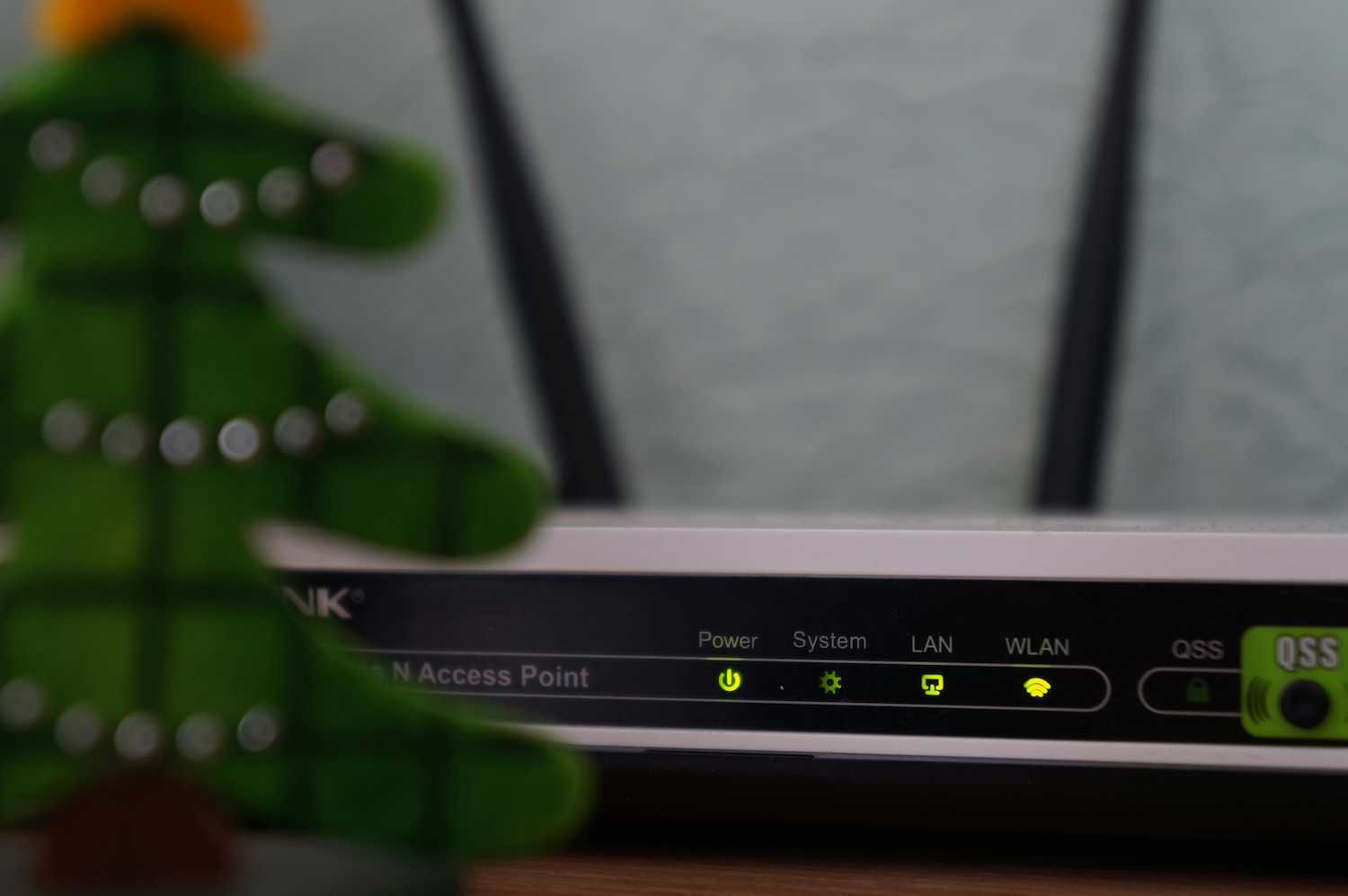


Like any other piece of technology these days, wireless routers run on software to manage wireless connections, direct internet traffic, provide network security, and often control access between different devices.
This software is called firmware, and router manufacturers release firmware updates on a regular basis to fix security vulnerabilities, correct bugs, improve compatibility, enhance performance, and sometimes introduce new features.
When a router continues running old firmware for a long time, it may become less secure, less reliable, and less compatible with modern devices. A router running on outdated firmware does not stop working immediately, but it can lead to various issues. Let us take a look at what can happen when router firmware is outdated.
Security Vulnerabilities Remain Unpatched
The most serious consequences of outdated firmware are that security vulnerabilities remain unpatched. Router manufacturers release firmware updates on a regular basis to patch known security vulnerabilities. If these vulnerabilities are not fixed, they can potentially allow attackers to bypass authentication, execute malicious code, gain unauthorized access, modify router settings, and exploit connected devices.
If the router isn’t updated regularly, known security vulnerabilities may remain exploitable, and this can allow potential attackers to compromise your network and all the devices on it.
The Router May Become Easier to Attack
Outdated firmware means that the router becomes an easier option for attackers to attack and compromise. Older firmware makes a router an easier target because publicly documented vulnerabilities may already have available exploitation techniques. We are living in a continuously evolving tech world, and a router that hasn’t been updated for several months or years should not be considered safe, as it allows potential cyberattackers into the network.
Performance Problems Can Appear
While firmware updates mostly focus on security updates, they are not only about security. Sometimes, firmware updates can also fix software bugs that affect network performance and introduce new features to the router that you can access through the 192.168.1.1 admin panel.
An outdated router that hasn’t been updated for a while may experience random disconnections, slow wireless speeds, high latency, poor handling of multiple devices, and unexpected reboots. These performance problems can usually be fixed through a firmware update, but not updating the firmware makes your router prone to such problems.
Compatibility Problems With New Devices
Wireless technologies continue to evolve, as new smartphones, laptops, smart home devices, and gaming consoles are introduced every year. These new devices usually come with newer standards or features that older firmware doesn’t fully support. Therefore, an outdated router may have problems with new devices, including compatibility issues, authentication issues, mesh networking, and advanced roaming.
Updating the firmware can improve compatibility between older networking hardware and newer devices and fix most of the issues, but it cannot add capabilities that the router’s physical hardware doesn’t support.
Router Settings May Become Vulnerable
A firmware update addresses not only the aforementioned things but also the router settings and its security. Some router vulnerabilities allow attackers to modify configuration settings if they are not addressed properly. An attacker can gain administrative control by exploiting such vulnerabilities and may potentially change DNS settings, WiFi credentials, firewall rules, port forwarding, and remote administration settings.
Keeping router firmware updated helps keep the 192.168.0.1 admin panel secure and prevents attackers from exploiting known vulnerabilities to gain administrative control.
Remote Administration Can Become Riskier
Many routers these days provide remote management of the network through web interfaces or mobile applications. While this feature is very convenient, it creates an additional attack risk if the router’s remote management software contains a vulnerability and the firmware is not up to date.
Just like other vulnerabilities, this security vulnerability is also fixed through firmware updates, but not updating the firmware for long means that this feature can create additional attack exposure.
