


It looks like your next iPhone is going to be more expensive. That’s according to CEO Tim Cook, who says the higher cost and scarcity of memory and storage is something Apple can no longer absorb.
And that means they’ll be passing it on to the customers.
Speaking to The Wall Street Journal, Tim Cook said: “Unfortunately price increases are unavoidable. We’re doing our best to mitigate the huge increases that are being passed to us and we’ve been trying to shield our customers from the increases but the situation has become unsustainable.”
There is no indication of how much higher the prices will be when the new iPhone 18 Pro and the all-but-confirmed iPhone Ultra foldable are launched in September.
Analysts are saying the price rise could be as high as $US300 ($AUD428).
Currently the price of the iPhone 17 Pro starts at $AUD1,999. That means the iPhone 18 Pro could be priced from $AUD2,499.
The iPhone 17 Pro Max starts at $AUD2,199 so the iPhone 18 Pro Max could start at $AUD2,699.
Apple surprised everyone a year ago when iPhone 17 prices stayed basically the same as the iPhone 16 after analysts predicted a price hike on the back of President Donald Trump’s tariffs.
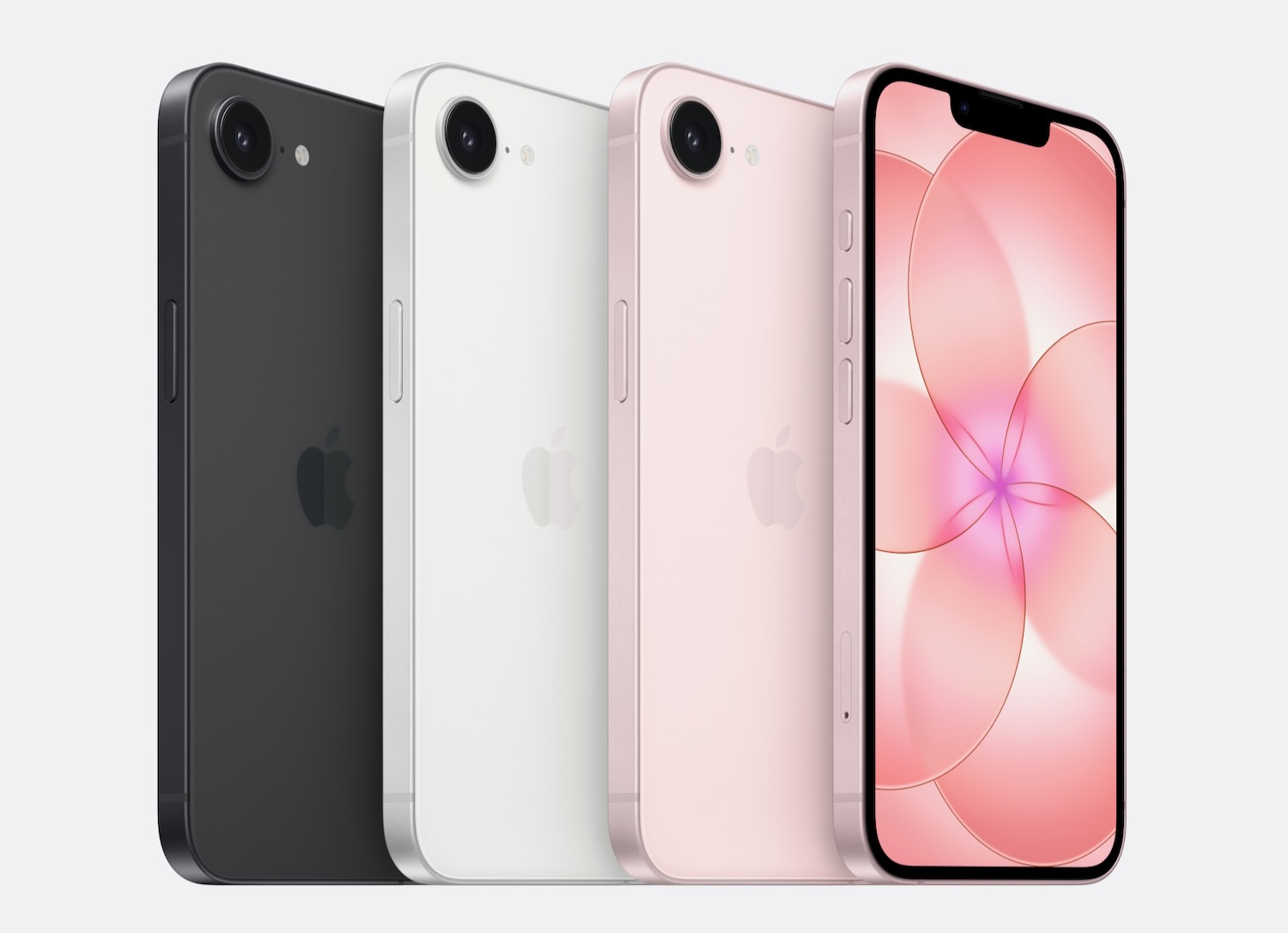
But this year, Apple CEO Tim Cook has set customer expectations that there will be an increase.
It’s unclear exactly which new devices will be more expensive and whether current devices will also increase in price.
All indications are pointing to pricing on iPads and Macs also going up later this year. And it’s all due to the greater demand for storage chips and memory.
AI companies have been hogging most of the supply building data centres, which has driven costs up for other companies.
And it probably goes without saying that if companies like Apple are feeling the pressure to raise their prices, it’s also likely we’ll see price increases from other major brands, including Samsung.
Samsung is due to launch its next range of foldable devices in July.
But Samsung is one of the companies, along with SK Hynix and Micron, that manufacture the memory chips.
They are all increasing production capacity to keep up with demand but are prioritising server chips for enterprise while demand for consumer device chips is proving hard to meet.
Industry strategists suggest Apple will likely sign multi-year agreements with memory makers, with a large cash pre-payment, to secure future supplies.
