

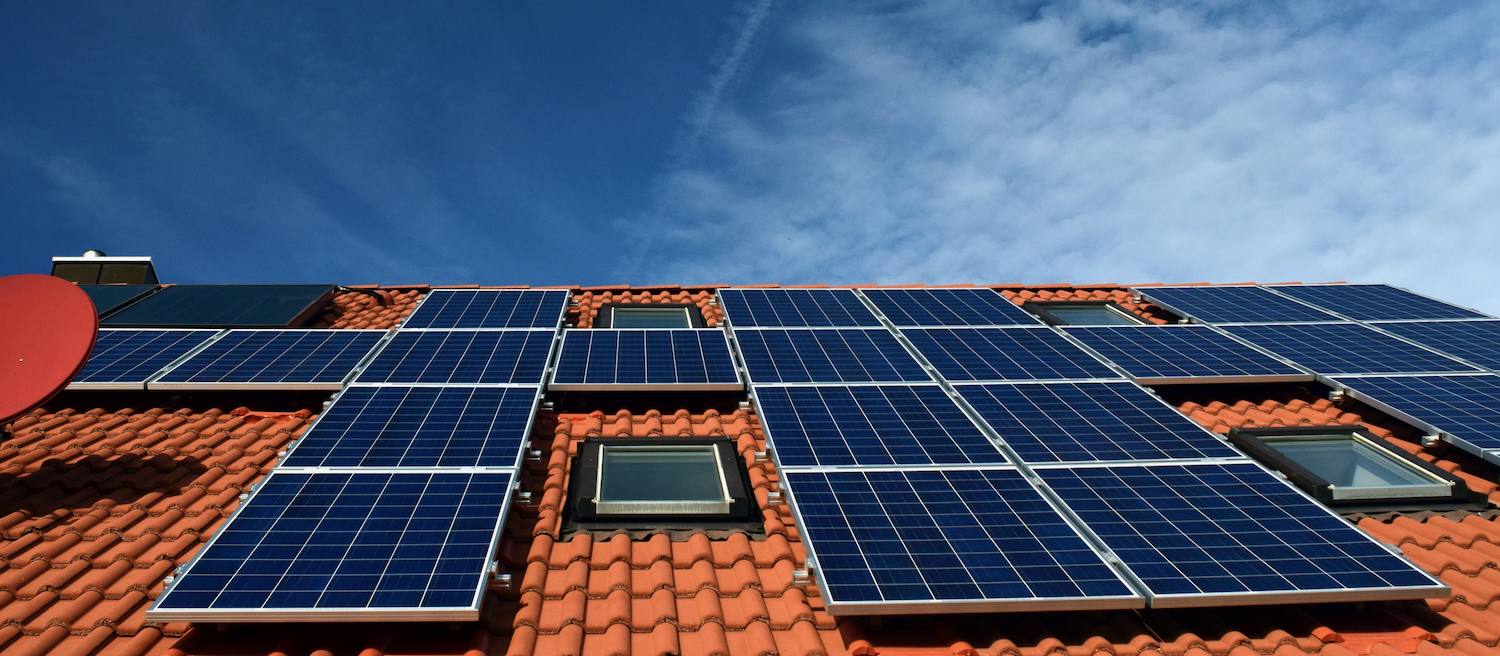


Your commercial rooftop is one of your business’s most valuable — and most overlooked — assets. Every idle square metre sitting above your warehouse, office or retail centre is a missed opportunity to generate clean energy, slash operating costs and future-proof your building against rising electricity prices.
For Australian businesses operating in today’s volatile energy market, the question is no longer whether to go solar — it’s how to do it right. A thoughtfully designed rooftop solar system doesn’t just offset electricity bills; it reshapes how a building interacts with the grid, creates long-term energy independence and delivers a measurable return on investment.
The Commercial Rooftop Advantage
Commercial properties have a structural edge over residential buildings when it comes to solar: large, flat, unobstructed roof areas that align almost perfectly with daytime business operations. Warehouses, manufacturing plants, shopping centres and office complexes typically run heavy electrical loads — HVAC, refrigeration, lighting, machinery — during the same hours the sun is generating the most power.
This overlap between solar generation and on-site energy consumption is the key to maximising your system’s financial performance. The more electricity you self-consume directly from your panels rather than exporting to the grid, the faster your system pays for itself.
Getting the Design Right from Day One
A commercial solar system is not simply a residential setup at a larger scale. Proper commercial solar installation demands a methodical approach: load profiling, structural roof assessment, network connection capacity review and a long-term scalability plan. Skipping any of these steps risks leaving performance — and money — on the table.
The most effective systems are designed around a business’s actual energy profile, not a generic template. Key factors that influence system design include:
- Available roof area, pitch, orientation and shading analysis
- Current and projected electricity consumption by time-of-day
- Existing electrical infrastructure and grid connection limits
- Whether battery storage or EV charging will be integrated now or in the future
- Roof structural load capacity and any heritage or planning constraints
The Financial Case Has Never Been Stronger
Australian commercial electricity prices have risen sharply in recent years, and long-term forecasts offer little relief for grid-dependent businesses. Rooftop solar effectively sets a floor on your energy costs — locking in cheap, self-generated power for the lifespan of the system.
Typical commercial solar payback periods run between 3 and 5 years, depending on system size, consumption patterns and available incentives. After that, the savings flow directly back into your business year after year — often for two decades or more.
Australian businesses can also leverage significant financial incentives to reduce the upfront cost. Small-Scale Technology Certificates (STCs) and Large-Scale Generation Certificates (LGCs) can meaningfully offset capital expenditure, while instant asset write-off provisions (for eligible businesses) make the investment even more attractive from a tax perspective.
Adding Battery Storage: The Next Frontier
Pairing rooftop panels with a Battery Energy Storage System (BESS) is quickly becoming the gold standard for commercial energy strategy. Batteries solve one of solar’s fundamental limitations — the sun doesn’t shine when you need power at night or during peak demand windows — and can cut demand charges that often represent a significant portion of a commercial electricity bill.
A well-configured battery system charges during the day from surplus solar, then discharges precisely when grid tariffs peak. The result is a dramatic flattening of your energy spend across the month, independent of what the wholesale market is doing.
Sustainability & ESG Reporting
Beyond the bottom line, rooftop solar delivers genuine sustainability credentials. A verified renewable energy installation provides tangible Scope 1 and Scope 2 emissions reductions — increasingly important for ESG reporting, supply chain compliance and demonstrating environmental commitment to clients, investors and staff. For businesses under growing pressure to meet net-zero targets, the roof above your operations may be the most practical place to start.
Scalability: Build for Today, Plan for Tomorrow
One of the most common commercial solar mistakes is designing a system purely for current energy needs without accounting for growth. A business that expands its fleet, adds new equipment or extends operating hours may find an undersized system becomes a bottleneck rather than a solution.
The best commercial systems are designed with scalability built in — infrastructure sized to accommodate additional panels, battery capacity or EV chargers down the track, without costly retrofits. This forward-thinking design philosophy is central to how specialists like Winki Energy approach every commercial project, ensuring the system grows alongside the business rather than constraining it.
What to Look for in a Commercial Solar Partner
Choosing the right installer is as important as choosing the right panels. For commercial projects, look for a provider that offers true end-to-end capability: feasibility studies, engineering design, procurement, construction management, grid testing and ongoing maintenance — all under one roof. Fragmented supply chains across multiple subcontractors are a common source of accountability gaps on large-scale projects.
Accreditation also matters. CEC-accredited installers and SAA-accredited designers are held to rigorous industry standards, and their involvement is often a prerequisite for accessing government incentives and utility rebates.
Commercial rooftops across Australia are quietly generating millions of dollars in free energy for the businesses smart enough to harness them. The technology is proven, the financial case is compelling and the installation process — with the right partner — is far simpler than most business owners expect. The only question left is: what is your roof waiting for?
