

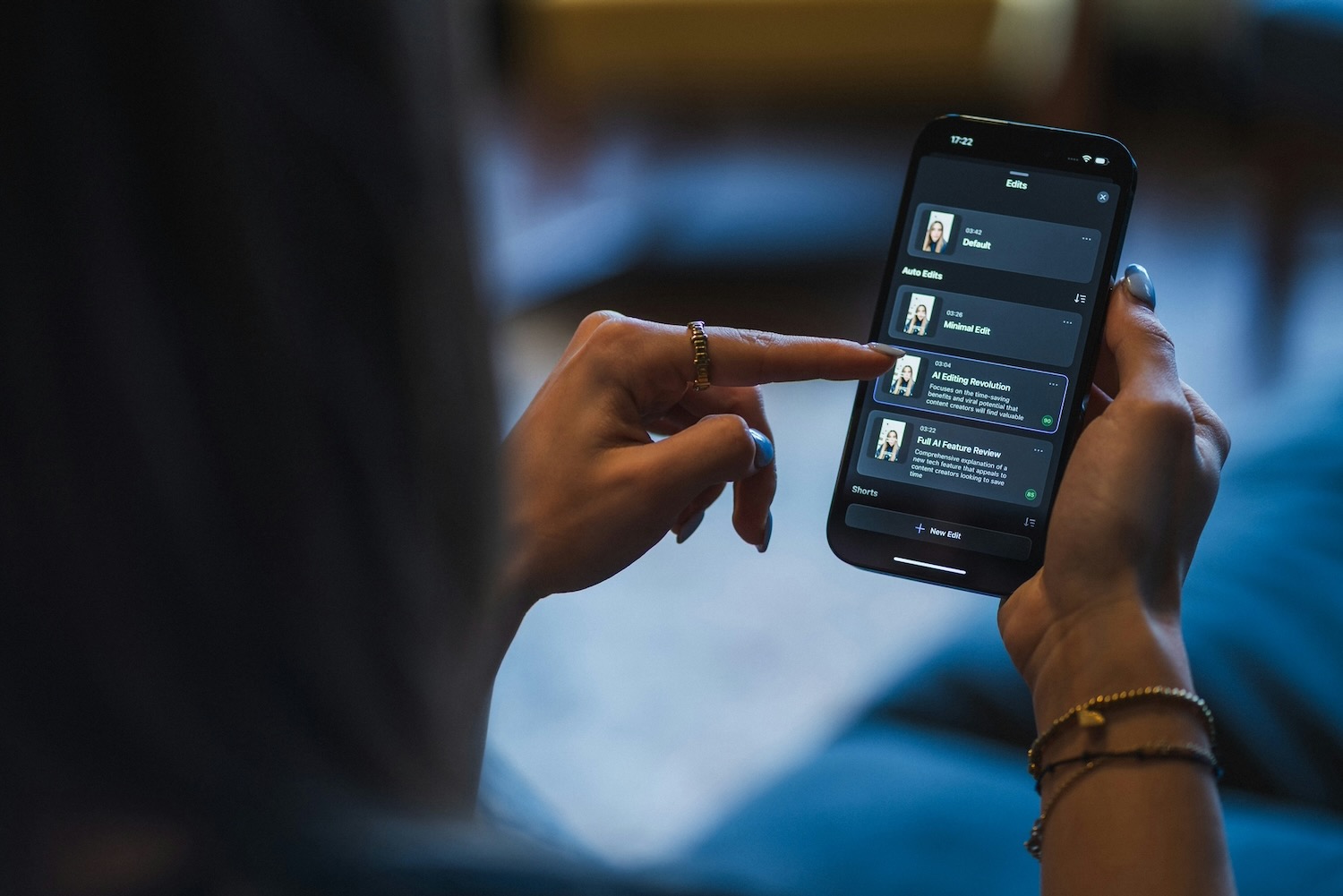


A few years ago, creating polished visual content still felt like a “desktop job.” You needed a camera, editing software, a good set of images, and usually more patience than most people had after work.
That is changing quickly.
Today, many of the most useful creative tools are becoming simple enough to use from a phone. A small business owner can test product visuals during a lunch break. A creator can turn a photo into a short video before posting. A shopper can see how an outfit might look before buying it. A finance blogger can create a clean thumbnail without digging through generic stock images.
This shift is not just about AI becoming more powerful. It is about AI becoming more practical.
DataReportal’s Digital 2026 Global Overview Report shows how big the opportunity has become: more than 6 billion people are now online, and more than 1 billion people use AI each month (DataReportal, 2026). For everyday users, the phone is no longer just where content is consumed. It is where content is made.
From Editing to Experimenting
Traditional editing tools ask users to make decisions after they already have the raw material. AI tools work differently. They help people test ideas before committing to a shoot, a purchase, or a campaign.
That is especially useful for fashion, ecommerce, and social content.
Google has been pushing this direction in shopping. Its virtual try-on updates let users create a digital version of themselves from a selfie and try clothing across product listings (Google, 2025). That matters because shoppers often need visual confidence before they buy.
The same idea is useful outside large retail platforms. A creator planning a style video can test different looks first. A boutique owner can preview outfit combinations before arranging a shoot. A reseller can create fresh styling concepts from existing clothing photos.
A tool like an AI clothes changer fits naturally into this workflow. Instead of treating outfit content as a full production task, users can test visual direction quickly: casual look, office look, streetwear look, seasonal look. The point is not to replace real product photography, but to make planning faster and more flexible.

Why Visual Testing Matters
McKinsey has noted that about 70 percent of retail sales are digitally influenced, with discovery increasingly happening online before a customer ever steps into a store (McKinsey, 2025). That means visuals are doing more work than ever.
People do not only want to read about a product. They want to see how it fits into a real situation.
For a clothing brand, that could mean showing the same jacket in different settings. For a creator, it could mean testing a profile look before shooting a video. For a small shop, it could mean creating content variations for Instagram, TikTok, Pinterest, or a product page without booking several shoots.
The useful workflow is simple:
- Start with a clean, well-lit image.
- Decide what the image needs to communicate.
- Generate a few variations.
- Keep the best version.
- Add captions, context, and a human review before publishing.
That last step matters. AI can speed up creative production, but it still needs judgment.
Better Visuals for Small Business Content
AI visuals are also helpful for topics that are hard to photograph.
Money is a good example. Finance creators, fintech blogs, small business coaches, and side-hustle educators often need visual content about savings, budgeting, income, ecommerce, or digital payments. But stock photos of coins, wallets, and laptops can start to look repetitive very quickly.

An AI money generator can help create conceptual money-themed visuals for blog headers, social thumbnails, course slides, or small business ads. Used properly, it gives creators a faster way to communicate ideas like cash flow, savings goals, online income, or financial planning.
There is an important line here: money visuals should stay conceptual and ethical. They should not imitate real banknotes in a misleading way, suggest fake earnings, or be used to create deceptive financial claims.
The best use is simple: make educational or marketing content clearer.
For example, a creator might use AI-generated money visuals for:
- a budgeting app thumbnail,
- a blog post about ecommerce costs,
- a small business cash-flow guide,
- a fintech explainer,
- or a social post about saving habits.
That kind of content does not need to look expensive. It needs to look clear, polished, and relevant.
What Smartphone Users Should Watch For
As AI creative apps become more common, users should build a few good habits.
Use strong source images. A clean photo with good lighting usually produces a better result than a blurry or cluttered image.
Avoid sensitive uploads. Do not upload private documents, IDs, financial records, or images of people who have not given permission.
Check the details. AI tools can make mistakes with hands, logos, clothing edges, and small text.
Keep claims honest. If an image is used in an ad, it should not mislead people about what a product can do.
Save versions. AI tools make it easy to test ideas, but keeping the original file and the best variations helps when revising later.
The Bottom Line
The biggest change in mobile creativity is not that everyone suddenly becomes a designer. It is that more people can now test ideas visually before spending time or money on production.
That is useful for shoppers, creators, educators, small business owners, and marketers. A phone can now be a camera, editing suite, styling assistant, design board, and publishing tool all at once.
AI will not make every image better. But used carefully, it can make the creative process faster, cheaper, and more accessible.
For most users, that is the real upgrade.
Sources cited: DataReportal Digital 2026, Google Shopping virtual try-on update, McKinsey State of Fashion discussion
