



Security has always been a top priority for Australian businesses, property managers, and facility operators. Traditionally, organizations have relied on a combination of CCTV systems and security guards to protect their assets, employees, and visitors.
While these solutions remain valuable, they also come with limitations that can leave gaps in coverage, especially as security risks continue to evolve.
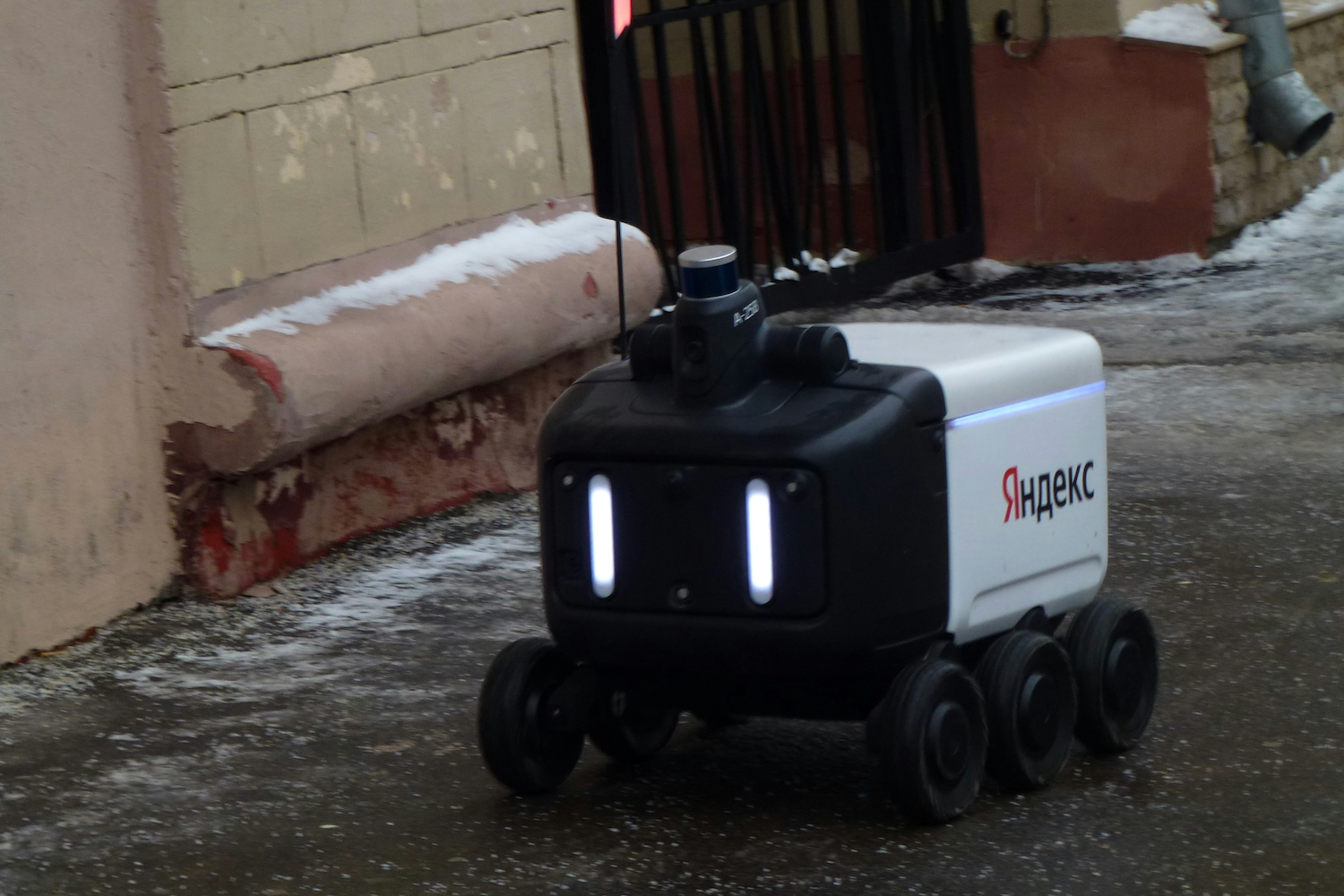
In recent years, autonomous security robots have emerged as a practical and reliable addition to modern security strategies. Equipped with advanced sensors, artificial intelligence, high-definition cameras, and real-time communication systems, these robots can continuously patrol designated areas, detect unusual activity, and provide immediate alerts to security teams.
As technology continues to mature, more Australian organizations are discovering that security robots are not replacing every aspect of traditional security—they are enhancing it. Companies such as Australian Robot Technology are helping businesses adopt autonomous security solutions that improve surveillance, reduce operational costs, and provide around-the-clock protection.
The Limitations of Traditional CCTV
Closed-circuit television has been a cornerstone of commercial security for decades. Cameras provide valuable evidence when incidents occur and allow operators to monitor multiple locations simultaneously. However, CCTV is fundamentally a passive security tool.
Most cameras simply record footage, waiting for someone to review it after an incident has already happened. Unless a dedicated monitoring team is actively watching every camera feed, suspicious behavior may go unnoticed for extended periods.
Another challenge is camera placement. Buildings, car parks, warehouses, and shopping centers often contain blind spots where fixed cameras cannot provide complete visibility. Changing layouts, parked vehicles, landscaping, or temporary obstacles can further reduce camera effectiveness.
While advancements such as video analytics have improved CCTV capabilities, they still depend on strategically positioned cameras and often require significant infrastructure investments.
The Challenges of Human Security Guards
Human security personnel remain an essential part of many security operations. Guards can make decisions, communicate with people, respond to emergencies, and provide reassurance to visitors.
However, relying solely on human patrols also presents several practical challenges.
Security guards cannot be everywhere at once. Large commercial properties require extensive patrol routes, and even the most diligent guard can only inspect one area at a time. During patrols, other parts of the property may remain temporarily unmonitored.
Fatigue also becomes a factor during overnight shifts or extended patrol periods. Repetitive tasks naturally reduce concentration over time, increasing the likelihood of missed incidents or delayed responses.
Additionally, labour costs continue to rise, making 24-hour physical patrols increasingly expensive for many businesses.
These challenges have encouraged organizations to explore technologies that can complement their existing workforce rather than replace it entirely.
How Autonomous Security Robots Work
Modern security robots are designed to patrol indoor and outdoor environments autonomously while collecting and transmitting real-time security information.
Using technologies such as LiDAR, GPS, cameras, ultrasonic sensors, radar, and artificial intelligence, these robots navigate predefined patrol routes safely and efficiently.
Rather than following simple programmed paths, autonomous robots constantly analyses their surroundings. They detect moving objects, avoid obstacles, recognize unexpected changes, and adjust their route accordingly.
As they patrol, the robots continuously capture video, monitor environmental conditions, identify unusual activity, and transmit live information to security operators.
If the robot detects suspicious behavior, unauthorized access, or other security concerns, it can immediately notify security teams, enabling a much faster response than relying solely on recorded CCTV footage.
Many systems also support two-way communication, allowing operators to speak directly through the robot if intervention is required.
How Do Security Robots Avoid Pedestrians?
One of the most common questions surrounding autonomous security robots is how they safely operate around people.
Today’s robots use multiple sensor technologies simultaneously to create a real-time map of their environment.
LiDAR scans surrounding objects with laser pulses, while cameras and proximity sensors continuously monitor nearby movement. Artificial intelligence processes this information several times per second, allowing the robot to recognize pedestrians, bicycles, vehicles, and temporary obstacles.
If someone walks into the robot’s path, it slows down, stops, or safely navigates around them while maintaining its patrol route.
This advanced obstacle avoidance allows security robots to operate safely in busy shopping centers, commercial buildings, hospitals, airports, and public spaces where pedestrian traffic is constant.
Why After-Hours Patrols Are Ideal for Security Robots
Many security incidents occur outside normal business hours when facilities are largely unoccupied.
Industrial estates, office buildings, educational campuses, residential complexes, and commercial facilities often require regular overnight patrols to deter theft, vandalism, or unauthorized access.
Unlike human guards, autonomous robots do not become tired or lose concentration during repetitive patrols.
They can patrol the same route consistently throughout the night while maintaining continuous surveillance and reporting any unusual activity immediately.
Because every patrol is digitally recorded, property managers also receive detailed logs showing exactly where the robot travelled, when inspections occurred, and whether any incidents were detected.
Where Security Robots Deliver the Most Value
Security robots are particularly effective in large environments that require regular patrols and extensive surveillance coverage.
Shopping centers benefit from continuous monitoring of entrances, common areas, loading docks, and car parks.
Commercial office complexes use robots to patrol building exteriors, internal corridors, and parking facilities after business hours.
Residential communities can improve perimeter security while providing additional visibility throughout shared spaces.
Industrial warehouses and logistics facilities use robots to monitor storage areas, loading zones, and restricted access points without interrupting daily operations.
Educational campuses, hospitals, and government facilities are also beginning to explore autonomous patrols to supplement existing security teams.
Rather than replacing security personnel, robots often handle routine patrols, allowing human staff to focus on investigations, emergency response, visitor management, and customer interactions.
Easier Deployment Than Many Businesses Expect
Some organizations assume deploying autonomous security robots requires major infrastructure upgrades or lengthy installation projects.
In reality, many modern systems are designed for relatively straightforward implementation.
After assessing the site, operators map patrol routes, identify restricted zones, configure alert settings, and integrate the robot with existing security platforms where appropriate.
Once deployed, robots automatically recharge when required before resuming scheduled patrols with minimal human intervention.
Because they integrate with existing CCTV systems and security operations, businesses can gradually expand robotic patrols without replacing their current infrastructure.
A Smarter Layer of Security
The growing interest in autonomous security robots reflects a broader shift toward proactive security rather than reactive monitoring.
Instead of waiting for someone to review recorded footage after an incident, businesses can receive real-time alerts while events are unfolding.
Continuous patrols also improve visibility across large sites, reducing the likelihood that blind spots or inconsistent patrol schedules create opportunities for criminal activity.
Combined with experienced security personnel and existing surveillance systems, robots provide an additional layer of intelligence that strengthens overall security operations.
The Future of Security in Australia
As artificial intelligence, robotics, and sensor technology continue to advance, autonomous security robots are expected to become an increasingly common feature across Australian commercial properties.
Businesses are recognizing that effective security no longer depends solely on fixed cameras or manual patrols. Instead, a layered approach that combines human expertise with intelligent automation offers greater efficiency, broader coverage, and improved situational awareness.
For organizations looking to modernize their security operations, autonomous robots represent a practical investment that complements traditional methods while addressing many of their long-standing limitations. As adoption continues to grow, security robots are likely to become an integral part of Australia’s evolving security landscape.
