

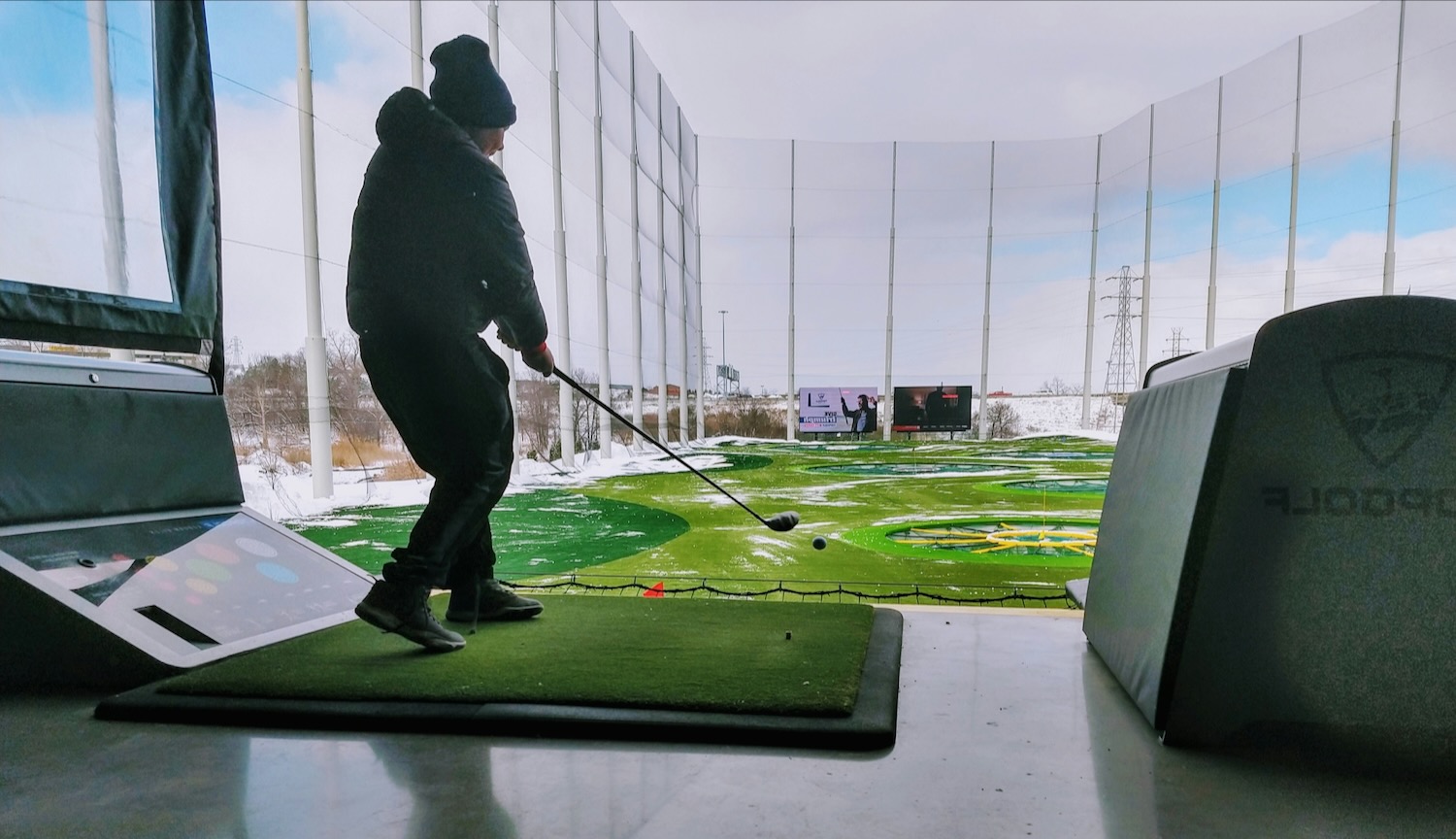


Golf has always been a game of patience, precision, and repetition. For generations, improving meant finding time to get to the driving range, booking lessons around a busy schedule, or waiting for good weather before working on the swing.
While those traditional methods still have their place, modern technology has completely changed how golfers can practise, learn, and enjoy the game away from the course.
One of the biggest developments has been the rise of the indoor golf simulator. Once seen as a luxury reserved for tour professionals, coaches, and high-end fitting studios, simulators are now becoming increasingly popular among everyday golfers who want a more convenient and effective way to improve. Whether installed in a garage, spare room, garden studio, or commercial training space, a simulator can transform unused indoor space into a year-round golf environment.
Why Golf Simulators Have Become So Popular
The appeal of golf simulators is simple: they remove many of the barriers that stop golfers from practising consistently. Weather, daylight, travel time, and course availability all become far less important when you can hit balls indoors whenever you have time.
For golfers in places where rain, wind, or extreme heat regularly disrupt play, this is especially valuable. Instead of losing momentum during poor weather, players can keep their swing sharp, work on specific clubs, and even play virtual rounds on famous courses from the comfort of their own property.
Another major reason for their popularity is the quality of modern data. Today’s simulators do much more than show a ball flying across a screen. They can provide detailed feedback on ball speed, launch angle, spin rate, carry distance, club path, face angle, and shot dispersion. For golfers who want to practise with purpose rather than simply hitting balls, this information can be incredibly useful.
Practice With Real Feedback
One of the challenges of traditional practice is knowing whether you are actually improving. A golfer might hit a bucket of balls at the range and feel productive, but without accurate data it can be difficult to understand what is really happening at impact.
A simulator gives structure to practice. You can compare distances between clubs, identify gaps in your bag, test different swing feels, and monitor whether changes are producing better results. This makes practice more measurable and less dependent on guesswork.
For example, a player struggling with a slice can use simulator data to see whether the issue is linked to club path, face angle, strike location, or a combination of factors. Instead of relying only on ball flight, the golfer can make more informed adjustments. Over time, this helps build better habits and greater confidence.
The Rise of the Home Golf Setup
More golfers are now exploring the idea of creating their own indoor practice space. A golf simulator for home can be designed around different room sizes, budgets, and playing goals. Some setups are compact and focused mainly on swing practice, while others include full enclosures, impact screens, projectors, launch monitors, hitting mats, and software for a complete playing experience.
The best home setups are not just about technology. They are about creating a space that is safe, comfortable, and enjoyable to use regularly. Ceiling height, room depth, screen size, mat quality, lighting, and ball containment all matter. A well-planned simulator room should allow the golfer to swing freely with every club while protecting walls, ceilings, and surrounding areas.
For many players, the convenience is the biggest advantage. Being able to practise for 20 minutes before work, play nine holes in the evening, or warm up before a weekend competition can make a real difference. Consistency is one of the most important factors in golf improvement, and home simulators make consistent practice much easier.
What Makes a Good Golf Simulator Setup?
A simulator is only as good as the components that support it. While every setup is different, most quality systems include a few key elements:
- A reliable launch monitor or tracking system
- A durable hitting mat that feels realistic underfoot
- An impact screen or net designed to handle repeated shots
- Enough space for a full, unrestricted swing
- Simulator software that suits the golfer’s practice and playing goals
The launch monitor is often considered the heart of the system because it captures the shot data. Some devices focus mainly on ball data, while others also measure club data. The right choice depends on whether the golfer wants basic distance feedback, advanced swing analysis, virtual course play, or coaching-level information.
The hitting mat is also important. Poor-quality mats can feel harsh, punish the joints, or give unrealistic feedback. A good mat should provide stability while allowing the club to interact naturally with the surface. For regular use, durability and comfort should never be overlooked.
The screen or enclosure is another key part of the experience. It needs to absorb impact safely, display the projected image clearly, and fit the available room. A good enclosure also helps contain stray shots, giving players more confidence when swinging indoors.
Entertainment as Well as Improvement
While many golfers invest in simulators to improve, the entertainment value should not be underestimated. Modern simulator software can make indoor golf highly enjoyable for family, friends, and guests. Players can compete in closest-to-the-pin challenges, long-drive contests, skills tests, or full virtual rounds.
This social side is one reason simulators are appearing not only in homes but also in offices, hospitality venues, golf clubs, and leisure spaces. They provide a way to enjoy golf without needing four or five hours on a course. For beginners, a simulator can also be a less intimidating environment to learn the basics before heading outside.
Experienced players benefit too. They can use simulator rounds to practise course management, test strategy, and stay engaged with the game during periods when outdoor golf is less accessible.
Planning Your Space Properly
Before installing a simulator, it is important to assess the available space carefully. The main considerations are ceiling height, room width, room depth, and the golfer’s swing type. Taller players or those with flatter swings may need more clearance than expected, especially when using a driver.
It is also worth thinking about how the room will be used. Some golfers want a dedicated simulator room, while others need a multi-purpose space that can still function as a garage, gym, or family room. In these cases, retractable screens, portable nets, or modular components may be useful.
Lighting and flooring can also affect the experience. Good lighting helps with visibility and safety, while suitable flooring can make the room feel more finished and comfortable. Small details such as storage for clubs, balls, tees, and accessories can make the setup easier to use day after day.
Are Golf Simulators Worth It?
For golfers who play occasionally and rarely practise, a simulator may be more of a luxury. But for those who are serious about improvement, value convenience, or want to play more often, it can be a highly worthwhile investment.
The value comes from frequency of use. A golfer who uses a simulator several times a week can build rhythm, maintain confidence, and work on technique without the usual interruptions. Over months and years, that level of access can have a meaningful impact on performance.
There is also value in enjoyment. Golf is a sport many people wish they had more time for. A simulator brings the game closer, making it easier to practise, play, and share the experience with others.
Final Thoughts
Golf simulators have moved far beyond being a novelty. They are now practical training tools that give golfers access to meaningful feedback, realistic practice, and year-round enjoyment. Whether the goal is lowering scores, improving ball striking, entertaining guests, or simply playing more golf, a well-designed simulator setup can make the game more accessible.
As technology continues to improve, indoor golf will only become more accurate, immersive, and popular. For players who want to take control of their practice and make better use of their available time, a home simulator setup offers one of the most effective ways to keep improving without waiting for the next trip to the course.
