

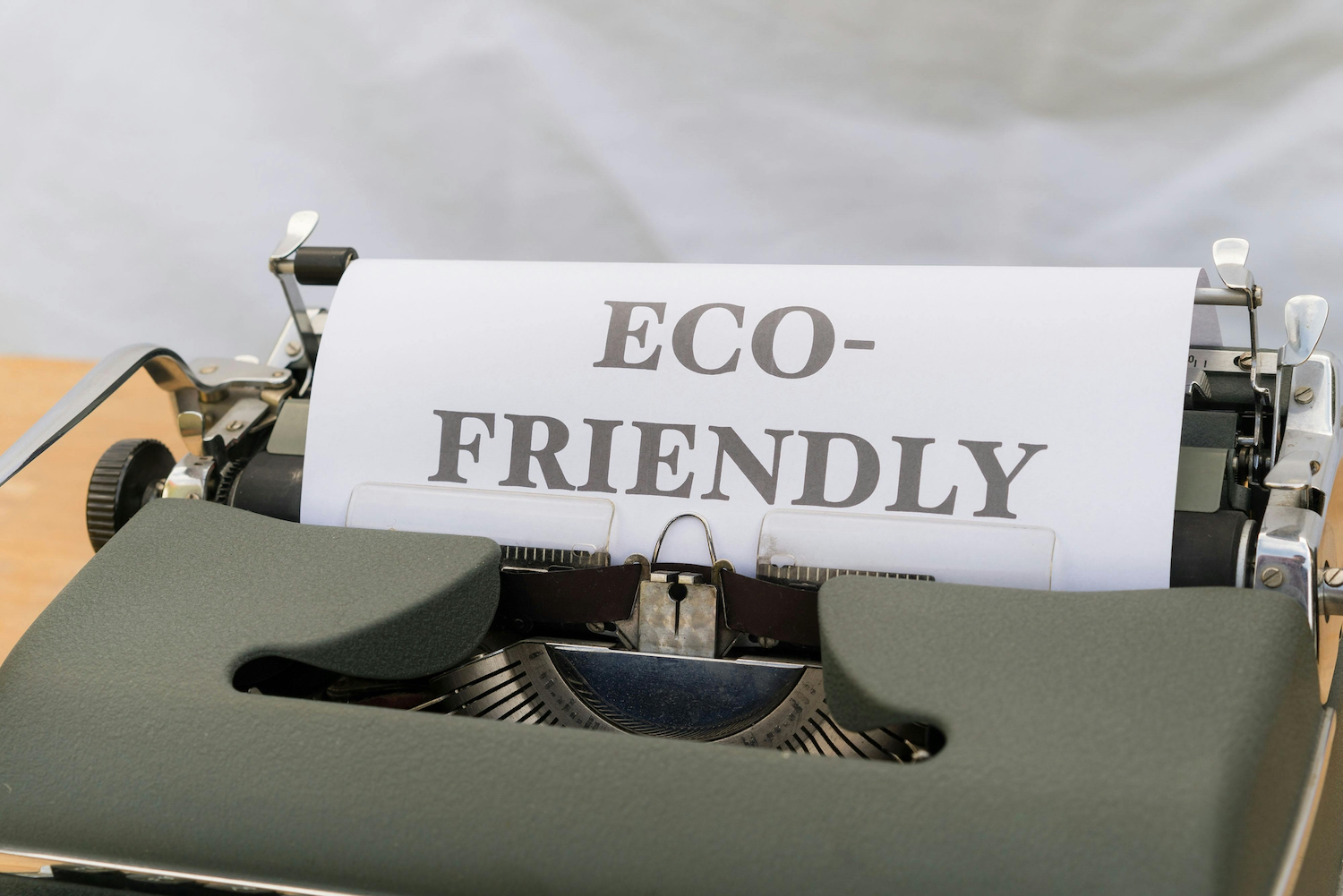


In the digital age, businesses need to be both profitable and eco-friendly. With more research on climate impacts resulting from commercial activity, consumers are becoming more socially aware, and more inclined to ‘vote with their dollars’ across both corporations and small business entities.
Thankfully, it’s entirely feasible for even small businesses to maintain a positive environmental impact. With the rise of smart tech like IIoT monitoring for energy consumption, and even digital record-keeping tech to eliminate pen and paper methods, there are a variety of eco-friendly processes you can implement that can reduce your operating costs and allow your enterprise to function more efficiently.
If you’re an entrepreneur looking to implement more environmentally friendly processes in your small business, you’ve come to the right place. Let’s go over some tips designed to benefit both the environment and your bottom line.
Use High-Yield Printer Cartridges
While it’s good to reduce paper usage, it’s impossible to completely eliminate it. Documents like customer invoices, employee contracts and tax records often need to have hard-copy versions. Because of this, it’s essential to invest in the right ink cartridges.
These days, it’s not hard to secure the exact printing supplies you need, no matter what sort of printer you’re using. If you need HP printer ink, for example, you can simply jump online to find a nearby supplier and buy in-store or even place an order via their website. Many providers also give you the option to order cartridges on a subscription basis, which saves you the trouble of having to manually replenish your supplies every time you run out.
We highly recommend investing in high-yield cartridges. While these have higher initial costs than low-yield alternatives, they allow you to save money on a per-page basis. Larger cartridges are also good for the environment since you’ll be disposing of empty cartridges less frequently, which means significantly less waste and a smaller carbon footprint for your business.
Switch to Renewable Energy
Renewables are on the rise all across Australia, from city to city and industry to industry. Energy sources like solar and wind are providing businesses with alternatives to traditional forms of energy like fossil fuels. While there’s a common misconception that renewable energy is only viable for the largest of companies, this couldn’t be further from the truth. Even SMEs can use renewable energy efficiently.
For most businesses, the easiest way to get into renewable energy is to install solar panels in partnership with a suitable solar installation team.
While transitioning to solar power involves significant initial costs, there are plenty of funding options available for businesses looking to make the switch, including green loans made available via your local council district, or even via state and Federal government offices. These borrower-friendly agreements are usually offered by the government in an effort to protect the environment by incentivising eco-friendly practices.
Pro tip: if your business already has solar installed but is yet to invest in a solar battery, then take full advantage of the Cheaper Home Batteries scheme while it’s still available.
Source Locally
In our globalised materials market, supply chains have naturally become more complicated than ever. Whether you’re sourcing construction materials or intricate tech components, you can all but guarantee that those supplies are coming to you from different corners of the globe – which means you’ll need to factor in transportation emissions to your sustainability reporting.
Alongside being a certified hassle to monitor, transportation emissions are also consistently the largest contributors to your company’s carbon footprint. So if you want to curb your emissions, you will absolutely need to start considering partnering with local suppliers.
Thankfully, Australia’s network of local suppliers is growing stronger with every year, thanks in part to continuing global trade disruptions. We’re becoming more self-sufficient, which means you can easily find alternative local suppliers that may be able to offer added convenience and reduced carbon impacts to your supply chain.
Yes, partnering with local suppliers may drive up your supply chain costs slightly when compared to working with international suppliers based out of APAC, for instance. But when you factor in the sustainability and environmental compliance wins plus the easier access to your supply partners (who may even be in the same timezone!), the pros may quickly begin to outweigh the cons.
Build an Eco-Friendly Corporate Culture
Among the most effective initiatives a small business can take to become more eco-friendly is to revolutionise its corporate culture. This means creating a common set of environmental values and practices that your entire team follows. Building a corporate culture that prioritises sustainability can start with encouraging recycling. Educate your team on what types of disposable waste go into the recycling bin. Then, set up posters around the office reminding everyone to throw their rubbish away responsibly.
Another green office initiative is to allow employees to maintain a hybrid work model. While in-person work has its benefits, plenty of tasks can be done from anywhere. Allowing members of your team to do their jobs from the comforts of their own home office means they don’t need to contend with a daily commute. This reduces the amount of emissions that are released into the atmosphere.
Becoming a greener business begins with your culture. For smaller enterprises in particular, the actions taken by individual employees have a massive impact on the entire company’s level of sustainability. Start your journey towards building a business that’s a force for good for the environment by making changes to your culture.
Map out your Company’s Green Shift with these Foundational Practices
Going green isn’t just good for the environment: when done correctly, adapting sustainable business practices can save your enterprise plenty of money and help you operate more efficiently. What’s more, green initiatives can benefit any business, no matter its size.
If you’re the leader of a small business, there’s plenty to gain by going green. In this article, we’ve provided some practical steps you can take to make your enterprise more eco-friendly. Begin implementing them today to reduce your ecological footprint and drive your business forward.
