


In recent years, the workplace has undergone a profound transformation. From traditional centralized offices to fully remote setups during the pandemic, and now to the increasingly prevalent hybrid work model, collaboration is being fundamentally reshaped.
With team members scattered across cities and time zones, there’s a greater need for efficient meetings, seamless communication, and cohesive teamwork.
At the heart of this shift lies AI technology — the driving force behind next-generation meeting experiences. By intelligently enhancing audio and video quality, streamlining scheduling, managing content, and breaking down language barriers, AI-powered meeting solutions are swiftly becoming essential tools for modern workplace collaboration.
- What Are AI-Driven Meeting Solutions?
AI-driven all-in-one meeting solutions refer to systems that integrate artificial intelligence technologies into video conferencing platforms and meeting equipment to tackle the common issues of inefficiency, confusion, and communication barriers found in traditional meetings.
These solutions go far beyond just virtual backgrounds or noise cancellation—they use machine learning, natural language processing, computer vision, and other advanced technologies to make meeting setup, participation, and follow-up smarter and more seamless, unlocking the full potential of team communication and collaboration.
- Key Ways AI Enhances Meeting Efficiency
2.1 Improved Audio Quality
Clear audio is the foundation of productive meetings. AI algorithms can instantly detect and eliminate background noises, like wind, typing, or pets, while enhancing human speech to make voices sound clearer and more natural.
- Noise Suppression and Voice Enhancement
By combining digital signal processing (DSP) with neural networks, AI effectively distinguishes speech from noise, suppressing unwanted background sounds and boosting vocal clarity. Whether it’s the hum of an air conditioner, keyboard clicks, or ambient chatter, the system filters these out in real time, delivering a focused and clear listening experience. Some advanced solutions even adapt audio settings automatically based on the room’s acoustics.
- Echo Cancellation and Beamforming Microphones
In larger meeting rooms, AI-powered echo cancellation predicts and removes sound reflections that can disrupt audio quality. Meanwhile, beamforming microphones intelligently focus on the active speaker and dynamically switch direction as different people talk, ensuring every voice is captured clearly, creating a truly hands-free, smart audio environment.

2.2 Smart Video Conferencing Experience: Auto-Framing and Speaker Tracking
AI technology is transforming the video conferencing experience, especially through intelligent cameras featuring auto-framing and speaker tracking.
- Auto Speaker Tracking and Smart Framing
AI-powered conference cameras use facial recognition and voice localization to automatically follow the active speaker and adjust zoom, delivering smooth, natural video that enhances remote participants’ immersion. Leveraging machine learning, these systems can distinguish between active speakers and passive listeners, ensuring the camera stays focused on key interactions.
- Gesture Recognition and Intelligent Video Analytics
At a more advanced level, AI can recognize gestures like hand-raising and adjust the camera view accordingly. Additionally, computer vision-based video analytics monitor room occupancy and participant engagement, dynamically optimizing framing to reduce the need for manual control and boost meeting interactivity and intelligence.
2.3 Automation and Smart Settings
- Automated Scheduling and Reminders
Traditional meeting scheduling often involves a lot of back-and-forth communication. AI-powered scheduling assistants can intelligently suggest optimal meeting times by considering team members’ work preferences, time zones, and meeting frequency. They also automatically send calendar invites and reminders. Beyond that, AI systems can learn individual behavior patterns—like someone preferring morning meetings or a team in a certain region avoiding afternoon slots—delivering a truly personalized scheduling experience.

- Automated Environmental Adjustments
By integrating IoT sensors, AI meeting systems can automatically adjust lighting, temperature, and audio-visual equipment based on real-time occupancy or user preferences. For example, motion sensors can turn on lights and optimize room temperature when participants enter, improving comfort and reducing energy waste. AI can also analyze past meeting data to fine-tune the environment for future sessions.
Thanks to Natural Language Processing (NLP), users can control lights, play content, start calls, and more through voice commands. Integration with platforms like Alexa for Business or Google Assistant enables centralized and seamless device control, minimizing technical hurdles during meetings.
2.4 Real-Time Translation and Captions: Breaking Language Barriers
In global collaboration, language differences often create obstacles to effective communication and teamwork. AI-powered Automatic Speech Recognition (ASR) combined with Neural Machine Translation (NMT) enables real-time translation and synchronized captions across multiple languages. This allows team members to speak comfortably in their native language while instantly understanding others’ remarks.
The system uses deep learning models to transcribe speech, then applies contextual semantic analysis to deliver accurate, high-quality translations displayed as captions on the screen. Even in multi-party remote meetings, this ensures everyone stays on the same page and conversations flow smoothly.
Today’s leading AI translation systems achieve over 95% accuracy—more than enough for everyday communication, cross-border projects, and decision-making support. With ongoing advances in algorithms, the intelligence and reliability of these tools continue to improve.
2.5. Intelligent Content Sharing and Collaboration Tools
AI-powered meeting systems not only generate accurate meeting summaries, clearly assign action items, and organize documents automatically based on the meeting content, but also seamlessly integrate with popular collaboration and task management platforms like Slack, Notion, Asana, Microsoft Teams, Trello, and Jira.
Using Natural Language Processing (NLP), these systems intelligently identify key decisions, responsibilities, and deadlines during meetings, then sync them directly with the relevant tools to ensure tasks are tracked in real time. For example, after a meeting ends, action items can be automatically pushed to a Slack channel or Notion project board to remind responsible team members to follow up. At the same time, well-organized meeting minutes can be archived in the company’s knowledge base for easy future reference.
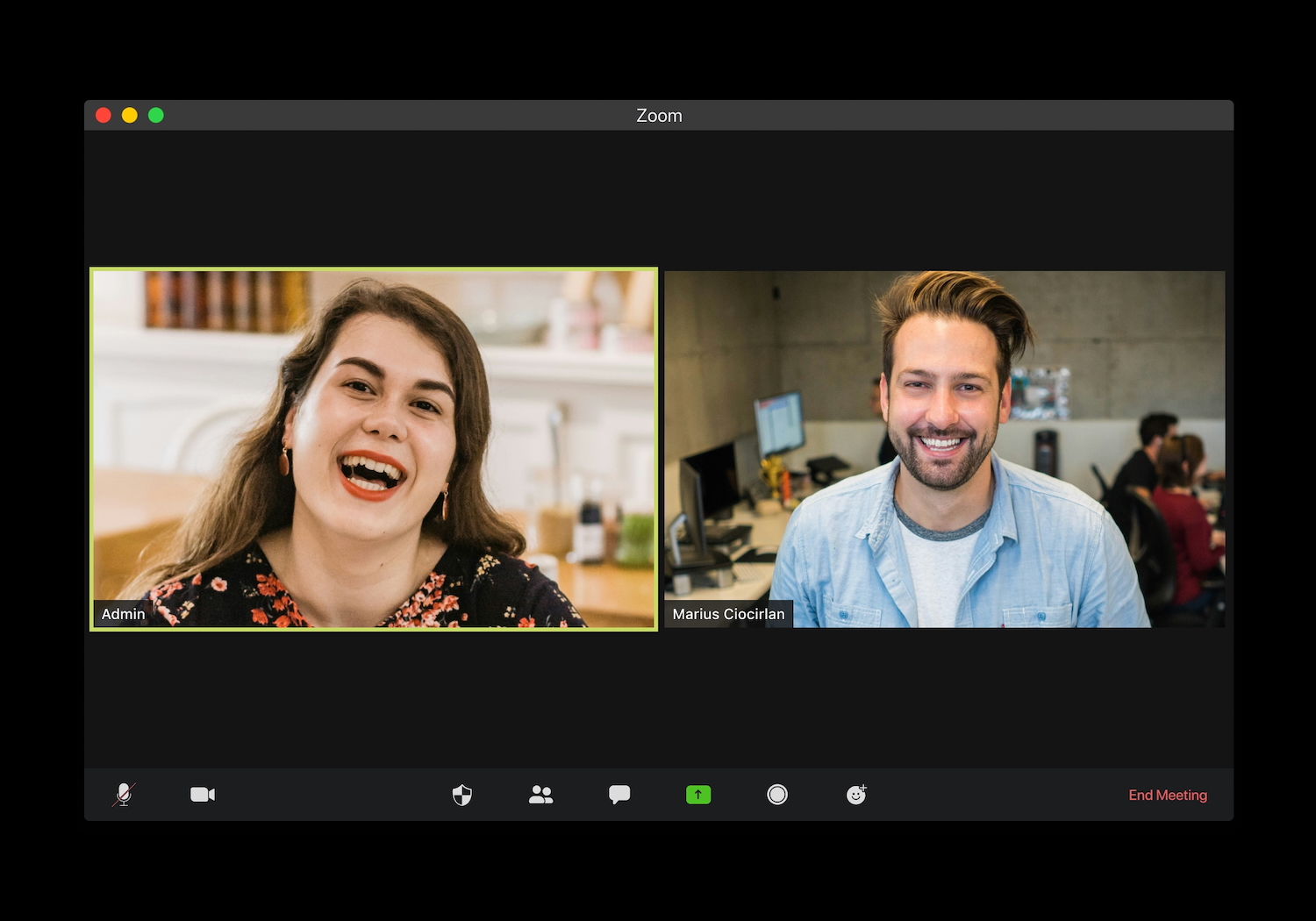
This high level of automation greatly reduces the risk of missed details and redundant communication, boosting collaboration efficiency across departments and locations. It transforms meetings from simple discussion sessions into powerful engines of productive teamwork.
- The Value of AI-Powered Meeting Solutions for Businesses
After implementing AI meeting systems, companies often see significant benefits across multiple dimensions:
- Shorter Meetings: Intelligent scheduling and automated content summarization keep meetings focused and efficient, saving valuable time.
- Improved Communication Quality: Enhanced audio and video, along with real-time language translation, boost collaboration among diverse teams.
- Higher Employee Satisfaction: By reducing repetitive tasks and increasing engagement, AI improves overall employee experience.
- Better Customer Experience: A more professional and stable remote meeting environment builds greater client trust and increases chances of successful partnerships.
- Smoother Cross-Regional Collaboration: Supporting seamless, barrier-free communication for global teams strengthens organizational alignment and teamwork.
- Deployment Challenges and Key Considerations
Despite the many advantages, deploying AI meeting systems comes with some initial challenges that businesses need to address:
First, technical integration can be complex. Legacy equipment may not be compatible with new AI systems, requiring hardware upgrades or IT infrastructure adjustments, such as upgrading cameras, microphones, and integrating with existing video conferencing platforms like Zoom or Teams, as well as calendar management tools.
Second, employee training is essential. Some team members may find it difficult to adapt to new technologies and will benefit from proper training and clear user guides.
Third, privacy and data security are critical. AI systems collect large amounts of voice and behavioral data, so companies must comply with regulations like GDPR and implement encryption and access controls to protect sensitive information.
Finally, initial investment costs can be significant. High-performance hardware and software subscriptions may strain budgets, leading some organizations to opt for cloud-based solutions to reduce upfront expenses.
Only by coordinating technology, people, and processes can businesses ensure a smooth AI meeting system rollout and sustained value delivery.

- Future Trends in AI Meetings
As generative AI and multimodal recognition technologies continue to advance, AI meeting solutions will become smarter and more human-centric. Future systems will feature deeper semantic understanding to assist with decision-making, employ emotion recognition to optimize meeting atmosphere in real-time, and automatically generate presentation slides and decision memos, saving significant preparation time.
Moreover, AI will enable deeper integration with CRM, project management, and other enterprise platforms, fostering cross-departmental and efficient collaboration. AI is poised not just to assist meetings but to become a team’s “second brain,” helping focus on core issues and driving high-quality decisions.
Conclusion
AI-powered audio-visual solutions are transforming the modern meeting room by enhancing sound quality, enabling intelligent video tracking, automating environmental controls, and providing real-time translation. As AI technology progresses, these systems will become even more personalized and efficient, facilitating smoother communication for global teams. By embracing these innovations, organizations can turn their meeting spaces into future-ready smart collaboration hubs.
