

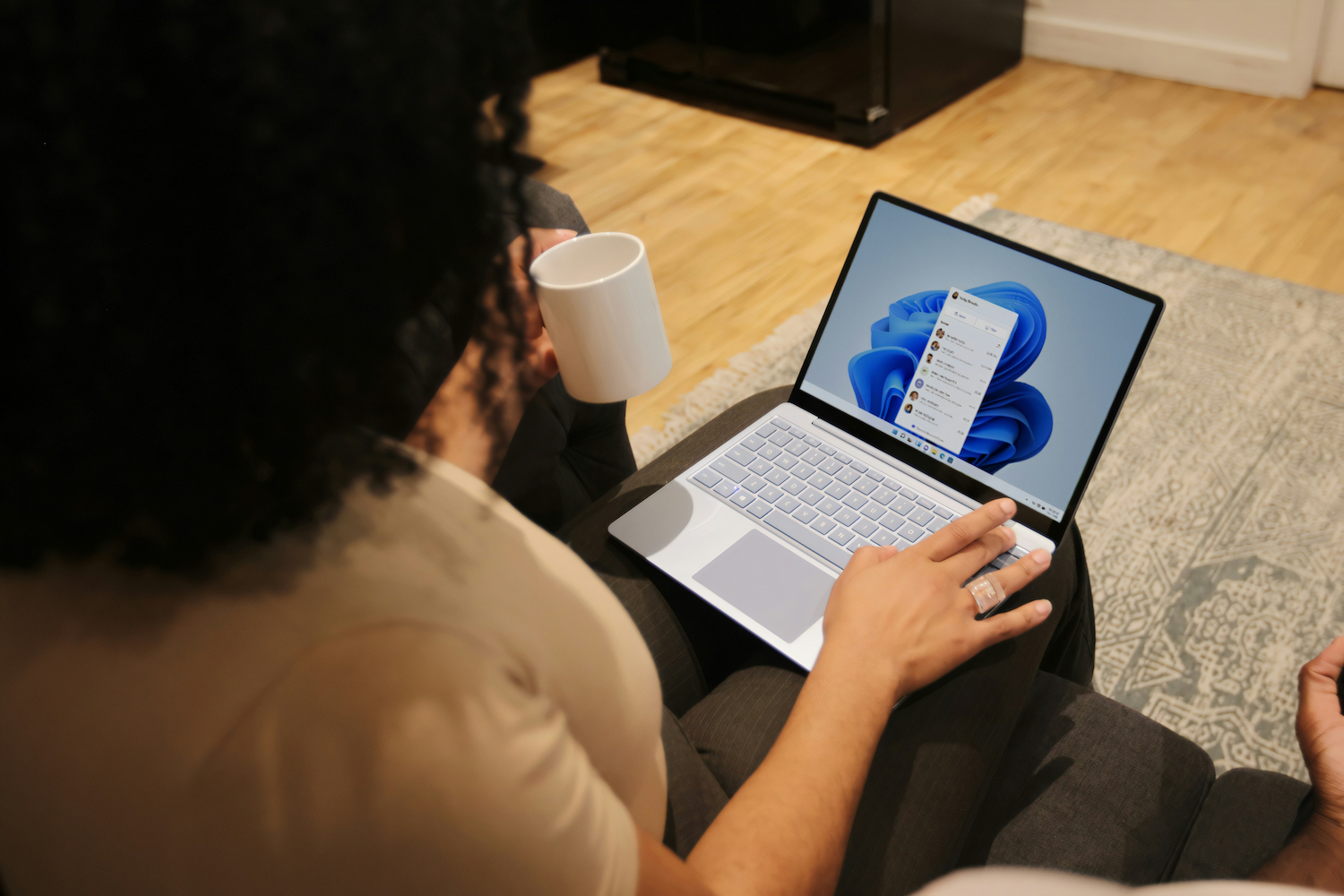


In today’s fast-paced business environment, equipping your team with the right technology is crucial for productivity and efficiency. When it comes to purchasing laptops for a team, many organizations face a common dilemma: should each employee choose their own device, or should the company standardize on a single model?
While offering freedom of choice might seem appealing and empowering, standardizing laptop models often proves to be the smarter decision. This article explores the key reasons why standard models outperform a free-for-all approach and how it benefits your business in the long run.
Choosing laptops for a team is more than just picking devices-it’s about creating a cohesive, manageable, and secure IT ecosystem. The decisions made at this stage impact not only the immediate user experience but also support costs, security posture, and operational efficiency. In fact, a study by IDC found that companies that implement hardware standardization experience a 30% reduction in IT support costs within the first year.
Streamlining IT Support and Maintenance
One of the most significant advantages of standardizing laptops is the simplification of IT support and maintenance. When every employee uses the same model, IT teams can create streamlined processes for troubleshooting, repairs, and updates. This consistency reduces downtime and helps technicians resolve issues more quickly.
For example, Computers Made Easy’s tech support model highlights how a uniform hardware setup allows support teams to efficiently manage devices, reducing the complexity of their workflows. This approach not only saves time but also cuts costs associated with managing multiple configurations and compatibility issues.
According to a report by Spiceworks, 80% of IT professionals stated that device standardization improves support efficiency and reduces helpdesk tickets.
When every laptop is identical, IT staff can maintain a single image for operating systems and software deployment, reducing the number of variables that cause technical issues. This homogeneity enables faster rollouts of updates and patches, lowering the risk of security vulnerabilities caused by inconsistent software versions.
Moreover, having a standard laptop model simplifies training for IT personnel. Support teams don’t need to master multiple device types or configurations, which increases their proficiency and reduces the learning curve for new hires.
Cost Savings Through Bulk Purchasing
Another compelling reason to standardize laptop models is cost savings. Buying the same laptop in bulk often allows companies to negotiate better prices and receive volume discounts from manufacturers or suppliers. This advantage can be substantial, especially for larger teams.
Moreover, having a uniform fleet simplifies warranty management and replacement parts inventory. Instead of stocking multiple types of components, IT departments only need to maintain a limited range of spare parts, which can lower inventory costs and accelerate repairs.
Research from TechRepublic shows that organizations with standardized hardware save up to 20% on procurement and maintenance costs annually.
Bulk purchasing also provides leverage when negotiating service agreements or extended warranties. Vendors are often more willing to offer favorable terms when dealing with a single, consistent order rather than a fragmented set of devices. This can translate into longer warranty periods, faster replacement services, or bundled support plans.
Furthermore, standardization reduces the hidden costs associated with device diversity, such as increased training and administrative overhead. When employees use different laptops with varying capabilities, IT must spend extra time configuring and supporting each model, which adds to labor costs.
Enhancing Security and Compliance
Security is a top priority for businesses today. Managing a diverse range of laptops with different operating systems, software versions, and hardware configurations makes it challenging to maintain consistent security protocols. Standard models simplify the implementation of security policies, making it easier to deploy patches, updates, and antivirus solutions uniformly.
With standardized devices, companies can enforce encryption, endpoint protection, and network access controls more effectively. This consistency also aids in meeting compliance requirements, which often mandate strict control over device configurations and software versions.
Cranston IT’s technical expertise emphasizes the importance of technical expertise in ensuring that security measures are properly integrated into standardized hardware, reducing vulnerabilities and protecting sensitive data.
A survey by Ponemon Institute found that 62% of data breaches are linked to endpoints such as laptops and mobile devices, underscoring the importance of consistent security management.
Standardization allows IT teams to rapidly deploy security patches across all devices, minimizing the window of exposure to threats. Additionally, uniform hardware configurations mean security tools can be optimized for a single platform, improving their effectiveness.
Compliance with regulations such as GDPR, HIPAA, or PCI-DSS often requires detailed control and documentation of endpoint security. Standardized laptops make it easier to audit systems and demonstrate adherence to these standards.
Improving Collaboration and User Experience
When everyone uses the same laptop model, collaboration becomes smoother. Team members share a common user experience, making it easier to assist one another with technical issues or software usage. Training sessions are also more effective because the instructor can focus on a single platform rather than multiple variations.
Standardization can enhance productivity by minimizing compatibility problems. For example, certain specialized software may run optimally on specific hardware, and having a uniform setup ensures all employees can use these tools without interruption.
A unified environment also fosters better communication within teams. When sharing files, troubleshooting issues, or collaborating on projects, employees can rely on consistent performance and capabilities. This reduces frustration and supports seamless teamwork.
Moreover, standardized laptops facilitate easier integration with company-wide collaboration tools and cloud services. IT departments can ensure that all devices meet minimum requirements for software like video conferencing, project management, or virtual desktops, leading to a more reliable user experience.
Simplifying Asset Management and Lifecycle Planning
Managing company assets is far easier when laptops are standardized. IT departments can track inventory, assign devices, and schedule upgrades more efficiently. Predictable replacement cycles allow better budget planning and reduce the risk of unexpected expenses.
Additionally, uniform hardware facilitates easier deployment of new software or operating system upgrades, as testing can be done on a single model rather than multiple devices.
Standardization also supports sustainability initiatives by simplifying recycling and disposal processes. When devices are consistent, companies can partner with vendors to implement take-back or refurbishment programs more effectively.
According to Gartner, companies that standardize their hardware experience 25% less downtime related to hardware failures, which translates to higher overall productivity.
Addressing Employee Preferences
A common argument for letting employees pick their own laptops is that it boosts satisfaction by catering to personal preferences. While this may hold some truth, it often comes at the expense of the benefits outlined above.
Companies can balance employee needs by choosing a few standardized models that cover different use cases-such as lightweight laptops for mobile workers and powerful machines for design teams. Offering limited choices within a standardized framework can satisfy individual preferences without sacrificing the advantages of uniformity.
Another approach is to provide standardized laptops with configurable options like RAM or storage upgrades. This allows some degree of customization while maintaining a controlled environment.
It’s important to communicate the rationale behind standardization to employees, highlighting how it benefits their productivity and security. Involving team leads or representatives in the selection process can also increase buy-in and satisfaction.
Conclusion
Purchasing laptops for a team is a strategic decision that impacts operational efficiency, security, and cost management. While allowing every employee to pick their own device might seem like a way to increase satisfaction, the benefits of standardizing on specific laptop models are clear. From streamlined IT support and significant cost savings to enhanced security and simplified asset management, standard models help businesses stay agile and focused.
By adopting a thoughtful, standardized approach to technology procurement, organizations can ensure their teams are equipped with reliable, secure, and cost-effective tools that enhance productivity and collaboration.
Making the right choice now will pay dividends in the future-both for your IT department and your entire workforce. Standardizing laptops is not just an IT decision; it’s a business strategy that supports growth, innovation, and resilience.
