

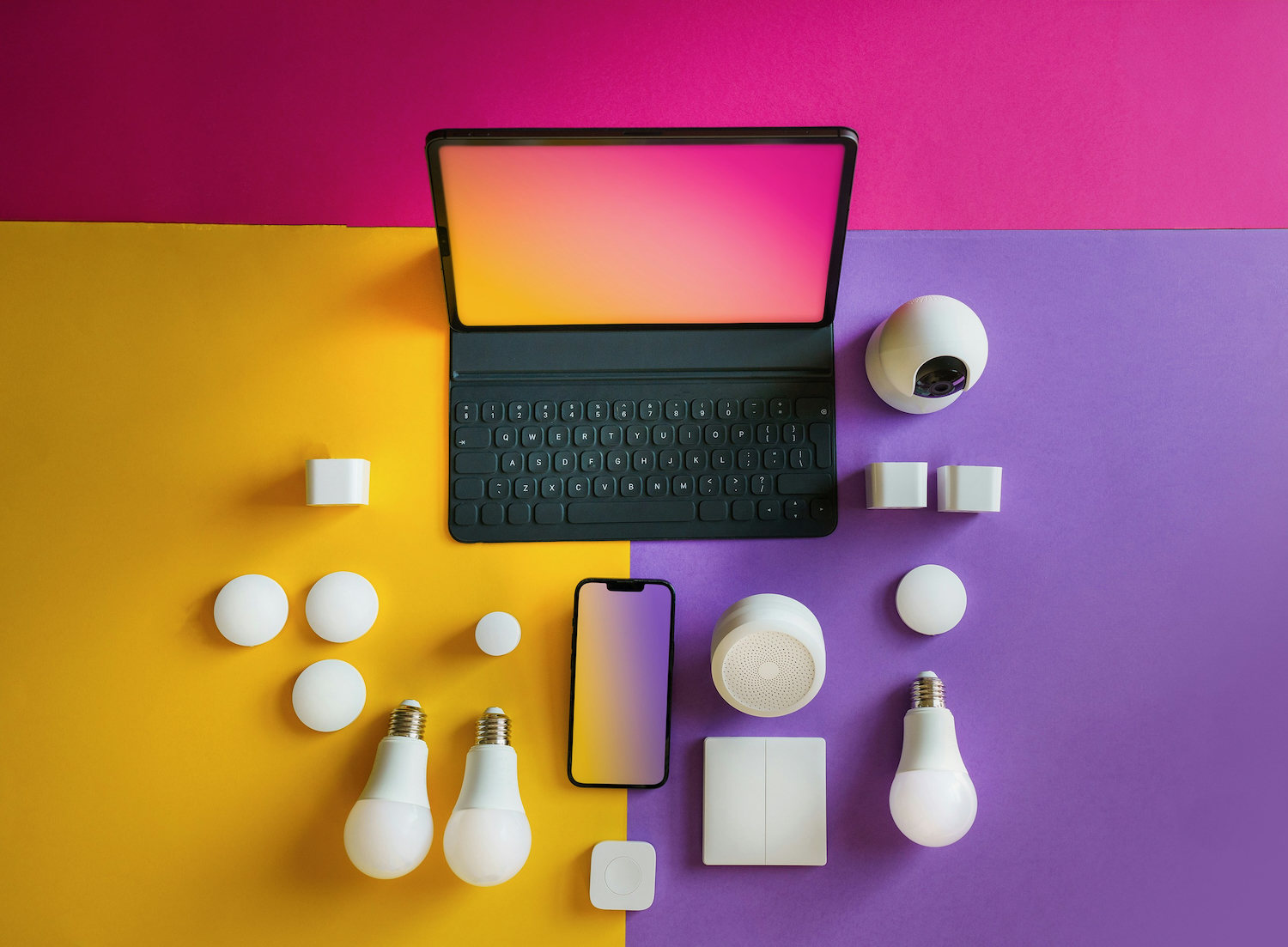


The Rise of Smart Home Gadgets in Workspaces
Smart home technology has revolutionized personal living spaces with devices that enhance convenience, security, and energy management. As businesses seek to modernize their offices and improve operational efficiency, many are eyeing these gadgets for potential workplace integration. The appeal is clear: smart devices promise automation, data-driven insights, and streamlined control over various office functions. However, not all smart home devices translate seamlessly into business environments. Understanding which gadgets deliver tangible benefits in the office and which fall short is critical for making informed decisions that enhance productivity without unnecessary expenditure.
The global smart office market is projected to reach $46.6 billion by 2027, growing at a compound annual growth rate (CAGR) of 17.4%. This rapid growth underscores the increasing interest in integrating smart technologies into workplaces, but it also highlights the need to distinguish between devices that add real business value and those that do not.
What Makes a Smart Device Suitable for Business Use?
Smart home gadgets designed for residential use often prioritize simplicity and user-friendliness, but business settings demand functionality that aligns with organizational goals such as security, scalability, and integration with existing IT infrastructure. Devices that offer centralized control, robust security features, and compatibility with enterprise systems tend to be more successful in office environments.
For instance, smart lighting systems that adjust to occupancy and natural light levels can reduce energy costs and improve employee comfort. According to the U.S. Department of Energy, commercial buildings could save up to 30% on lighting energy use by adopting smart lighting controls. Such savings can justify the investment and contribute to sustainability initiatives.
Beyond energy savings, smart devices suitable for businesses should support interoperability standards like Zigbee, Z-Wave, or Matter, facilitating integration with other office systems. They should also provide secure remote management capabilities, allowing IT teams to monitor and configure devices without compromising network security.
Smart Security Systems: A Clear Win for Businesses
Security is a paramount concern for any business, and smart security gadgets designed for home use-such as smart locks, surveillance cameras, and motion sensors-can be adapted for office security. These devices provide real-time monitoring and remote access capabilities that enhance safety and allow facilities managers to respond swiftly to incidents.
However, adapting these devices for business use is not as simple as plugging them in. Integrating smart security systems with existing business networks requires expert IT support to ensure data privacy and system reliability. Companies like E|CONSORTIUM’s support systems specialize in providing comprehensive IT management and support services that help businesses deploy and maintain smart security solutions effectively.
For example, smart locks can replace traditional keys with digital credentials, reducing the risk of unauthorized access and simplifying access management for employees and contractors. Meanwhile, AI-powered surveillance cameras can detect unusual activity and send instant alerts, enabling quicker responses to potential threats.
A recent study found that businesses implementing smart security solutions reduced security-related incidents by up to 40% within the first year. This statistic illustrates the tangible benefits of smart security technologies when properly integrated into office environments.
Environmental Controls and Energy Management
Smart thermostats and environmental sensors originally engineered for homes can offer significant benefits in office settings by optimizing heating, ventilation, and air conditioning (HVAC) systems. These devices collect data on occupancy patterns and ambient conditions, enabling automated adjustments that reduce energy consumption without compromising comfort.
In fact, smart HVAC systems can cut energy usage by up to 20% in commercial buildings. Such efficiency gains not only lower costs but also support corporate sustainability goals.
Many smart thermostats are now equipped with machine learning capabilities that adapt to occupant behavior over time, further enhancing energy savings. This intelligent adaptation can lead to more precise temperature control, reducing energy waste during off-hours or in unoccupied spaces.
Businesses considering these technologies should seek partners with strong expertise in integrating smart devices with enterprise systems. Gamma Tech’s technical expertise offers tailored IT solutions that ensure smart environmental controls operate smoothly within complex office infrastructures.
Smart environmental controls also contribute to employee well-being by maintaining optimal indoor air quality and temperature. Studies have shown that comfortable office environments can boost productivity by as much as 10%, making investment in these devices beneficial beyond energy savings alone.
Communication and Collaboration Tools: Not Just for Homes
Many smart home gadgets, such as voice assistants and smart speakers, have found a place in modern offices by facilitating hands-free communication and quick access to information. For example, voice-activated devices can assist in setting reminders, scheduling meetings, or controlling other smart devices during presentations.
However, privacy concerns arise in business contexts, particularly where sensitive information is discussed. Organizations must carefully evaluate the security implications and ensure compliance with data protection regulations before deploying these tools.
In some cases, companies have opted to deploy enterprise-grade voice assistants designed with enhanced security features. These devices offer encrypted communication and user authentication, reducing the risk of data leaks. Additionally, integration with corporate calendars and messaging platforms can streamline workflows, saving employees valuable time.
Despite their potential, voice assistants and smart speakers should be implemented with clear usage policies and employee training to maximize benefits while minimizing risks.
Gadgets That Don’t Translate Well to Business Use
Despite their popularity in homes, certain smart gadgets do not offer substantial value or practicality in office environments. Devices like smart coffee makers, personal fitness trackers, or entertainment-focused smart speakers have limited relevance to workplace productivity or operational efficiency.
Similarly, aesthetic devices such as smart mood lighting or novelty gadgets may not justify their cost in a professional setting unless they align with a company’s brand image or employee wellness programs. While these devices can contribute to workplace culture and satisfaction, their direct impact on business outcomes is often minimal.
Moreover, some smart home gadgets lack the scalability needed for larger office environments. Devices designed for single-room control may struggle to perform reliably when deployed across multiple floors or buildings. This limitation can lead to inconsistent user experiences and management challenges.
Businesses should prioritize smart gadgets that offer measurable returns on investment, focusing on solutions that enhance security, reduce costs, or improve employee productivity.
Overcoming Integration Challenges
One of the biggest hurdles in adopting smart home gadgets for business use lies in integration. Unlike consumer-grade products designed for plug-and-play simplicity, business environments require devices that can interface securely with existing IT infrastructure and scale according to organizational needs.
Professional IT support is vital to navigate these complexities. Companies specializing in IT services for businesses can assess compatibility, manage deployment, and maintain ongoing operations. Engaging with experts ensures that smart office gadgets deliver on their promise without compromising security or performance.
Integration challenges also extend to data management. Smart devices generate vast amounts of data that must be securely stored and analyzed to extract actionable insights. Businesses must establish clear protocols for data governance, privacy, and compliance with regulations such as GDPR or CCPA.
Additionally, training employees to use new smart technologies effectively is critical. Without proper onboarding and support, even the most advanced gadgets may go underutilized or cause frustration.
The Future of Smart Technology in Offices
As the smart technology market evolves, we can expect more devices specifically tailored for business applications. Innovations in artificial intelligence, machine learning, and the Internet of Things (IoT) will drive smarter, more intuitive office environments that enhance productivity and employee satisfaction.
For example, smart desks that adjust height automatically based on user preferences, or intelligent meeting rooms that optimize lighting and temperature based on occupancy and scheduled events, are becoming increasingly common. These innovations aim to create personalized workspaces that adapt dynamically to individual and organizational needs.
Organizations that strategically evaluate and adopt the right smart gadgets today will be better positioned to reap these benefits tomorrow. Prioritizing solutions that offer measurable returns and align with business objectives is key to successful integration.
According to a recent survey, 72% of businesses that implemented smart office technologies reported improved employee satisfaction, while 65% noted increased operational efficiency. These numbers highlight the tangible advantages smart technologies can bring when thoughtfully applied.
Conclusion
Smart home gadgets hold significant potential for enhancing office environments, but their effectiveness depends on choosing the right devices and ensuring proper integration. Security systems, environmental controls, and communication tools often translate well to business use, delivering cost savings and operational improvements.
Conversely, many consumer-targeted gadgets lack the functionality or scalability required for professional settings. Collaborating with experienced IT service providers like and can help businesses navigate these complexities, ensuring smart technology investments drive real value.
With careful selection and expert support, smart office gadgets can transform workspaces into efficient, responsive, and secure environments that meet the demands of modern business. Embracing these technologies thoughtfully will be a defining factor in the future competitiveness and sustainability of offices worldwide.
