



- Design
The iPhone 18 Pro and iPhone 18 Pro Max are bigger upgrades than they appear. Apple has improved the tentpole features – performance, battery, Apple Intelligence and the camera to make it a pro-level device that's tailor-made for a high-end user and content creator.
It might not look like it from the outside but the new iPhone 18 Pro and iPhone 18 Pro Max has had some solid upgrades including an upgraded camera, better battery life, Apple Intelligence and improved performance.
And what puts more focus on these new devices is the fact that there was no entry-level iPhone 18 announced.
These are always popular with customers because they are more affordable yet still packed full of features and an excellent camera.
So if the iPhone 18 Pro is more than what you need or can afford then you’ll have to wait till early next year to buy your next iPhone.
The cheapest iPhone 18 Pro is $2,099 for the 256GB variant. The cheapest iPhone 18 Pro Max is $2,299 (256GB).
DESIGN
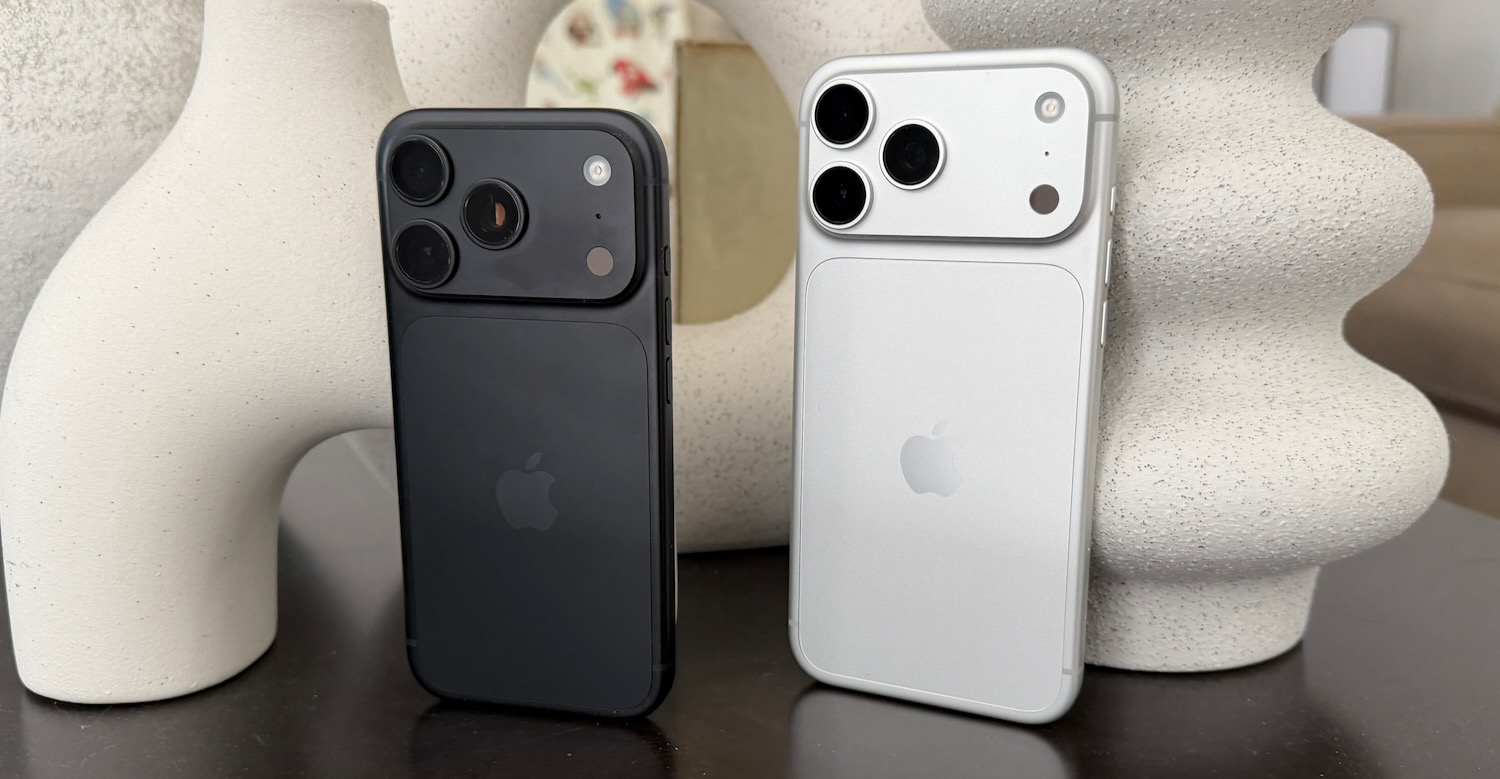
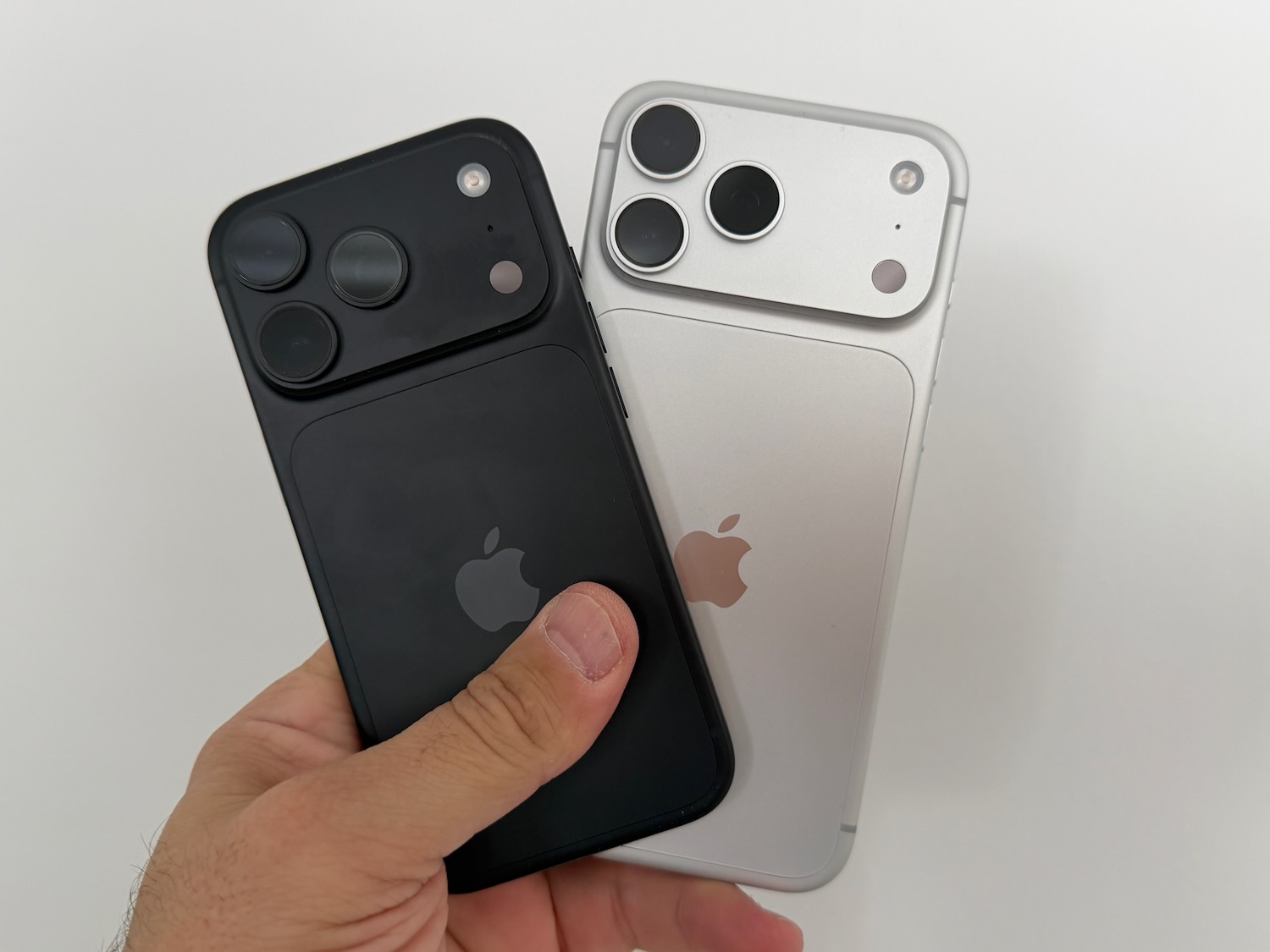
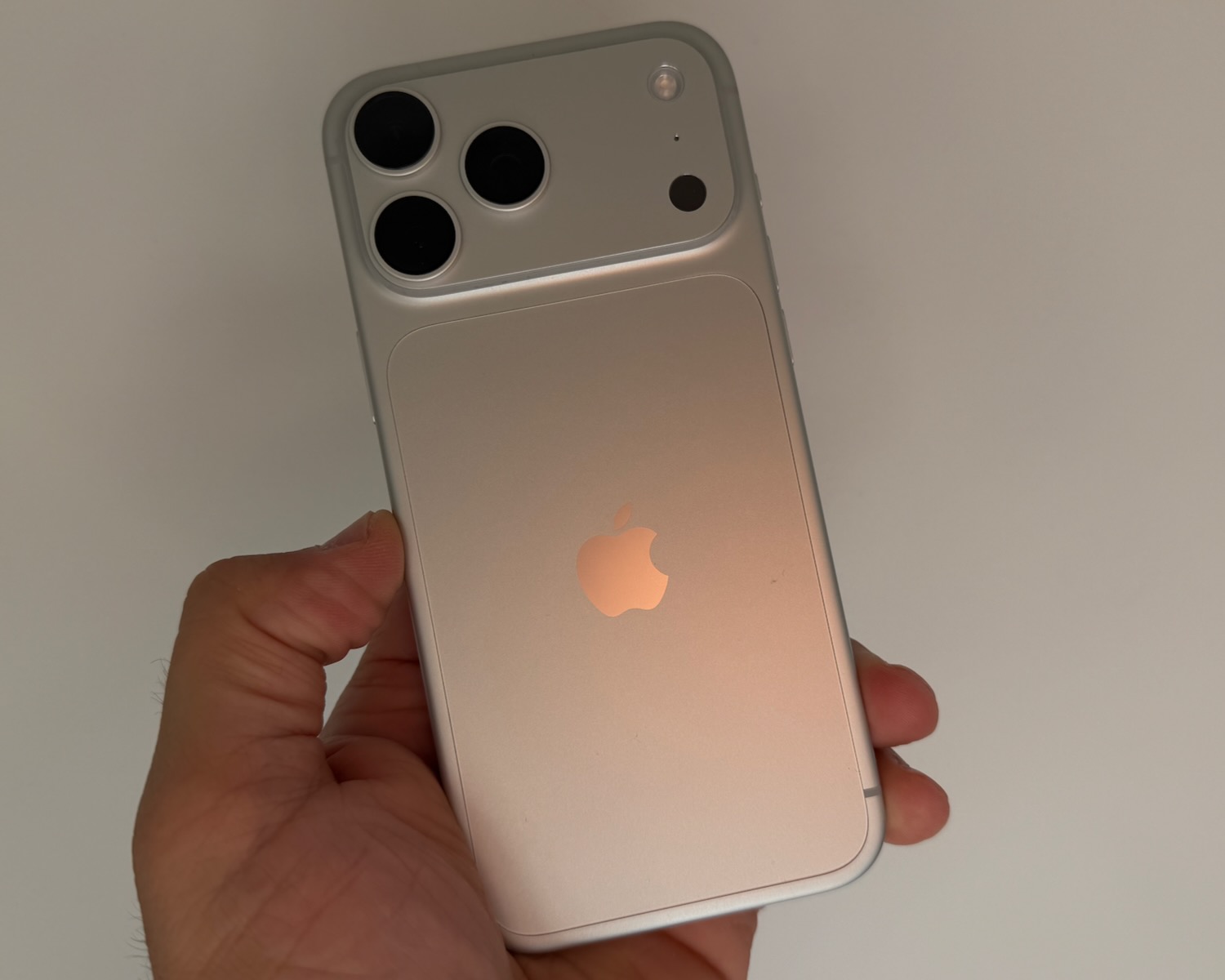
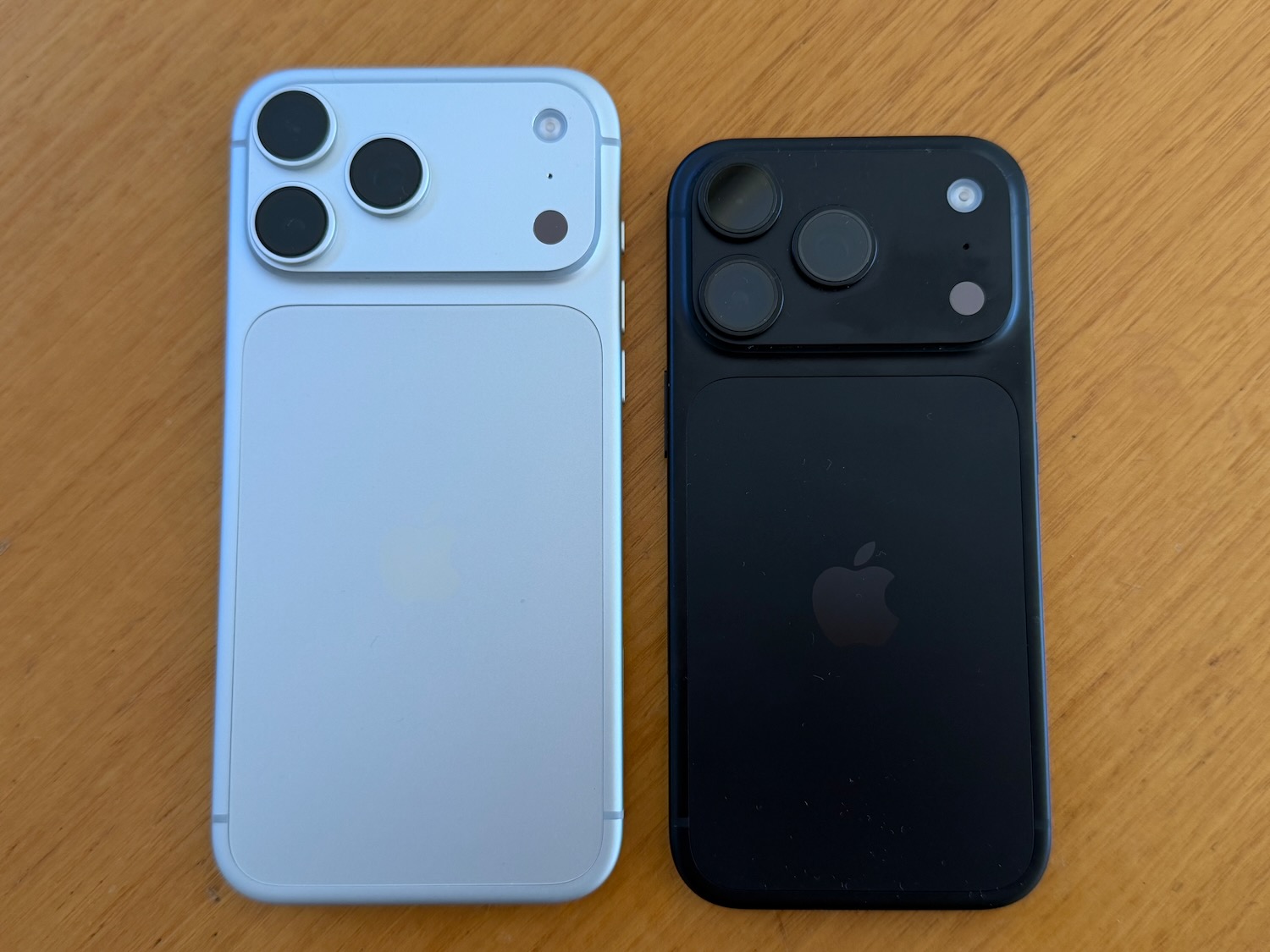
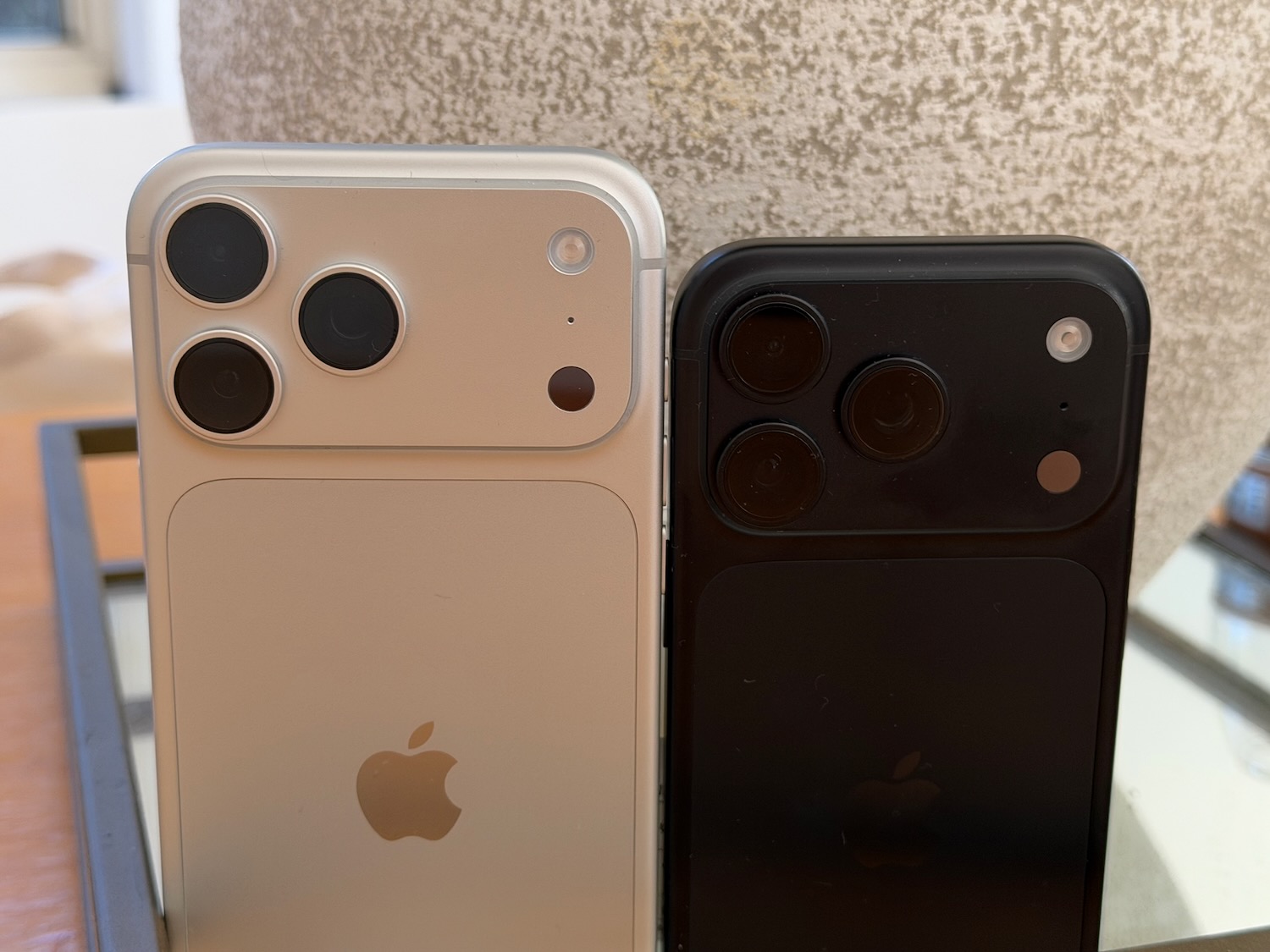
Design-wise, the iPhone 18 Pro and iPhone 18 Pro Max is identical to the iPhone 17 Pro and iPhone 17 Pro Max.
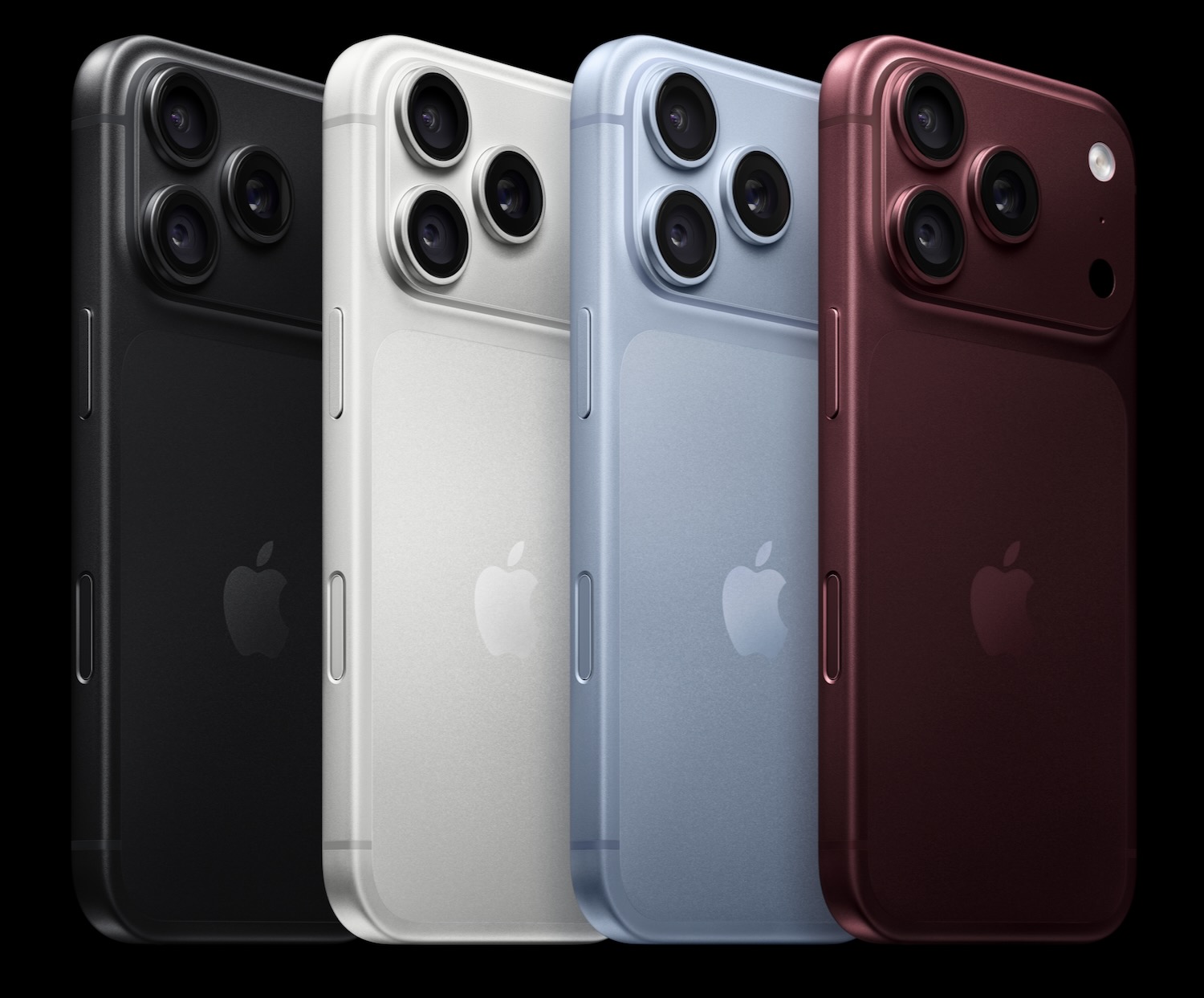
Apart from improved colour-matched aluminium and a range of new colours, including white, black, glacier and the new hero colour, burgundy – they are physically identical.
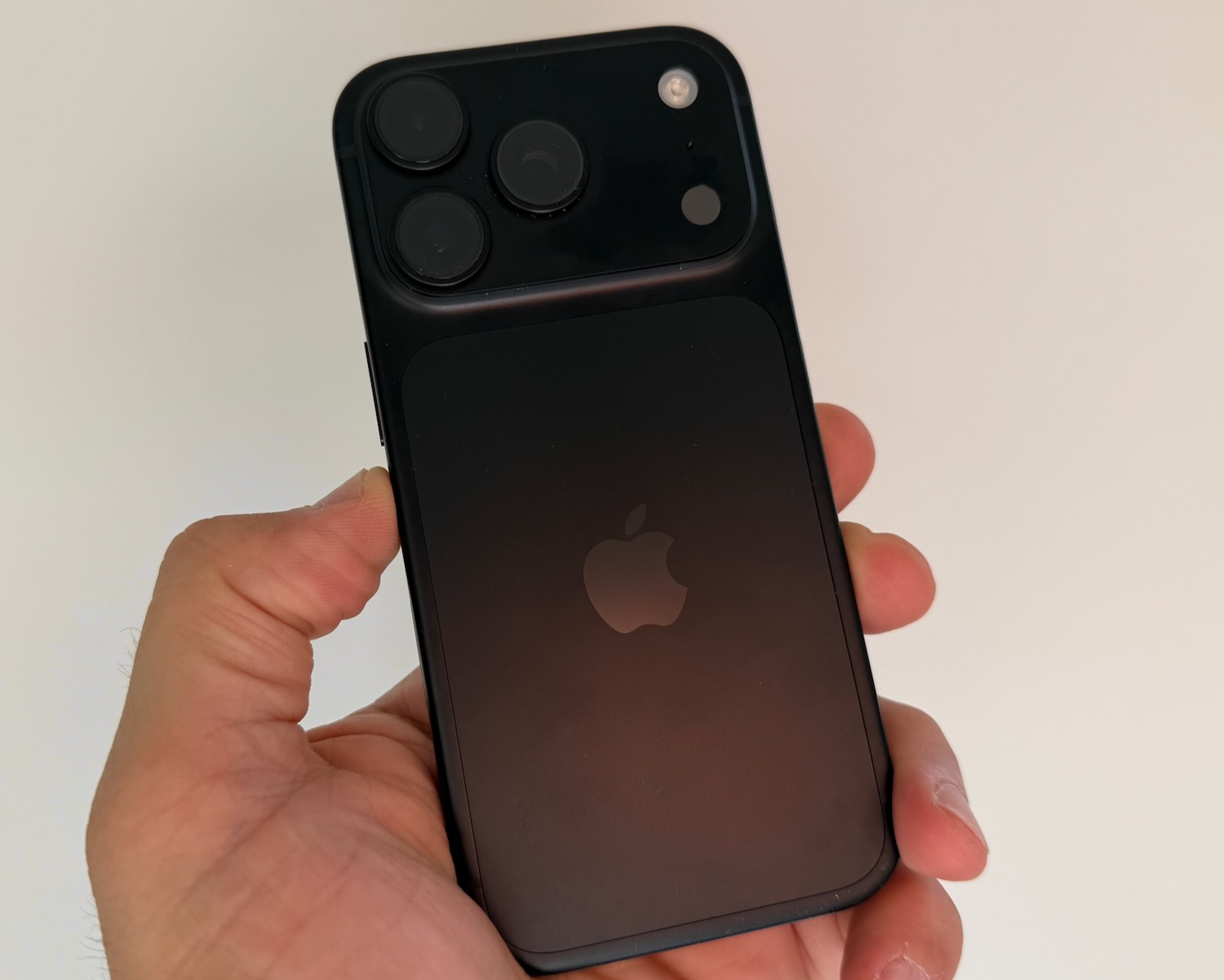
In fact cases for the iPhone 17 Pro and iPhone 17 Pro Max will fit perfectly on the iPhone 18 Pro and iPhone 18 Pro Max.
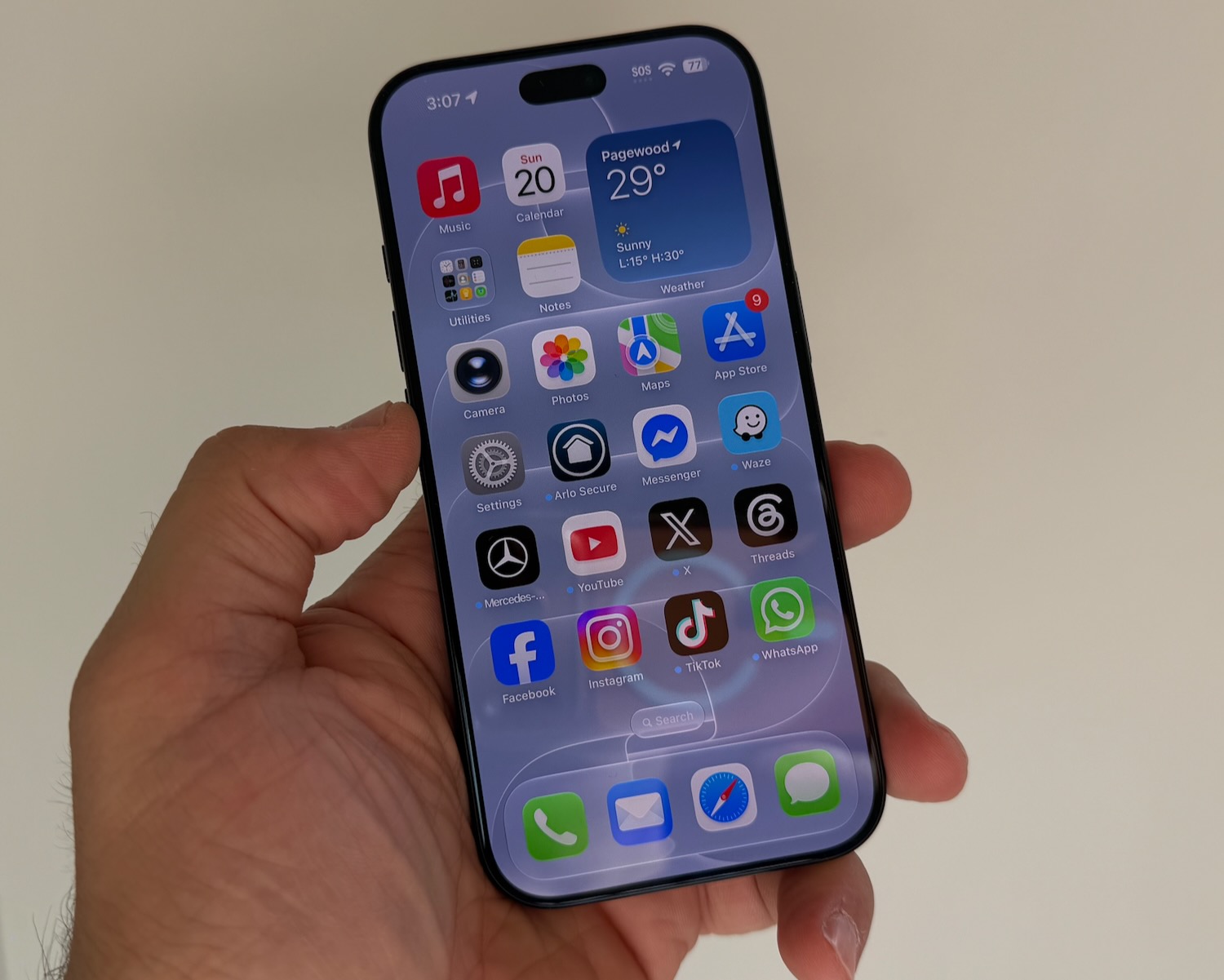
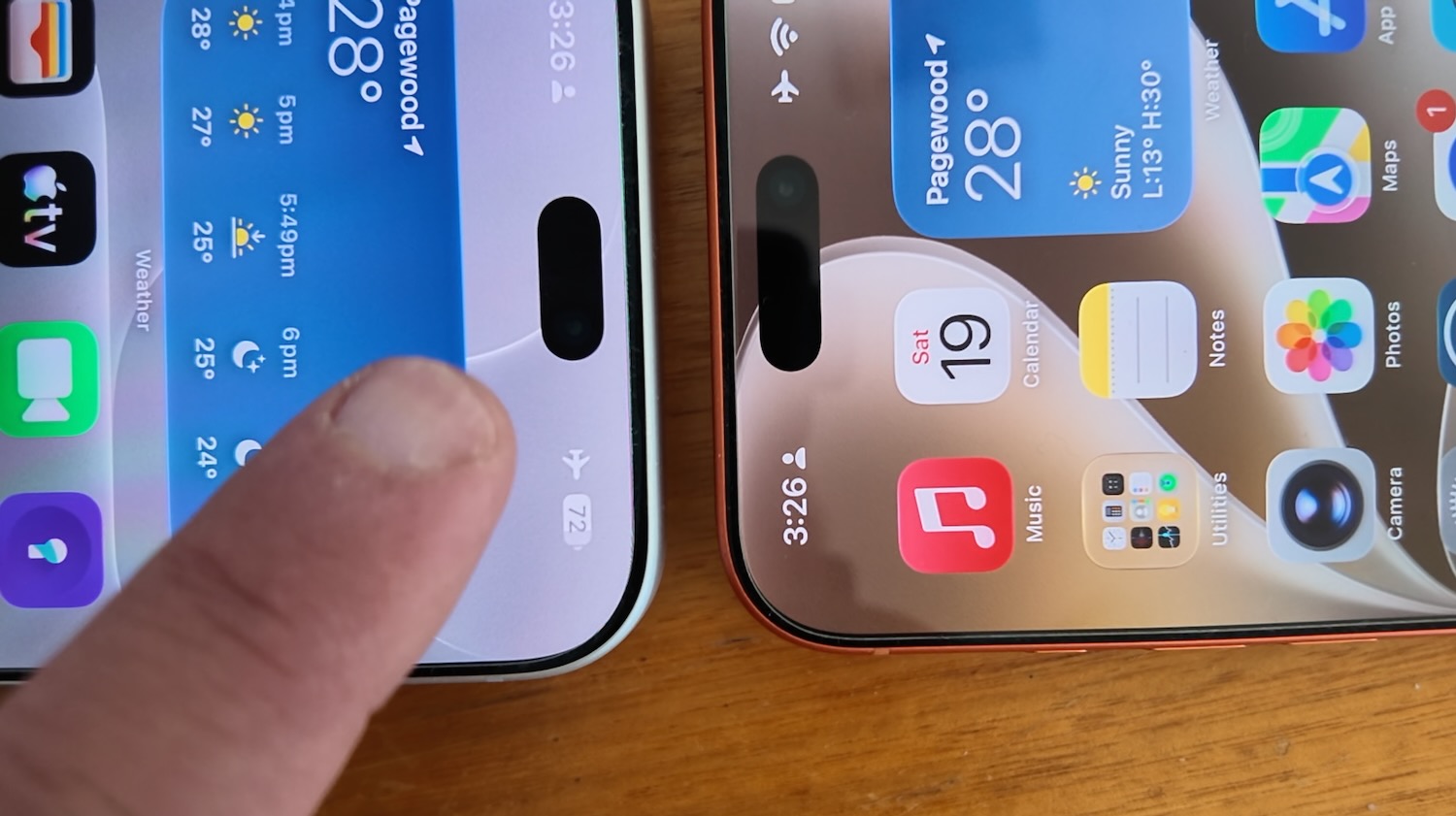
The only change you can see is the smaller dynamic island – it’s about 25 per cent smaller – at the top of the Super Retina XDR display. But it can still display the same amount of information as before.
It’s smaller because of the Face ID Sensor has been moved under the display near the time.
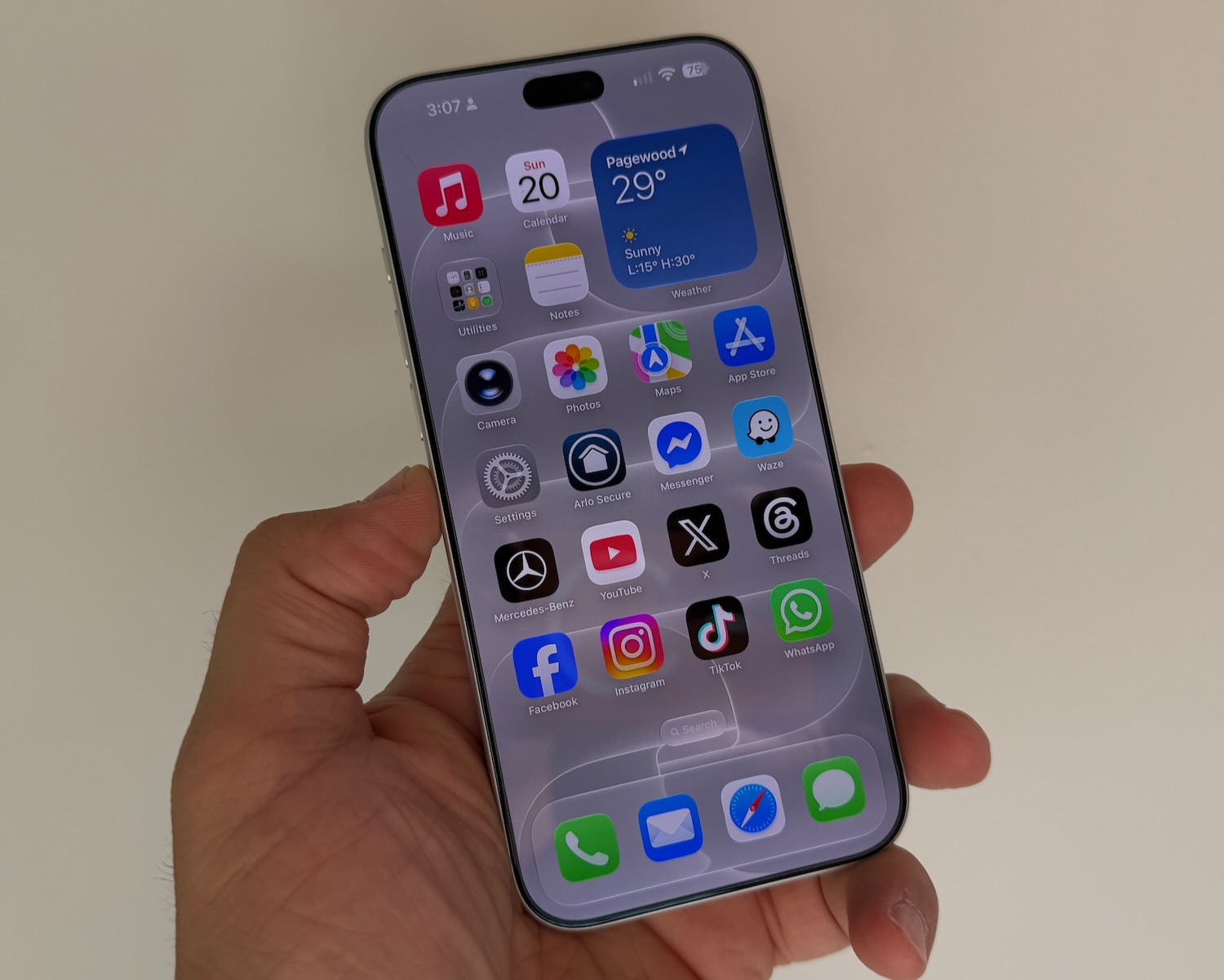
There is a different pixel pattern here so the infrared sensor can still shine through and hit your face and register your identity to unlock the iPhone.
PERFORMANCE
The new iPhone 18 Pro series is powered by the A20 Pro chip that’s built on the latest 2nm technology with a new CPU, a GPU with even more cores, and a dual 16-core Neural Engine.
Apple took its inspiration for this new chip from the M series to offer improved heat dissipation that unlocks noticeable performance gains.
Speaking of heat dissipation, there is a new vapour chamber that has three times more surface area.
And with the new packaging of the A20 Pro chip, which places the memory layout and the silicon side by side, it is attached directly to the larger vapour chamber.
The result is your iPhone doesn’t feel warm very often.
During our review we found the iPhone 18 Pro Max hardly raised the temperature even while charging and using intensive and multiple apps.
Apple says it will provide 40 per cent better sustained performance and prevent thermal throttling during intense workloads.
iOS 27
The new iPhone 18 Pro series comes preloaded with iOS 27 which brings Apple Intelligence and Siri AI directly into the foreground.
One thing we noticed when setting up the 18 Pro and 18 Pro Max was that our device was being indexed by Siri so that it could know everything about us (from our messages to our emails and photos), so it can present information when needed even if we don’t ask for it.
For example you may be calling about a hotel confirmation and on the screen you’ll see all the emails that you exchanged with that hotel. Information like confirmation numbers and dates is literally at your fingertips.
Some other Apple Intelligence features include editing images, communicating through messages and mail and browsing in Safari.
One example of a Safari feature is being updated about the price of an item that you may have seen. You can receive a notification the second the price drops on that item.
And the great thing is that you don’t need to upgrade to the iPhone 18 Pro and iPhone 18 Pro Max to get these features.
If you have an iPhone 15 Pro or later you can upgrade your device to iOS 27 and enjoy these Apple Intelligence and Siri AI upgrades.
CAMERA
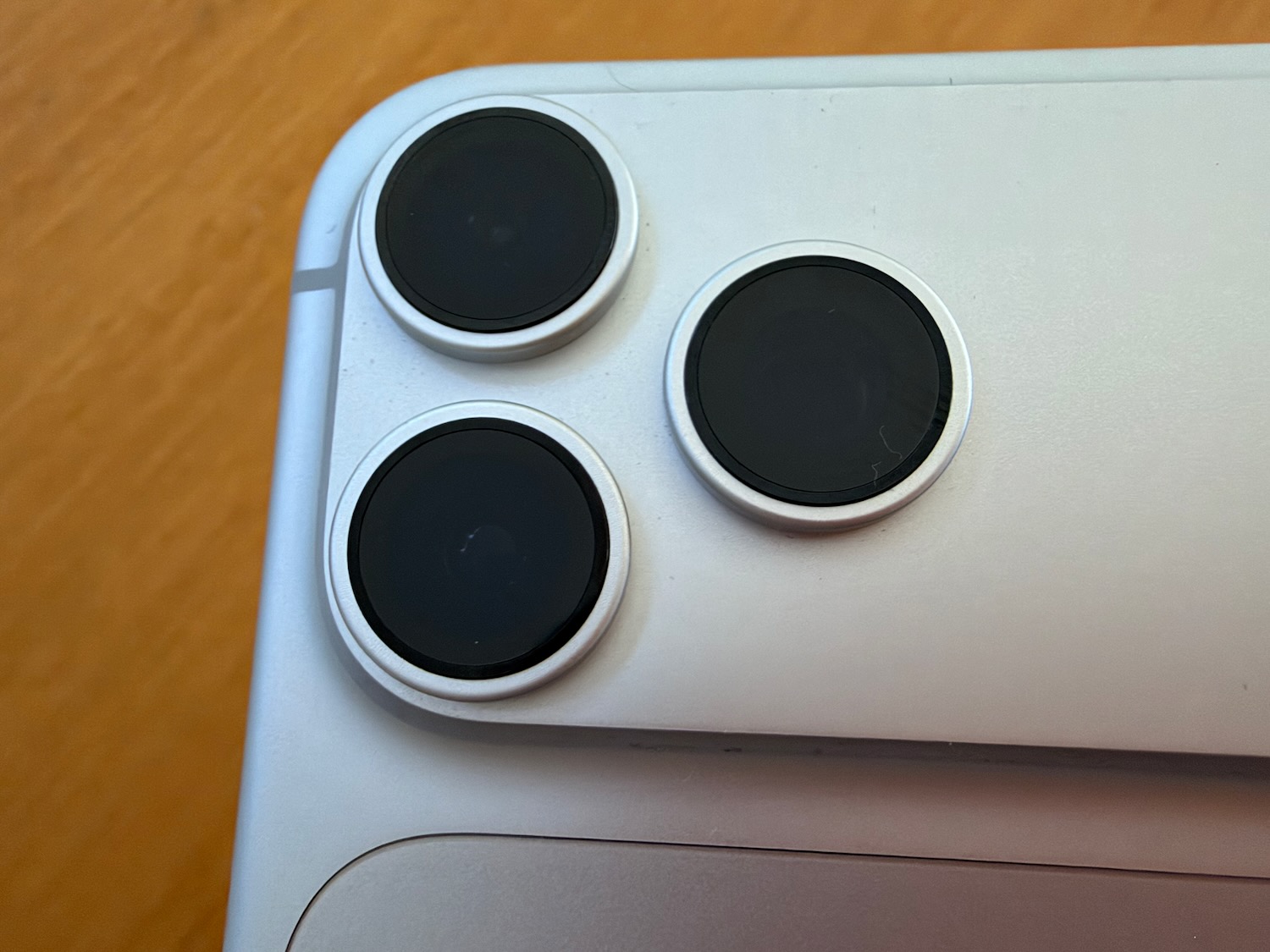
The biggest improvement has come to the Pro camera aboard the iPhone 18 Pro and iPhone 18 Pro Max, which has a new 48MP Fusion main camera with variable aperture to improve low-light performance and achieve greater depth of field.
The variable aperture can be seen on the 48MP Fusion main camera, which is the lowest camera in the arrangement.
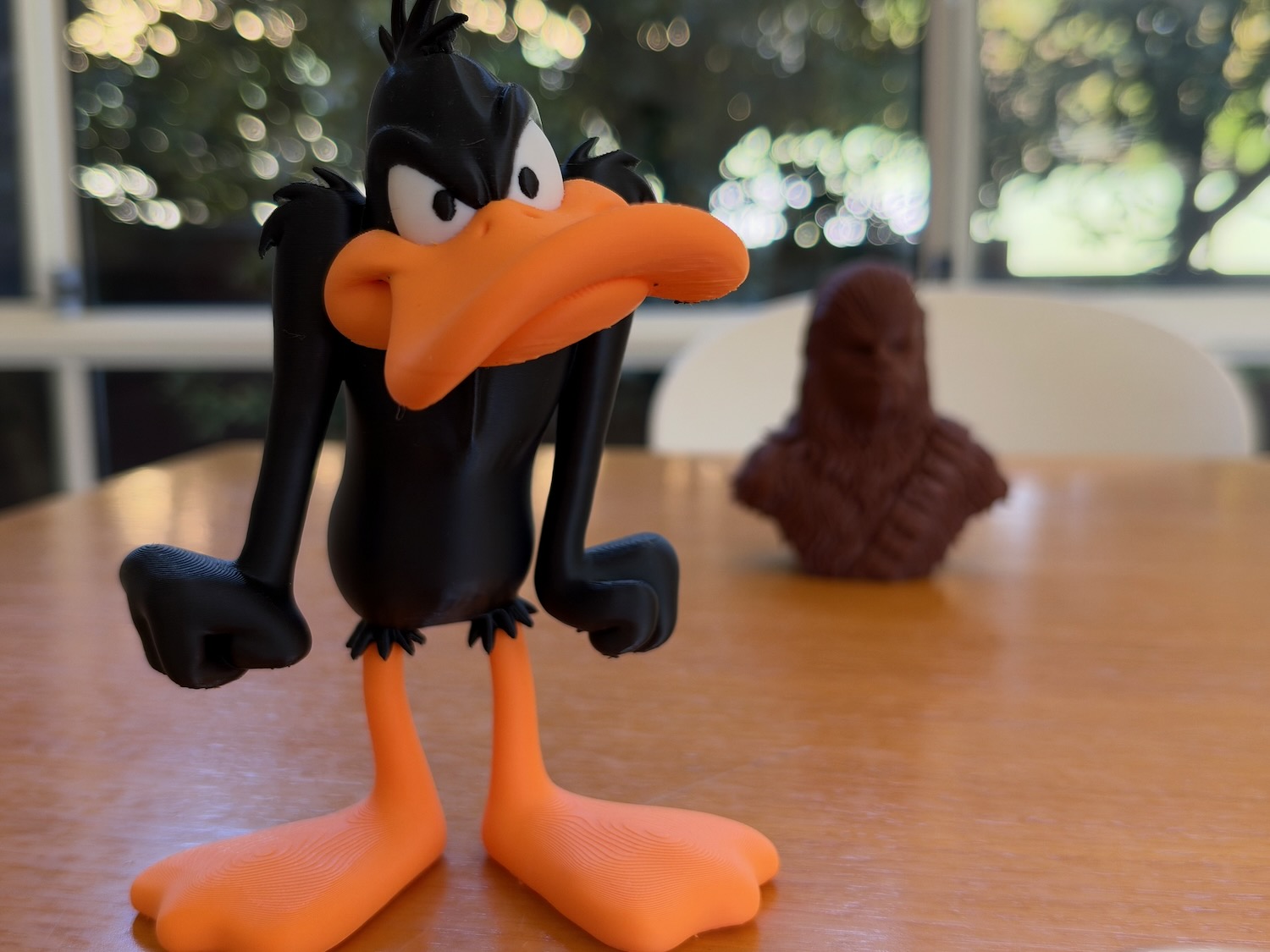
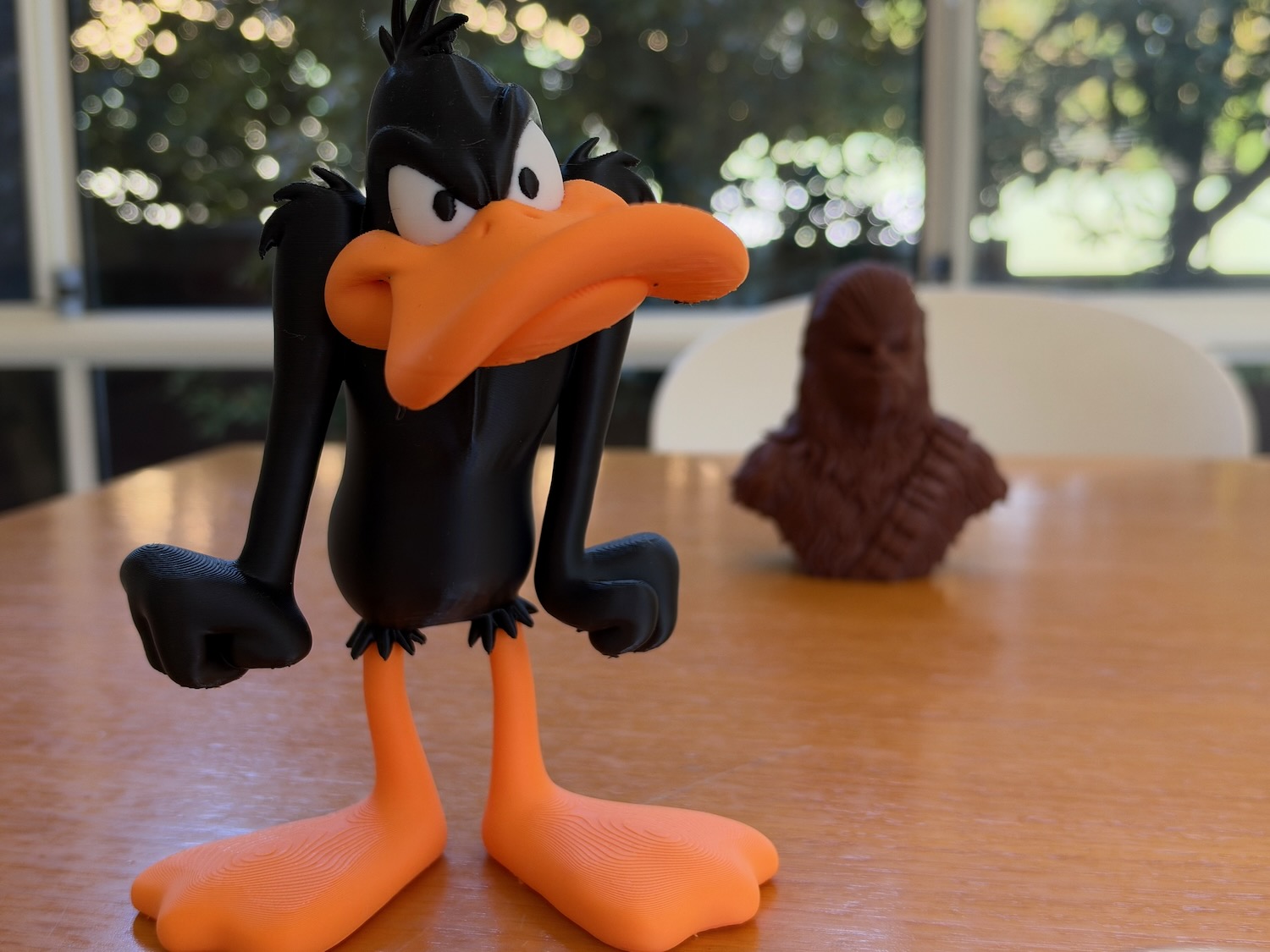
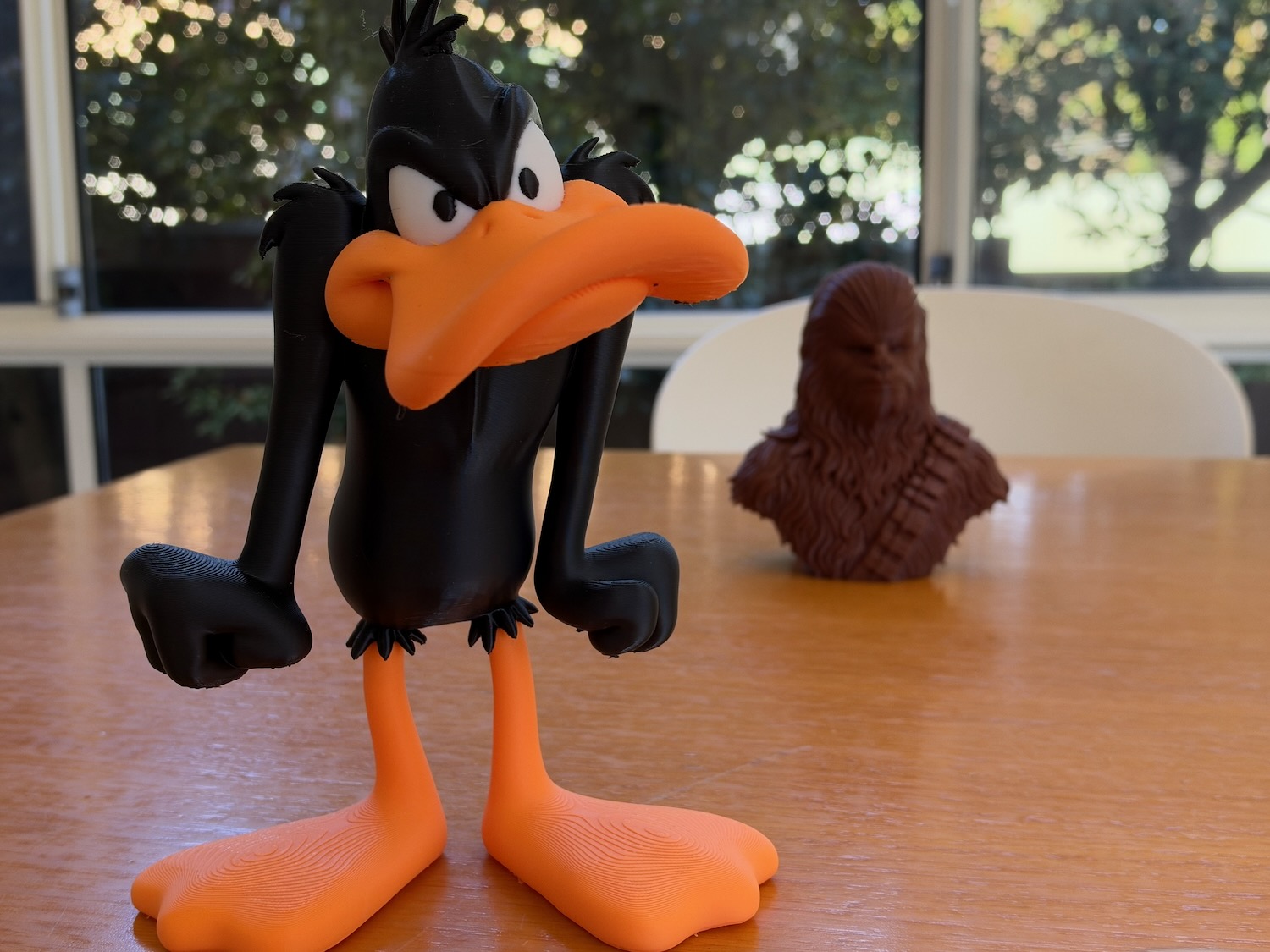
It has six laser-cut blades that are controlled by a new mechanism to transition between four aperture settings: f/1.48, f/1.8, f/2.8, and f/4.0.
If you look closely enough you can see the aperture changing as you move through these stops.
This benefits in two ways – a better result low-light situations and creating a greater depth of field.
At the lowest setting, f/1.8, this opens the aperture and lets in 50 per cent more light.
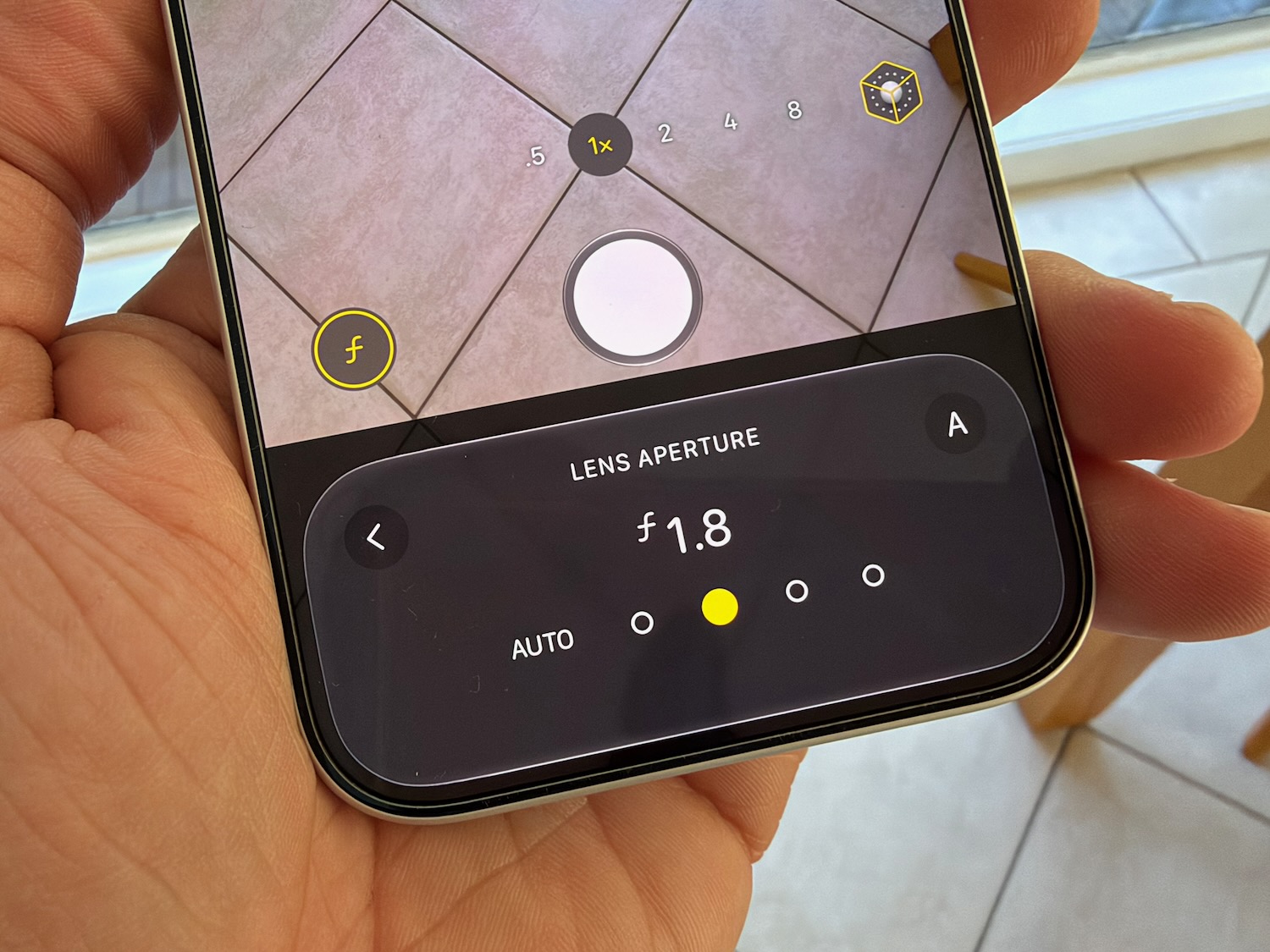
On auto mode the camera will intelligently select the best aperture for what you are shooting but you can access it and assume manual control to suit the shot you’re trying to capture.
But it also helps create more depth of field.
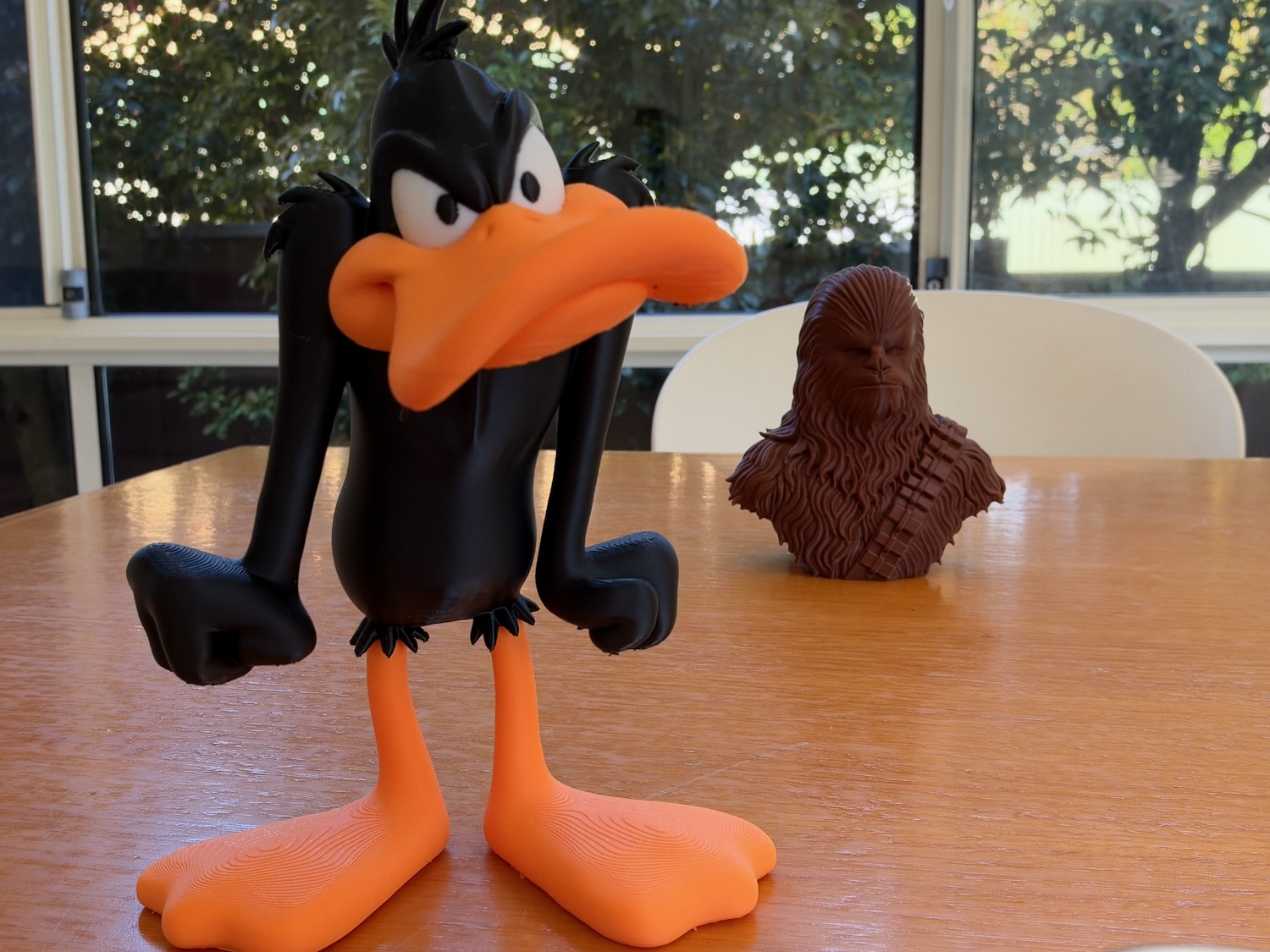
When the aperture narrows to f/2.8 or f/4.0, you’re getting much better detail in the background.
At f/1.48 and f/1.8 you can see greater depth of field – in other words a more blurred background.
In the past the iPhone achieved this computationally rather than physically with the lens and the light.
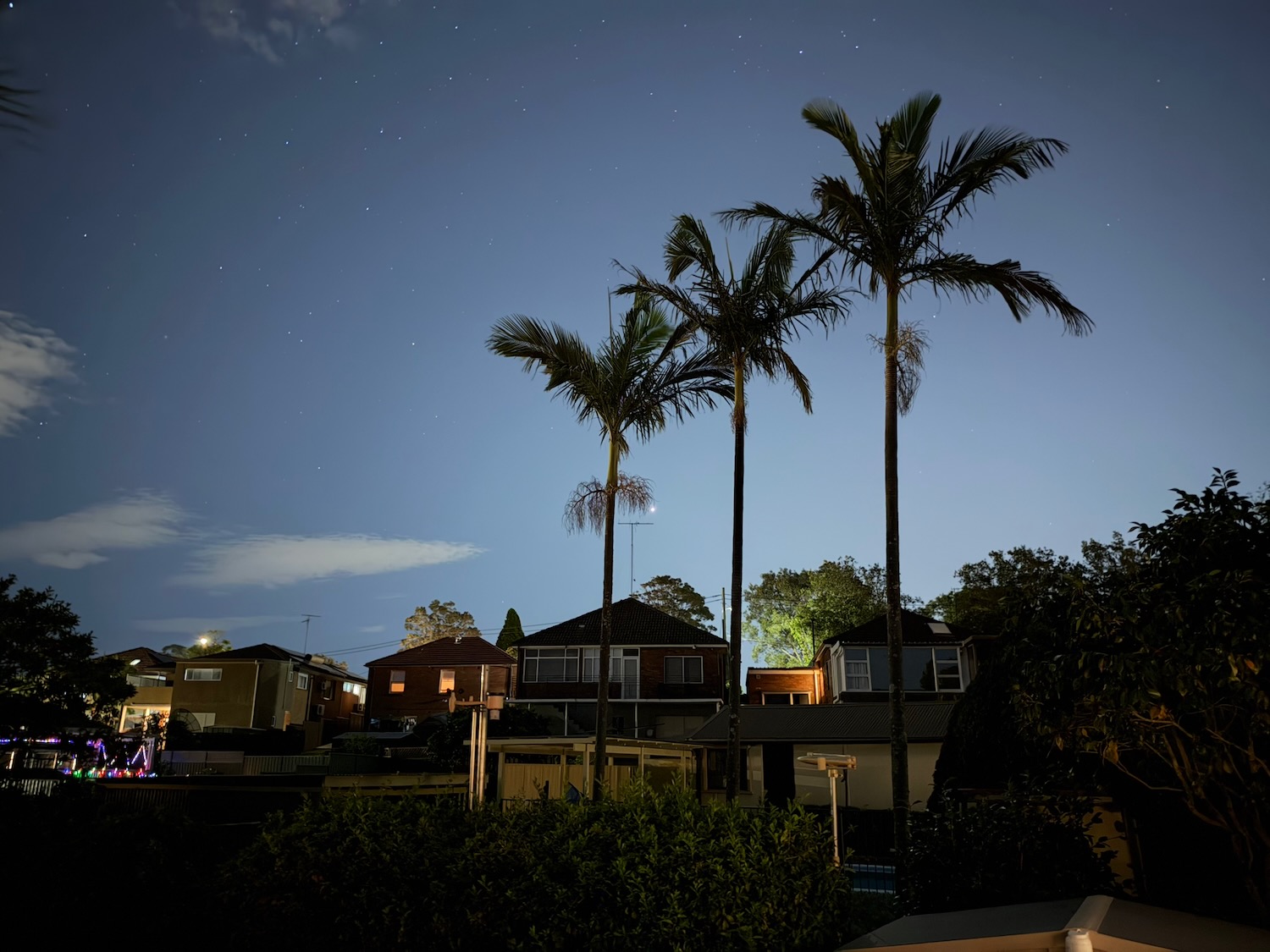
Now with this variable aperture you can really dig into the settings and be even more creative with your images.
If you look at the images we shot at the various aperture stops, you’ll see the background is a lot more blurred at the higher end (f/1/48, f/1.8) with more detail visible when the aperture is narrowed (f/2.8 and f/4.0).
The other great effect with the variable aperture is the starburst effect.
When you switch to f/4.0 and point it at a light source, you’ll see the starburst effect that’s created by the unique shape of the blades.


Another camera improvement includes being able to take time-lapse videos in 4K and Dolby Vision HDR.
Bottom line, Apple has delivered arguably the best camera you can find on a smartphone, thanks to its habit of bringing real camera features into the iPhone rather than trying to pass it off with gimmicks and software.
That’s why this is the go-to iPhone for anyone interested in photography and creating high-quality images and videos.
BATTERY
The iPhone 18 Pro and the iPhone 18 Pro Max have had their biggest year to year leap in battery improvement.
The improvements come about because of the silicon upgrade that create efficiencies within the device, resulting in longer usage.
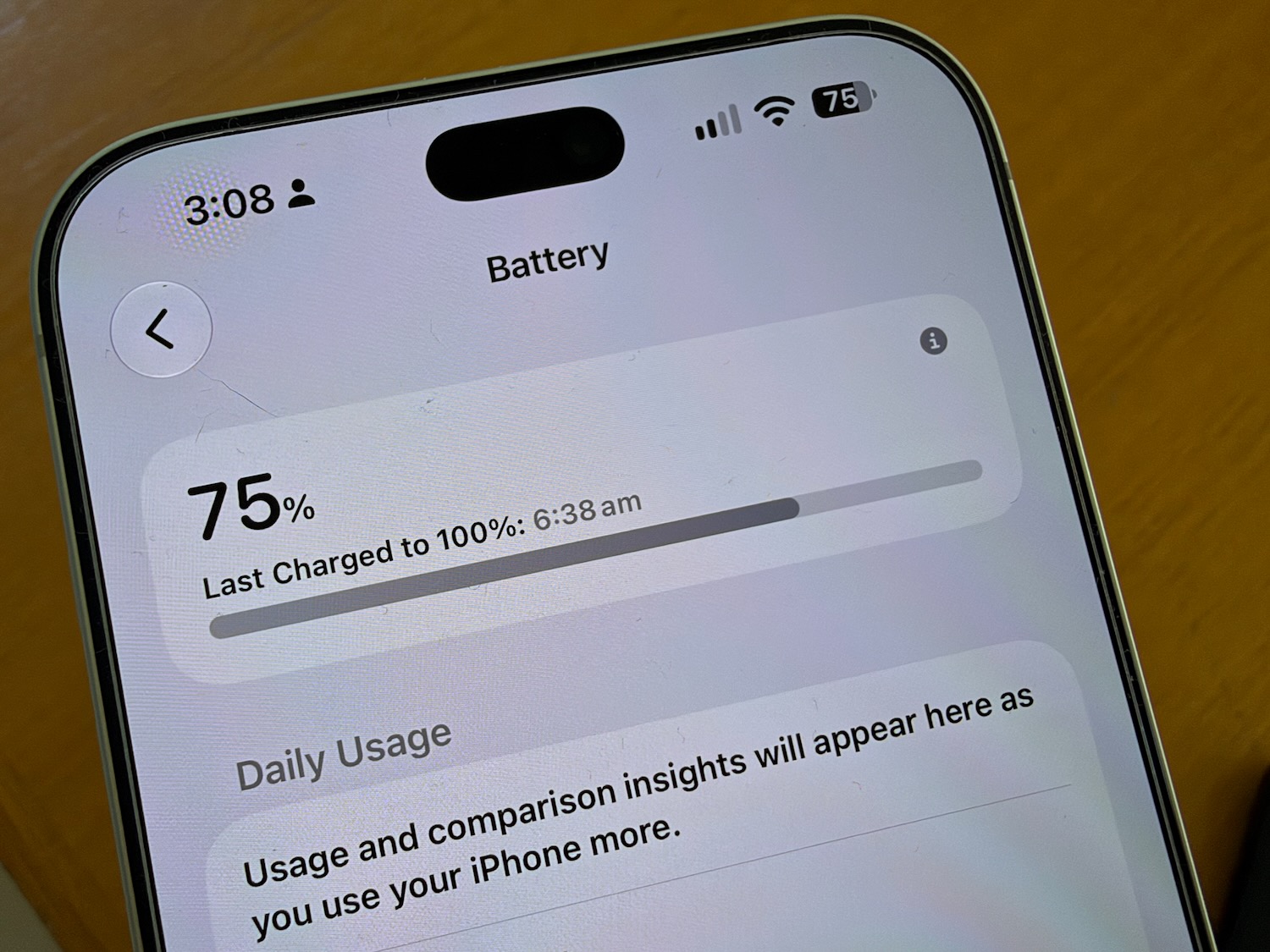
Apple says the iPhone 18 Pro Max has up to 43 hours of video playback and up to 34 hours with the iPhone 18 Pro.
Since we received the phone last week, we’ve seen the battery improvements quite clearly, resulting in up to a day and a half of use before needing to recharge.
PRICE
The iPhone 18 Pro is priced at $2,099 (256GB), $2,499 (512GB), $3,299 (1TB) and $4,499 (2TB).
At 256GB and 512GB the iPhone 18 Pro models are $100 more expensive than last year’s models.
And the 1TB model is $500 more expensive than the iPhone 17 Pro at the same capacity. Last year Apple didn’t offer an iPhone17 Pro with 2TB capacity.
Pricing for the iPhone 18 Pro Max is $2,299 (256GB), $2,699 (512GB), $3,499 (1TB) and $4,699 (2TB).
The 256GB and 512GB iPhone 18 Pro Max models are also $100 more expensive than the same capacity iPhone 17 Pro Max.
But the 1TB model and 2TB models are $500 and $900 more expensive, respectively than the iPhone 17 Pro Max at those same capacities.
The iPhone 18 Pro and iPhone 18 Pro Max are ideal for the customer who wants the best camera on an iPhone or has been waiting a few years to upgrade.
If you have an iPhone 17 Pro or iPhone 17 Pro Max there’s no need to upgrade but if you’re rocking an iPhone 15 or older, then the iPhone 18 Pro and the iPhone 18 Pro Max are well worth a look.
VERDICT
The iPhone 18 Pro and iPhone 18 Pro Max are bigger upgrades than they appear. Apple has improved the tentpole features – performance, battery, Apple Intelligence and the camera to make it a pro-level device that’s tailor-made for a high-end user and content creator.
