

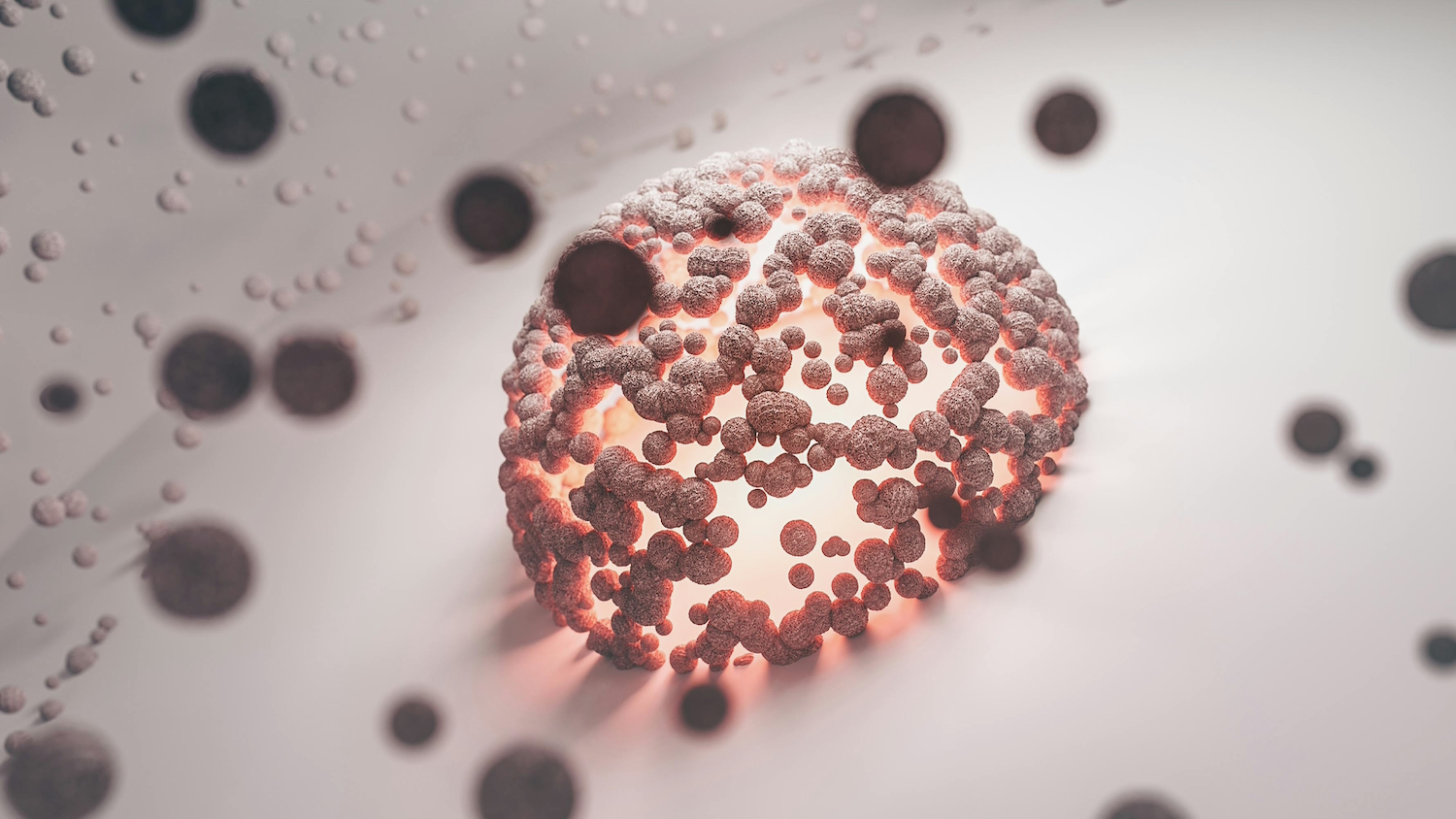


Stem cells are among the most revolutionary discoveries in modern medicine. Their incredible ability to transform into different types of cells has created new possibilities in disease treatment, tissue repair, and regenerative healthcare.
Scientists and medical experts worldwide continue to explore how stem cells can improve patient outcomes and support the treatment of complex medical conditions.
Leading healthcare institutions like Liv Hospital are actively involved in advanced stem cell therapies and innovative medical research. As awareness grows, understanding the role of stem cells becomes increasingly important for patients, researchers, and healthcare professionals alike.

What Are Stem Cells?
Stem cells are unique cells that have the remarkable ability to develop into many different cell types in the body. Unlike regular cells that serve one specific function, stem cells can both renew themselves and transform into specialized cells such as nerve cells, muscle cells, blood cells, and skin cells.
These cells act as the body’s natural repair system, helping replace damaged or aging cells. Because of this regenerative capability, stem cells are considered a major breakthrough in modern medical science.
Definition of Stem Cells
A stem cell is an unspecialized cell capable of self-renewal and differentiation into specialized cell types. In simpler terms, stem cells can reproduce themselves while also becoming the exact type of cell the body needs.
The two key characteristics of stem cells include:
- Self-Renewal: The ability to continuously divide and create new stem cells.
- Differentiation: The ability to transform into specialized cells with unique functions.
This powerful combination makes stem cells essential in regenerative medicine and advanced therapies.
Main Types of Stem Cells
1. Embryonic Stem Cells
Embryonic stem cells are derived from early-stage embryos and can develop into nearly every cell type in the body. These cells are highly versatile and widely used in medical research.
2. Adult Stem Cells
Adult stem cells are found in tissues such as bone marrow, fat tissue, and blood. They are commonly used in treatments involving blood disorders and tissue repair.
3. Induced Pluripotent Stem Cells (iPSCs)
Scientists can reprogram adult cells to behave like embryonic stem cells. These are called induced pluripotent stem cells and are becoming increasingly important in modern medical research.
4. Perinatal Stem Cells
These stem cells are collected from umbilical cord blood and amniotic fluid after childbirth. They are often preserved for potential future treatments.
How Stem Cells Work
Stem cells respond to signals from damaged tissues in the body. Once activated, they can move to injured areas and transform into the necessary cell types required for healing and regeneration.
For example, in bone marrow transplants, healthy stem cells help produce new blood cells after cancer treatments such as chemotherapy.
Patients interested in transplant-related complications can learn more through STEM CELL Overview and Definition.
Medical Applications of Stem Cells
Stem cell therapies are being studied and used across multiple areas of medicine.
Treatment of Blood Disorders
Stem cell transplantation is widely used to treat leukemia, lymphoma, and other blood-related diseases. Healthy stem cells replace damaged blood-forming cells and help rebuild the immune system.
Regenerative Medicine
Researchers are exploring stem cell treatments for conditions such as:
- Heart disease
- Parkinson’s disease
- Diabetes
- Spinal cord injuries
- Osteoarthritis
These therapies aim to repair damaged tissues and restore lost function.
Orthopedic and Cosmetic Treatments
Stem cells are also being investigated for joint repair, cartilage healing, skin rejuvenation, and hair restoration procedures.
Benefits of Stem Cell Therapy
Tissue Repair and Regeneration
Stem cells can support natural healing by replacing damaged cells and promoting tissue recovery.
Personalized Treatments
Stem cells may allow doctors to develop customized therapies based on a patient’s specific biological needs.
Reduced Organ Shortages
Future advancements may help scientists grow organs and tissues in laboratories, reducing dependence on organ donors.
Improved Disease Research
Researchers use stem cells to study diseases and test new medications more effectively.
Risks and Challenges
Despite their enormous potential, stem cell therapies also present several challenges.
Ethical Issues
The use of embryonic stem cells continues to raise ethical concerns in certain regions.
Immune System Reactions
In some treatments, the body may reject transplanted stem cells, causing complications.
Risk of Uncontrolled Growth
Improper stem cell growth may lead to tumors or abnormal tissue development.
Ongoing Research
Many stem cell therapies are still undergoing clinical trials, and researchers continue studying their long-term safety and effectiveness.
The Future of Stem Cell Research
The future of stem cell medicine is highly promising. Scientists are combining stem cell research with technologies such as gene editing and tissue engineering to develop advanced treatments for previously untreatable diseases.
As medical science progresses, stem cells may transform healthcare by enabling personalized medicine, faster healing, and organ regeneration.
Conclusion
Stem cells are transforming the future of medicine through their unique ability to repair, regenerate, and replace damaged cells. From treating blood disorders to advancing regenerative medicine, stem cells continue to open new possibilities in healthcare.
With ongoing scientific research and technological innovation, stem cell therapies may soon become a central part of modern medicine, offering hope for millions of patients worldwide.
