

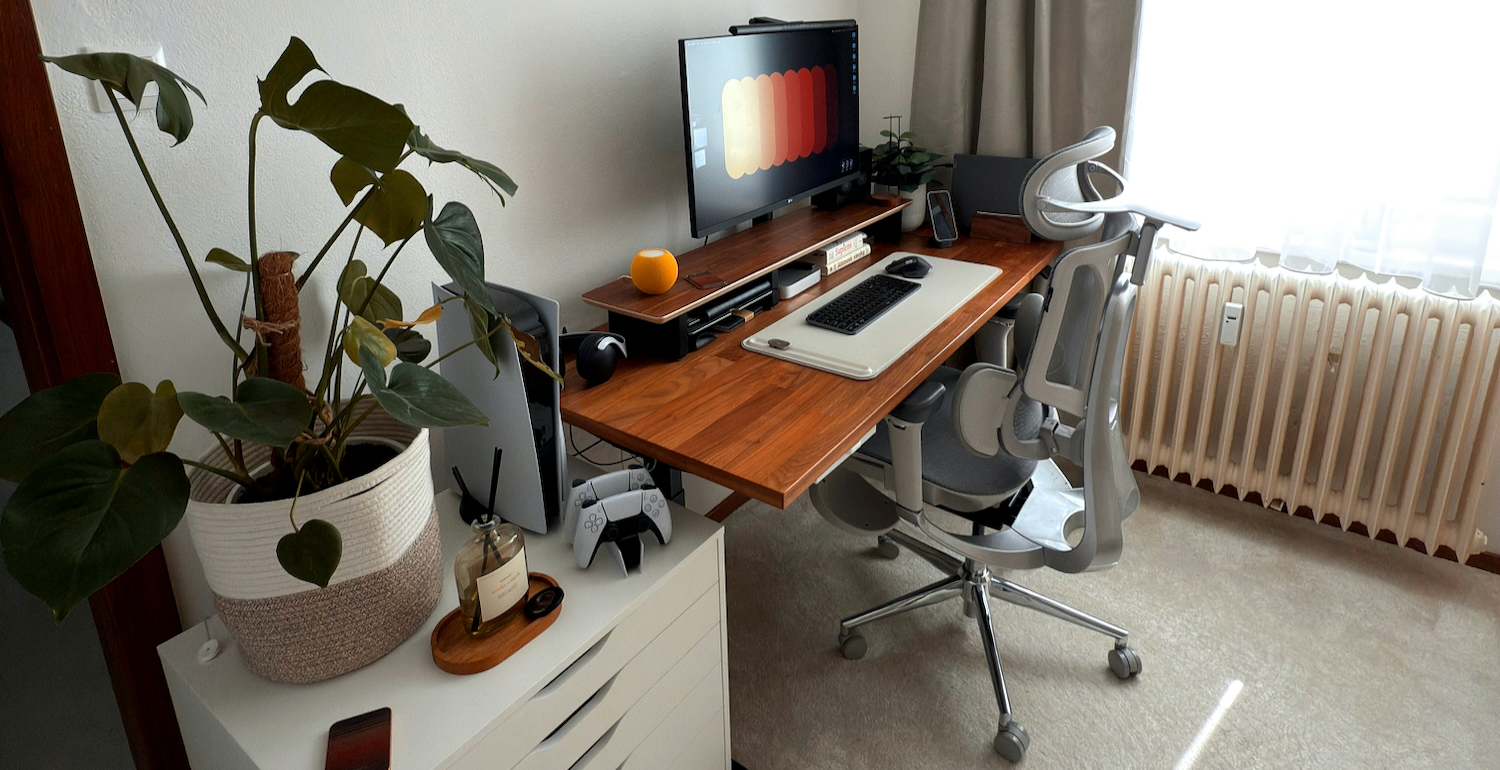


The way Australians work has changed forever. What started as a temporary shift has become a permanent fixture for millions of professionals across the country.
Creating a productive home workspace requires more than just a laptop and internet connection. You need the right environment, proper equipment, and sometimes financial planning to bring it all together.
This guide explores how to build a home office that supports both your work performance and long-term wellbeing.
The Rise of Remote Work in Australia
Remote work statistics continue to climb year after year. Recent surveys show that over 40 percent of Australian workers spend at least part of their week working from home.
Employers have noticed productivity often increases when people work remotely. Without commute stress and office distractions, many professionals accomplish more in less time.
This shift means investing in your home workspace is no longer optional. It’s essential for career success and personal health.
Planning Your Home Office Investment
Setting up a proper home office requires financial planning. Quality equipment, furniture, and technology add up quickly.
For those in Melbourne’s inner east looking to purchase a home with dedicated office space, connecting with Mortgage Brokers Hawthorn professionals can help you understand your borrowing capacity. Having a broker who knows the local market means finding properties that genuinely suit remote work lifestyles.
Many buyers now prioritize homes with an extra room or separate studio space. What once seemed like a luxury has become a practical necessity for working families.
Consider your workspace needs when house hunting. Natural light, ventilation, and separation from living areas all affect your daily productivity.
A good mortgage broker can help you balance property features against budget constraints. They might identify suburbs where you can afford that extra room without stretching financially.
Technology Foundation for Remote Work
Your tech setup forms the backbone of any home office. Skimping here creates daily frustrations that compound over time.
Start with reliable internet. If your connection drops during important video calls, nothing else matters. Consider a backup mobile hotspot for critical meetings.
Invest in quality peripherals like an external monitor, mechanical keyboard, and ergonomic mouse. These items last for years and dramatically improve your work experience.
Good audio equipment matters more than most people realize. A decent microphone and headset make you sound professional and help you hear clearly during calls.
Financing Your Office Upgrade
Quality home office equipment represents a significant investment. Many Australians spread these costs through personal loans or lines of credit.
When researching lending options, it helps to understand who you’re borrowing from. Taking time to learn about City Finance and similar lenders gives you insight into their approach and whether they suit your needs.
Different lenders offer varying terms, rates, and flexibility. Some specialize in smaller personal loans perfect for office equipment purchases.
Compare at least three options before committing to any financing. Interest rates matter, but so do fees, repayment flexibility, and customer service quality.
Consider whether your employer offers any equipment allowances or salary packaging options. Some companies provide home office stipends that reduce your out-of-pocket costs.
The Importance of Ergonomics
Poor ergonomics create problems that extend far beyond discomfort. Back pain, neck strain, and repetitive stress injuries can derail your career.
Your chair matters enormously. Spend more here than you think you should. A quality ergonomic chair supports proper posture through long working hours.
Monitor height affects your neck and eye health. Your screen should sit at eye level, requiring you to look straight ahead rather than up or down.
Keyboard and mouse placement determines wrist position. Keeping your arms at right angles with relaxed shoulders prevents strain.
Standing Options Transform Your Workday
Sitting for eight hours straight damages your health regardless of posture. Human bodies evolved for movement, not prolonged stillness.
A motorised standing desk allows you to alternate between sitting and standing throughout the day. The electric adjustment makes transitions seamless without disrupting your workflow.
Research supports the health benefits of standing desks. Users report increased energy, better focus, and reduced back pain compared to sitting all day.
Start slowly when transitioning to standing work. Begin with 20-minute standing intervals and gradually increase as your body adapts.
Quality motorised desks offer programmable height presets. You can save your perfect sitting and standing positions, then switch with a single button press.
Lighting That Works For You
Poor lighting causes eye strain, headaches, and fatigue. Yet many home offices rely solely on overhead lights that create harsh shadows.
Natural light provides the best working environment when possible. Position your desk perpendicular to windows to avoid glare while still benefiting from daylight.
Task lighting supplements natural and overhead sources. A quality desk lamp with adjustable brightness helps during early mornings and late evenings.
Consider the color temperature of your bulbs. Cooler temperatures promote alertness during work hours, while warmer tones suit evening wind-down periods.
Managing Distractions at Home
Home environments contain distractions that offices don’t. Family members, pets, household chores, and personal devices all compete for attention.
Establish clear boundaries with household members during work hours. A closed door should signal that interruptions need to wait unless urgent.
Use website blockers and app timers to manage digital distractions. Tools like Freedom or Cold Turkey prevent mindless scrolling during work time.
Create rituals that signal work mode to your brain. This might mean making coffee, changing clothes, or playing specific music when you begin your workday.
Climate Control Considerations
Temperature dramatically affects productivity. Too hot or too cold and your focus suffers along with your comfort.
Small spaces heat up quickly from computer equipment. A desk fan or portable air conditioner keeps you comfortable without cooling the entire house.
Winter presents the opposite challenge. A small heater under your desk warms your immediate workspace efficiently.
Consider air quality alongside temperature. Plants improve air quality while adding life to your workspace. Good ventilation prevents that stuffy feeling during long work sessions.
Sound Management Strategies
Noise disrupts concentration more than most people realize. Creating acoustic separation from household sounds improves focus significantly.
Solid core doors block more sound than hollow alternatives. If renovating or choosing a home office room, this detail matters.
White noise machines or apps mask inconsistent background sounds. Many remote workers find them helpful during video calls and focused work.
Consider acoustic panels if sound problems persist. These don’t require permanent installation and can dramatically reduce echo and noise transmission.
Creating Work-Life Boundaries
The biggest challenge of remote work isn’t productivity. It’s knowing when to stop.
Without a commute creating natural separation, work can bleed into personal time. This leads to burnout and relationship strain over time.
Set firm start and end times for your workday. When you finish, physically leave your office space if possible.
Turn off notifications outside work hours. Your home office should be a place you leave behind at day’s end, even if it’s just down the hall.
Your Home Office Journey
Building the perfect home office takes time and iteration. You’ll learn what works through experience and adjust accordingly.
Start with the essentials and upgrade thoughtfully over time. Each improvement builds on the last, creating a workspace that truly supports your best work.
Your home office represents an investment in your career, health, and quality of life. The effort you put into creating it pays dividends every working day.
