

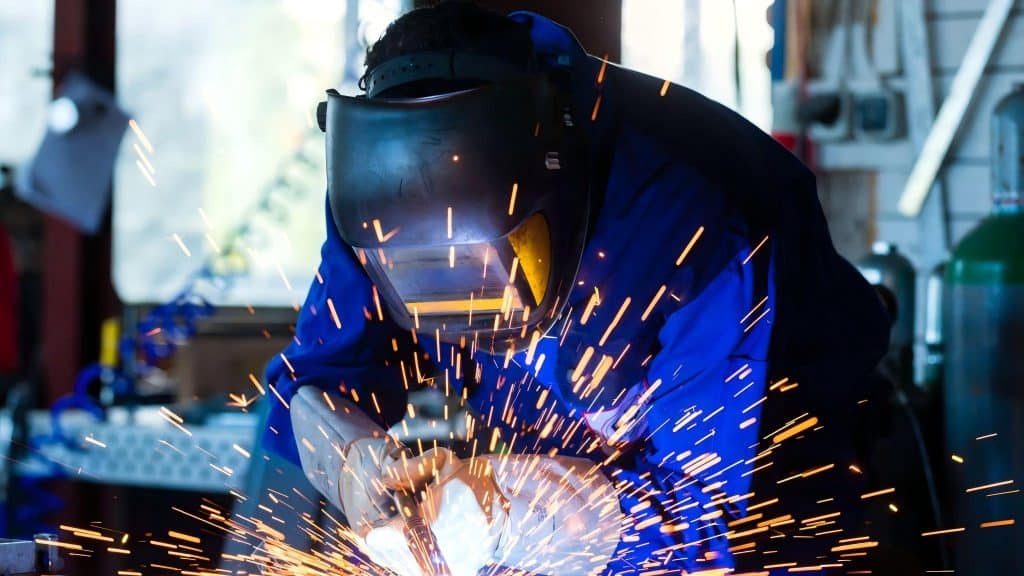


Laser welding is a powerful technique that offers precision and efficiency in various industries. But with its benefits come significant safety risks that can’t be overlooked. Understanding the best practices and precautions is essential to ensure a safe working environment and protect both operators and equipment.
In this article, you’ll learn key safety measures to carry out during laser welding operations, from proper personal protective equipment to workspace organization. You’ll also learn how to identify potential hazards and effectively mitigate risks. By following these guidelines, you can enhance safety while maximizing the advantages of laser welding technology.
Introduction to Laser Welding Safety
Laser welding, known for its precision and efficiency, can pose significant safety risks. Adopting strict safety measures significantly reduces the hazards associated with working with this technology.
Why a Safety-First Mindset Matters
A safety-first approach helps prevent accidents. You can minimize risks by staying aware of potential dangers. Regular training and reminders foster a culture of safety, ensuring everyone involved understands their role.
Industrial Context and Denaliweld’s Role
In various industries, laser welding plays a critical part. Denaliweld offers equipment that strikes a balance between performance and safety features. Their products aim to enhance safety while meeting the specific needs of users. Their systems incorporate fail-safes, user alerts, and ergonomic designs to support safe practices.
Core Laser Welding Hazards
Laser welding carries various hazards. Awareness of these risks helps maintain a safe work environment.
Radiation & Optical Exposure
Radiation from lasers poses significant risks. Direct exposure can damage the eyes. Protective eyewear, specifically rated for the wavelength in use, helps minimize these dangers. Additionally, proper laser enclosures should remain intact during operation to mitigate this risk.
Thermal & Fire Risks
Heat generated by lasers can ignite materials nearby. Flammable substances shouldn’t exist in the immediate area. Employing appropriate fire suppression measures and having a fire extinguisher on-site serves as key precautions.
Fume & Respiratory Hazards
Fumes produced during laser welding can pose respiratory risks. Inadequate ventilation might lead to harmful inhalation of particulates. Using exhaust systems or local ventilation can help alleviate exposure. Regular air quality assessments, in line with safety standards, also play a role in managing these hazards.
Engineering Controls & Machine Safeguards
Implementing effective engineering controls and machine safeguards is crucial for laser welding safety. These measures can minimize risks and promote a safer working environment.
Integrated Safety Features
Integrated safety features in laser welding machines include built-in interlocks that prevent operation if safety doors remain open. User alerts for specific hazards can warn personnel about potential dangers. These features help ensure safe machine operation during tasks.
Enclosures & Workstations
Proper enclosures and workstations contribute to safety by limiting exposure to laser radiation and fumes. These barriers should meet industry standards, such as Class 1 enclosures, to effectively contain and protect against lasers. Adequate workspace organization decreases the likelihood of accidents related to materials and equipment.
Process-Parameter Safeguards
Process parameter safeguards can enhance safety by continuously monitoring critical variables, such as temperature and pressure, thereby ensuring optimal operating conditions. These systems provide operators with real-time data. Altering parameters outside safe limits can trigger automatic shutdowns, helping to prevent accidents before they occur.
Personal Protective Equipment (PPE)
Using appropriate personal protective equipment (PPE) greatly reduces risks in laser welding. Selecting the right items is key for safety during operations.
Laser-Safety Eyewear
Laser-safety eyewear protects against harmful exposure to light. Look for glasses or goggles with specific optical density ratings, which ensure adequate protection based on the laser wavelength.
| Type | Optical Density | Recommended Use |
|---|---|---|
| Green Glass | 5 | Argon lasers |
| Shade 3 Goggles | 3 | 1064 nm wavelength |
| Shade 5 Goggles | 5 | CO2 lasers |
Helmets, Face Shields & Clothing
Welding helmets and face shields guard your face and eyes from sparks and debris. Apparel should be made from flame-resistant materials to protect against heat. Select clothing that completely covers your arms and legs.
| Item | Features |
|---|---|
| Welding Helmet | Flip-up lens, adjustable |
| Face Shield | High-impact resistant |
| Flame-Resistant Shirt | Lightweight, breathable |
Respiratory Protection
Respiratory masks protect against harmful fumes and particulates. Use masks with filters rated for welding fumes. Consider using a powered air-purifying respirator for situations involving extensive exposure.
| Type | Protection Level | Use Case |
|---|---|---|
| N95 Respirator | Filters 95% of particles | General laser welding |
| PAPR (Powered Air Purifying Respirator) | Higher protection | Extended welding tasks |
Administrative & Procedural Controls
Administrative and procedural controls are key for managing safety during laser welding operations. These practices outline specific requirements to help protect personnel and ensure a structured environment.
Laser-Controlled Areas & Access
Laser-controlled areas must be marked. Use appropriate signage to inform personnel of potential hazards. Access needs restriction to authorized personnel only. Measures, like entry logs or badge systems, enhance security and monitoring.
Standard Operating Procedures (SOPs)
Standard Operating Procedures, or SOPs, serve as the foundation for safe practices. Draft detailed SOPs covering equipment operation, emergency responses, and maintenance checks. Ensure all personnel refer to these documents regularly as a part of their routine.
Training & Competency
Training plays a significant role in safety. Conduct training sessions focused on specific laser welding hazards and operational techniques. Assess competency through reviews or practical demonstrations to ensure understanding. Consider refresher courses to maintain high safety standards.
Ventilation & Environmental Controls
Proper ventilation and environmental controls are key in maintaining safety during laser welding processes. Adequate measures help reduce harmful fumes and maintain air quality.
Local Exhaust Ventilation (LEV)
Local exhaust ventilation systems effectively capture and remove harmful fumes at their point of origin. Consider using LEV systems near welding stations. Place hoods close to the work area to enhance fume extraction.
Air-Quality Monitoring
Regular air-quality monitoring ensures a safe working environment. Instruments that measure particulate matter and chemical vapors can provide quick feedback on air quality. Consider establishing a routine for testing air quality levels to catch potential hazards early.
Emergency Preparedness
Emergency preparedness in laser welding settings can greatly reduce risks. Implementing specific strategies helps manage various situations effectively.
Fire-Safety Measures
Fire safety steps are crucial.
- Maintain accessible fire extinguishers, at least one every 75 feet.
- Mark exits and ensures they’re unobstructed.
- Train employees on how to operate equipment and respond to fires.
Depending on the materials, consider using a Class D fire extinguisher for metal fires, as ordinary extinguishers may not be sufficient.
Rapid Shutdown Protocols
Effective shutdown protocols can quickly mitigate risks.
- Define clear procedures for rapid machine shutdown.
- Conduct regular drills to keep everyone informed and prepared.
- Ensure that all personnel are aware of the location of emergency shutoff buttons.
Those buttons should be within easy reach, allowing for quick action during unexpected incidents.
First-Aid Readiness
First-aid readiness can save lives.
- Keep a well-stocked first-aid kit nearby, with essentials such as antiseptic wipes, bandages, and burn ointment.
- Designate team members as first responders, ensuring they have training in basic first aid and CPR.
- Conduct drills to practice responses to common injuries, like burns or cuts.
Clear labeling of the kit and its contents aids quick access during emergencies.
Conclusion
Ensuring safety in laser welding operations is paramount for protecting both workers and equipment. By implementing the recommended safety measures and best practices, you can significantly reduce risks associated with this powerful technology. Embracing a culture of safety not only enhances operational efficiency but also fosters a secure working environment.
