

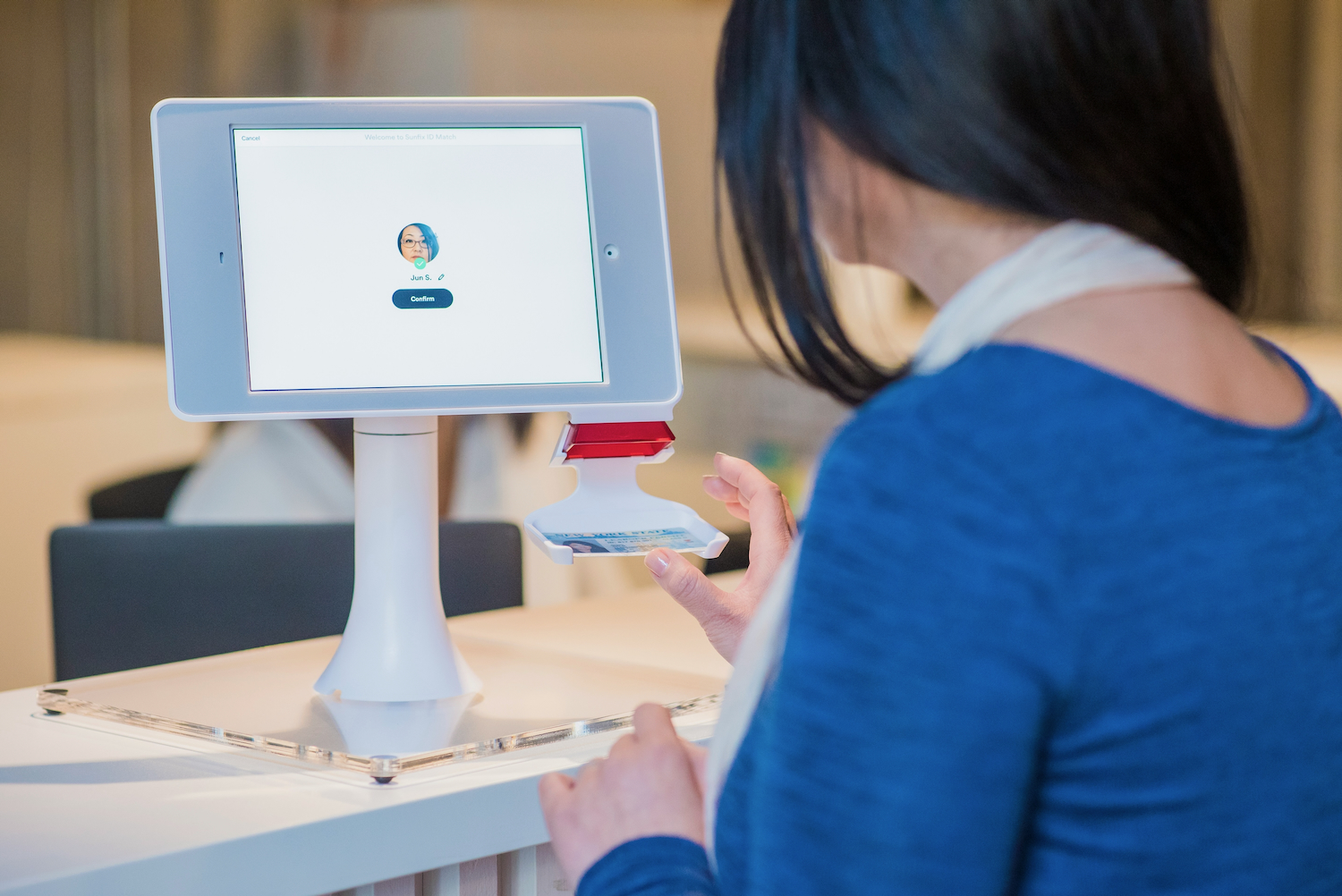


An AI virtual receptionist is a digital assistant that helps businesses manage incoming calls, respond to customer inquiries, schedule appointments, and provide essential information without requiring a human receptionist to handle every interaction.
Using artificial intelligence, natural language processing, and automated communication tools, these systems can understand customer questions and deliver relevant responses in real time. Businesses can use AI receptionists to maintain professional communication while reducing the workload on their employees. This technology is especially useful for companies that receive frequent calls or need to provide customer support outside regular business hours.
Modern AI virtual receptionists can perform several administrative tasks that traditionally require manual effort. Depending on the system, they can collect customer details, direct callers to the appropriate department, confirm appointments, and send follow-up notifications. They can also help businesses avoid missed calls during busy periods, ensuring that potential customers have an opportunity to connect with the company. By providing consistent service and handling routine inquiries, AI receptionists allow employees to focus on more complex responsibilities and important customer relationships.
How Business Automation Improves Daily Operations
Business automation uses technology to complete repetitive tasks with minimal manual involvement, helping organizations improve efficiency and maintain consistent workflows. Common examples include appointment scheduling, customer follow-ups, data entry, email responses, lead management, and invoice processing. Solutions such as doubledesk AI can support businesses exploring ways to streamline routine tasks. When businesses automate these activities, employees spend less time on routine administration and more time on planning, sales, and customer service. Automation can also reduce delays caused by manual processes, making it easier for teams to manage workloads and meet customer expectations.
Combining business automation with an AI virtual receptionist creates a more connected customer communication process. For example, when a customer calls to schedule an appointment, the AI receptionist may collect the necessary details and connect with a scheduling system to check availability. The appointment can then be recorded automatically, with a confirmation message sent to the customer when the system supports these features. This integration helps reduce scheduling errors, limits unnecessary back-and-forth communication, and keeps important information organized. As a result, businesses can deliver smoother customer experiences while improving the efficiency of their daily operations.
Key Benefits of AI Receptionists and Automation
One of the main benefits of AI virtual receptionists is their ability to provide consistent customer communication throughout the day. Depending on the service and configuration, they may answer calls beyond standard business hours, respond to common questions, and collect inquiries when employees are unavailable. This can help businesses capture more potential leads and avoid losing opportunities because a call went unanswered. Customers also benefit from receiving prompt responses and clear information without always having to wait for a staff member to become available.
Business automation can also help reduce administrative costs and improve employee productivity over time. By automating repetitive processes, companies may spend fewer staff hours managing routine requests and correcting avoidable mistakes. Automated systems can keep records organized, trigger reminders, and help teams follow consistent procedures. However, businesses should evaluate setup expenses, integration requirements, and ongoing service fees before choosing a solution. When implemented carefully, AI receptionists and automation tools can support more efficient operations while allowing employees to concentrate on tasks that require human judgment, empathy, and specialized knowledge.
Choosing the Right AI Business Automation Solution
Selecting the right AI virtual receptionist and business automation solution begins with identifying the specific challenges a company wants to address. Some businesses may need help managing high call volumes, while others may prioritize appointment scheduling, lead qualification, or customer follow-ups. Understanding these requirements makes it easier to compare available platforms and choose features that support existing workflows. Businesses should also consider ease of use, language capabilities, customization options, reporting tools, and the ability to transfer complex inquiries to a human employee when necessary.
Integration and data protection are equally important when introducing AI technology into business operations. A suitable platform should work effectively with the company’s existing phone system, calendar, customer relationship management software, or other essential applications. Businesses should review privacy policies, security measures, data storage practices, and access controls before connecting customer information to automated systems. It is also helpful to test the solution with a small group of users before expanding its use across the organization. Monitoring customer feedback, response accuracy, and operational performance can help businesses identify improvements and achieve better long-term results.
The Future of AI Virtual Receptionists and Business Automation
AI virtual receptionists and business automation are expected to play an increasingly important role in how organizations communicate with customers and manage everyday responsibilities. As artificial intelligence develops, these tools may become better at understanding conversational language, recognizing customer intent, and providing more personalized assistance. Businesses may also use improved integrations to connect communication systems with sales platforms, appointment calendars, and customer service workflows. These developments can help organizations respond more efficiently while maintaining a consistent experience across different communication channels.
Despite these advancements, successful automation still requires thoughtful implementation and appropriate human oversight. AI systems may misunderstand unusual questions, struggle with complex requests, or provide incorrect information if they are not configured and monitored properly. Businesses should establish clear procedures for escalating sensitive or complicated issues to qualified employees and regularly review system performance. By combining AI technology with human expertise, companies can improve efficiency without losing the personal attention that customers value. Investing in practical automation today can help businesses build more organized workflows and adapt to changing customer expectations in the future.
