

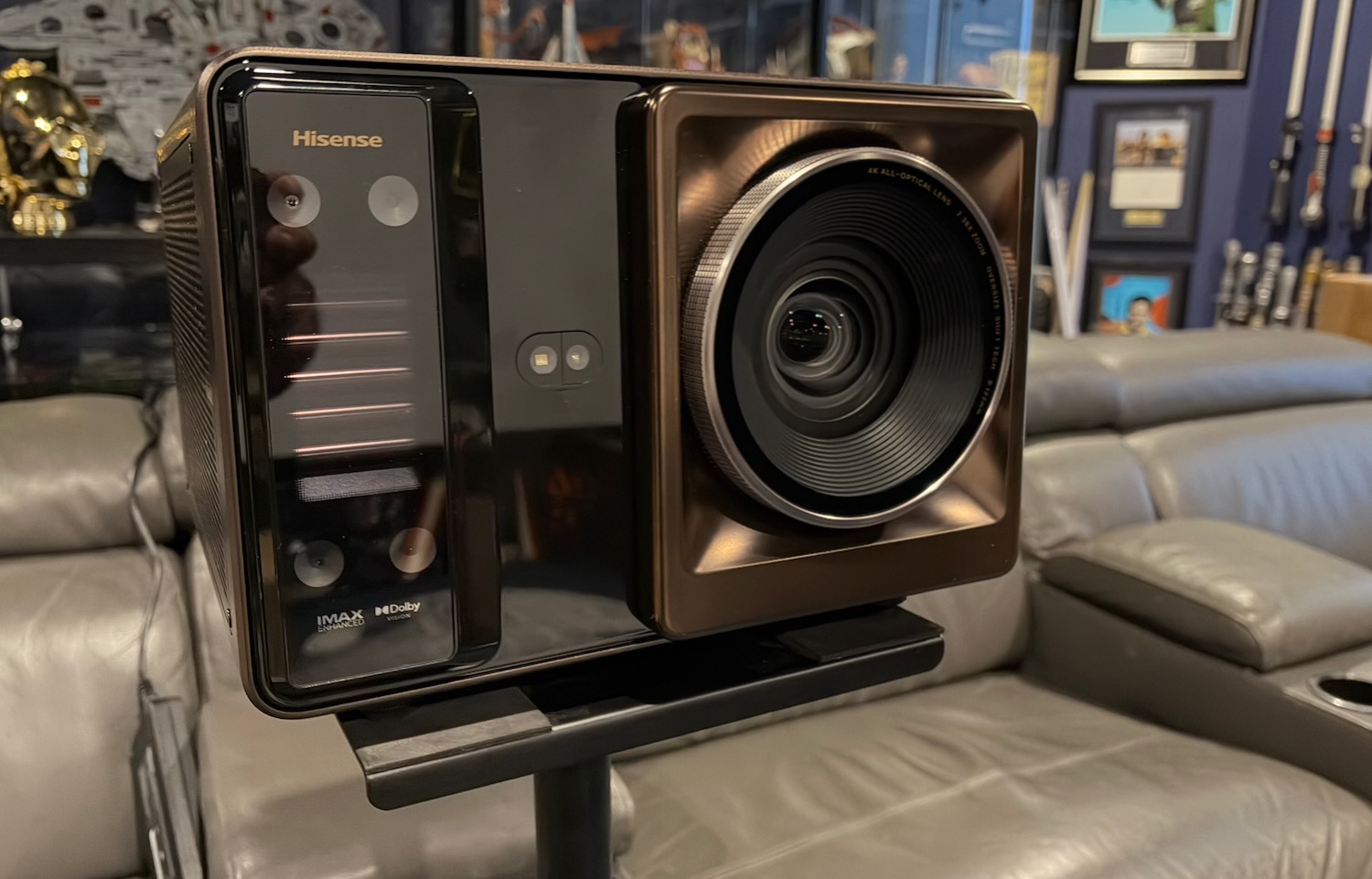


- Design
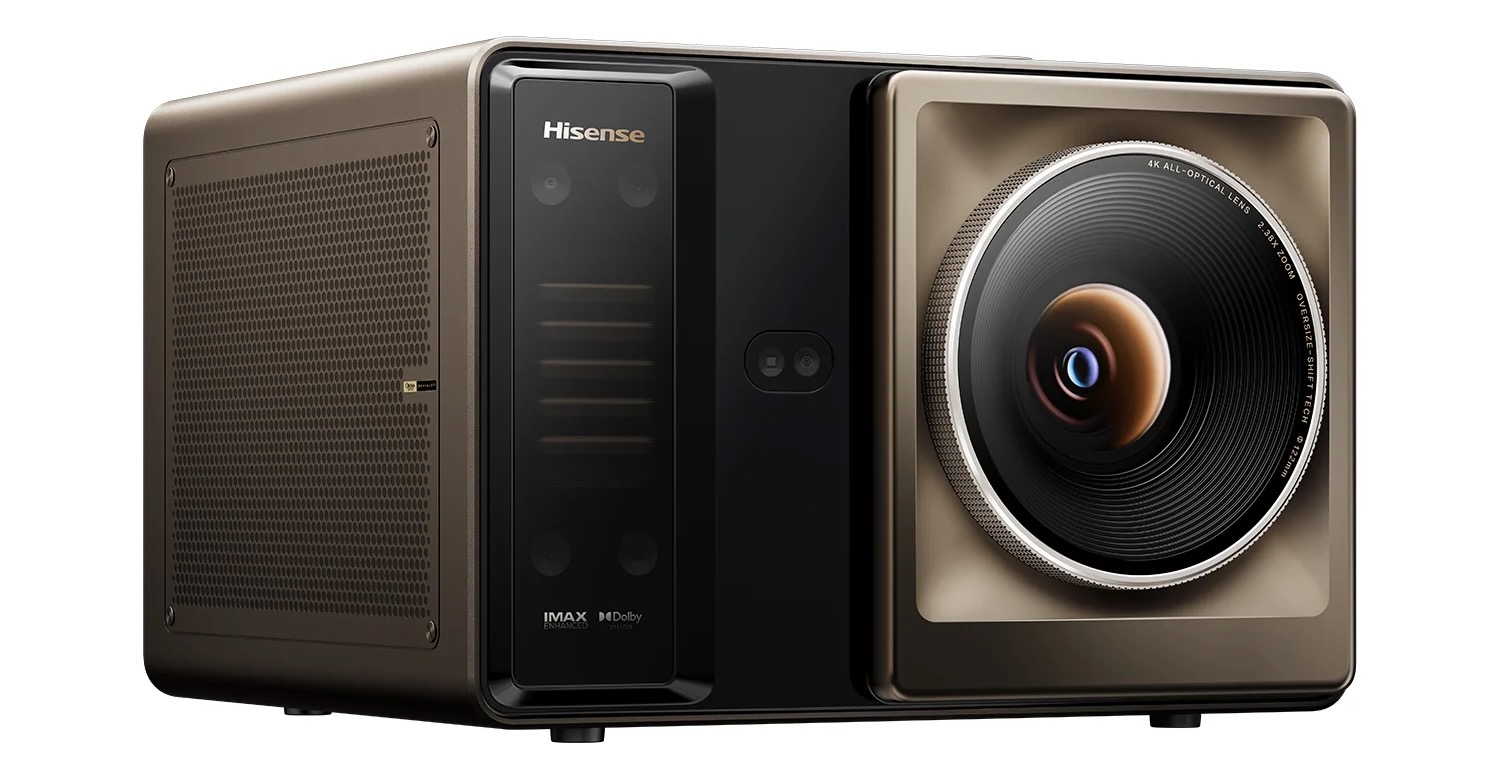
The Hisense XR10 is an all-in-one home theatre system that provides stunning 4K resolution, amazing brightness, and impressive sound. All you need to do is aim it at a wall and get the popcorn ready.
There is a lot to like about the Hisense XR10 Triple Laser projector that delivers a true big-screen cinematic experience in your home.
The XR10 has 6,000 ANSI lumens of brightness and has an optical zoom so it can create a bigger screen in a space where other projectors can’t.
Regular projectors require a longer throw distance to create a larger image but the Hisense XR10 can go bigger without losing quality thanks to the onboard optical zoom.
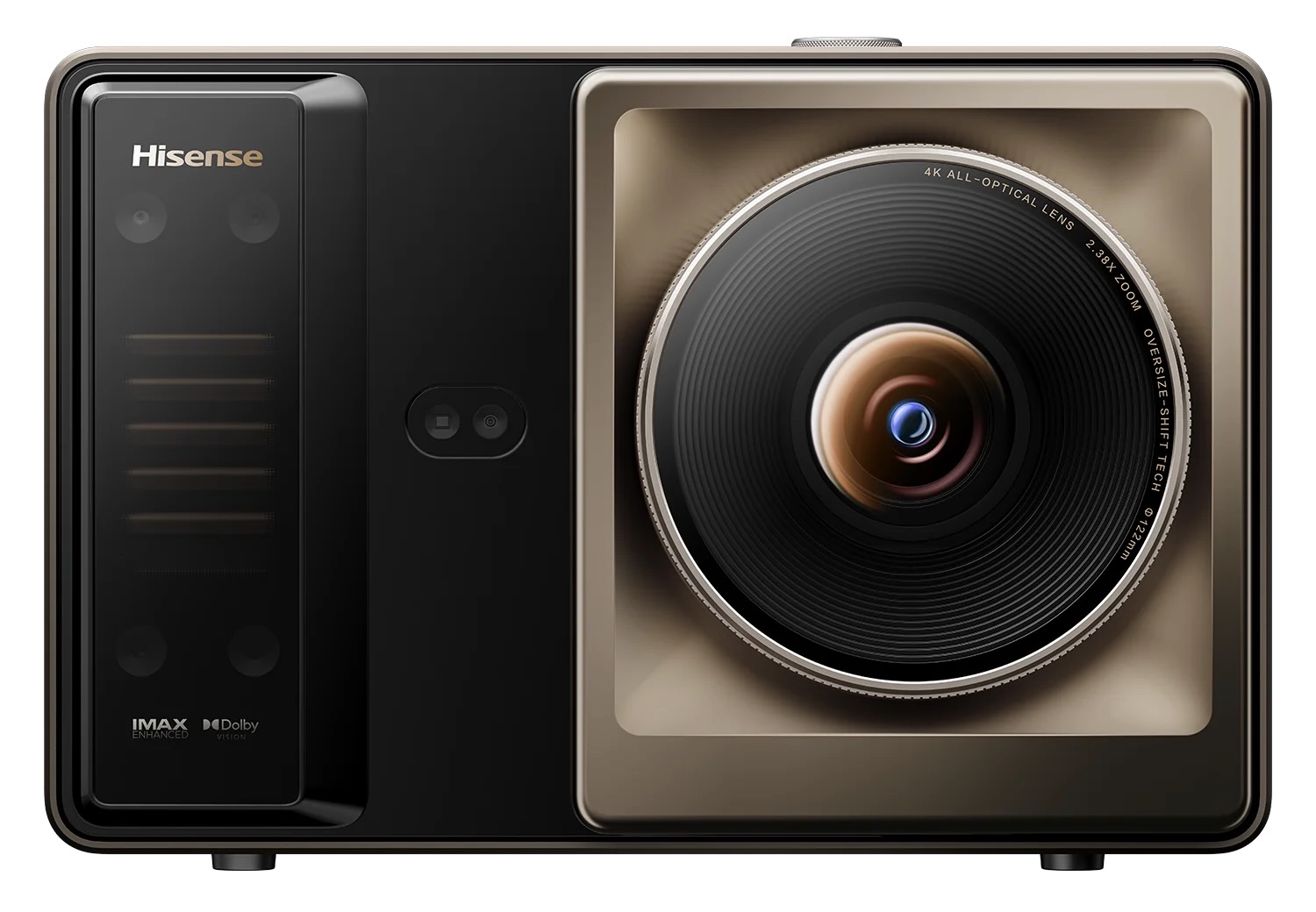
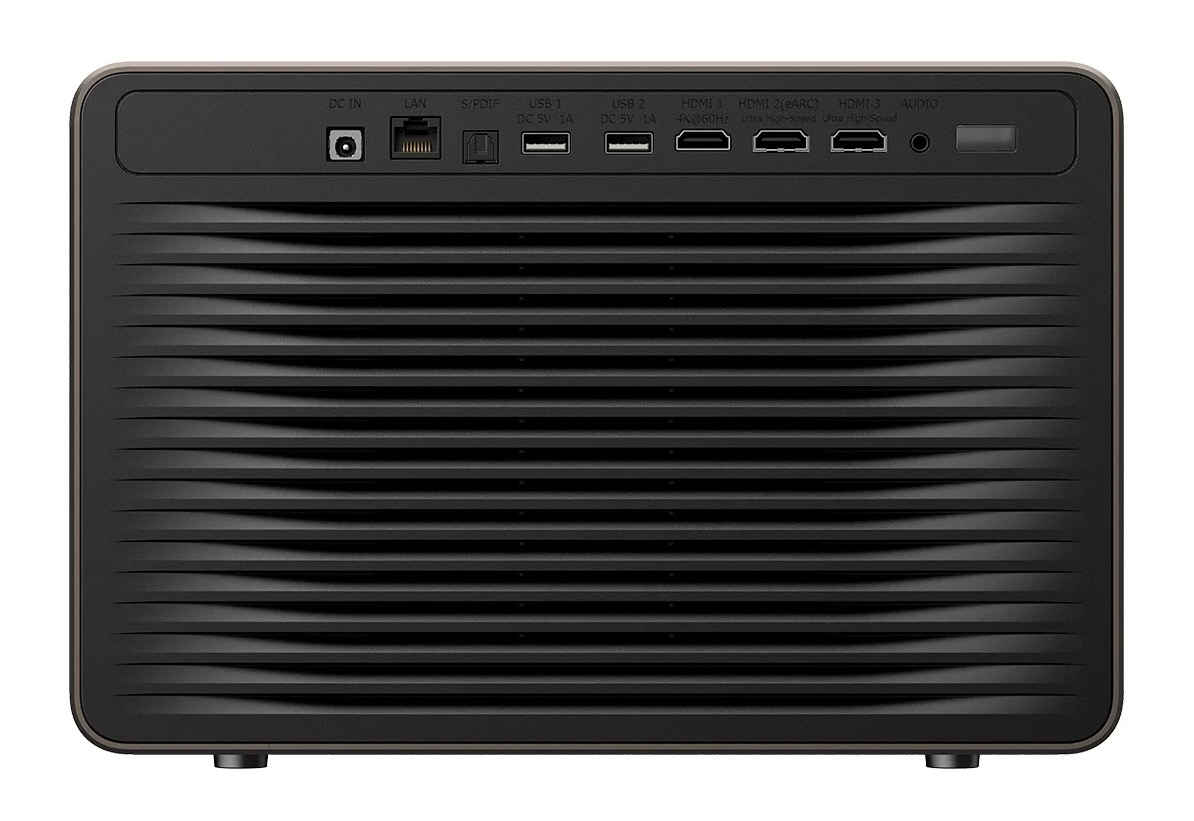
For our review we set up the Hisense XR10 in our home theatre where we have a 150-inch fixed screen.
But the XR10 can project an image up to 300 inches.
This is a projector aimed at the user who wants to set up a dedicated viewing space.
It certainly offers the sort of quality a serious user would be looking for to enjoy the big screen experience.
Yet, at about the size of a four-slice toaster, the XR10 is still small enough to be moved from room to room.
The projector can be packed away inside a vintage carry case which is ideal for those who only want to pull the projector out for special occasions or to move it around the home.
But priced at $9,999, the Hisense XR10 has all the features of a premium home theatre projector that, in an ideal setting, would be permanently mounted.
Yet it has the size and easy setup of a portable projector that is thousands of dollars cheaper.
Hisense is trying to deliver the best of both worlds to suit all kinds of users.
For us we view this projector as home theatre-worthy and it would be fixed to a ceiling mount.
We’re not sure if those customers looking for an easy portable projector to enjoy 4K quality in any room in the house would be willing to spend nearly $10,000 for that convenience.
That convenience is helped along by the fact the XR10 has built-in Devialet speakers.
But again which customer are we aiming this at?
Yes, the portable projector customer wants an all-in-one setup but how many of them have a lazy $9,999 to spare?
And the high-end user, like us, would prefer to have multiple speakers set up around the room rather than being limited to the projector’s onboard speakers.
And those speakers sound amazing but they lack the immersive qualities that a multiple-speaker system would offer.
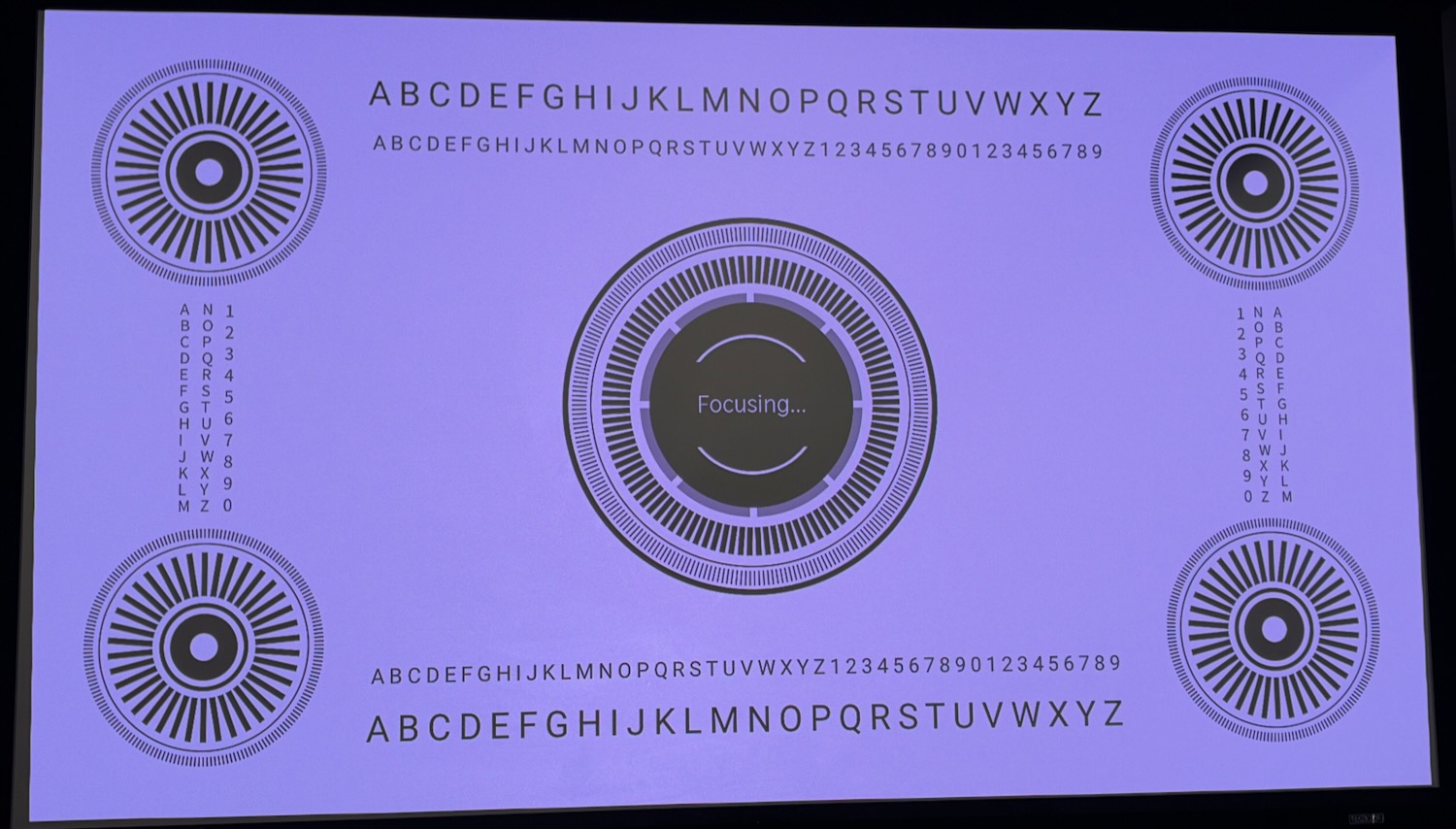
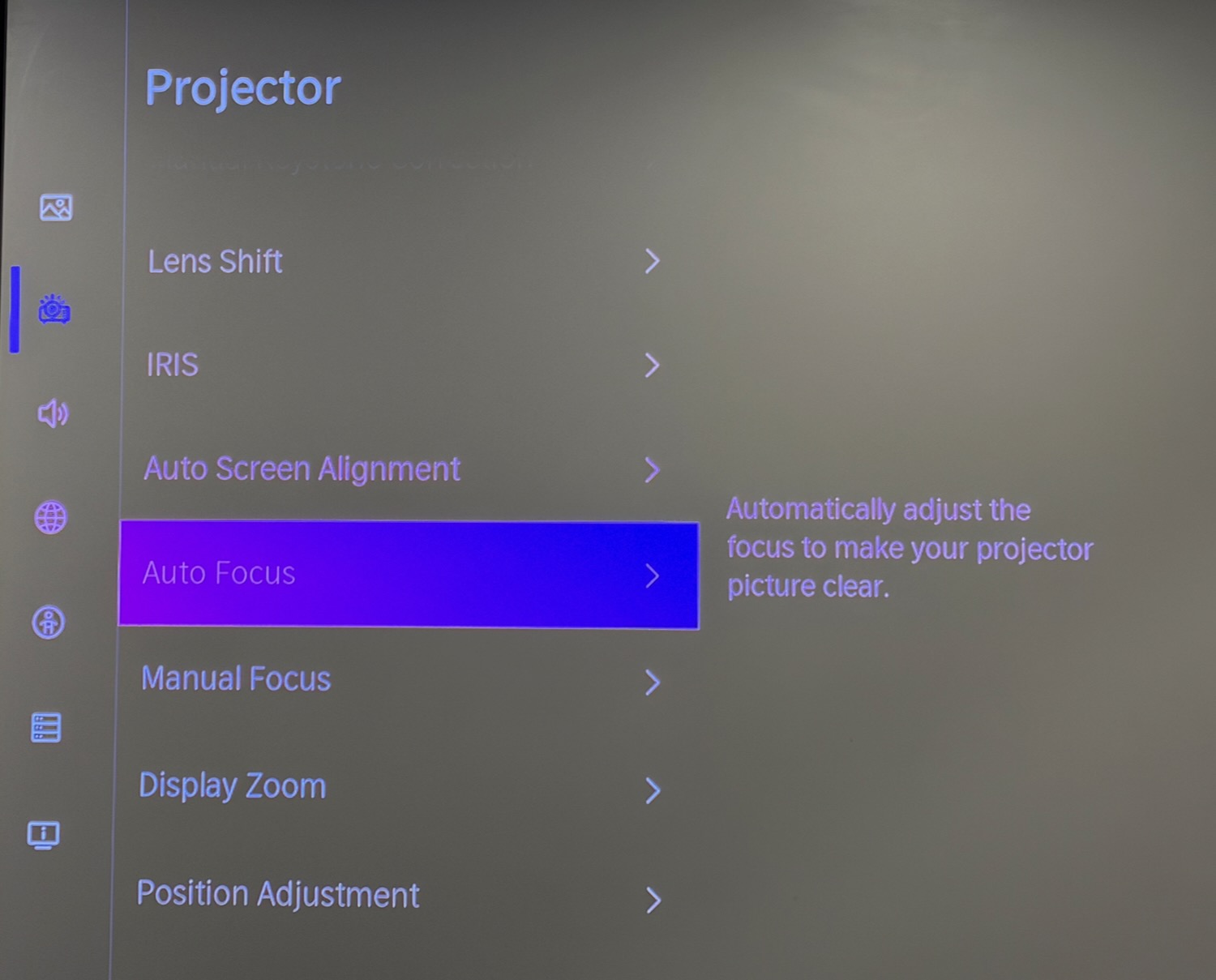
Setup is simple and automated, with the projector squaring the picture up and focusing automatically.
In our setup we had to tweak the settings a little bit.

The projector wasn’t playing ball and automatically finding the edges of our screen so we had to help it along a little bit.
The good news is setup is remarkably easy and you’ll be watching your content within minutes.
The Hisense XR10 has the same interface as its TVs so you can access streaming services and catch-up apps as well as Hisense internet channels.
But you can also connect your sources through the HDMI ports on the rear of the projector if you wanted to add a gaming console, set-top box or 4K disc player.

We got the picture set up to our 150-inch screen within minutes and it achieved that with a shorter throw length than our current projector thanks to the XR10’s digital zoom, which created a bigger image without compromising picture quality
This is another great feature when setting it up in tight spaces.
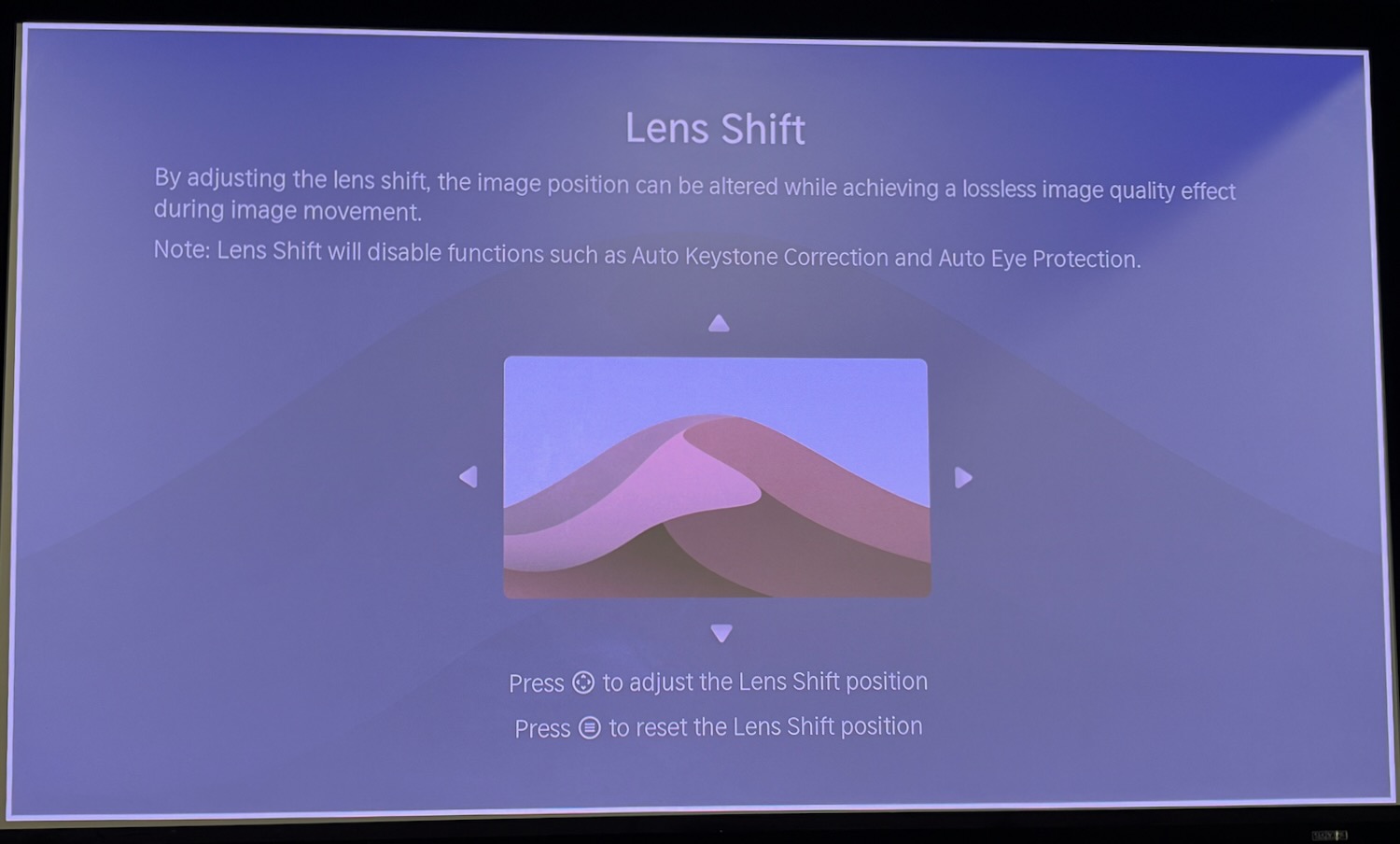
On top of the optical zoom there’s also lens shift, which allows you to make even finer adjustments to your picture.
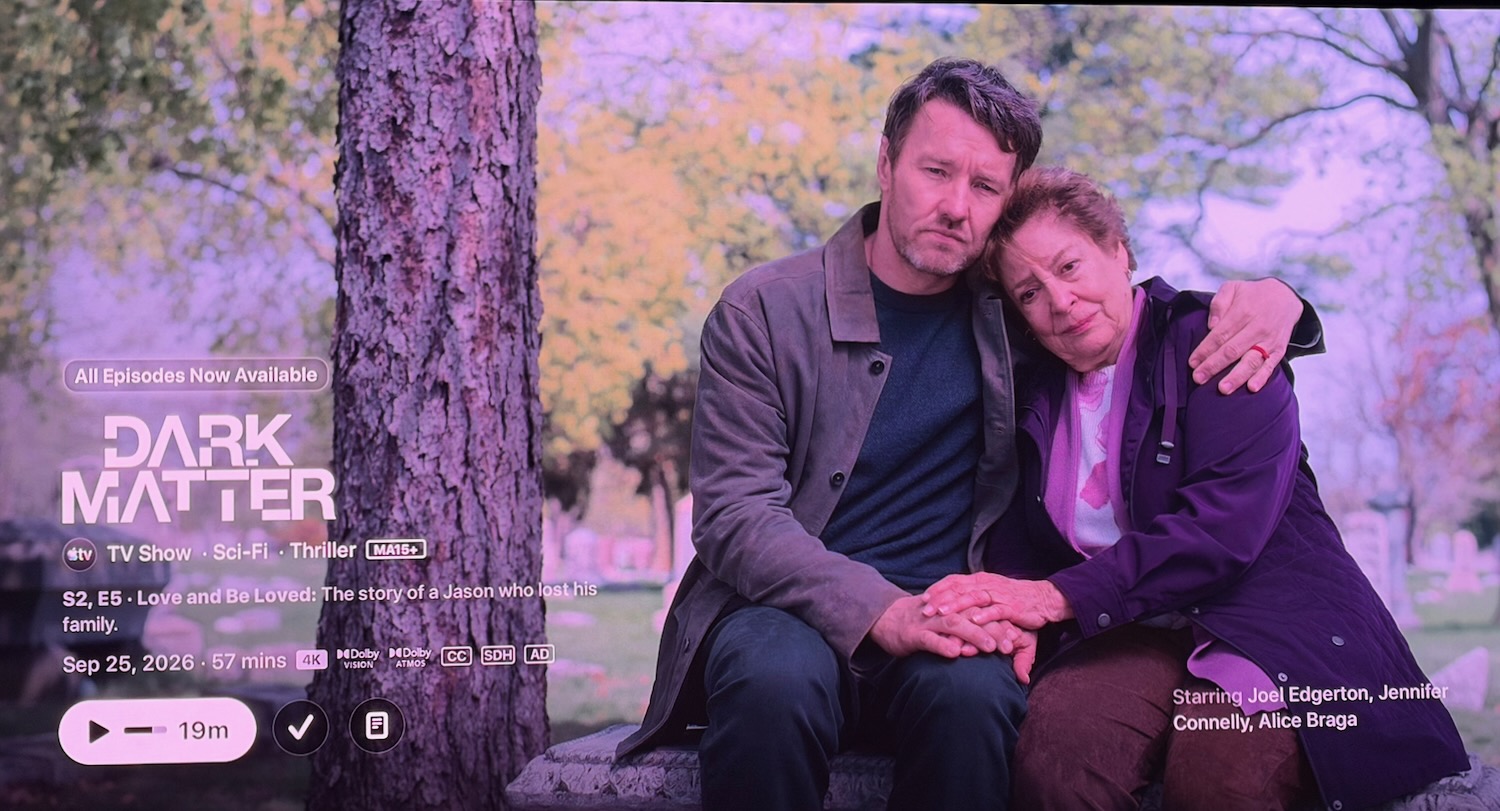
And the minute it was set up the quality was plain to see through the triple laser 4K projector system
We connected our Netflix and Apple TV accounts to showcase the XR10.
The first thing that struck us was the brightness. The 6,000 ANSI lumens brightness was unmistakable.
For our darkened theatre room it certainly was super bright but the advantage is that it could easily be viewed in high quality even during the day.
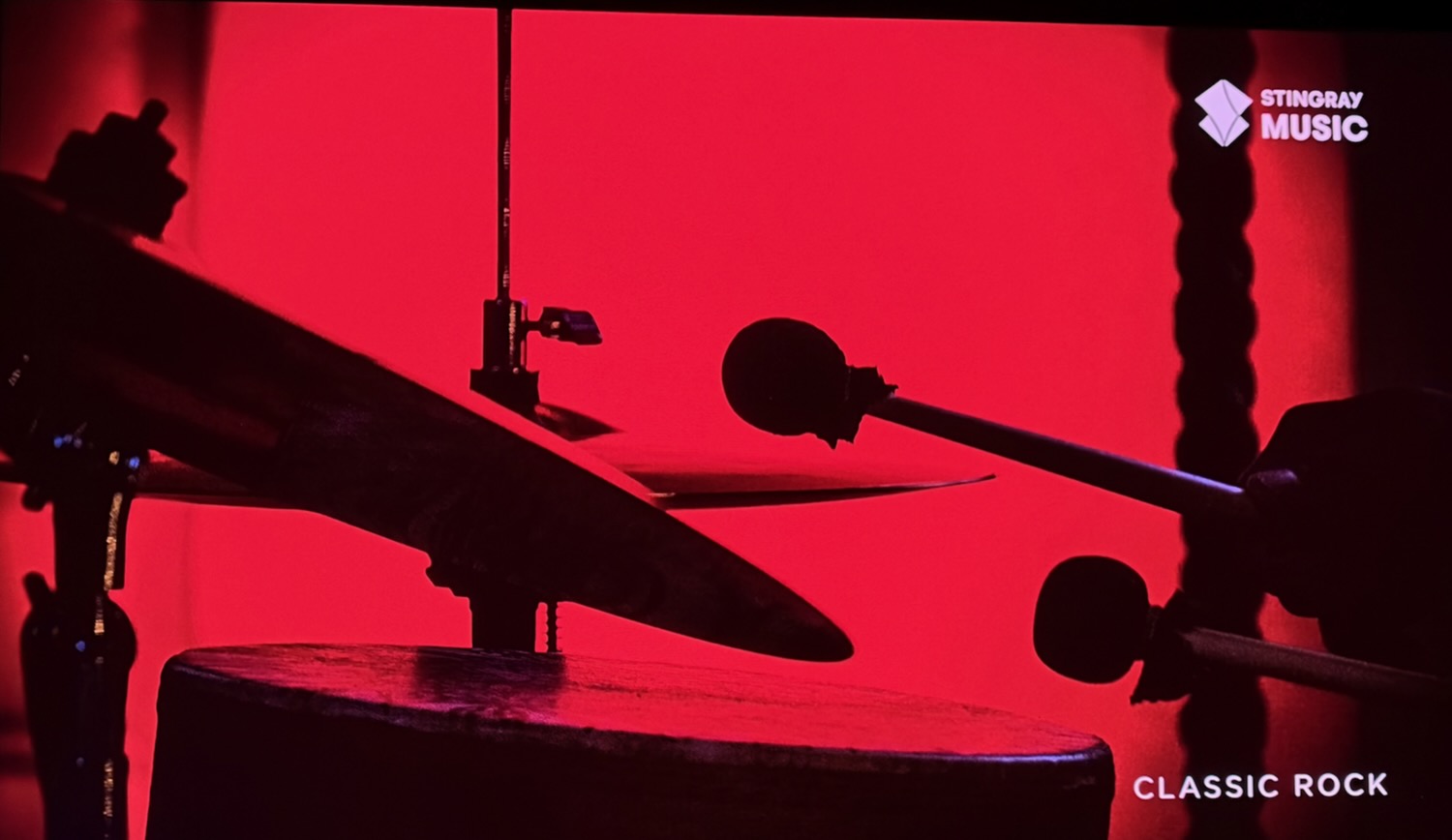
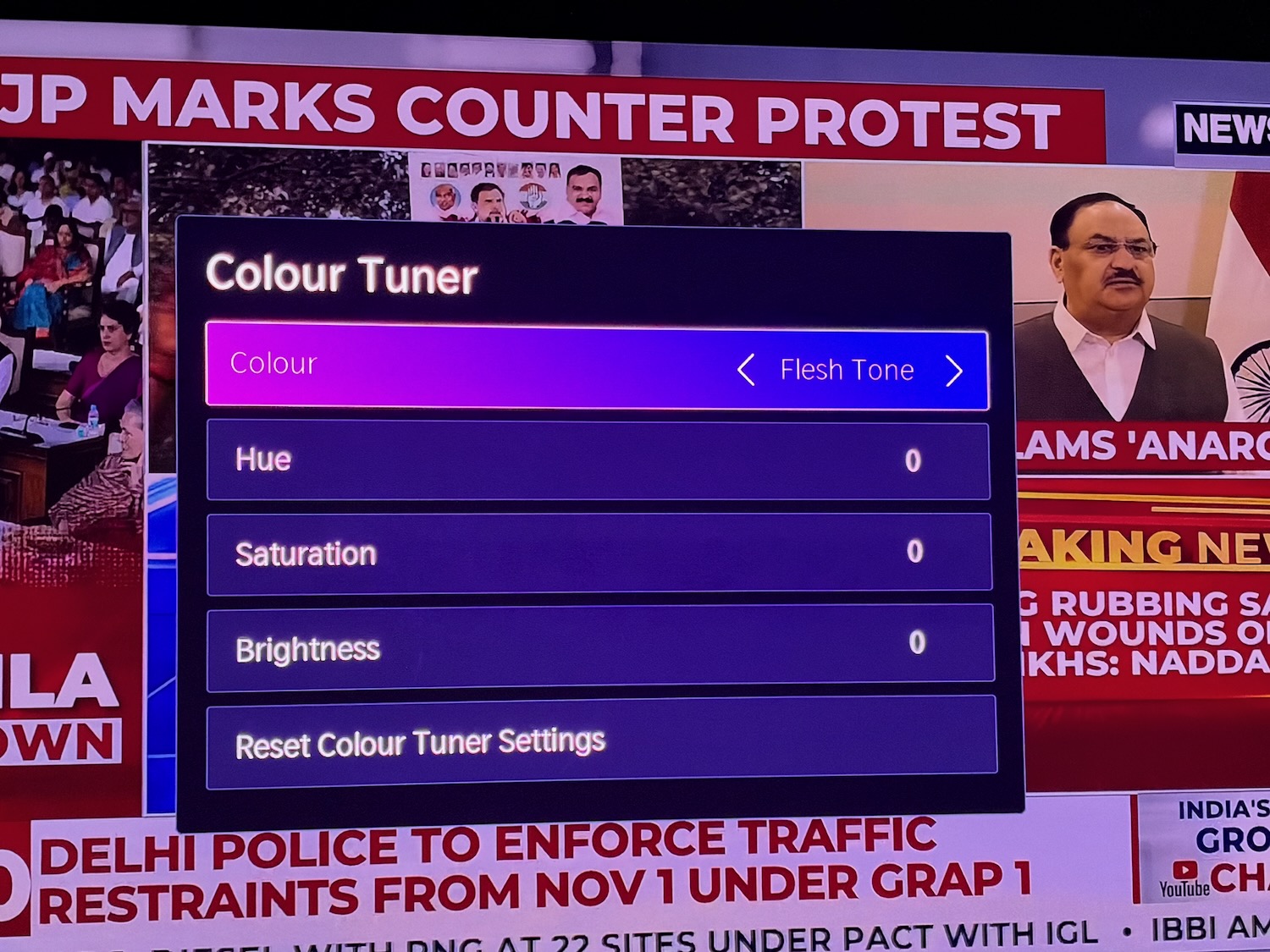
Now when it came to the colour, especially the reds, they were super bright and our first action was to dive into the settings to see what mode the projector was in.

There are several to choose from including Standard, Filmmaker, Cinema Day, and Cinema Night along with Dynamic.
Flicking between these modes really altered the character of the projector which means it will suit many tastes.
Viewers who prefer subtlety rather than glaring resolution and brightness may opt for Standard.
Others who prefer the more saturated brighter image may choose to go Dynamic.
Cinema Night for us proved to be a reasonable middle ground but we still tinkered with the brightness slightly to make it a little bit more conservative.

But there was no denying the crispness of the image and any content in 4K resolution really leapt off the screen.
The pure triple-colour laser really did the heavy lifting and was able to provide 118 per cent of the colour gamut and remarkable accuracy.
Contrast was also impressive at 6000:1 and up to 60,000:1 dynamic contrast really added to the depth of every scene.
It also achieved impressive deep blacks as well.
The XR10 also includes Dolby Vision and is compatible with HDR10, HDR10+, HLG, and HDR Vivid so you’re covered no matter where you’re watching your content.
There’s also AI at play here, with the XR10 automatically fine-tuning the colour, brightness, and sharpness in real time so you’re getting a more consistent image.
True movie lovers who want to watch the film as the director intended would probably opt out of the AI upscaling because it turns it into more of a digital medium than a film medium.
Purists, ourselves included, really enjoy the 4K resolution but we don’t think every object in the scene needs to be razor sharp to the point where it may look abnormal.
That was our only issue with the XR10 – it looked too perfect and too sharp at times.
We prefer a more natural approach to the content.
But that’s the beauty of this product: it can deliver these different outcomes to suit your taste. What I consider to be good picture quality, you might think is rubbish and vice versa.
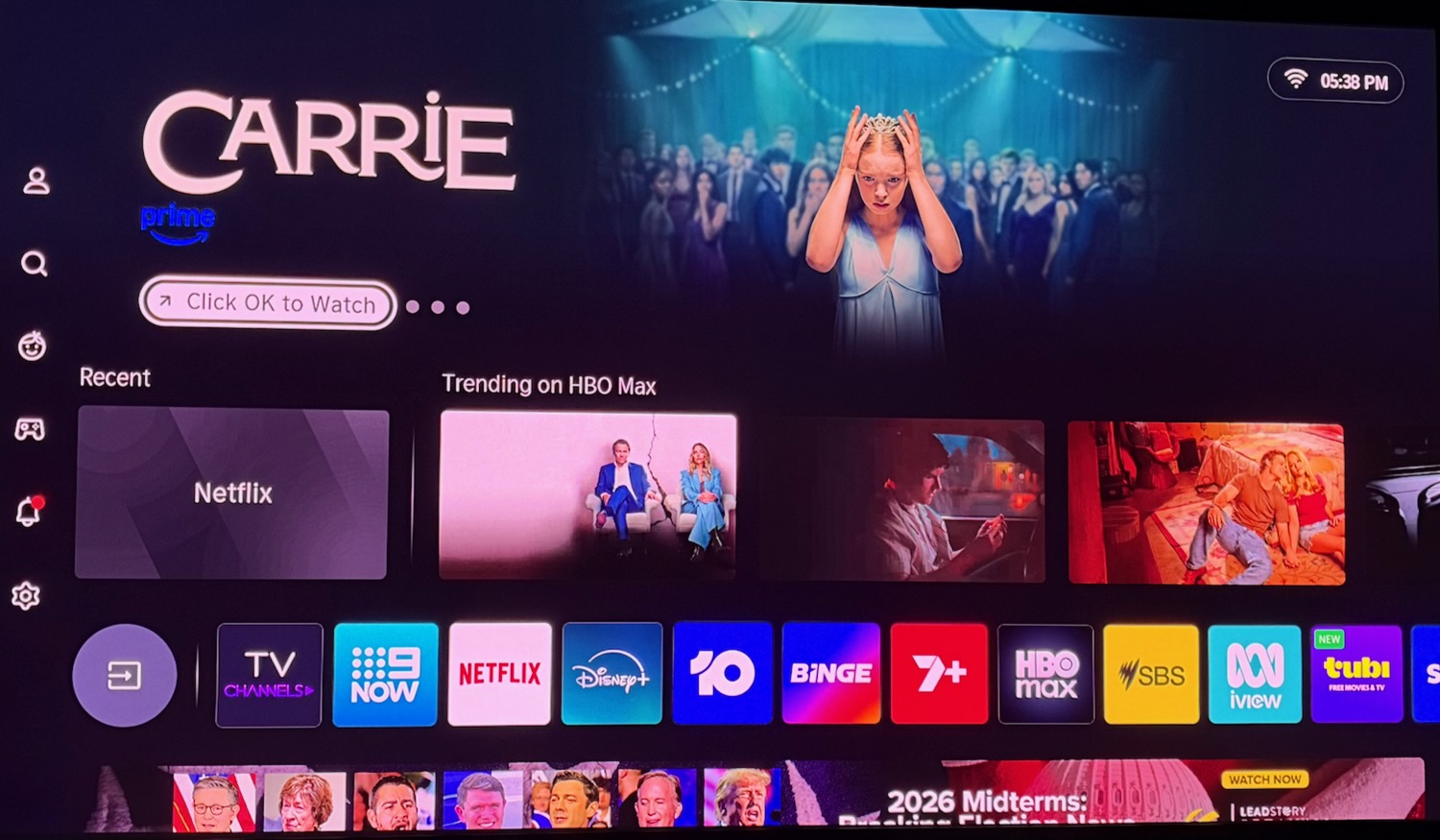
The XR10 has a mode and settings that will suit everyone.
On the audio side the speakers tuned by Devialet delivered great quality but despite it having Dolby Atmos, it still felt quite localised because all the sound was coming from the projector.
Our home theatre has speakers everywhere, including under the screen, so that we could hear the actors’ voices coming from the screen while hearing the directional sound.
Anyone who has set up a serious home theatre may have even prioritised the audio quality and set up speakers all around the room.
The Hisense XR10 can be integrated into a system with multiple speakers, which means the Devialet-tuned speakers will go to waste.
In fact, home theatre owners like us, usually opt for standalone projectors without speakers because the audio can be handled by the multiple speakers already positioned in the room.
But these projectors are also purely monitors, which means they also need to be paired with a receiver and other outputs to be able to access content like streaming services.
That’s the Hisense XR10’s biggest advantage: it is an all-in-one solution that can be set up to provide high-quality results and performance in any room of your home.
So with that in mind it would probably suit the user who is probably not focused on having a dedicated space but on wanting to turn any space into a high-performance viewing area.
The Hisense XR10 is priced at $999 and is available now.
VERDICT
The Hisense XR10 is an all-in-one home theatre system that provides stunning 4K resolution, amazing brightness, and impressive sound. All you need to do is aim it at a wall and get the popcorn ready.
