

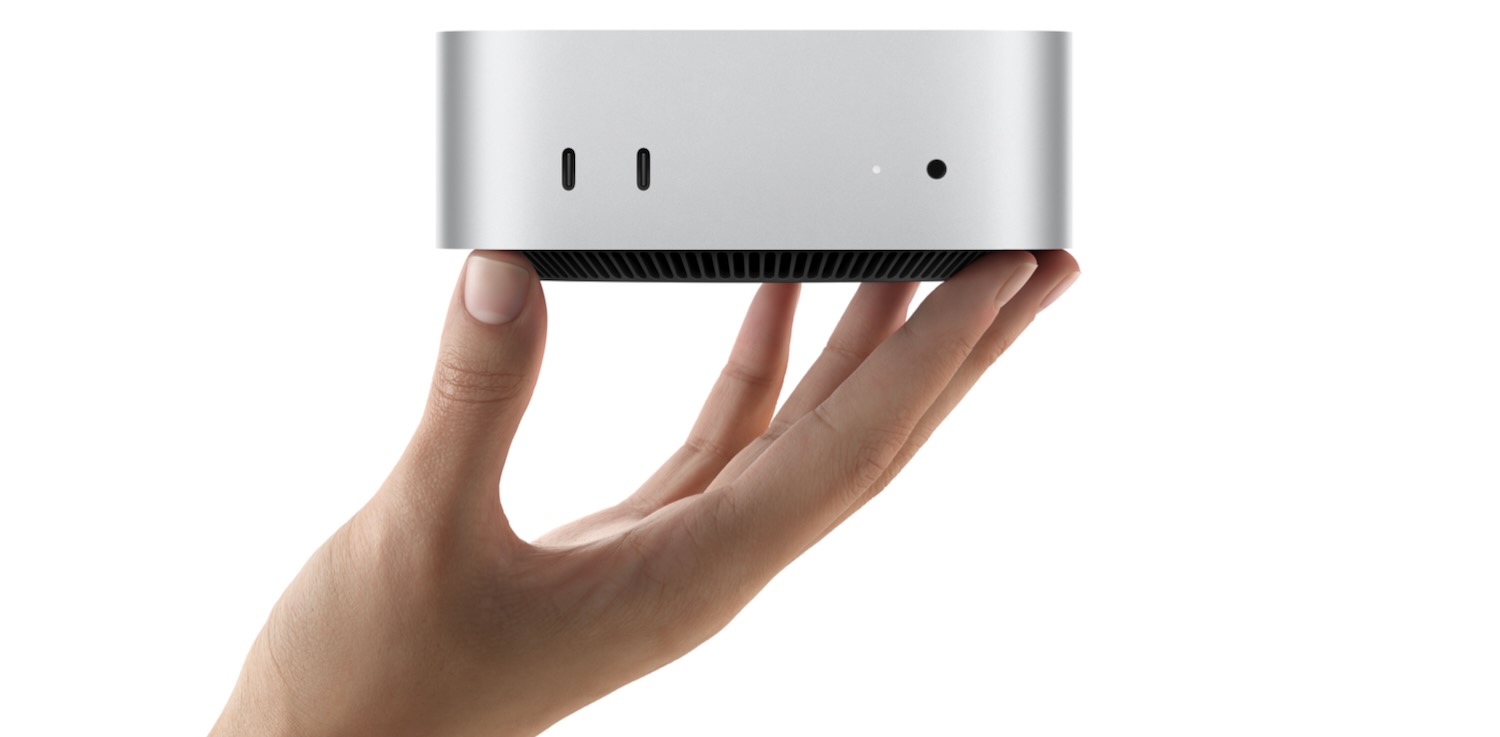


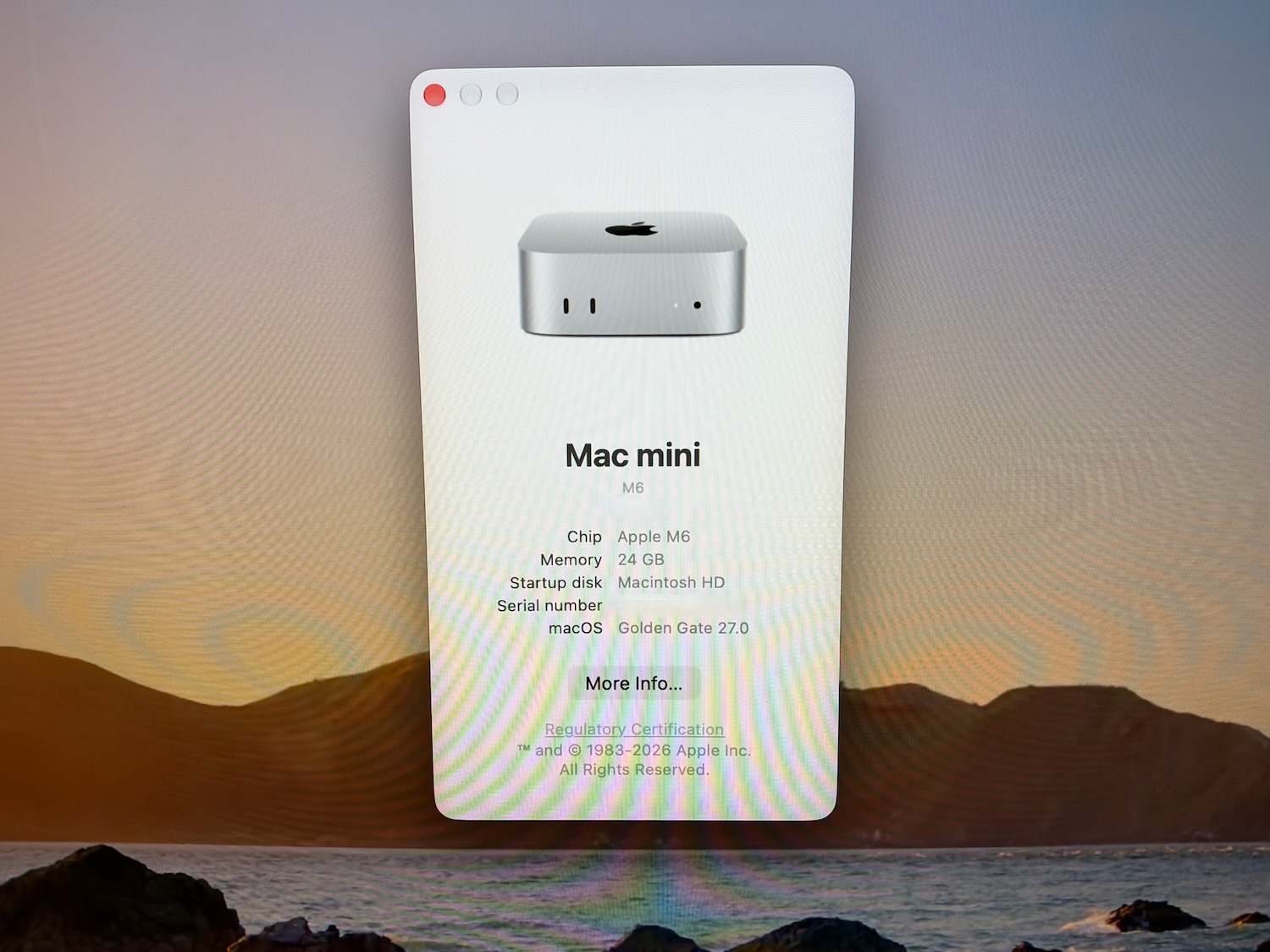
The Mac mini might look small but it offers a huge performance. And despite its compact dimensions it has been dramatically upgraded with Apple’s all-new M6 chip.
The M6 chip has more CPU and GPU cores, neural accelerators and the all-new dual 16-core neural engine which all adds up to a solid leap in performance for day-to-day tasks and AI workflows.
It’s possible to set up the Mac mini as a standalone computer to run AI agents and LLMs (large language models) locally on the system.
What makes that prospect even more attractive is the fact the Mac mini is a standalone headless computer. Headless means it doesn’t have a monitor or a keyboard.
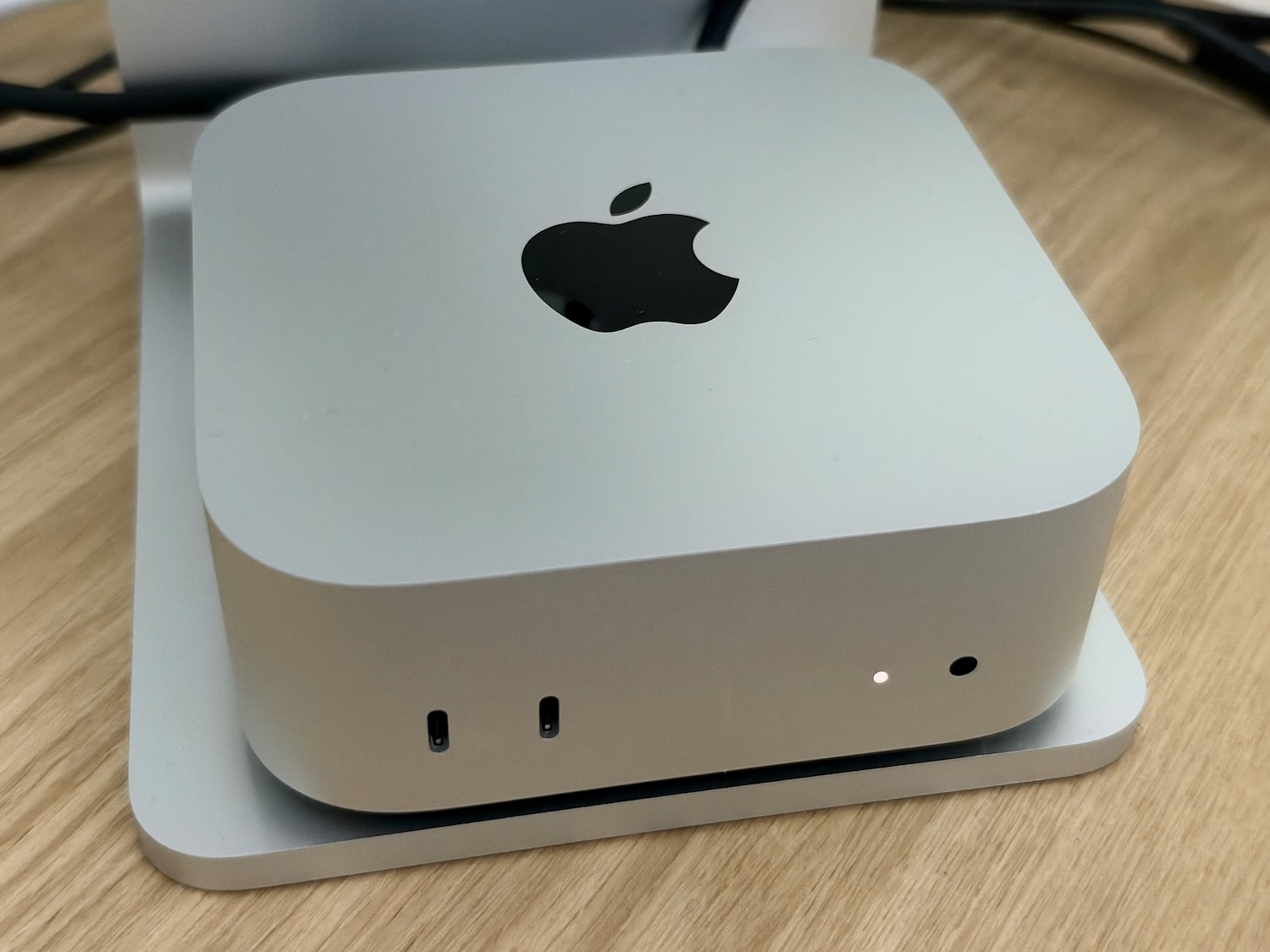
Users can either BYO the monitor and keyboard or access the computer remotely if it’s being used for AI work.
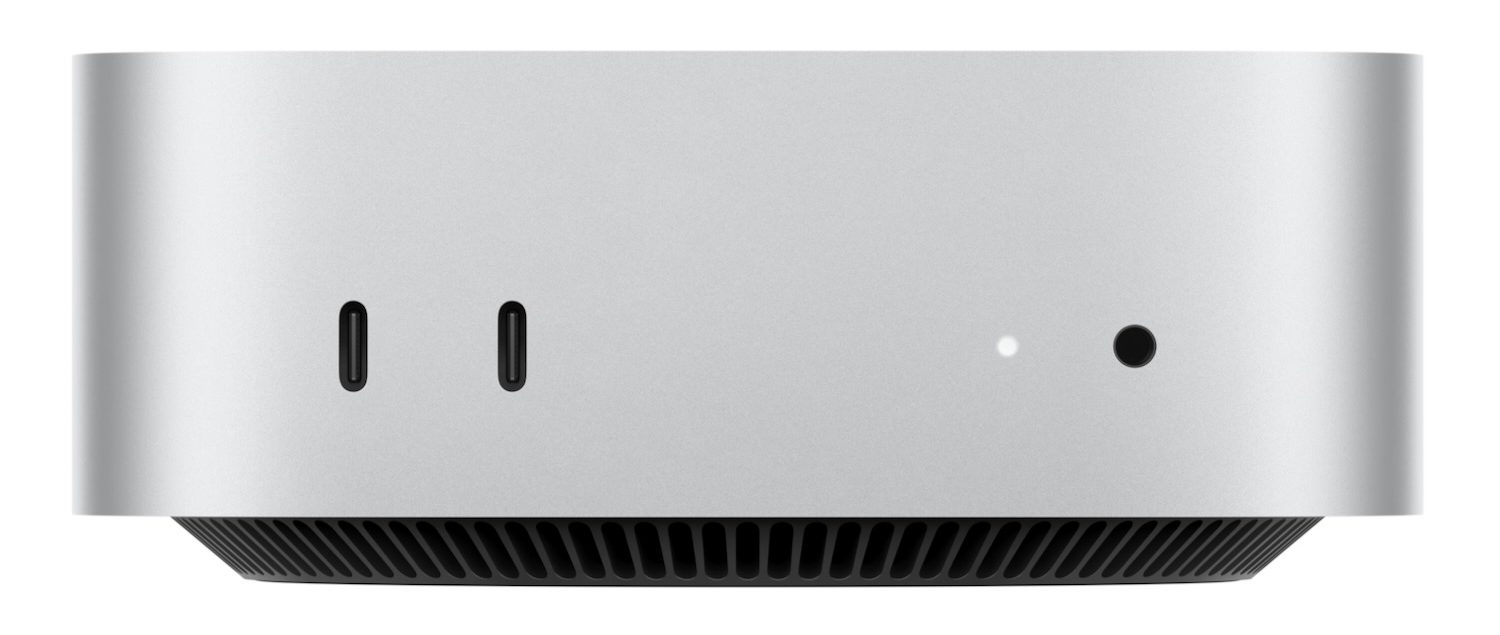
Design-wise, the Mac mini is the same as the previous model released two years ago – 12.7 cm by 12.7 cm so it has quite a small footprint.
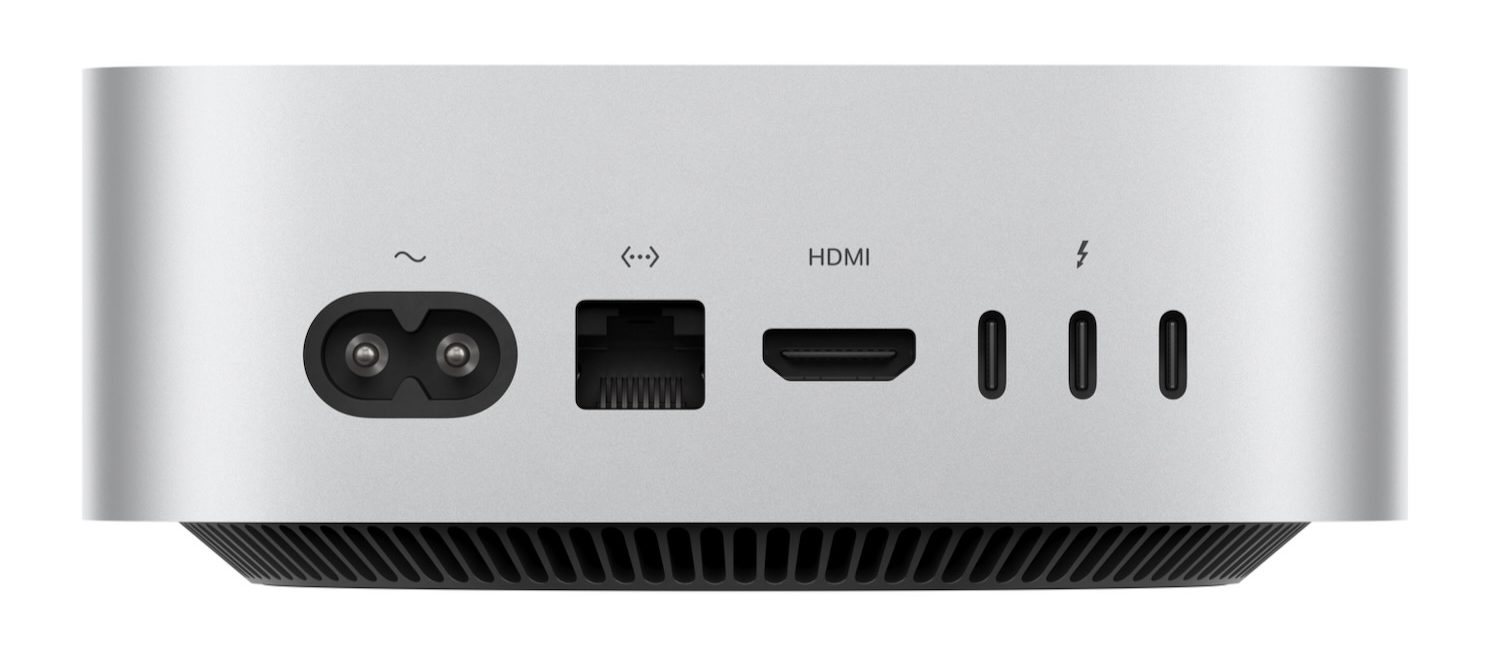
There are three Lightning ports, an HDMI port and an Ethernet port on the back, and two USB-C ports on the front.
And it has the same thermal architecture with air flowing in from the bottom of the unit to keep things cool at different levels of the system.
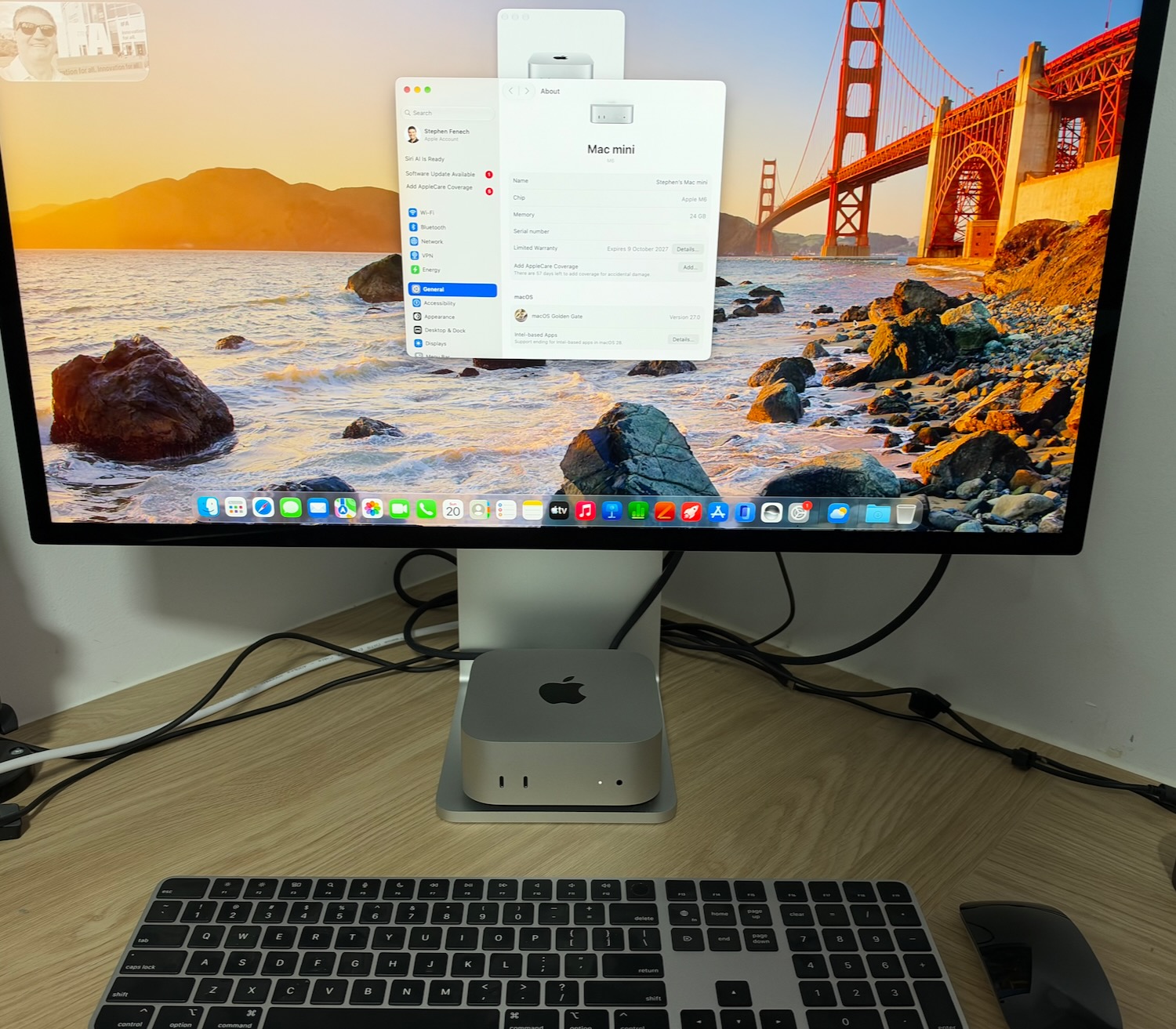
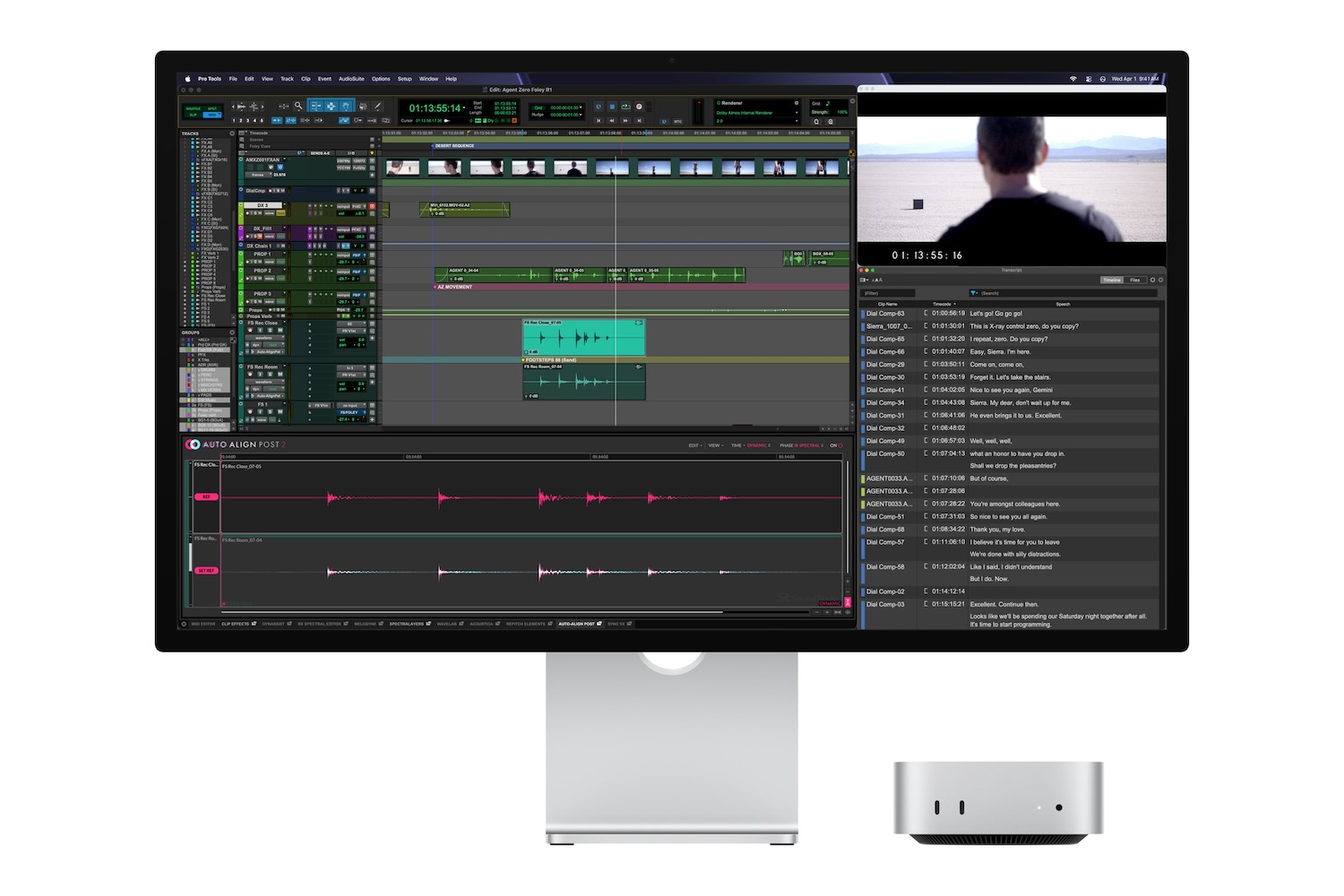
For our review we paired up the Mac mini with the Apple Studio Display, which has a 27-inch 5K Retina screen with 600 nits of brightness.
The Studio Display has two Thunderbolt 5 ports and two USB-C ports itself so it is basically a high-speed hub.
We also used the Magic Keyboard with Touch ID and numeric keypad and the Magic Mouse.
The latest Mac mini ran 4.6x faster than the M1 Mac mini with up to 15.9x faster graphics.
The faster CPU really jacks up performance to handle demanding tasks like photo and pro-level video editing.
On the graphic side the added speed offers hardware-accelerated ray tracing for faster 3D renders and more realistic graphics.
But the neural accelerators are where the action’s at in the GPU.
It offers higher unified memory bandwidth, which is a huge help to accelerate on-device AI processing.
For productivity the Mac mini with M6 is 2.3x faster when calculating spreadsheets in Excel, 3.2x faster in image processing performance in Affinity 10.3x faster rendering with ray tracing in Blender.
And LLM prompt processing is 13.5x faster than the Mac mini with M1 and 2.8x faster than the Mac mini with M4.
Naturally a lot of these examples are the extremities of performance so it can easily handle our day-to-day workflow and any other demanding tasks that we throw at it.
But it’s good to know that when you need to push it, the power is there to get things done.
And it’s all packed into this tiny unit which offers the sort of performance that is more than enough to handle anything a regular user would want.
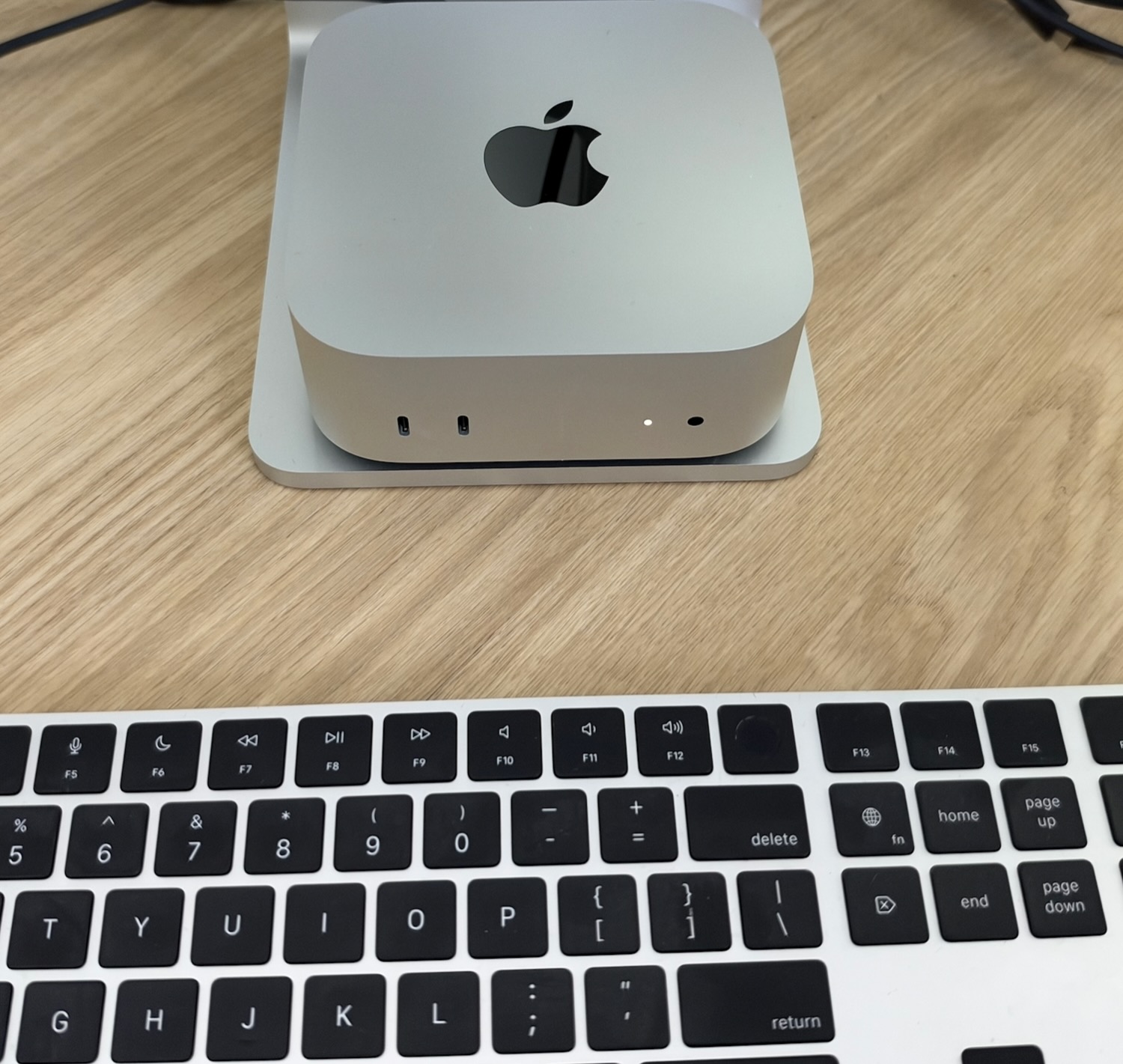
Also onboard is WiFi 7 and Bluetooth 6. But it still doesn’t have an SD card slot. Plenty of room for it on the front.
The Mac mini with M4 was $999 when it went on sale in November 2024.
With the current situation with the memory and storage shortage, that starting price with the M6 is now $1,449. That’s a $450 price increase.
Apple’s also released the M5 Pro chip and despite having a lower number in the title, it is even more powerful than the M6.
It is also more expensive at $2,699 that its predecessor mac mini with M4 Pro, which started at $2,199.
But the Mac mini with M6, even at this higher price, does have noticeably greater performance and is still worth the investment.
VERDICT
The Mac mini with M6 is a powerhouse that can handle everything from day-to-day tasks to heavy-duty AI work. It’s an ideal choice for users who want to not only meet their day-to-day computing needs but also be able to handle larger jobs and complex AI agentic tasks as well.
- RATING
The Mac mini with M6 is a powerhouse that can handle everything from day-to-day tasks to heavy-duty AI work. It's an ideal choice for users who want to not only meet their day-to-day computing needs but also be able to handle larger jobs and complex AI agentic tasks as well.
