

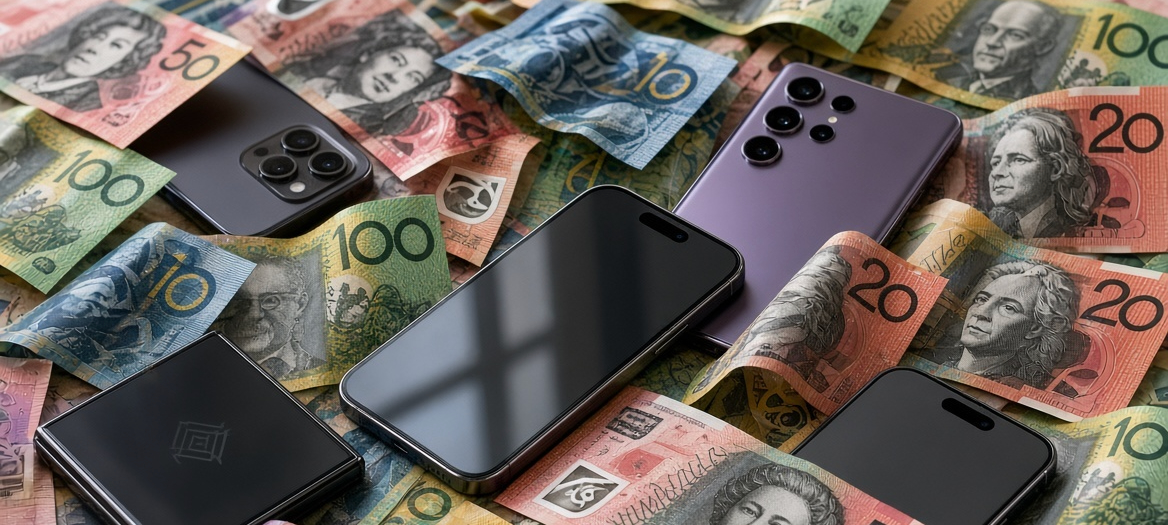


When it comes to smartphones Australians have expensive taste. Research from analyst firm Telsyte shows more than half of all smartphones sold in Australia in the first half of 2026 were priced above $1,000, with one in five priced at over $2,000.
The Telsyte Australian Smartphone & Wearable Devices Market Study 2026 found total smartphone sales had hit 3.87 million units in the first half of 2026.
That’s a one per cent increase year on year, with the premium segment growing by 10 per cent over the past two years.
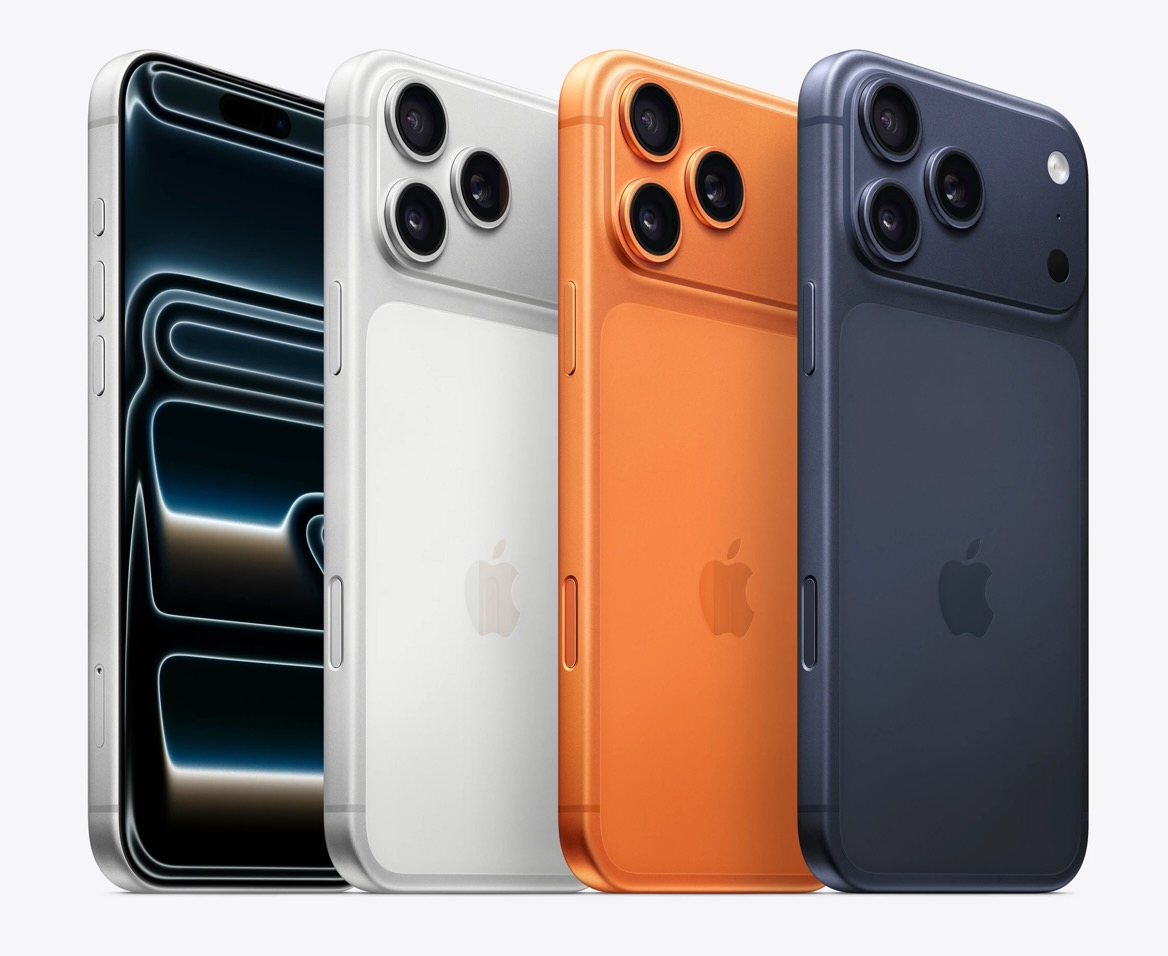
Apple closed in on total Android smartphone sales with 49.4 per cent. That’s up 7 per cent with Android volume dropping 5 per cent year on year.
Telsyte says iPhone buyers have made their purchases earlier to avoid the expected price rises for the iPhone 18 range.
The top three smartphone sellers are Apple, Samsung, and Motorola.
Motorola pipped Oppo to third place by a slim margin and the companies have traded places between third and fourth many times in the past two years.
The surge in sales in the first half of the year are also the result of more inventory brought into Australia ahead of rising memory and component prices.
Before the end of 2026, Telsyte forecasts 8.4 million smartphones will be sold in Australia – that’s down 3 per cent year on year.
Telsyte expects demand in the premium tier to stay strong with consumers looking to future-proof their next device and hold onto it even longer.
Our average smartphone replacement cycle has come down to 3.4 years – down from the peak of 3.9 years at the end of 2023.
But budget customers hold on to their smartphones twice as long as ultra-premium buyers which reveal the most active upgraders are at the top of the market.
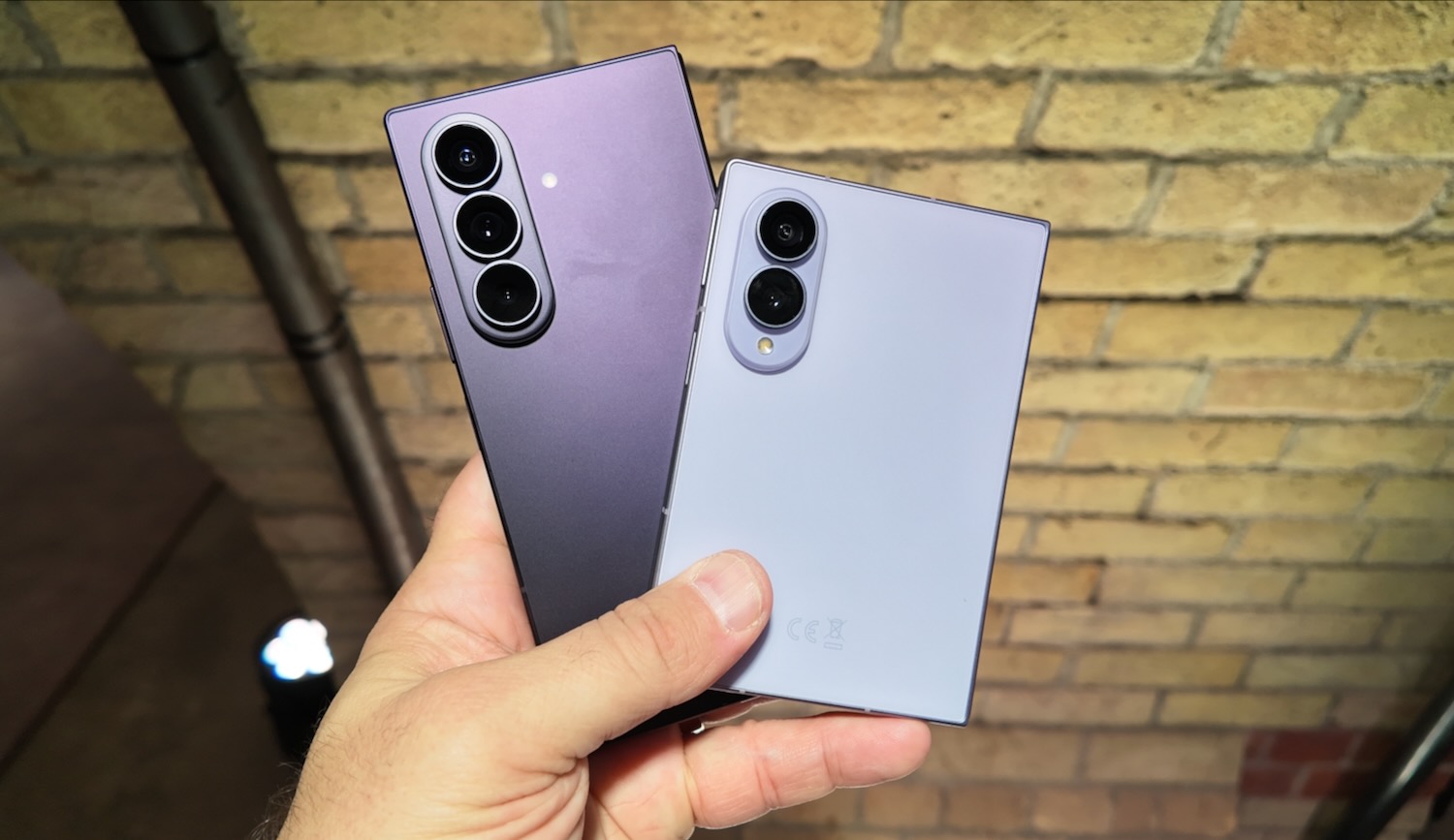
It is this segment that opts for premium devices, onboard AI and new form factors, including foldables.
Apple and Samsung are leading the premium and ultra-premium tiers with the closest competition in this segment coming from other brands like Oppo, Google, Motorola, Nothing, and Honor.
Telsyte found that despite the economy, cost of living pressures and the rise of the refurbished smartphone market, 85 per cent of customers still prefer to purchase a brand new device.
They were able to afford this by either switching brands or choosing the previous year’s flagship models.
More than 11 million Australian users have devices with integrated AI that helps them with writing and photo editing all the way through to live translation.
One in three customers said their next smartphone must include AI features with battery life, performance and storage the other main considerations.

The foldable smartphone now makes up 5 per cent of annual smartphone sales but is still yet to be considered a mainstream device.
With Apple due to enter the foldable market, Telsyte believes this will fast track that segment among customers.
One third of current iPhone customers said they would consider a foldable iPhone.
That sentiment rises to 46 per cent among users of the most recent iPhones, iPhone 15, 16, and 17 Pro series.
Telsyte says pricing of Apple’s foldable will be at a premium up to 40 per cent above the price of the iPhone Pro Max, which will place it in the ultra-premium tier – the strongest growth segment in today’s market.
Samsung is expected to maintain market leadership with its broadest range of foldable devices ever, including the new passport-shaped Galaxy Z Fold8.
Smart wearables have also remained popular with more than 800,000 sold in the first half of 2026 – that’s an 8 per cent drop year-on-year as the category reaches maturity and customers tighten their belts.
Apple, Samsung and Garmin lead the wearables category with smart watches accounting for more than 70 per cent of sales.
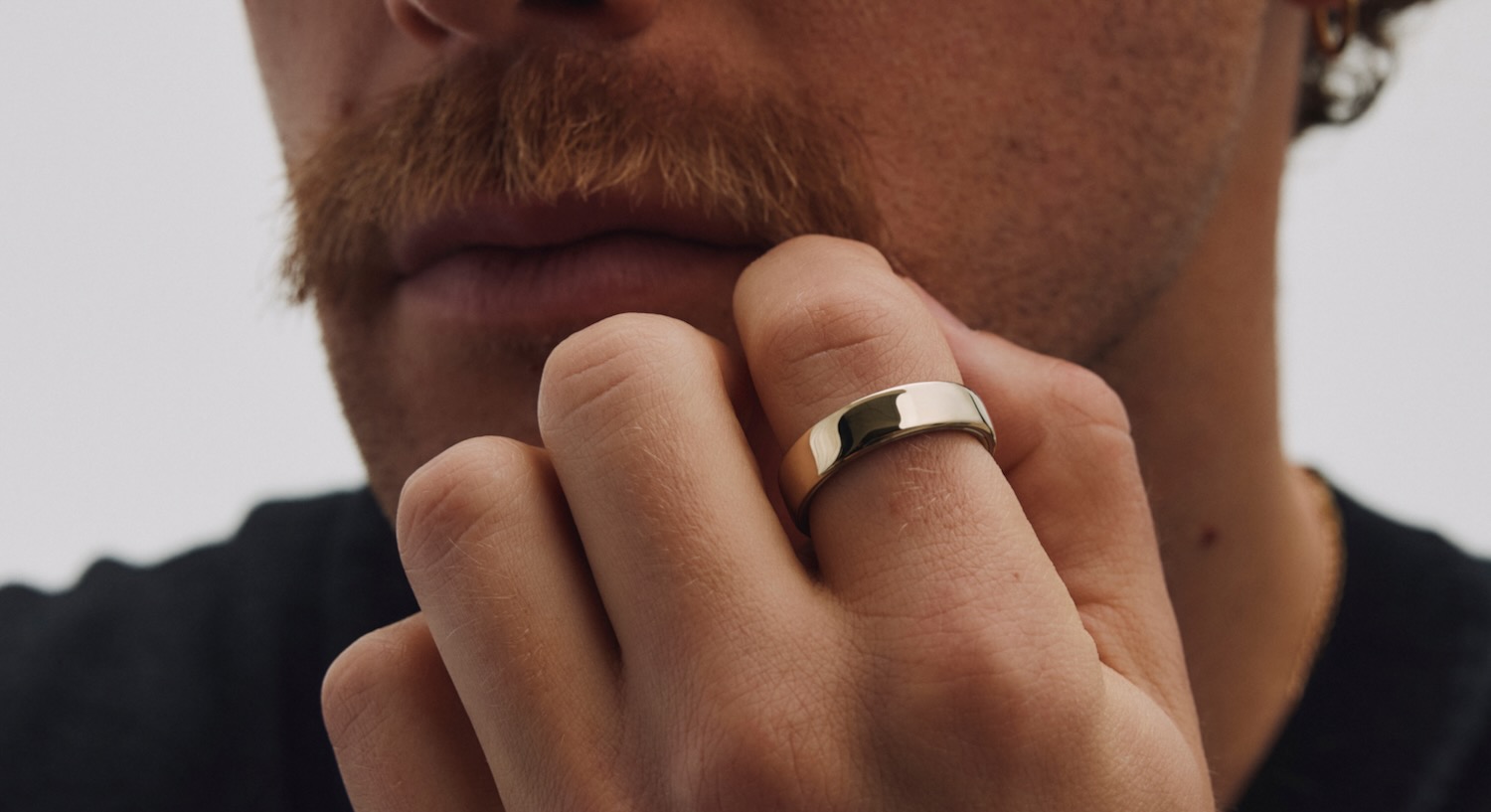
Smart ring adoption is still quite low with less at 5 per cent.
But interest sits at over a quarter (29 per cent) reflecting the steady demand for fitness and health tracking wearables.
Smart glasses are a similarly small part of the market but well ahead of smart rings.
Two-thirds of respondents said they would consider a pair while two-thirds of current owners opting for Meta’s AI glasses, including Ray-Ban and Oakley branded models.
The motivations behind these purchases are hands-free photo and video capture (28 per cent), real-time information about what they see (23 per cent) and reduced phone usage (22 per cent).
