

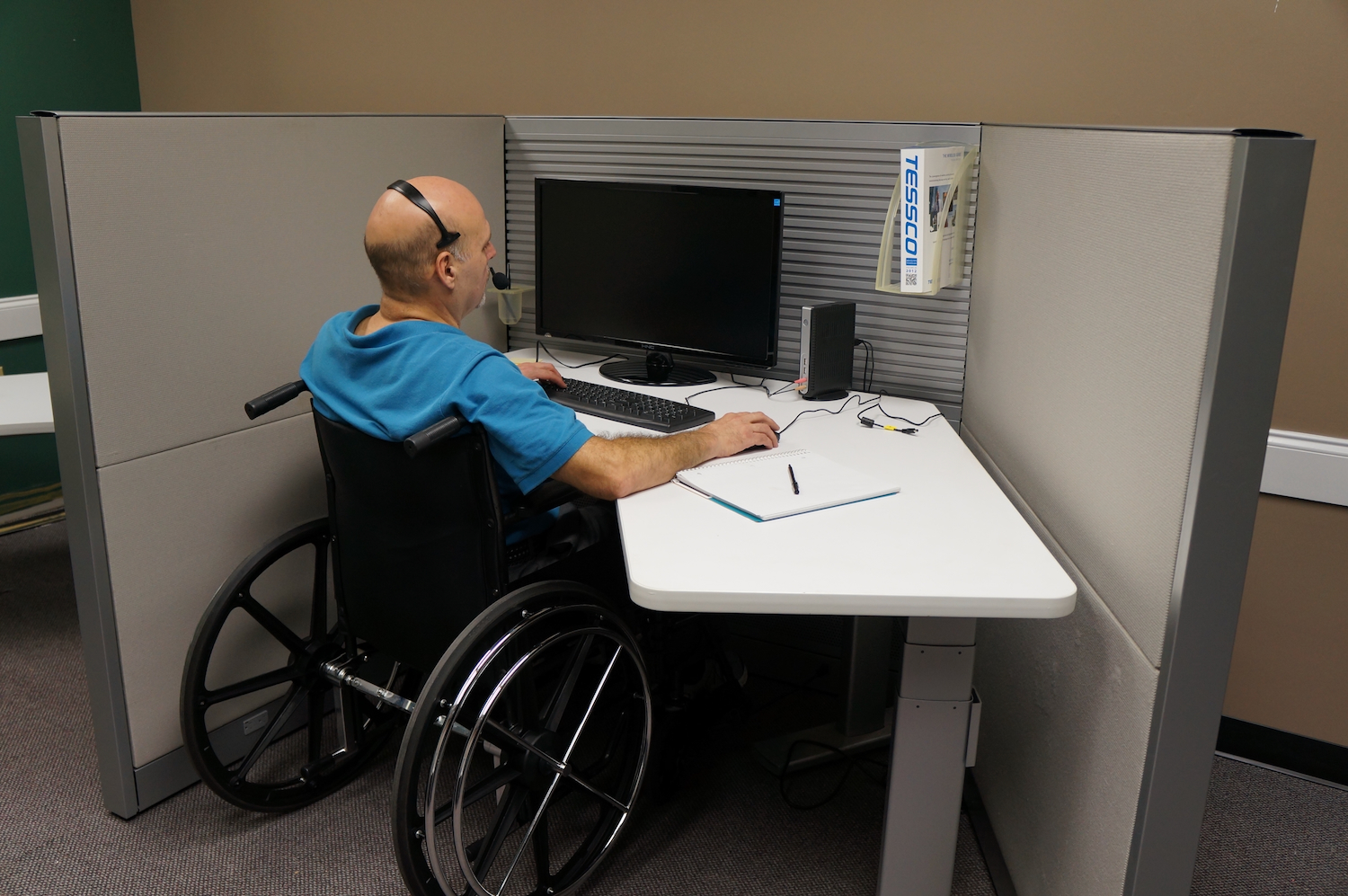


Living in specialist disability accommodation should feel like home. Modern residential design combined with digital systems gives people with disabilities greater choice in how they navigate their routines.
Simple touch controls, automated doors, and voice assistants allow residents to manage their environment on their own terms. These tools eliminate daily hurdles, offering residents confidence and comfort in their personal space.
Tailored Living Solutions for Daily Independence
Finding suitable housing requires careful attention to accessibility features and personal care needs. For people seeking accessible housing in Western Australia, experienced SDA providers in Perth can help identify homes designed to support greater independence and everyday comfort. Specialized properties offer custom layouts that help residents manage tasks.
Smart lighting systems adjust brightness depending on the time of day, helping maintain natural circadian rhythms and reducing eye strain. Voice-activated blinds allow individuals with limited upper body mobility to control privacy effortlessly at any hour. Automated climate control keeps indoor temperatures at ideal levels, which supports individuals who struggle with natural thermal regulation during seasonal changes.
Growing Access to Specialized Accommodation
The demand for specialized housing continues to rise across the country as more individuals receive funding approvals. Approximately 18,400 individuals had specialist disability accommodation in their plan, representing about 2.4% of all National Disability Insurance Scheme participants. This change highlights how important targeted housing options are for community inclusion.
With greater numbers accessing these plans, building standards have shifted toward integrating digital infrastructure right from the design stage. Purpose-built properties now feature built-in wiring for ceiling hoists, automated entry systems, and backup power units for medical equipment. Having these features installed during construction reduces future modification costs and creates a living experience for all occupants.
Moving Beyond Institutional Housing Models
Traditional group homes felt clinical, lacking personal choice and modern creature comforts. Modern specialist disability accommodation properties are purpose-built, participant-led, technology-enabled, and lifestyle-focused. Residents now have complete agency over their personal environment, matching home settings to their individual habits. Key elements driving this transformation include:
- Automated door openers that unlock via smart badges or smartphone apps
- Voice-activated environmental controls for light, sound, and room temperature
- Motorized kitchen counters that adjust height for wheelchair accessibility
- Integrated safety sensors that alert emergency contacts if a fall occurs
Physical additions turn living spaces into places of real comfort. Individuals can entertain guests, prepare meals, and enjoy personal privacy with no need to support workers standing by constantly.
Measurable Value of Assistive Automation
Investing in assistive technology delivers benefits that far exceed the initial financial outlay. Every dollar invested in home automation for Australians with disabilities generates over $15 in social return. This return appears in improved mental wellbeing, increased personal independence, and reduced demand for full-time support staff.
Smart sensors monitor water leaks, smoke detection, and stove usage, preventing household accidents before they occur. Notifications are routed to family members or care teams if regular daily routines change unexpectedly. Proactive measures keep residents safe in their living environments and preserve their dignity and independence.
Smart devices have transformed disability housing from clinical care spaces into modern homes. When individuals control their lighting, entry doors, and climate settings, they gain true ownership of their personal space. Participant-focused housing will offer even greater autonomy for Australians living with disabilities.
