

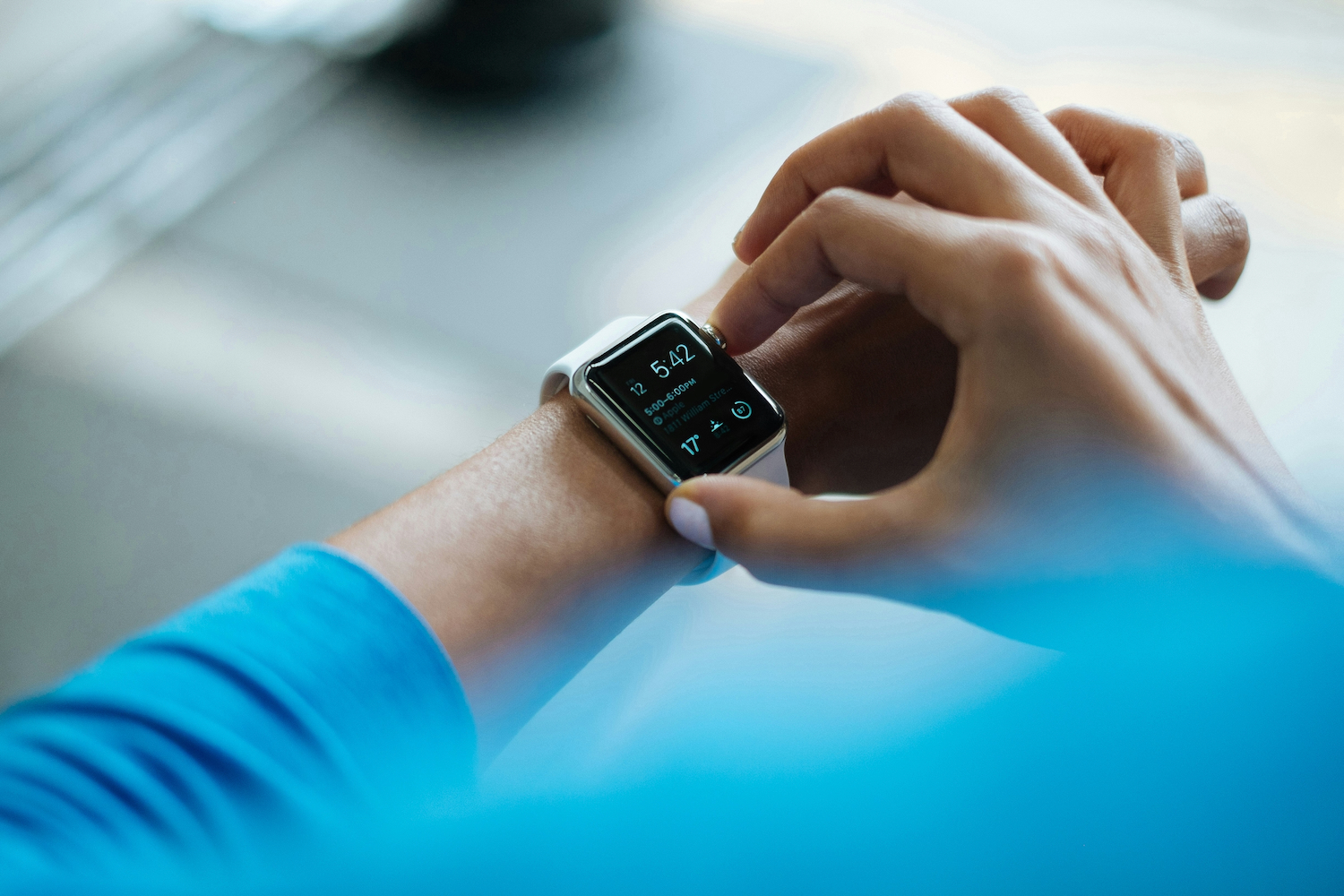


Wearable technology has changed the way people understand, manage, and improve their personal health. What started as simple step counters has now become a powerful health companion on the wrist.
Today, smartwatches and fitness trackers can monitor heart rate, sleep quality, stress levels, workouts, blood oxygen, calories, and daily activity patterns. As more people become aware of their health, wearable devices are playing a major role in helping them make smarter lifestyle choices.
In a fast-paced world where many people struggle to balance work, fitness, sleep, and mental well-being, wearable technology offers real-time insights that were once only available through medical equipment or professional testing. Whether someone is trying to lose weight, improve athletic performance, sleep better, or simply stay active, modern fitness watches provide useful data that supports healthier daily habits.
The Rise of Wearable Health Technology
Wearable technology has become popular because it makes health tracking simple and accessible. Instead of guessing how many calories you burned or how well you slept, a smartwatch can provide detailed information within seconds. Devices like the Mibro GS Explorer S and Mibro GS Pro 2 show how advanced and user-friendly wearable technology has become for everyday users.
These devices are no longer just fashion accessories. They are practical tools that help people stay informed about their bodies. From tracking outdoor adventures to monitoring daily wellness, modern wearables are designed to support a healthier and more active lifestyle.
The best part is that users do not need to be fitness experts to benefit from them. Wearable devices collect data automatically and present it in an easy-to-understand format. This makes personal health management more convenient for beginners, athletes, busy professionals, and older adults alike.
Real-Time Health Monitoring
One of the biggest advantages of wearable technology is real-time health monitoring. Many fitness watches can track heart rate throughout the day, allowing users to notice changes during rest, exercise, stress, or sleep. This information can help people better understand how their body responds to different situations.
For example, a higher resting heart rate may encourage someone to rest more, reduce stress, or improve their fitness routine. During workouts, heart rate tracking helps users stay in the right training zone, making exercise safer and more effective.
Some wearable devices also monitor blood oxygen levels, breathing patterns, and stress indicators. While these features should not replace professional medical advice, they can encourage users to pay closer attention to their health and seek help when something feels unusual.
Encouraging Daily Physical Activity
A major reason people buy fitness watches is to stay active. Many individuals spend long hours sitting at desks, driving, or using screens. Wearable technology helps solve this problem by reminding users to move, stand, walk, or stretch during the day.
Simple features like step tracking, activity goals, and movement reminders can make a big difference. When users see their daily progress, they often feel motivated to walk more, take the stairs, or complete a workout. This creates a positive cycle of movement and achievement.
Fitness watches also support different workout modes such as running, cycling, hiking, swimming, walking, and strength training. This makes it easier for users to track specific exercises and measure improvement over time. Whether someone is training for a marathon or simply trying to be less sedentary, wearable devices provide encouragement and accountability.
Better Sleep Tracking and Recovery
Good health is not only about exercise. Sleep plays a vital role in energy, mood, productivity, immunity, and overall wellness. Unfortunately, many people do not get enough quality sleep. Wearable technology helps users understand their sleep habits by tracking sleep duration, sleep stages, interruptions, and overall rest quality.
By reviewing sleep data, users can identify patterns that may affect their rest. For example, they may notice that late-night screen time, caffeine, stress, or irregular bedtimes reduce sleep quality. Once they understand these habits, they can make small changes that lead to better recovery and improved daily performance.
Advanced fitness watches can also help users recognize whether they are overtraining or not recovering properly. This is especially useful for athletes and active individuals who need to balance workouts with rest.
Supporting Mental Wellness
Modern wearable technology is also improving mental health awareness. Many smartwatches now include stress tracking, breathing exercises, relaxation reminders, and mindfulness features. These tools help users pause during a busy day and focus on calming their mind.
Stress can affect sleep, heart health, digestion, focus, and emotional balance. Wearable devices cannot eliminate stress, but they can help users become more aware of it. When a device shows elevated stress levels, it may encourage the user to take a short walk, breathe deeply, drink water, or step away from a stressful situation.
Over time, these small actions can support better mental wellness and healthier routines.
Personalized Fitness and Health Goals
Another way wearable technology improves personal health is through personalization. Everyone has different fitness levels, health goals, and daily routines. A good wearable device allows users to set goals based on their own lifestyle.
For example, someone may want to walk 8,000 steps a day, burn a certain number of calories, improve sleep, or increase weekly workout time. Fitness watches help track these goals and show progress clearly. This makes health improvement feel more realistic and achievable.
Personalized data also helps users make better decisions. Instead of following random fitness advice, they can use their own activity, sleep, and recovery information to adjust their habits.
Helping Users Stay Consistent
Consistency is one of the hardest parts of staying healthy. Many people start a fitness plan but lose motivation after a few weeks. Wearable devices help solve this by making progress visible.
Daily reminders, goal celebrations, workout records, and health summaries keep users engaged. Seeing improvement over time can be highly motivating. Even small achievements, such as completing a step goal or improving sleep quality, can inspire users to continue.
This is why fitness watches have become popular among people who want long-term lifestyle improvement rather than short-term results.
Wearables for Outdoor and Active Lifestyles
For people who enjoy outdoor activities, wearable technology is even more valuable. Devices like the Mibro GS Explorer S are designed for users who want reliable tracking during outdoor adventures, workouts, and everyday activity. Features such as sports modes, durable design, and health monitoring make wearables useful for both fitness and lifestyle needs.
Similarly, the Mibro GS Pro 2 reflects how modern smartwatches combine style, performance, and wellness features in one device. These types of wearables are ideal for users who want a balance between smart functions and health tracking.
As wearable technology continues to improve, more people can enjoy advanced health features without needing complicated equipment.
The Future of Personal Health Tracking
The future of wearable technology looks very promising. As sensors become more accurate and software becomes smarter, fitness watches will provide even deeper insights into personal health. Artificial intelligence, improved battery life, advanced tracking features, and better app integration will make wearables more useful than ever.
In the coming years, wearable devices may help people detect early warning signs, manage chronic conditions, improve fitness programs, and communicate health data more easily with professionals. While they will not replace doctors, they can become an important part of preventive health care.
Conclusion
Wearable technology is improving personal health by making wellness tracking easier, smarter, and more personalized. From heart rate monitoring and sleep tracking to stress management and fitness motivation, modern fitness watches help users take control of their daily habits.
Devices such as the Mibro GS Explorer S and Mibro GS Pro 2 show how wearable technology is becoming more advanced, practical, and accessible. Whether someone wants to exercise more, sleep better, manage stress, or understand their body, wearable devices offer valuable support.
In today’s health-conscious world, fitness watches are more than digital gadgets. They are personal wellness partners that encourage better choices, greater consistency, and a healthier lifestyle.
