



Whenever you tap your card, stream a show, or pull up a file from the cloud, you’re kicking off a chain reaction. It feels instant, but behind that screen, a team of powerful computers is working in concert. We call them servers. A common misconception is that one giant ‘supercomputer’ handles everything.
The reality is far more intricate and resilient. Modern technology runs on networks of servers collaborating seamlessly, and the way they communicate is the secret sauce to the digital world we rely on every day. Let’s break down how this digital teamwork happens.
The Server: A Hyper-Efficient Specialist
Let’s picture a single server as a hyper-efficient archivist. Its sole purpose is to store, manage, and deliver information or applications when called upon. When you load a website, a web server finds and presents the page. An email server, on the other hand, handles routing your messages. Each one is a specialist, kitted out with the right processing power, memory, and storage for its job. But what happens when that specialist gets a thousand requests at once? Like any lone worker, it gets overwhelmed, performance grinds to a halt, and things can break.
The Physical Link: A Server’s Lifeline
For a team of servers to function, they need to talk to each other—instantly and without interruption. This dialogue happens over a physical network, the data centre’s nervous system, and its quality is non-negotiable. Data zips between machines through dedicated pathways, and the integrity of these pathways dictates performance. A high-quality network cable is the difference between a fluent conversation and a garbled, laggy connection. Skimping here creates bottlenecks that choke communication, rendering even the most powerful server arrays sluggish and ineffective. It’s the foundational layer where speed and reliability are born.
Spreading the Workload: The Art of Load Balancing
Picture the digital chaos of a Black Friday sale. If every customer tried to check out with the same cashier, the queue would be endless. Load balancing prevents this digital pile-up. A specialised tool, either hardware or software, acts as an intelligent manager at the front door. It sees the incoming flood of user requests and distributes them evenly across a ‘farm’ of identical servers. No single machine gets buried in work. This smart delegation is the key to maintaining a fast, responsive user experience, even under extreme pressure, turning potential website crashes into successful sales.
Building for Resilience: Clustering and High Availability
But what happens if a server in that farm suddenly fails? In a properly architected system, nobody should even notice. This magic is called server clustering. Think of a cluster as a group of servers that are not just colleagues, but also each other’s backup. They constantly check in on one another. If one server—or ‘node’—goes offline, its entire workload is automatically passed to a healthy node in the cluster. This failover process is the bedrock of high availability, ensuring critical services stay online and preventing the kind of outage that costs a business real money.
The Perfect Habitat: Inside the Data Centre
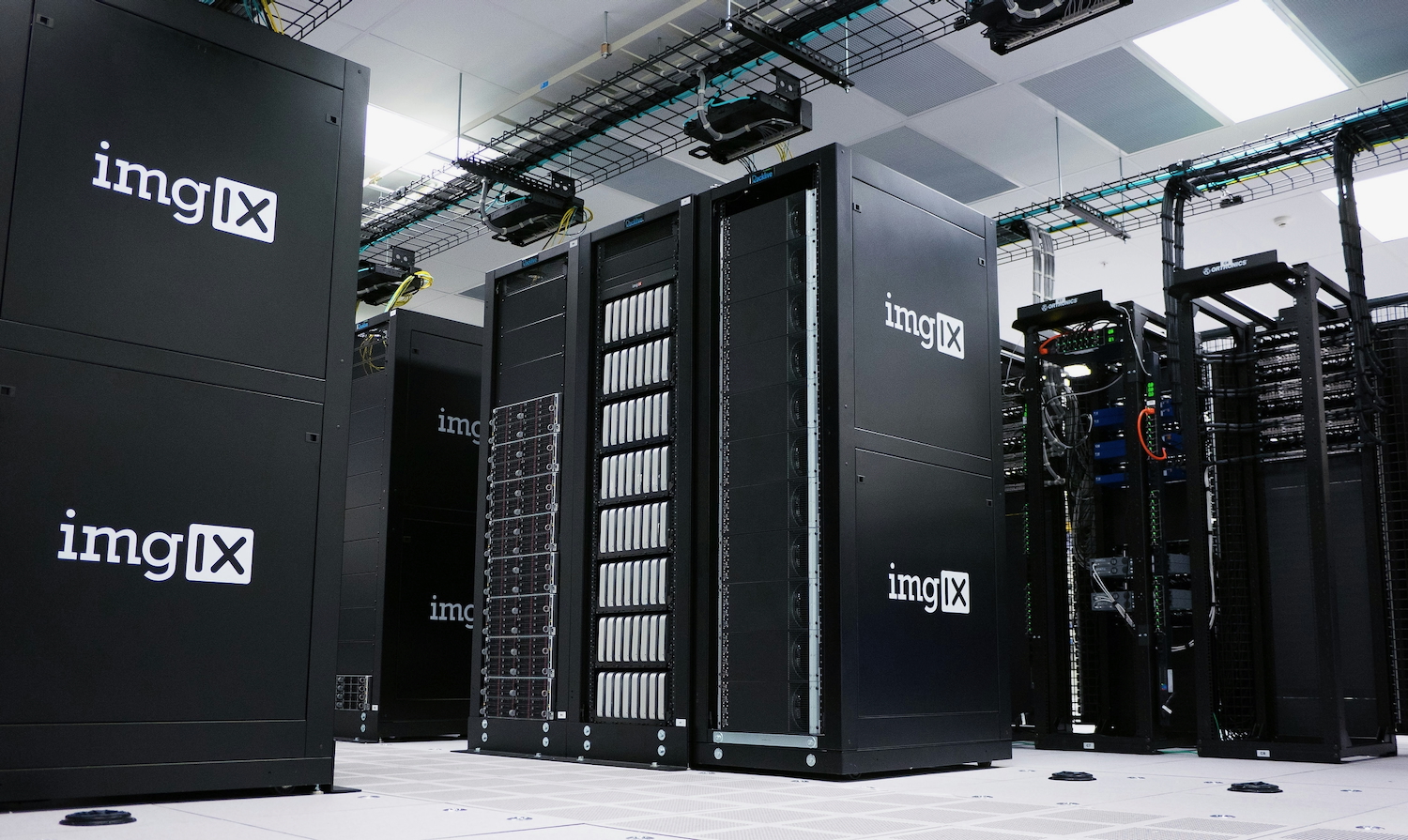
These server teams don’t just live anywhere. They reside in purpose-built fortresses called data centres. These facilities are engineered to create the perfect habitat for high-performance IT gear. Everything is meticulously planned: from structured server racks and redundant power supplies (backed by generators) to industrial-grade climate control systems that battle the immense heat these machines produce. A data centre isn’t just a room with computers; it’s a controlled ecosystem that provides the physical security, clean power, and cooling foundation that allows server infrastructure to operate reliably around the clock.
A Team of Specialists in Action
Collaboration isn’t just about sharing a single task; it’s about a team of specialists working a job together. Let’s walk through an online purchase. Hitting the website pings a web server. Clicking ‘add to cart’ engages an application server running the e-commerce logic. Checking stock levels means a quick query to a powerful database server. When you finally enter your card details, your request is handed off to a secure payment gateway server for processing. Four or more different servers, each with a distinct role, just had a rapid-fire conversation to complete your single transaction.
Demystifying “The Cloud”
So, what exactly is ‘the cloud’? It’s not some ethereal mist; it’s the largest-scale example of servers working together. When you use a service like Microsoft 365, you’re tapping into a global network of interconnected data centres. The key technology here is virtualization, which allows cloud providers to slice up a single physical server into multiple, isolated ‘virtual’ machines. This gives them astounding flexibility to allocate computing power exactly where it’s needed, on demand. The cloud is simply server collaboration, resource management, and networking executed on a truly global stage.
The Engine Room of the Modern World
From a single website click to a global cloud platform, the story is one of teamwork. Our digital world isn’t built on lone-wolf supercomputers but on armies of servers working in tight coordination. They are directed by load balancers, protected by clusters, and physically linked by high-integrity network infrastructure. Every piece of this complex puzzle, right down to the physical cables carrying the data, is critical to the whole operation. This intricate, unseen collaboration is the engine quietly driving the speed, reliability, and innovation we now take for granted every single day.
