

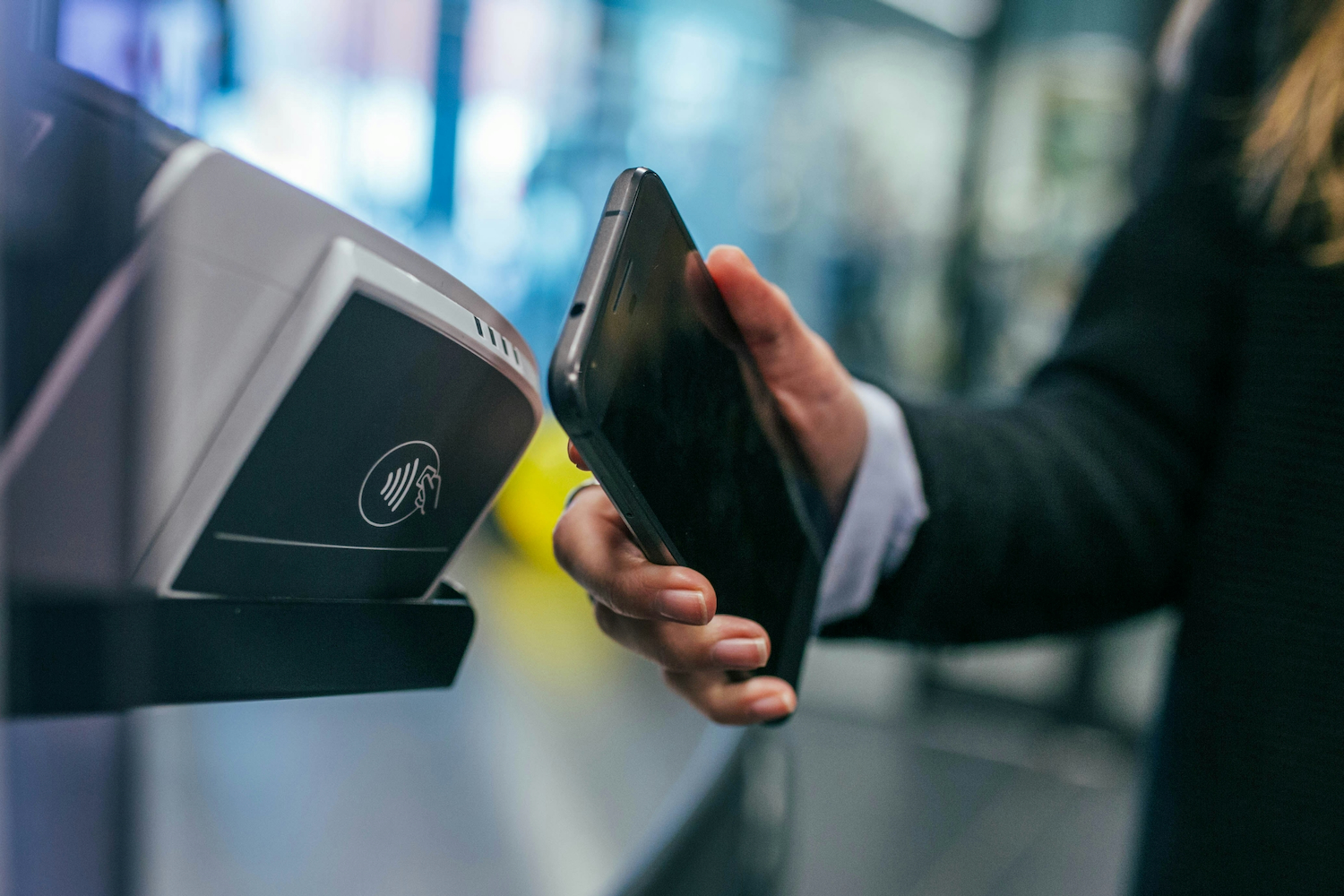


Banking apps are no longer just for checking balances and transferring money. Today, online banking plays an increasingly important role in digital shopping.
Account-to-account (A2A) payments make this possible. They connect banking apps and online checkouts, letting customers pay directly from their accounts.
This changes the user experience, making digital transactions effortless. But what does this mean for online businesses?
What makes bank-based checkout possible?
Behind bank-based checkout is a simple principle: money moves between bank accounts without passing through card networks. This is known as account-to-account (A2A) payments.
However, not all A2A payments work the same way. Some use open banking, which allows authorised third-party providers to initiate payments from customers’ bank accounts with their consent. Instead of entering card details, customers can authorise payments through their banking app or online banking.
Other A2A payments rely on local banking networks or real-time payment systems. For example, India’s Unified Payments Interface (UPI) lets customers pay directly from their bank accounts through a domestic infrastructure.
Regardless of what powers different A2A solutions, the key principle remains the same: the money is transferred from the customer’s bank account directly to the merchant’s. In some cases, it happens in real time.
How Pay by Bank connects banking apps and online checkouts
Pay by Bank is an open banking-powered A2A payment method. Instead of entering card details, customers can pay directly from their bank accounts, using a familiar banking app or online banking interface to authorise the transaction.
Here’s how the Pay by Bank payment process typically works:
- A customer selects Pay by Bank at checkout.
- They choose their bank from a list of supported institutions.
- The user is redirected to their bank’s app or secure online banking page.
- They review the payment details and authorise the transaction with a PIN, password, or biometrics.
- Once the payment is authorised, they’re typically redirected back to the merchant’s website or app.
As a result, buying online becomes easier and faster. For industries like gaming, where speed is key, this can be decisive – players often abandon checkout if they feel completing it takes too much time from the game.
Online businesses can offer this payment experience through payment service providers like Payop. As a global PSP, Payop has developed its own Pay by Bank solution, allowing customers across supported European markets to authorise payments through their banking apps. It’s a fast, secure and convenient method with real-time confirmation that is already known and used in Europe. For businesses looking for an alternative to card payments, Pay by Bank can be a strong option.
How do bank-based checkout experiences differ across markets?
Bank-based checkout experiences differ across markets, depending on local payment infrastructure and the ways customers interact with their banks.
One example in Europe is the Netherlands’ iDEAL, a top choice for e-commerce payments among Dutch users. With iDEAL, customers select their bank at checkout and approve the payment through the banking app or online banking page.
In Latin America, Pix, developed by the Central Bank of Brazil, supports instant transfers between accounts. To pay, customers can scan a QR or copy a payment code into their banking app or wallet.
In Asia, India’s UPI enables instant account-to-account transactions. Google Pay, PhonePe, and Paytm use UPI to let customers pay for online purchases within the app.
While the experience differs across markets, the principle is similar: customers pay directly from their bank accounts, whether through a bank redirect, QR code, or payment app.
What can bank-based checkout offer customers?
Paying inside customers’ banking apps generally feels more secure. On top of that, bank-based checkout means:
- Less information to enter. Customers have fewer details to enter at checkout, helping them complete their purchase faster and more easily.
- Improved security. Users don’t share card data with merchants, which helps improve security. For many, this is why they choose payment methods like Pay by Bank.
- Familiar flow. Payers already know how their banking app works, how to check the remaining balance, and where to review transaction details.
- Real-time confirmation. Solutions like Pay by Bank verify payments almost instantly, so users don’t have to wait long for the transaction to process.
- Fewer declined transactions. A2A payments don’t go through card networks, so they avoid decline reasons such as expired cards or incorrect card details.
Because of these factors, A2A methods are growing in popularity in some markets. According to Cetic.br research, the share of Brazilian online shoppers who used Pix grew from 66% in 2022 to 84% in 2024.
What are the benefits of bank-based checkout for online businesses?
It’s clear how customers benefit from bank-based checkout, but what about merchants? Do A2A payment solutions offer advantages for businesses too?
The answer is – yes. Here’s what merchants gain:
- Lower payment costs. A2A payments can’t avoid fees banks and providers charge, but they can help businesses save on some card network fees.
- Reduced chargeback risks. With A2As like Pay by Bank, customers authorise payments directly through their banking apps. It helps ensure the legitimate account holder made a purchase and reduces the risk of chargebacks and friendly fraud.
- Higher payment speed. Traditional card payments can take several days to clear, but A2As like Pay by Bank are near-instant. For business owners, this often means faster access to funds and quicker order fulfilment.
- Better conversion. Payment methods that let customers pay from their banking apps make checkout feel more secure. This, in turn, boosts customer satisfaction and improves conversion across markets.
Do merchants still need other payment methods?
A2A methods are growing in popularity, but that doesn’t mean they will fully replace other payment methods. Different options reflect different customer expectations.
Not all shoppers have access to banking services. Users in regions with underdeveloped banking infrastructure often don’t have bank accounts and instead use alternatives like mobile money.
There are also customers for whom privacy is non-negotiable. They may prefer cash-based methods like prepaid vouchers or crypto payments. If merchants don’t meet these expectations, it can hurt their conversion.
That’s why a good international payment strategy means adapting to customers’ payment habits in each target market, not trying to create a one-size-fits-all payment kit.
But in regions where bank-based methods are the top choice, Pay by Bank can be a game changer, leading to happier customers and more sales.
