

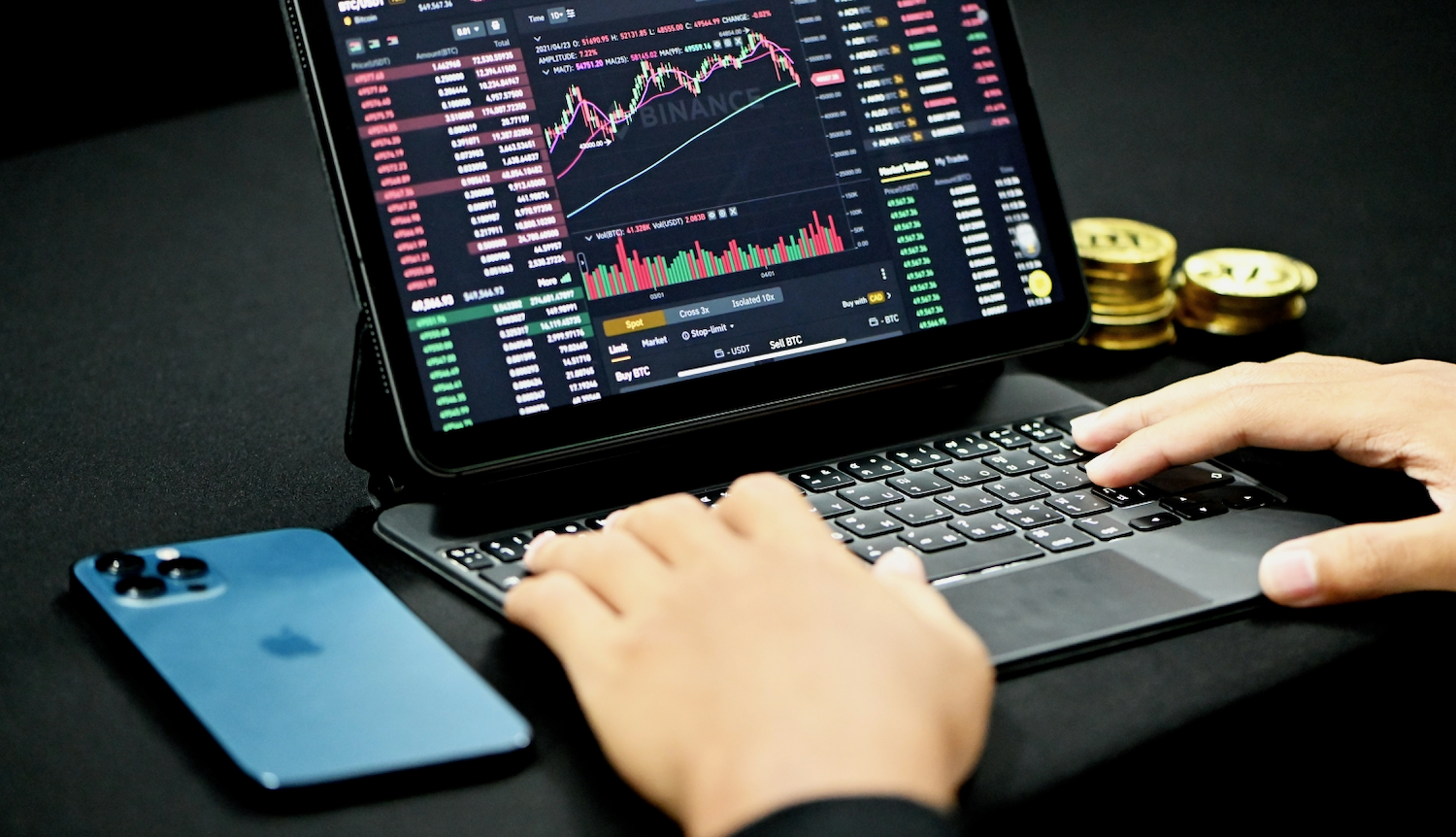


Algorithmic trading relies on several technologies working together, not one clever piece of code. Software must do things like collect market information, generate signals, test trading rules, check risk and submit orders without losing track of what happens next.
Understanding the key technologies behind algorithmic trading makes it easier to evaluate your trading setup.
Market Data Processing Pipelines
Market data processing pipelines collect, clean and organise the information trading software needs. Their inputs can include price quotes, trading volumes, bid–ask spreads and order-book updates.
Records arrive from different sources, sometimes with inconsistent formats or timestamps. Processing routines align those records, flag missing observations and remove duplicates before the information reaches a strategy.
Pipelines also calculate measures such as volatility and price changes. Reliable processing gives the next component consistent inputs rather than a stream of unchecked observations.
Machine Learning Engines
Machine learning engines identify patterns within training data and use them to produce estimates. In trading, those estimates might concern price movements, changing volatility or the likelihood of particular market conditions.
Research from the Bank for International Settlements identifies rapid analysis of large datasets as one reason artificial intelligence models are useful in algorithmic trading. For a developer, the benefit is being able to examine relationships across many inputs.
Common model inputs include:
- Recent price changes
- Trading volume patterns
- Bid–ask spread movements
More inputs do not automatically improve results. A model can learn historical noise or relationships that disappear when conditions change.
Evaluation therefore needs to continue after deployment. Monitoring prediction errors helps reveal when the engine’s assumptions no longer match the market.
Algorithmic Trading Platforms
Algorithmic trading platforms let traders run automated trading programs, view account information and submit buy or sell orders. When choosing a platform, it is important to look at its infrastructure.
For example, by using the MetaTrader 5 platform at Afterprime, you will access 100% conflict-free A-Book+ architecture. MT5 is engineered for algorithmic precision and multi-asset scale.
The platform should also provide a clear view of open positions, completed trades and account activity. Order-status updates and controls for pausing automated trading help you monitor the strategy and intervene when necessary.
Backtesting Engines
Backtesting engines replay historical market data through programmed trading rules. They record simulated entries, exits and changes in account value, giving developers a way to inspect performance before risking funds.
Useful simulations include spreads, applicable commissions and plausible slippage assumptions. Ignoring those costs can make a frequently traded strategy look stronger than it really is.
A 2025 review by the Financial Conduct Authority highlights the importance of testing that uses historical market-stress periods and varied simulated scenarios. For your strategy, testing beyond calm conditions helps expose behaviour that an average performance figure might hide.
Out-of-sample evaluation uses observations that were not involved in developing or tuning the strategy. Walk-forward testing repeats that separation across successive time windows, helping check whether results remain consistent as conditions change.
Risk Control Software
Risk control software checks proposed orders against predefined boundaries before allowing them through. Limits can cover position size, available margin, total exposure and acceptable order prices.
Those checks work independently of whether a trading signal appears attractive. An order that breaches a limit should be blocked rather than allowed through simply because the strategy expects a favourable outcome.
Controls can also restrict new trading when account losses reach a specified threshold. However, protective settings need testing to confirm how they behave during fast markets or connection failures.
Clear alerts help operators investigate rejected orders and unusual exposure. Emergency controls should also have defined behaviour, including what happens to positions that are already open.
Automated Execution Engines
Automated execution engines convert approved trading instructions into order requests and process the broker’s responses. They track whether each request has been accepted, rejected, partially filled or completed.
An order being submitted is not the same as a trade being filled. Execution software must update its records from confirmed responses rather than assume that every request succeeds.
Connection interruptions make that distinction important. Before resending an uncertain request, the engine needs to check whether the original order was already accepted.
Execution records preserve timestamps, requested prices and actual fills. Comparing those details with testing assumptions helps reveal slippage, delays and other differences between simulated and live trading.
Reliable execution depends on accurate state tracking as well as speed. Fast software can still create problems if it mishandles confirmations or duplicate requests.
Assessing the Entire Trading Technology Chain
Reliable algorithmic trading depends on each technology performing its own job correctly. Clean inputs, evaluated models, realistic testing and controlled execution all deserve scrutiny.
When assessing a trading environment, consider the complete workflow rather than advertised speed alone.
Was this article helpful? If so, be sure to explore some of our related posts.
