

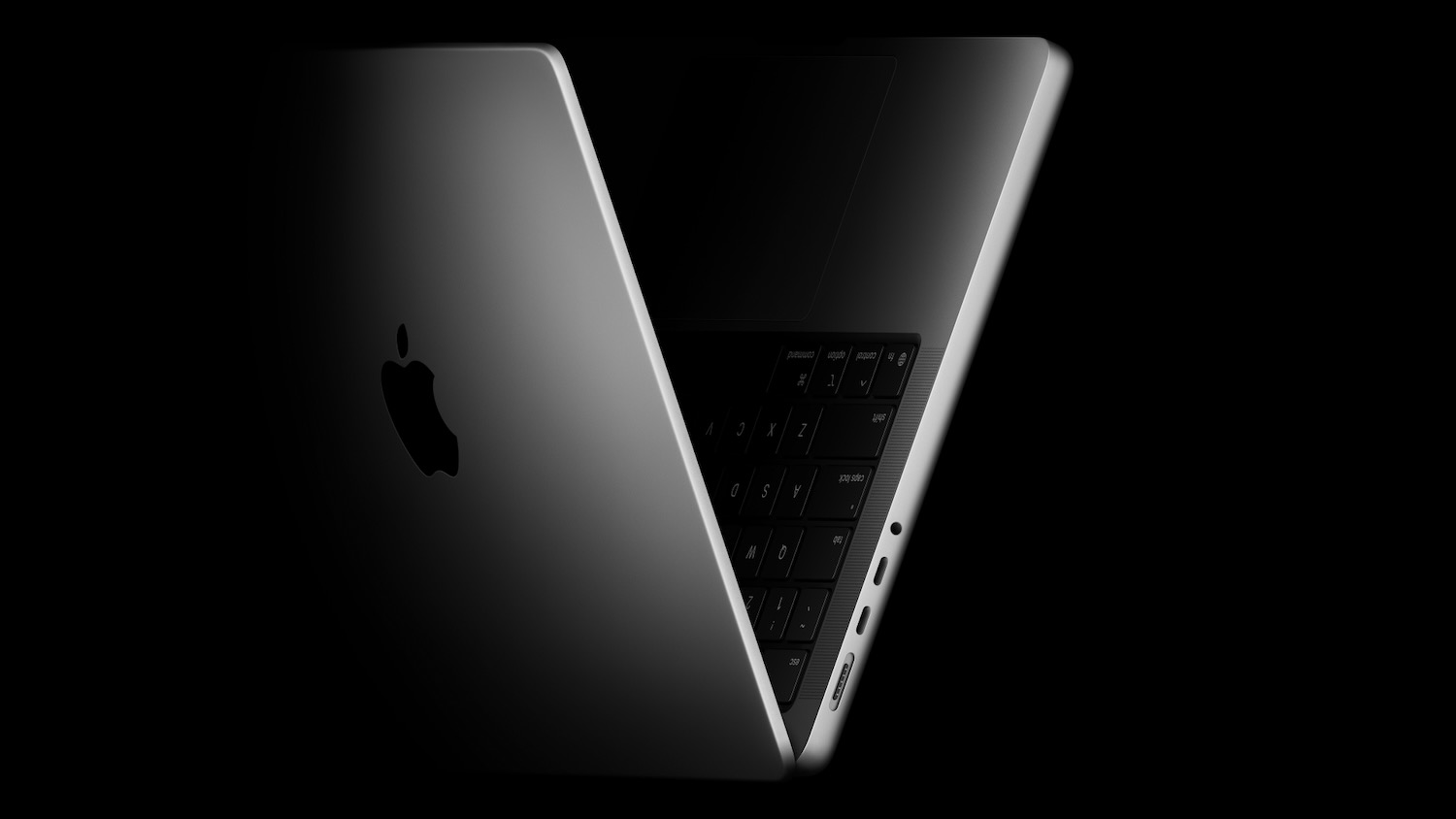


The rumours that Apple will be a MacBook with a touch-enabled OLED display have intensified following the release of the latest beta version of macOS 27.
The latest macOS 27.2 beta has just been released which offers a strong indication that a touchscreen is on its way for the Mac.
Within the code of this update was the ability to make a long press on an app in a similar way a user would on an iOS or iPadOS app.
Also on board the latest beta update were new touch gestures as well.
Apple stands alone in the laptop and desktop computer market with no touchscreen models available but these recent indications show that is all about to change.
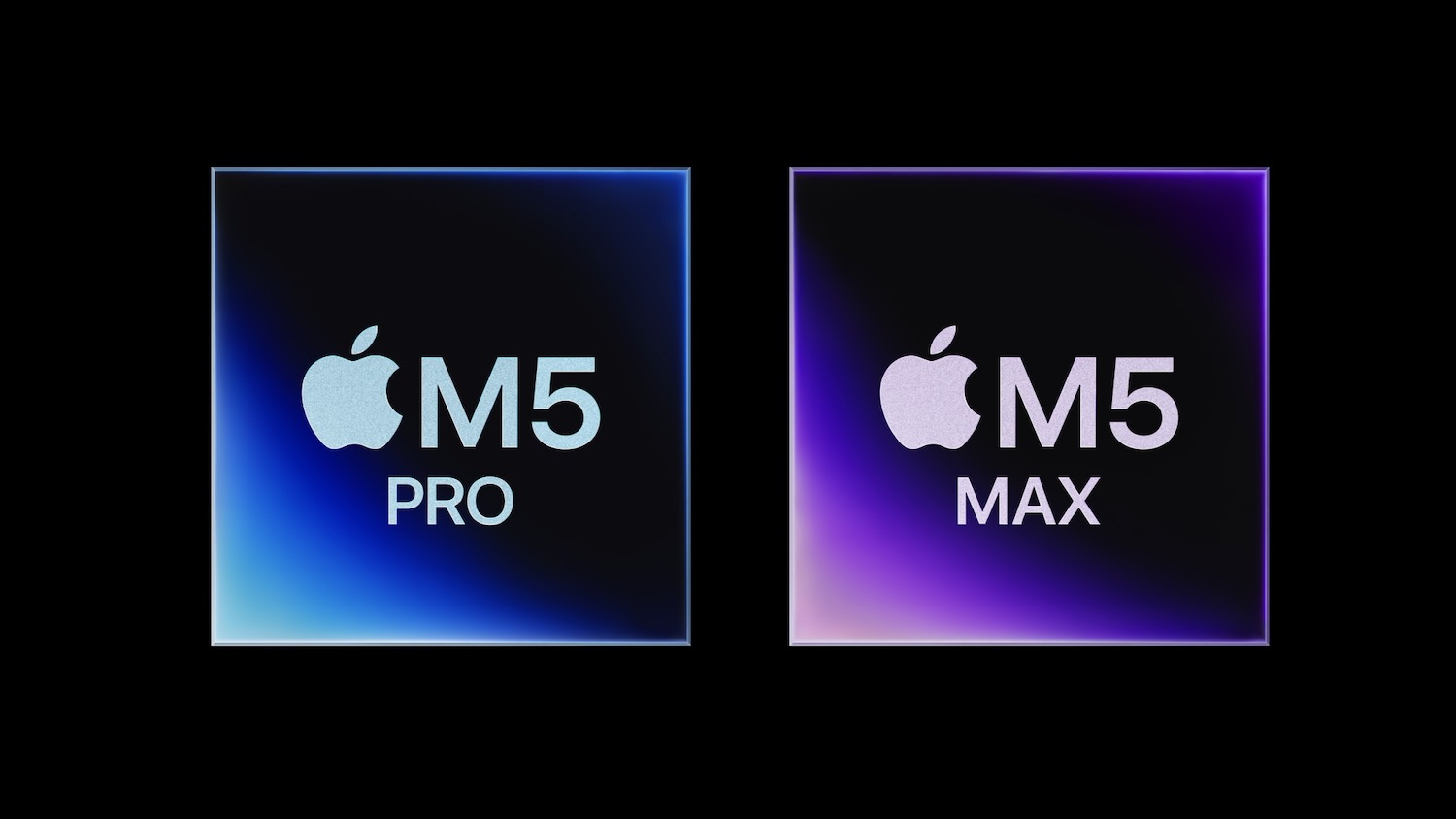
The rumours have been circling that Apple is about to release a new MacBook with its latest M5 Pro, M5 Max and M6 chips to power a thinner OLED touchscreen display.
macOS 27.2 beta 3 introduces a new long-press animation for Dock icons, hinting at the upcoming touchscreen MacBook Pro https://t.co/4zfZOxy8MO
— ldt (@madeby_ldt) October 5, 2026
The other new features may include a thinner and lighter design along with a similar dynamic island as seen on the iPhone and a new built-in cellular modem.
Reports suggests that Apple will update its 14-inch and 16-inch MacBook Pro lineup with the touchscreen models released under the MacBook Ultra name.
And we could see them as early as this month.
So why has Apple never released a touchscreen laptop?
One reason could be the company wants to protect its huge iPad sales which, 16 years after their release, are still going strong.

In the past Apple customers who wanted pro-level performance and a touchscreen would be directed to the iPad Pro.
But the recent macOS 27.2 beta update shows that macOS will finally be able to handle touchscreen features which were previously limited to iOS and iPadOS.
This move could very well see the convergence of the iPhone, iPad, and Mac operating systems, inheriting features and capabilities from one another.
Our experience has shown that using an iPad Pro and a MacBook Pro offers two vastly different experiences.
This move to a touchscreen MacBook and perhaps even a desktop touchscreen Mac may see a convergence of iOS and macOS into a singular operating system that can run on both the iPads and Macs.
