



Residential dining operations face daily complexity with dietary needs, rotating prep schedules, and compliance demands. Modern digital systems give kitchen teams real-time clarity across every resident tray.
Transitioning from paper logs to automated tools creates smoother service, reduces error rates, and elevates resident satisfaction in care homes.
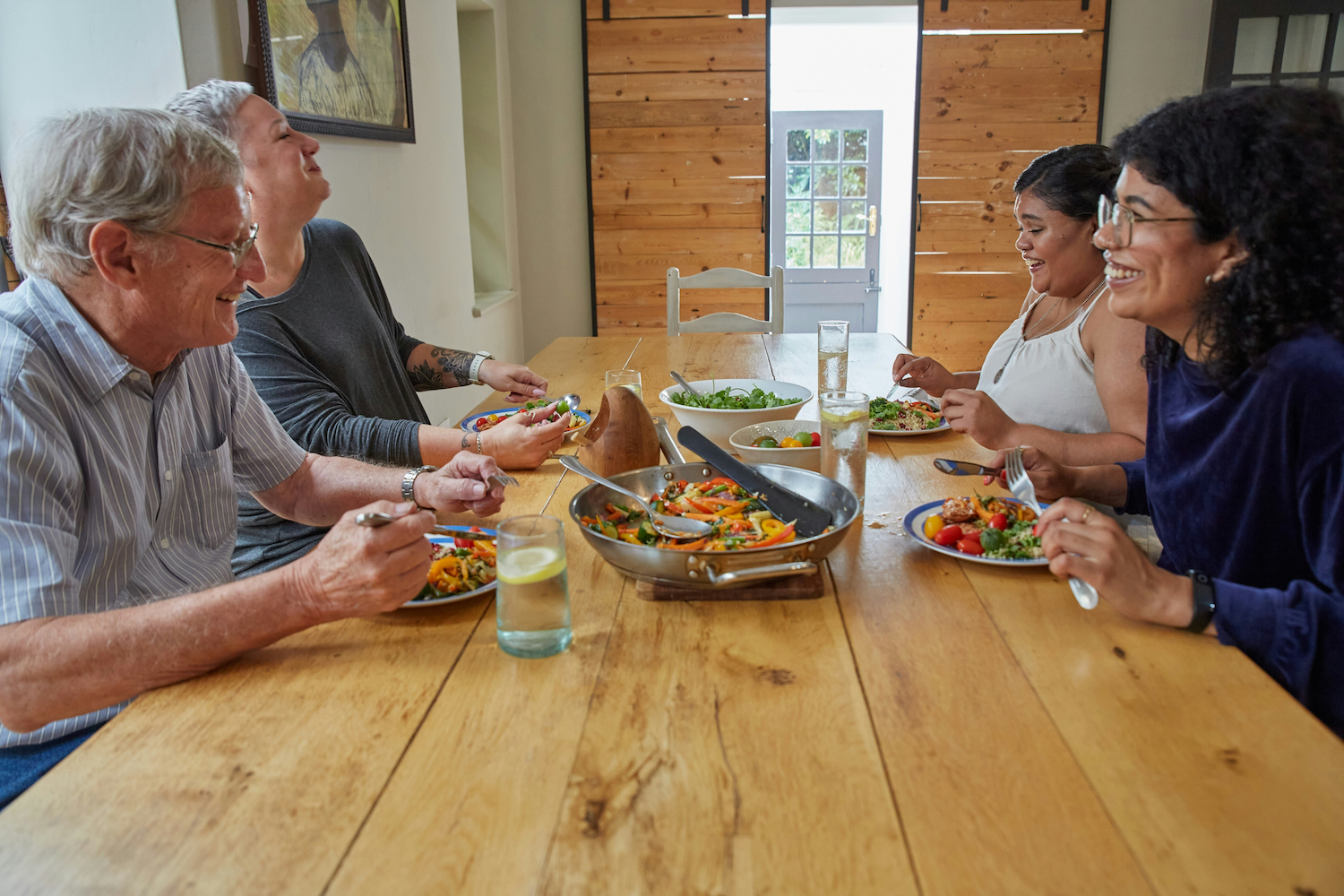
Image source:https://unsplash.com/photos/a-group-of-people-sitting-around-a-table-eating-food-sJIvFHq0zJo
Streamlining Daily Kitchen Workflows
Kitchen personnel manage dozens of custom orders, texture requirements, and allergen alerts during peak meal hours. Managers looking to reduce audit time with aged care meal management software can implement digital ordering portals that auto-sync resident profile changes. Kitchen stations receive direct operational updates without physical paperwork delays.
Automated meal tracking cuts down on manual data entry errors between nursing wards and catering hubs. Staff save hours each week by removing tedious clipboards and handwritten spreadsheets. Daily prep lists update instantly when clinical assessments change.
Order choices flow directly from bedside tablets to main line prep screens. Chefs view exact portion requirements, allergies, and liquid thickness levels at a single glance. Streamlined production steps reduce meal delivery delays during busy lunch shifts.
Tackling Resident Malnutrition Risks
Unintended weight loss remains a persistent challenge across residential care settings. A large-scale national nutrition study from Griffith University revealed 40 percent of individuals in residential aged care live with malnourishment. Automated software flags intake drops early so clinical teams step in before conditions worsen.
Smart platforms track individual consumption patterns meal by meal. Caregivers record eaten percentages on tablets directly at dining tables. Digital notifications alert dietitians whenever daily calorie targets drop below required levels.
Early visibility into eating habits allows prompt intervention from speech pathologists and clinical dietitians. Facilities can adjust texture levels or offer fortified options immediately. Monitoring meal completion rates leads to healthier outcomes for vulnerable residents.
Meeting Core Regulatory Requirements
Meeting regulatory expectations demands detailed records for every individual served. TalentMed’s educational resources explain that Standard 6 focuses on providing enjoyable food and dining experiences tailored to personal choices. Digital software helps facilities prove daily compliance with these strict quality metrics.
Quality reviews require quick proof of personal preference tracking and nutritional adequacy. Paper systems make retrieving historic meal logs time-consuming during site reviews. Centralized data repositories let assessors view complete resident dining records instantly.
Digital recordkeeping keeps audit trails organized throughout the entire calendar year. Compliance teams avoid last-minute searches for lost paper records before scheduled inspections. Standardized data logging maintains transparent accountability across all shifts.
Tailoring Menus To Personal Preferences
Resident happiness centers heavily around meal enjoyment and personal choice at the dining table. Official guidance from the Aged Care Quality and Safety Commission highlights 4 key priority areas, including dining environment, resident choice, swallowing needs, and oral health. Catering software lets residents select alternative options that fit their medical diets.
Digital menus present clear visual choices adapted to texture modifications like pureed or soft foods. Residents express personal tastes directly through interactive tablet displays. Kitchen managers tailor weekly menus around real feedback instead of guessing popular dishes.
Flexible menu design allows resident input on weekly specials, seasonal ingredients, and cultural recipes. Seniors feel respected when personal dining preferences guide daily prep choices. Personalized choices encourage higher intake and happier mealtime experiences.
Improving Communication Across Operations
Nursing teams and kitchen staff often struggle with communication delays during busy shift changes. Software platforms connect care management systems straight to kitchen display screens. Modifications to resident diets reach prep stations in real time without phone calls.
Key operational advantages gained from integrated dining software include:
- Real-time resident profile updates sent directly to kitchen displays
- Automated allergen alerts preventing dish mix-ups at service time
- Streamlined food waste tracking across morning and evening shifts
Direct system connections reduce miscommunication risks during fast-paced service hours. Staff focus more time on resident interaction rather than checking spreadsheets. Connected digital tools create cohesive teamwork between nursing and catering departments.
Image source:https://www.pexels.com/photo/elegant-teal-teapot-on-a-vintage-table-setting-37894679/
Modernizing The Dining Hall Experience
Creating a warm dining environment requires balancing clinical safety with hospitality standards. Digital ordering gives residents greater independence when selecting daily lunches and dinners. Meal times feel like restaurant experiences rather than rigid institutional routines.
Financial efficiency improves alongside higher service quality across facility kitchens. Digital tracking minimizes overproduction and lowers weekly food procurement costs by $500 or more per facility. Aged care providers build long-term sustainability by investing in modern technology.
Modern technology transforms institutional dining halls into inviting social environments. Floor staff serve meals faster while maintaining precise temperature control and presentation standards. Upgraded dining workflows build dignity, social connection, and resident independence.
Smart meal management software elevates residential care dining by connecting kitchens, nurses, and residents. Automated recordkeeping, personalized choice, and real-time communication solve long-standing operational challenges. Embracing digital tools helps facilities deliver safer meals and happier dining moments every day.
