

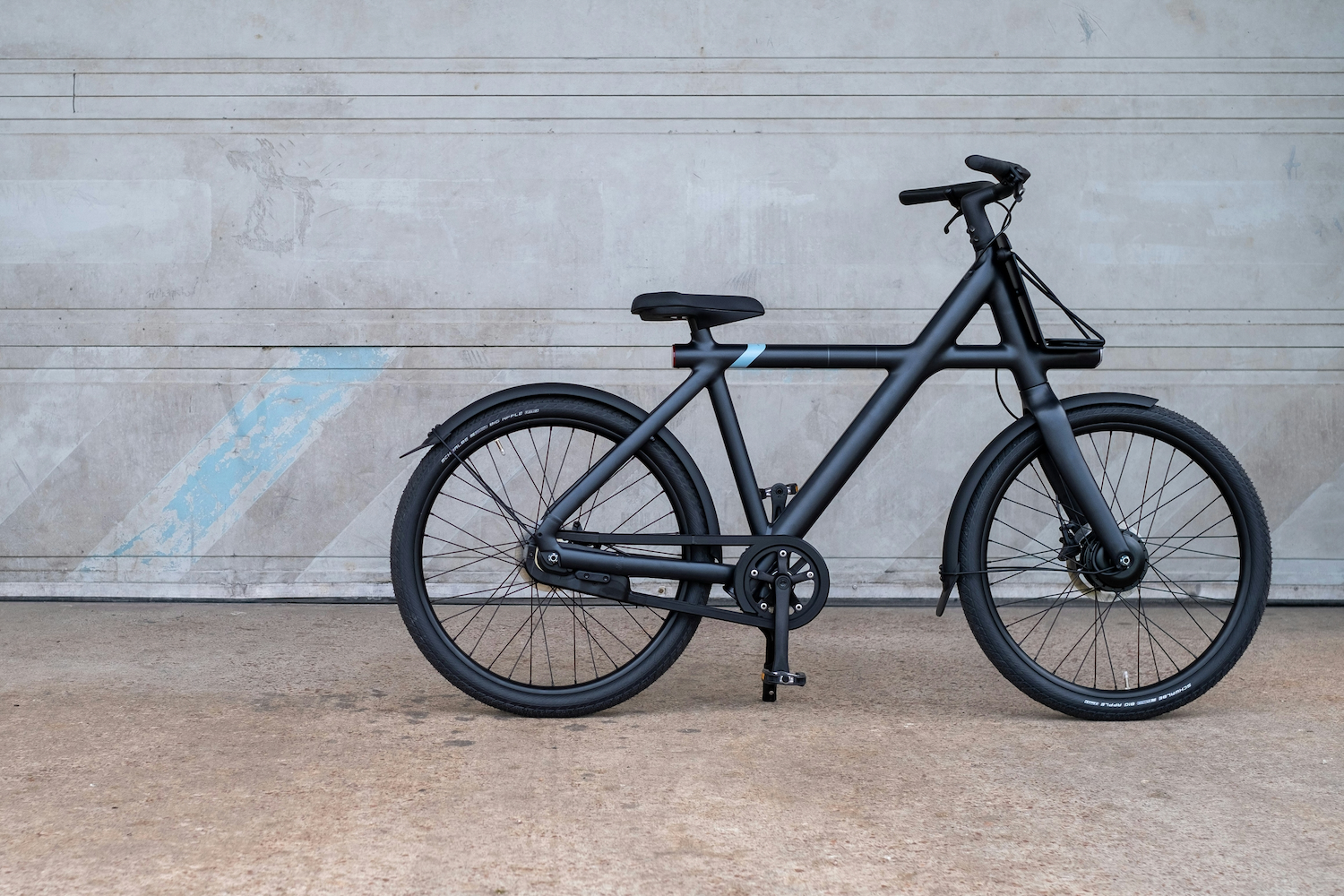


An electric bike can make an ordinary trip surprisingly different. A hill that used to decide whether you drove or cycled becomes far less important. Five kilometres to the shops no longer feels like much of a commitment. Even a strong afternoon headwind becomes more of an annoyance than a reason to leave the bike at home. That practical side of e-bikes is probably their biggest appeal. They are still bicycles, but they remove some of the things that stop people from cycling regularly.
That does not mean every electric bike will work equally well for daily use. Someone riding through central Melbourne has different needs from a person covering hilly suburban roads in Brisbane or using gravel tracks outside Adelaide. Before you buy e-bicycle, think about the trips you genuinely expect to make rather than the ones you imagine making someday. Where will you ride? How far? Will you carry shopping? Do you have stairs at home? Those rather ordinary questions often matter much more than impressive-looking numbers on a specification sheet.
Picture Your Normal Week First
It is easy to shop for a bike backwards. People see a large battery, chunky tyres or a powerful-looking motor and then try to convince themselves that those features fit their lifestyle.
A better approach is to start with Monday morning.
Suppose your workplace is eight kilometres away. Most of the route is sealed, there are two moderate hills, and you need to carry a laptop and a change of clothes. In that situation, a comfortable riding position, rack, dependable brakes and sensible battery range are likely to matter more than serious off-road equipment.
Someone who spends weekends on gravel paths will have different priorities. The same applies to a rider who wants a bike mainly for short shopping trips.
Make a rough list of your most common journeys. It does not have to be complicated. Distance, road surface, hills, cargo and storage will usually tell you what sort of bike deserves a closer look.
Check Whether the Bike Is Suitable for Australian Roads
This part is less exciting than comparing motors, but it matters.
Not every two-wheeled vehicle with pedals and an electric motor is treated the same way under Australian rules. Electric bicycles have to meet applicable requirements if they are going to be used as bicycles on public roads and paths. Australian Government guidance distinguishes compliant power-assisted bicycles from electric vehicles that fall into other regulatory categories.
Rules for actual road use are also administered at state and territory level. That means riders should check the requirements where they live rather than assume advice found for another state applies everywhere.
One widely used standard for pedal-assisted e-bikes involves motor assistance reducing and eventually cutting out as the bicycle reaches 25 km/h. Details can vary depending on the type of electric bicycle and jurisdiction.
If a seller is vague about compliance, ask questions before paying. It is much easier to check this at the beginning than discover later that the bike does not fit the rules for where you intended to ride it.
Comfort Is More Important Than It Looks Online
A bicycle can look perfect in photographs and still feel wrong within ten minutes.
Frame size is part of the equation, but not the whole story. Handlebar height, saddle position, reach and the ease of getting on and off all affect how comfortable a bike feels.
Step-through frames are worth considering even if you have always ridden traditional bicycles. Being able to get on without swinging a leg high over the frame is handy when the rear rack is loaded with groceries. It can also make repeated stops around town less awkward.
Then there is riding posture. Some people enjoy leaning forward in a more athletic position. Others prefer sitting relatively upright, particularly when riding in traffic where looking around easily is useful.
Do not choose based purely on your height and a sizing chart if you can avoid it. Sit on the bike. Ride it. Stop and start a few times. A test ride can reveal more than half an hour of reading specifications.
Treat Battery Range as an Estimate, Not a Promise
Range figures are useful, but they are not guarantees.
A battery does not know that a product page says the bicycle can travel a certain number of kilometres. It responds to what is happening on the road.
A heavier rider will generally demand more energy from the system. So will steep hills, frequent acceleration, soft tyres, cargo and strong winds. Using the highest assistance setting for an entire journey will normally consume more power than riding mostly at a lower level.
This is why a realistic calculation is more useful than chasing the biggest advertised range.
Imagine your return commute is 24 kilometres. You can charge at home every evening. In that case, enormous theoretical range may add cost and weight without improving your daily experience very much.
You do want some breathing room, though. Nobody wants to arrive home every afternoon with the battery indicator sitting nervously on its final bar.
A removable battery is another practical consideration. If your bike lives in a shared garage but you live three floors above it, taking the battery upstairs may be far easier than running power to the bike.
Think About How the Assistance Feels
People often ask how powerful an e-bike is. A better question for everyday riding might be: how does the assistance feel?
Good electric assistance should make pedalling easier without making the bicycle awkward to control.
Try starting from a standstill. Then ride slowly. Increase the assistance and see whether the power arrives smoothly or suddenly. On a busy shared path or at a road junction, predictable assistance is far more pleasant than an abrupt surge.
Your local terrain matters here too. If your area is almost completely flat, you may spend much of your time using low or moderate assistance. Live somewhere full of steep streets and you will probably appreciate stronger support more regularly.
Do not assume you need to ride on the highest setting simply because it exists. Many riders soon settle into one or two favourite levels and use stronger assistance only when the road demands it.
Brakes Deserve More Attention Than Fancy Extras
Electric bicycles tend to weigh more than comparable conventional bikes. Add a rider, backpack and perhaps a basket full of groceries, and there can be a fair amount of mass to stop.
That makes brakes something worth testing rather than merely ticking off a feature list.
The levers should feel comfortable in your hands. Braking should be controlled and predictable. If you regularly ride in rain, down hills or in stop-start traffic, braking performance becomes even more important.
Tyres matter for similar reasons, although bigger is not automatically better.
Wide tyres can add comfort and grip on rougher surfaces. Narrower, smoother tyres may feel quicker and lighter on sealed roads. Deep tread that makes sense on loose ground may be unnecessary for someone who rarely leaves urban cycleways.
Look at the roads you actually use. Choose tyres for those roads, not for whichever bike looks toughest in a photo.
Remember That You May Have to Lift It
Weight is easy to ignore during online shopping because every bicycle weighs exactly nothing on a screen.
Reality is different.
Perhaps you need to carry the bike up six steps into an apartment. Maybe your office has a narrow bicycle storage area. Perhaps you plan to put it on a car rack on weekends.
Those situations can turn an extra few kilograms into a regular irritation.
When testing an e-bike, do something very simple: lift it. Move it around without motor assistance. Walk it through a tight turn. Imagine doing the same thing when you are tired or carrying another bag.
If storage is particularly limited, folding electric bikes are another possibility. They can make mixed train-and-bike journeys easier too, although smaller wheels and compact frames produce a different ride from a conventional full-size bicycle.
Small Everyday Features Quickly Become Important
The less glamorous parts of a bike often become the features you appreciate most.
A rear rack means your work bag does not have to sit against your back on a hot afternoon. Mudguards help keep road spray off your clothes after rain. Built-in lights mean there is one less thing to remember when you leave work late.
A sturdy kickstand seems trivial until you stop outside a café with two loaded panniers.
Think about security as part of the purchase as well. A good lock should be in the original budget rather than bought reluctantly after the bike arrives.
The same goes for bags, baskets and child-carrying equipment. If you know you will regularly transport something, check the bicycle’s load limits and compatible accessories before buying.
Be Sensible About Batteries and Charging
The battery is not just a range specification. It is a piece of electrical equipment that will probably be charged inside or close to your home.
Use the charger intended for the battery and follow the manufacturer’s instructions. Cheap replacement chargers of uncertain origin are not a clever place to save money.
It is also worth asking what happens several years down the line. Can a replacement battery be purchased? Is the system common enough to service? Are its specifications clearly documented?
A bargain e-bike is less of a bargain if an essential electrical component becomes impossible to replace.
Charging arrangements matter too. Consider where you will actually plug it in, whether the battery can be removed easily and whether that routine will still feel convenient after six months.
Find Out Who Can Fix the Bike
Everyday bikes eventually need attention.
Brake pads wear. Tyres puncture. Chains stretch. Gears need adjustment. None of that disappears because a motor has been added.
The electrical system creates another question: who can work on it if something goes wrong?
Before buying, check whether ordinary consumable parts are easy to obtain and whether there is realistic access to servicing. This is especially important if the bike uses unusual components or proprietary electronics.
For a bicycle used once or twice a month, waiting for a part may be inconvenient. For one used to get to work every morning, it can disrupt your entire routine.
Long-term practicality does not look exciting on a product page, but it often separates a good everyday purchase from a frustrating one.
Take a Proper Test Ride
If a test ride is available, use it for more than going around the block.
Stop and start repeatedly. Change assistance levels. Turn slowly. Try a hill. Brake with reasonable firmness somewhere safe. Ride briefly with little or no electrical assistance.
Listen for rattles and notice how the bike behaves at low speed. Can you look over your shoulder comfortably? Are the controls intuitive? Does the saddle already annoy you? Can you put a foot down confidently when stopped?
None of these questions is technical, which is exactly why they are useful.
You are not buying a specification sheet. You are buying something you may ride several times a week.
Choose the Bike You Will Actually Want to Ride
There is a temptation to search for the “best electric bike”, as though one model could win for everyone. Everyday riding does not work like that.
A commuter may want reliability, racks and a comfortable upright position. Another rider may care more about compact storage. Someone living near gravel trails might gladly accept extra tyre weight for additional grip and comfort.
The useful question is not whether one bike has more features than another. It is whether those features make your regular journeys easier.
Start with your routine. Check the legal requirements. Find a frame that feels comfortable, choose enough battery capacity for realistic trips and pay proper attention to brakes, tyres, weight and maintenance. After that, the decision usually becomes much simpler.
The right electric bicycle should fade into everyday life. You charge it, get on and go. If you find yourself choosing it instead of the car for a trip you once would never have considered cycling, it is probably doing its job.
