

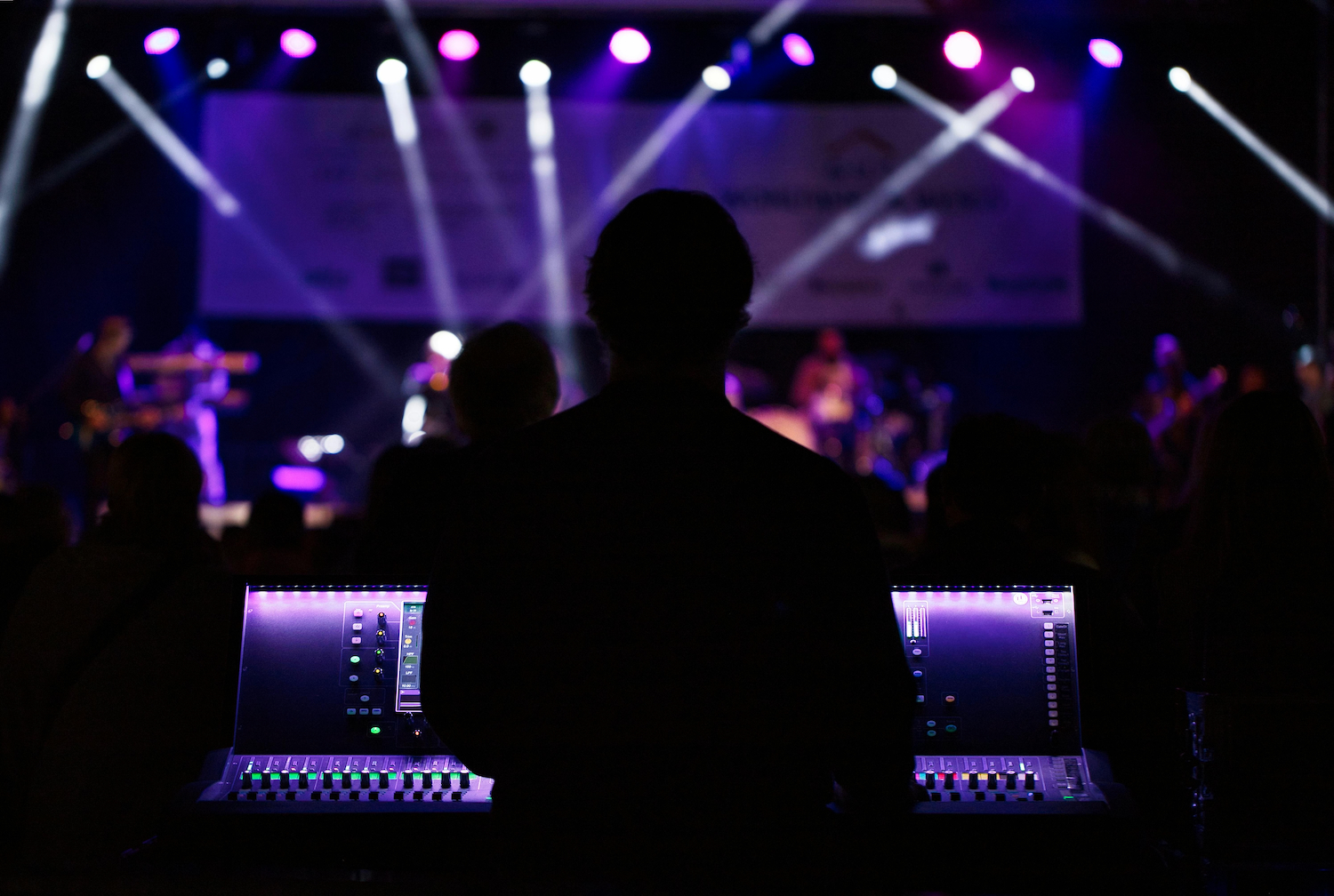


You are sure to expect flawless audio, immersive visuals, and zero awkward pauses when you attend a major event in 2026. But audiences rarely see the layers of technology working behind the scenes to make that happen.
Seamless live events are built on tightly-connected systems. They remove friction long before doors open.
Modern production blends hardware, software, and skilled technicians into one coordinated engine. Each technology layer plays a specific role in delivering a smooth, professional experience from start to finish.
AI-Powered Show Control
Artificial intelligence now supports core production tasks that once required constant manual adjustment. Smart show-control systems monitor sound levels, lighting cues, and video playback in real time.
According to research by ZipDo, event organisers continue to increase technology investment to improve performance and engagement. Higher investment translates into fewer technical disruptions and more consistent audience experiences.
AI-assisted rehearsal tools even simulate audience noise. So, crews can test systems under realistic conditions before guests arrive.
Automated cue sequencing also reduces human error. Complex multi-camera switches and timed lighting transitions can now run with precision while technicians focus on creative direction rather than constant troubleshooting.
Advanced LED Video Walls and Projection Mapping
Large-scale LED walls have replaced traditional projection in many venues. Brighter panels, tighter pixel pitch, and modular construction allow for custom stage designs that feel immersive rather than flat.
Modern LED systems offer several clear production benefits:
- Modular panels for curved or wrap-around stage builds
- High brightness that performs well in daylight-filled venues
- Energy-efficient operation with reduced heat output
Projection mapping adds another layer of visual storytelling. Buildings, set pieces, and even vehicles can become dynamic canvases that shift throughout the show.
Intelligent Lighting Systems and Digital Control Networks
Lighting remains one of the most powerful tools in live production. In 2026, intelligent fixtures combine LED engines, motorised movement, and advanced colour-mixing to create dramatic effects with precision.
Digital lighting consoles now integrate directly with audio and video systems. Cue stacks can synchronise with music tracks, presentation slides, or video content without manual timing adjustments.
Designers can pre-program entire sequences. But they can also retain flexibility for live moments.
Network-based lighting protocols allow fixtures to communicate across large venues. Stadium-scale rigs operate from centralised control points, ensuring consistency across hundreds of moving heads and wash lights.
Professional Audio Systems and Acoustic Modelling
Clear, balanced audio remains non-negotiable. Line-array speaker systems use predictive modelling software to map sound coverage before equipment is even installed.
Modern systems adapt to complex room acoustics. Improved calibration means fewer dead zones and more consistent clarity throughout the venue. Attendees spend less time straining to hear and more time focused on the message or performance.
Digital mixing consoles also allow engineers to store presets for different segments of an event. Panel discussions, keynote speeches, and live performances can each have tailored audio profiles ready at the touch of a screen.
Hybrid Streaming Infrastructure and Broadcast Technology
Even the most advanced event technology can struggle without experienced technicians managing it. Large conferences, concerts, and corporate productions rely on trained crews to coordinate audio systems, control lighting cues, manage camera switching, and oversee live streaming infrastructure.
In major event hubs across the United States, especially in cities with busy production calendars like Austin, Texas, organisers often rely on specialised services such as AV Staffing for Events in Austin, Texas to ensure every technical element runs smoothly from rehearsal through the live broadcast. Coordinated staffing ensures every technology layer supports the others rather than competing for bandwidth or attention.
Hybrid events continue to dominate conferences, product launches, and corporate gatherings. Reliable low-latency streaming technology ensures remote viewers feel connected rather than secondary.
High-bandwidth encoders, bonded internet connections, and cloud-based distribution platforms work together to minimise delay. Integrated AV ecosystems now merge in-room production with global streaming seamlessly.
Building Truly Seamless Live Events in 2026
Live events depend on integration across tech like AI show control, immersive video walls, intelligent lighting, professional audio, and hybrid streaming systems. Each technology solves a specific challenge, yet real success comes from how well they work together.
Organisers who invest in the right mix of equipment and experienced technicians consistently deliver smoother, more engaging productions. If you are planning an upcoming event, consider speaking with a specialised team about how to align your tech infrastructure.
And if you found this article to be helpful, make sure you check out our other insightful content!
