

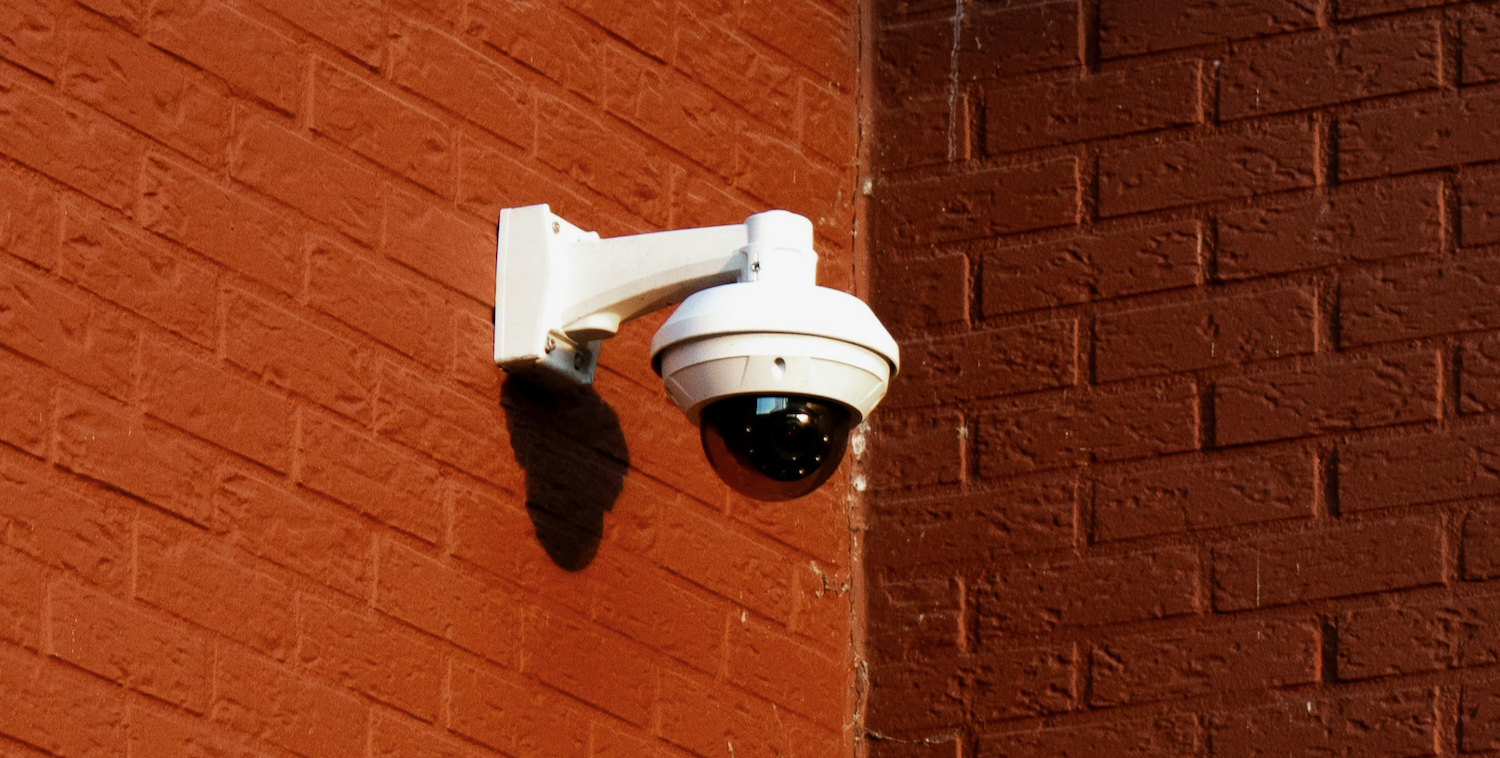


Imagine your business spending a small fortune installing a cutting-edge surveillance system, one where the cameras can recognise faces, distinguish people from vehicles and send an alert the instant something suspicious happens.
And then imagine one camera pointed slightly too high. For the next six months, the world’s most sophisticated security system becomes exceptionally good at monitoring a roof.
It might be somewhat of a silly example, but it makes an important point that better technology doesn’t automatically mean better security. A smart system still depends on the basics being right. The best security setups combine intelligent technology with simpler, proven measures because sometimes a strong lock, bright light or visible camera is exactly what a property needs.
Why Security Works Best as a Layered Approach
Commercial security relies on you creating layers that make unwanted access harder, detect suspicious behaviour and ensure someone can respond when something happens. A business might combine physical barriers, conventional CCTV, access control, alarms, lighting and security personnel with intelligent monitoring technologies.
For example, businesses considering more traditional, foolproof protection like mobile patrol security in Melbourne can combine physical patrols with smart surveillance. Cameras can identify unusual activity and alert a monitoring team, while patrol officers provide the physical presence needed to investigate or respond.
Something not separate, but combined like this, is ideal because every security technology has limitations. A camera can record an intruder, but it can’t physically stop them. An alarm can detect movement, but it doesn’t necessarily understand whether that movement represents a genuine threat. Layering these measures means one system can compensate when another reaches its limits.
What Makes Security ‘Smart’?
Smart security generally refers to systems capable of processing information, making automated decisions or communicating with other devices. Surveillance cameras that we find today are a good example. Intelligent cameras can analyse what they see, rather than just recording. Depending on the system, they may distinguish between people, vehicles and other movements, helping reduce unnecessary alerts.
Connected systems can go a step further. Let’s say a camera detects someone entering a restricted area, it can then trigger an alarm, notify a monitoring centre and provide a live video feed for verification. Access control systems can then record who enters a building and when, while connected alarms can flag unusual activity. The major advantage is efficiency, and efficiency in security is key to preventing crimes.
The Very Real Purpose of Dumb Security
‘Dumb security’ is definitely not foolish. Dumb security refers to security that doesn’t necessarily have advanced tech installed, like guards, alarms and fences. A security fence doesn’t need artificial intelligence, a sturdy lock doesn’t require an internet connection and a bright exterior light doesn’t need facial recognition. These tried-and-tested measures work because they address some of the oldest principles in security: deter, delay and detect.
Visible cameras are a very effective deterrent, putting off opportunistic offenders before an incident occurs. Simple security is also very reliable because it’s not relying on electronics, signals or software updates. As security systems are expected to work when something goes wrong, this leaves smart systems more vulnerable, as during a threat is precisely when technology can sometimes be under the greatest strain.
Where Smart Systems Really Shine
Smart technology becomes especially useful when businesses need to monitor large or complicated sites. Consider a warehouse with multiple entrances, loading areas, storage zones and vehicle access points. Watching every part of the property manually would be difficult and inefficient. Smart warehouse technology with intelligent surveillance can help by filtering activity and identifying events that match predefined criteria.
It would be relatively ineffective if this system sent an alert every time someone walks past a camera. But instead, for example, a system could flag movement inside a restricted area after hours. Or licence plate recognition could help monitor vehicles entering or leaving particular areas. Smart security systems can also make investigations easier. Instead of searching through hours of footage manually, security personnel may be able to narrow recordings by time, location, vehicle or type of activity.
But Smarter Doesn’t Always Mean Better
Understandably, there can be a temptation to assume that more technology automatically means more security. But smart systems introduce additional points of failure. They can depend on power, connectivity, software and correct configuration. Poorly calibrated systems can also generate false alerts, eventually causing staff to ignore notifications altogether.
Then there’s complexity. A system might have an impressive list of capabilities, but those capabilities don’t mean much if employees don’t understand how to use them or nobody responds when an alert comes through. The right technology needs to be selected against the actual risks of a property. Where a small business with one entrance may not need an elaborate AI video surveillance network, a large construction site would benefit significantly from intelligent monitoring because of the sheer volume of activity taking place across the property.
Putting the Two Together: 1 + 1 = 3
The very best security strategies tend to combine smart and simple measures. They both become greater than the sum of their parts when integrated. Start with the fundamentals. Secure doors, windows, gates and perimeter areas. Make entrances visible and eliminate poorly lit spaces. Use signage and visible surveillance to create a clear deterrent.
Then add smart technology where it provides a genuine advantage. Intelligent cameras can monitor areas that are difficult to supervise manually. Access control can restrict sensitive spaces while creating an audit trail, and automated alerts can help security teams identify and respond to unusual activity quickly.
Finally, connect technology with people. Security personnel can investigate alerts, conduct patrols and respond to situations that technology alone cannot resolve. In this model, smart surveillance becomes an extra set of eyes rather than a replacement for human judgement.
Key Takeaways
The future of security is likely to borrow from tech innovations while keeping firmly in the lane of traditional, physical measures. Dumb security measures provide a first layer of protection. Smart technology makes detection and surveillance more efficient. Human security professionals can then provide context, judgement and physical intervention when required.
The goal is to build a security system that suits the property, discourages unwanted behaviour, identifies genuine threats and provides a reliable response when something goes wrong. And, most often, the smartest security strategy is knowing when to use both dumb and smart features.
